
Morocco Teams Up with France and More as the World’s Hottest Tourism Destinations Witness More Than 10 Million Tourists

Published
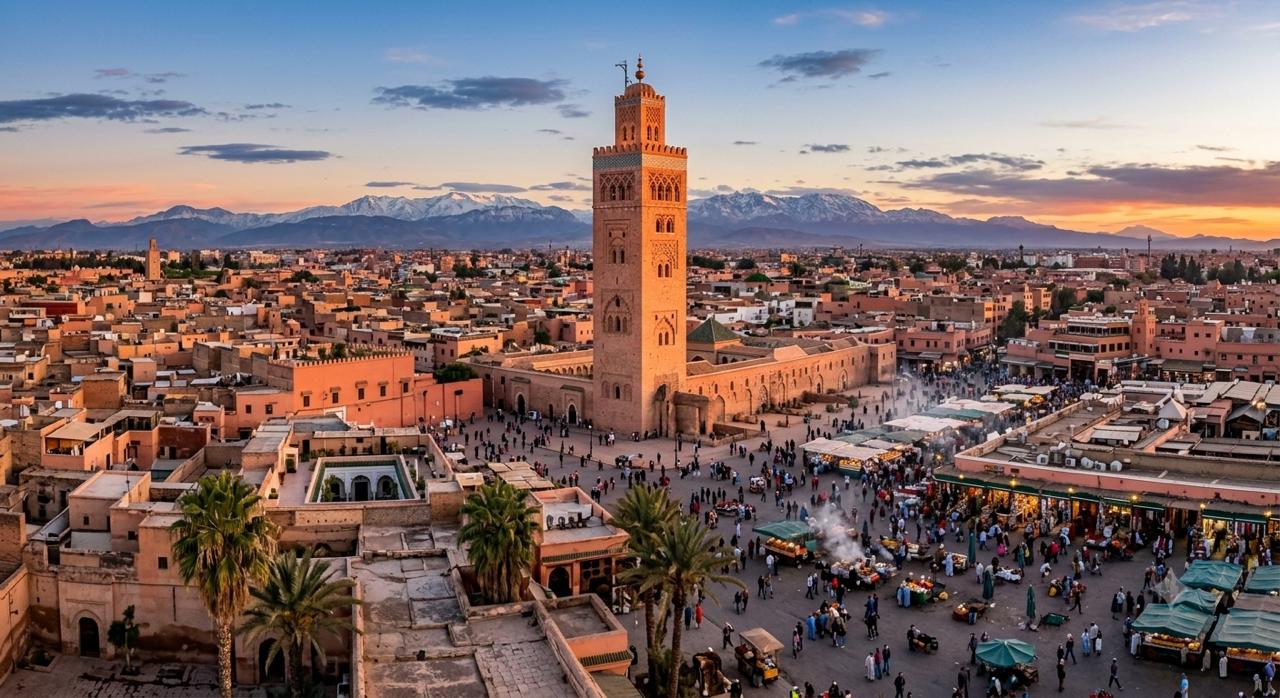
Morocco teams up with France and more as the world’s hottest tourism destinations welcome millions of visitors. From historic cities to breathtaking coastlines, these destinations attract more than 10 million tourists with unforgettable cultural experiences and spectacular holiday adventures. Moreover, Morocco teams up with France and more, placing the world’s hottest tourism destinations with more than 10 million tourists in the global travel spotlight. As international tourism connects cultures and communities, travellers can discover extraordinary attractions, authentic cuisine and diverse landscapes. Travel And Tour World invites readers to explore these leading destinations, uncover fascinating tourism statistics and find inspiration for their next unforgettable holiday.
Morocco Tourism Arrivals Reach New Heights as Marrakech, Tangier and More Compete With the World’s Most Visited Destinations
Morocco’s tourism performance and what the numbers mean for international travellers
Morocco is becoming an increasingly important destination for travellers seeking a combination of cultural heritage, Atlantic beaches, mountain landscapes, traditional cuisine and Saharan adventures. The country’s tourism performance has attracted international attention, particularly from European markets, which remain an important source of visitors.
Advertisement
Advertisement
According to Morocco’s Ministry of Tourism, the country welcomed 19.8 million tourist arrivals in 2025, representing a 14% increase over 2024. The ministry reported tourism receipts of MAD 138 billion for the year, 21% higher than in 2024. Classified accommodation establishments recorded 43.4 million overnight stays, an increase of 9%.
These figures provide more than a measure of popularity. They help travellers understand the scale of Morocco’s tourism industry, the importance of advance planning and the opportunities to discover destinations beyond Marrakech.
Advertisement
Advertisement
The country also offers a useful comparison with major international tourism markets. France, Spain, the United States, Türkiye and Italy attract far larger visitor totals, while destinations across Asia, Europe and the Middle East provide different combinations of attractions, travel infrastructure and holiday experiences.
The figures below distinguish official Moroccan annual results from international comparisons. This matters because countries do not always use identical definitions of tourist arrivals, overnight visitors, same-day visitors and returning nationals.
Advertisement
Advertisement
Morocco tourism arrivals over five years
Morocco’s recovery following the pandemic has been substantial. The country moved from a severely disrupted tourism market in 2021 to nearly 20 million recorded arrivals in 2025.
| Year | Tourist arrivals | Annual change | Travel context |
| 2021 | 3.7 million | — | International travel restrictions continued to affect tourism. |
| 2022 | 11.0 million | About +197% | Strong reopening and recovery in visitor demand. |
| 2023 | 14.5 million | About +32% | Tourism recovery continued across the country. |
| 2024 | 17.4 million | About +20% | Morocco exceeded its 2026 tourism target ahead of schedule. |
| 2025 | 19.8 million | About +14% | Record annual arrivals and tourism receipts. |
Sources: Morocco’s Ministry of Tourism, including its official 2024 tourism results and 2025 key figures. The 2021 and 2022 figures are rounded historical totals; annual percentage changes are calculated from rounded figures.
What the five-year comparison reveals
2021 to 2022: Arrivals increased from approximately 3.7 million to 11 million. This was a rebound of roughly 197%, although the comparison starts from an unusually low pandemic-era base. The increase reflects reopening and renewed travel demand rather than a typical year of tourism expansion.
2022 to 2023: Morocco welcomed 14.5 million visitors, approximately 3.5 million more than in 2022. The annual increase was around 32%. The country continued to rebuild its international visitor market while promoting cultural, coastal and nature-based experiences.
2023 to 2024: Arrivals reached 17.4 million, a gain of approximately 2.9 million. The ministry reported 112 billion Moroccan dirhams in tourism receipts for 2024. It also reported that foreign tourists represented 51% of arrivals, while Moroccans residing abroad accounted for 49%.
2024 to 2025: Morocco welcomed 19.8 million tourists, adding approximately 2.4 million arrivals in one year. Tourism receipts reached MAD 138 billion, up 21%, while classified accommodation establishments registered 43.4 million overnight stays, up 9%.
Advertisement
Advertisement
The figures show that Morocco’s visitor economy has expanded in both volume and reported receipts. However, arrivals and overnight stays measure different things. One traveller can generate multiple overnight stays, and a higher arrival total does not automatically mean every destination experiences the same visitor demand.
Countries that received more than 10 million international tourists
Morocco’s 19.8 million arrivals in 2025 provide useful context, but international comparisons require a consistent reference year. The following table uses the published 2024 destination figures compiled from UN Tourism data and cited in the OECD’s Tourism Trends and Policies 2026.
| Destination | 2024 arrivals | Travel experiences |
| France | 102.0 million | Paris, museums, food and the French Riviera |
| Spain | 93.8 million | Barcelona, Madrid, beaches and historic towns |
| United States | 72.4 million | National parks, major cities and coastlines |
| Türkiye | 60.6 million | Istanbul, Cappadocia and Mediterranean resorts |
| Italy | 57.7 million | Rome, Florence, Venice and regional cuisine |
Figures are rounded. International statistical series can be revised, so rankings and totals may differ from earlier releases.
The next group of destinations also recorded more than 10 million international arrivals in the 2024 data published in India’s Ministry of Tourism India Tourism Data Compendium 2025. These figures are from a separate published compilation and should not be combined with the OECD figures as though all were taken from one unrevised statistical release.
| Destination | 2024 arrivals, millions |
| Mexico | 44.9 |
| United Kingdom | 38.0 |
| Germany | 36.0 |
| Japan | 34.3 |
| Greece | 33.8 |
| Thailand | 32.6 |
| Austria | 30.9 |
| United Arab Emirates | 29.4 |
| Saudi Arabia | 28.6 |
| Portugal | 28.2 |
| Malaysia | 27.6 |
| Hong Kong, China | 26.7 |
| Netherlands | 23.4 |
| India | 20.57 |
Source: Government of India’s Tourism Data Compendium 2025. Figures are reproduced from the report’s 2024 table, which marks the values provisional.
How these leading destinations compare with Morocco
France — 102 million arrivals: France combines urban tourism with coastlines, mountain resorts, wine regions and historic villages. Paris is a major draw for museums, architecture and food, while visitors can travel to Provence, the French Alps and the Atlantic coast. At 102 million arrivals in the cited 2024 series, France received more than five times Morocco’s 2025 total. The periods differ, however, so this is a broad scale comparison rather than a like-for-like annual ranking.
Advertisement
Advertisement
Spain — 93.8 million arrivals: Spain appeals to travellers interested in Mediterranean beaches, island holidays, food, architecture and nightlife. Barcelona and Madrid attract city-break visitors, while Andalusia offers historic cities and distinctive regional traditions. Spain’s official statistics agency later reported 96.8 million international tourists in 2025, a provisional annual record.
INE Travellers comparing Spain with Morocco can consider combining a European city break with a separate North African holiday, subject to available flight and ferry connections.
United States — 72.4 million arrivals: The United States offers a much wider geographic range than most single-country itineraries can cover. Visitors can choose New York’s urban attractions, national parks in the western states, Florida’s beaches or California’s coastal routes. Travellers should plan by region because distances and transport requirements can be substantial. Compared with Morocco’s compact combination of cities, mountains and desert landscapes, the United States generally requires more time for multi-region travel.
Türkiye — 60.6 million arrivals: Türkiye combines historic sites, Mediterranean resorts, archaeological heritage and distinctive food traditions. Istanbul is known for its historic landmarks and bazaars, while Cappadocia attracts visitors interested in unusual geological landscapes. Coastal areas offer swimming, boat trips and resort stays. Morocco provides a different blend of North African and Amazigh heritage, traditional medinas and Saharan excursions, making both destinations attractive to travellers seeking cultural depth.
Italy — 57.7 million arrivals: Italy is especially appealing to visitors who prioritise historic architecture, art, food and regional landscapes. Rome, Florence and Venice offer celebrated cultural attractions, while destinations in Tuscany, Sicily and the Italian lakes provide different scenery. Morocco can be a strong alternative for travellers interested in traditional markets, intricate tilework, tagines and desert landscapes. Both countries reward slower itineraries that leave room for local neighbourhoods rather than concentrating only on famous landmarks.
Mexico — 44.9 million arrivals: Mexico combines archaeological sites, beach resorts, colonial cities and a diverse culinary tradition. Visitors can plan trips around Mexico City, the Yucatán Peninsula or Pacific coastal destinations. Travellers should check regional transport options and current official safety guidance. Morocco similarly offers a mix of cities, coastline and historic sites, although the climate, cuisine and cultural setting differ considerably.
Advertisement
Advertisement
United Kingdom — 38 million arrivals: London provides museums, theatre, historic buildings and international food, while destinations elsewhere in the country offer countryside, coastal scenery and heritage cities. The official Office for National Statistics estimated 42.6 million overseas visits to the UK in 2024, illustrating why published totals can vary according to data releases and definitions.
Germany — 36 million arrivals: Germany offers historic towns, major museums, Christmas markets, forests and mountain scenery. Berlin is well suited to contemporary history and urban culture, while Bavaria appeals to visitors interested in alpine landscapes and traditional architecture. Morocco offers a warmer-weather alternative during some European winter periods, particularly for visitors interested in Marrakech, Agadir or southern desert routes.
Japan — 34.3 million arrivals: Japan combines major urban centres, historic temples, seasonal landscapes and a globally recognised food culture. Tokyo, Kyoto and Osaka can form a multi-city itinerary using rail connections. Visitors planning around cherry blossoms or autumn foliage should reserve accommodation early. Morocco offers a different travel experience, centred on medinas, Islamic architecture, Amazigh culture, Atlantic beaches and desert scenery.
Greece — 33.8 million arrivals: Greece attracts visitors with ancient sites, island communities, coastal resorts and Mediterranean cuisine. Athens works well for history and city exploration, while islands offer sailing, beaches and village experiences. Morocco’s equivalent mix of city and coastal travel includes Marrakech, Essaouira and Agadir, with mountain and desert excursions providing further variety.
Thailand — 32.6 million arrivals: Thailand offers tropical beaches, temples, city markets and a wide range of regional food. Bangkok can be combined with northern destinations or southern islands, depending on available time. Travellers should check monsoon conditions and seasonal ferry schedules. Morocco is more suitable for travellers prioritising historic medinas, desert excursions and North African cultural experiences.
Austria — 30.9 million arrivals: Austria appeals to visitors seeking alpine scenery, classical music, historic cities and winter sports. Vienna offers imperial architecture and museums, while Salzburg and the mountain regions suit culture-focused and outdoor holidays. Morocco offers a contrasting experience, with desert landscapes, warm coastal destinations and traditional market towns.
Advertisement
Advertisement
United Arab Emirates — 29.4 million arrivals: The UAE attracts visitors through modern architecture, luxury accommodation, shopping, beaches and desert activities. Dubai and Abu Dhabi can be combined in a short itinerary, with transport planning made easier by their established road networks. Morocco offers a more heritage-focused alternative for visitors looking for traditional medinas and historic urban environments alongside resort experiences.
Saudi Arabia — 28.6 million arrivals: Saudi Arabia has expanded its leisure and cultural tourism offerings, including heritage destinations, coastal areas and major urban centres. International travellers should distinguish ordinary tourism from religious pilgrimage when reviewing statistics, as the underlying categories may differ. Morocco, with its established medinas, coastal towns and mountain routes, provides a different route into Arab and North African heritage.
Portugal — 28.2 million arrivals: Portugal offers Lisbon’s historic districts, Porto’s riverfront, Atlantic beaches and countryside escapes. Food-focused travellers can explore seafood, regional pastries and local markets. Morocco can be combined with a separate Iberian trip for travellers interested in neighbouring Atlantic-facing destinations, although entry requirements and transport schedules should be checked independently.
Malaysia — 27.6 million arrivals: Malaysia combines urban tourism, rainforest environments, island escapes and a multicultural food scene. Kuala Lumpur suits city breaks, while coastal and nature-based destinations require more detailed regional planning. Morocco is particularly appealing to travellers seeking architectural heritage, desert experiences and traditional market culture rather than tropical rainforest travel.
Hong Kong, China — 26.7 million arrivals: Hong Kong attracts visitors with its skyline, harbour, food markets, shopping districts and hiking trails. It is well suited to compact urban itineraries, although accommodation costs can vary significantly by season. Morocco provides a more geographically varied journey for visitors who want to combine several historic cities with beaches and desert landscapes.
Netherlands — 23.4 million arrivals: The Netherlands offers Amsterdam’s museums and canals, cycling routes, historic towns and seasonal flower landscapes. Visitors can travel between several urban destinations by rail. Morocco provides a different kind of cultural journey, with traditional medinas, craft markets and long-distance excursions through mountain and desert regions.
Advertisement
Advertisement
India — 20.57 million arrivals: India offers extraordinary regional diversity, from historic monuments and Himalayan scenery to beaches, wildlife reserves and culinary traditions. International visitors should plan around distances, seasonal weather and regional transport. Morocco’s smaller geographic scale can make it easier to combine major cultural attractions with a desert or coastal excursion in one holiday.
The comparison demonstrates that Morocco is a substantial tourism destination in its own right. It also highlights why raw arrival totals should not be treated as a direct measure of quality, affordability or visitor satisfaction. Different destinations serve different travel interests and use different statistical methods.
Where travellers should go in Morocco
Explore the medina, traditional souks, historic palaces and gardens. Visit in the morning for a more relaxed sightseeing experience, then return to the central square in the evening for its changing atmosphere. Allow at least two full days.
Spend time exploring the old medina, traditional workshops and historic religious architecture from permitted visitor areas. A knowledgeable local guide can help visitors navigate the lanes and understand the city’s heritage.
Explore the blue-painted streets, local shops and mountain viewpoints. Travellers should allow for steep lanes and plan transport connections carefully, as this destination takes longer to reach than a city stop along a main rail route.
Walk along the historic ramparts, visit the fishing harbour and enjoy seafood near the waterfront. It is a good option for travellers who want a slower coastal stay after exploring Marrakech.
Advertisement
Advertisement
Arrange a reputable guided excursion and consider an overnight desert camp. Travellers should confirm transfer durations, camp facilities, included meals and safety arrangements before booking.
What to eat in Morocco and where to find it
Moroccan food is an important part of the travel experience. Travellers can try tagine, a slow-cooked dish commonly prepared with vegetables, chicken, lamb or other ingredients. Couscous is another traditional favourite, often served with vegetables and meat. Harira, a hearty soup, is popular in many households and eateries, while pastilla offers a distinctive sweet-and-savoury combination.
Mint tea is widely served, and fresh bread, olives, grilled meats and seasonal salads can be found in restaurants and markets. Along the coast, Essaouira and Agadir are useful places to explore seafood dishes. In Marrakech and Fez, visitors can look for established restaurants serving regional cooking or choose busy eateries with clear menus and good food-handling practices.
For a more immersive experience, travellers can consider a reputable cooking class or a guided food walk. Ask about ingredients and allergens, especially when ordering dishes containing nuts, dairy or gluten. Visitors should also confirm prices before ordering at informal food stalls.
Where to stay: choosing accommodation by travel style
| Destination | Suggested accommodation area | Best suited to |
|---|---|---|
| Marrakech | Medina for atmosphere; modern districts for convenient road access | First-time visitors, culture and dining |
| Fez | Medina edge or established hotel districts | Heritage exploration and guided walks |
| Rabat | Central areas with access to major sights and transport | Short city breaks and business-leisure trips |
| Essaouira | Historic centre or seafront neighbourhoods | Coastal relaxation and seafood |
| Agadir | Seafront hotel districts | Beach holidays and resort facilities |
| Merzouga | Reputable desert camps or guesthouses | Guided desert experiences |
Accommodation prices vary by season, location and property category. Travellers should check cancellation policies, air-conditioning availability during hot months, accessibility, transport access and recent guest feedback before making a reservation. In historic medinas, some traditional properties have stairs and limited vehicle access, so visitors with mobility needs should confirm facilities directly.
A practical 10-day Morocco itinerary
This is a suggested route, not a fixed tour. Actual journey times depend on transport schedules, road conditions and the chosen excursions.
Advertisement
Advertisement
| Day | Base | Suggested activities |
|---|---|---|
| 1 | Marrakech | Arrive, settle in and explore nearby streets |
| 2 | Marrakech | Visit historic attractions, gardens and souks |
| 3 | Marrakech | Explore local cuisine and take a guided cultural walk |
| 4 | Ouarzazate region | Travel through mountain scenery and stop at suitable viewpoints |
| 5 | Merzouga region | Continue towards the desert, with a planned overnight stay |
| 6 | Merzouga region | Enjoy a guided desert experience and local cultural activities |
| 7 | Fez | Travel towards Fez; allow substantial time for the transfer |
| 8 | Fez | Explore the historic medina and traditional crafts |
| 9 | Chefchaouen | Travel north and discover the blue-painted town |
| 10 | Tangier | Explore the historic centre before departure, if flight times permit |
This itinerary is ambitious because the desert and northern cities are separated by long journeys. Travellers who prefer a more relaxed holiday should spend fewer days moving between regions. A seven-day alternative could focus on Marrakech, Essaouira and Agadir, while a history-focused trip could combine Rabat, Fez and Tangier.
For transport, Morocco’s official tourism website provides information on reaching the country and travelling around it. Visitors can compare rail services, coaches, private transfers and rental cars based on the specific route. Desert trips should be booked with operators that clearly explain vehicle arrangements, travel distances, included services and emergency procedures.
Travel budget and seasonal planning
There is no single budget that suits every Morocco itinerary. Accommodation category, transport choices, private excursions and the time of year can significantly affect total spending. The most useful approach is to estimate each major expense before departure.
| Budget category | What travellers should calculate |
|---|---|
| International transport | Return flights or ferry fares, baggage and transfers |
| Accommodation | Nightly rates multiplied by the number of nights |
| Intercity travel | Train tickets, coach fares or private vehicle costs |
| Food | Daily meals, drinks and any planned food experiences |
| Excursions | Guided city tours, mountain activities and desert camps |
| Other expenses | Travel insurance, entry fees, tips and contingency funds |
Spring and autumn can be attractive periods for city exploration and excursions, although conditions differ between the coast, mountains and desert. Summer can be very hot in inland and southern areas. Travellers planning desert activities should confirm conditions and follow local guidance.
Before departure, check passport validity, visa requirements for your nationality, health advice, travel insurance and any relevant security notices. Keep copies of important travel documents and use reputable providers for transfers and excursions.
What Morocco’s tourism statistics mean for future travellers
Morocco’s rise from 3.7 million arrivals in 2021 to 19.8 million in 2025 demonstrates the scale of the sector’s recovery. The country’s reported tourism receipts and overnight stays also indicate that accommodation and visitor spending are central parts of the tourism economy.
Advertisement
Advertisement
The international comparison adds perspective. France and Spain operate at a much larger visitor scale, while destinations such as Japan, Greece, Thailand and Portugal attract travellers through very different combinations of culture, nature and leisure. Morocco’s appeal lies in bringing several distinctive experiences together within one country.
For international visitors, the best strategy is to choose an itinerary that matches available time, preferred activities and comfort with long-distance travel. Marrakech and Fez offer heritage and food; Essaouira and Agadir provide coastal experiences; Chefchaouen brings mountain scenery; and the desert regions offer a more remote adventure.
With thoughtful planning, official travel information and realistic transfer schedules, visitors can explore Morocco beyond the most familiar photographs. Its historic cities, traditional cuisine, coastlines and varied landscapes make it a compelling destination for travellers seeking a culturally rich North African holiday.
Conclusion
Morocco teams up with France and more of the world’s hottest tourism destinations to inspire global travellers seeking unforgettable holiday magic. From Marrakech’s colourful medinas and Morocco’s golden desert landscapes to France’s iconic landmarks and Europe’s cultural treasures, every destination offers distinctive experiences. Moreover, international travellers can discover exceptional cuisine, historic attractions, scenic coastlines and memorable adventures by planning their journeys carefully. As tourism continues to connect destinations worldwide, Morocco remains an appealing choice for culturally rich holidays and exciting discoveries. Travel And Tour World encourages readers to explore these remarkable destinations and turn their next travel dreams into unforgettable holiday experiences.
Advertisement
