

Air France-KLM Reveals More on Travel Jobs as the New Study Puts Annual EU Economic Impact Near at €114 Billion

Published
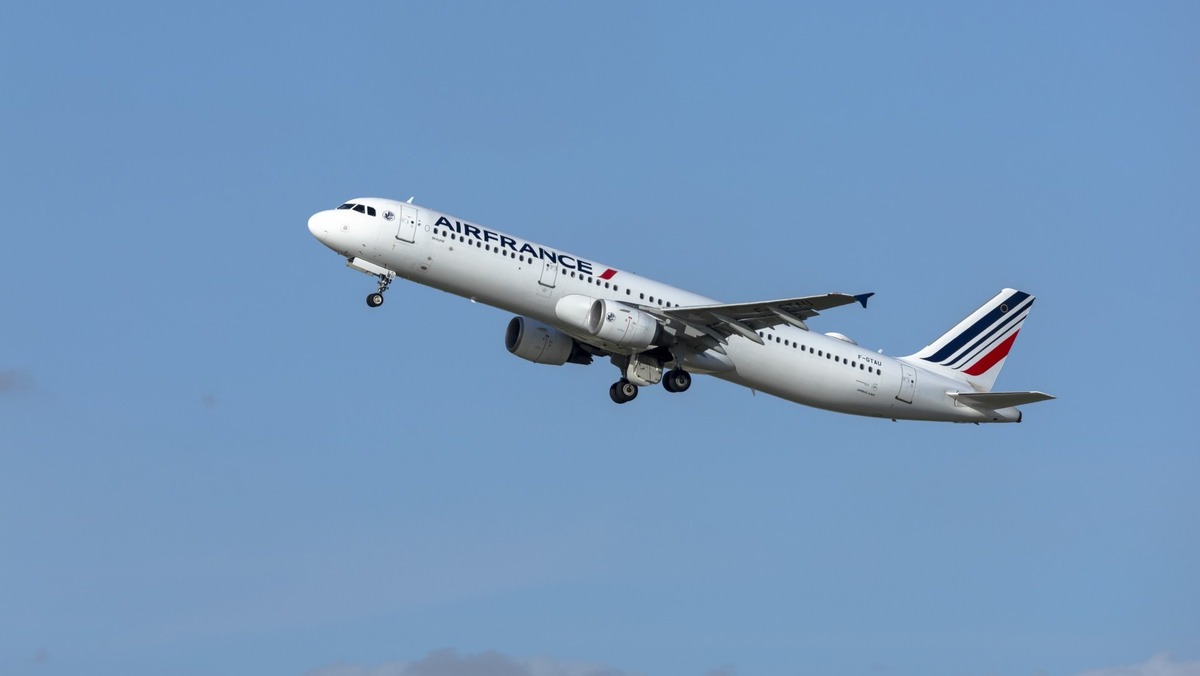
A Franco-Dutch airline group published its first EU-wide Economic Impact assessment on 6 October 2026, estimating nearly €114 billion in annual benefits and more than 1.2 million supported jobs. The study combines activity linked to passenger services, cargo, maintenance and wider spending. It matters to tourism businesses assessing aviation’s contribution to local economies. For travellers, the immediate position is unchanged: the publication introduces no new route, fare reduction or entry rule.[1]
What the Economic Impact Evidence Establishes
The main development is the publication of a company study, not a government decision. The table separates its estimated footprint from tourism context and conditional investment plans. Percentages are an editorial assessment of this story’s emphasis, not official statistics. The allocation prioritises the central economic findings and gives less weight to proposals without confirmed effects on passenger services.
| News Component | Share of Story | Officially Verified Finding | Relevance to Travellers | Official Source |
|---|---|---|---|---|
| Aviation economy | 50% | Nearly €114bn and over 1.2m jobs estimated | Explains aviation’s wider footprint | Group study, 6 October 2026 |
| Tourism context | 25% | EU accommodation nights increased in January–June 2026 | Shows wider destination demand | EU statistics, 1 September 2026 |
| Ownership proposals | 20% | Portugal authorised further sale negotiations | Future service effects remain unconfirmed | Government decision, 4 September 2026 |
| Entry requirements | 5% | Study announces no entry-rule change | Existing requirements still apply | Group study, 6 October 2026 |
The evidence confirms what the group published; it does not independently validate every calculation. The nearly €114 billion estimate equals 0.6% of EU GDP. Supported jobs include direct, indirect and induced full-time equivalents, a measure of work expressed as full-time positions. These figures cover one group’s activities and associated spending across the EU. Gross domestic product measures the value of goods and services produced. The release does not provide enough supporting detail to reproduce the full model, so its findings should retain their status as attributed estimates.[2]
How the Announcements Developed
The relevant expansion timeline began in July 2025, when increased ownership of a Scandinavian carrier was announced as an intention. On 4 September 2026, Portugal authorised negotiations for improved final offers concerning its national airline. Government documents describe a 44.9% investor stake, with up to 5% reserved for workers. A final corporate offer announced on 30 September instead referred to up to 49.9%. These descriptions concern different elements of the proposed transaction and must remain distinguished.[3][4][5][6]
Advertisement
Advertisement
The Annual EU Economic Impact findings followed on 6 October. This was the fourth edition of the research programme, but its first EU-wide assessment. The release continued to describe the Scandinavian transaction as subject to competition approval and the Portuguese investment as conditional. As of the sources checked on 8 October, the study established no completed acquisition or related service launch. Its publication adds economic evidence to the debate without completing either ownership process.[7]
How Transport Spending Reaches Local Businesses
The immediate trigger for this news was the publication of the wider assessment during a European expansion strategy. The Annual EU Economic Impact estimate includes staff pay, purchasing, passenger spending, airport activity and subsequent spending. That scope explains why the result extends beyond ticket revenue. Operations covered carried 103 million passengers and transported 917,000 tonnes of freight in 2025. The release also reports a network exceeding 320 destinations and maintenance serving over 3,000 aircraft for 200 airline customers, alongside the group’s fleet. The study also considers whether air connections make a region more attractive to businesses. That is a modelled relationship, not proof that this announcement has changed investment decisions.[8]
Advertisement
Advertisement
Procurement offers another connection with regional businesses. The group reports more than €6.6 billion of purchases in France and the Netherlands during 2025. Such transactions explain how transport activity reaches suppliers away from airports. Visitors also spend on accommodation, meals, attractions and local transport, but the release provides no separate totals for those sectors. The analysis therefore supports a broad supply-chain connection; it does not establish a new increase in hotel bookings, restaurant income or holiday demand. These procurement figures should not be added to the headline benefits without a reconciliation showing how the model treats them. Otherwise, the same activity could be counted twice.[9]
What the Country Figures and Tourism Data Show
Within the Annual EU Economic Impact estimates, France accounts for €52.2 billion and nearly 550,000 supported jobs. The Netherlands records €29.1 billion and nearly 300,000 jobs. Their combined €81.3 billion represents approximately 71% of the rounded EU total, a calculation rather than a separately published statistic. Sweden and Denmark together account for nearly €2.3 billion and over 27,000 jobs. Portugal exceeds €1.3 billion, supporting nearly 25,000 jobs. These annual estimates are not complete national tourism accounts. The study places the French contribution at 1.8% of national GDP and the Dutch share at 2.4%, illustrating different relative weights within their respective economies.[10]
Advertisement
Advertisement
Separate official accommodation data recorded 1.321 billion EU overnight stays in January–June 2026, up 1.7% against January–June 2025. Foreign guests accounted for 48.9%, with their nights growing 2.5%, against 0.9% for domestic guests. International tourism statistics recorded arrivals rising 3% across Europe and 0.4% worldwide over the same half-year comparison. Those arrivals cover different geography and units from EU overnight stays. Together, the series provide market context, without attributing growth to this airline group or validating its model. Another EU release recorded 258.8 million short-term rental nights booked through three participating platforms during April–June 2026, up 5.3% annually. This separate booking-channel series should not simply be added to broader accommodation totals.[11][12][13]
What Travellers Should Check and Watch Next
The Economic Impact announcement requires no immediate change to existing travel plans. Passengers considering future journeys should distinguish proposed ownership changes from services available to book. Passport, visa and transit requirements continue to depend on nationality, residence status and itinerary, so the appropriate destination authorities remain the source for individual requirements. The international tourism report’s expert survey identifies economic pressures and high transport and accommodation costs as major challenges. This reinforces the need to assess affordability separately from estimates of wider economic benefits.[14][15]
- Check whether a service announcement gives a confirmed route and start date.
- Verify destination and transit requirements through the relevant government authorities.
- Monitor official ownership decisions before assuming booking or network changes.
Continued monitoring is appropriate; the study itself provides no basis for cancellation or rebooking. The next relevant evidence concerns formal transaction decisions, followed by any confirmed operating changes. The assessment supplies no firm date for a new route or passenger benefit arising from either proposal. Tourism businesses should assess future plans against schedules and local demand.
What the Findings Mean for Travel
The Annual EU Economic Impact assessment gives tourism businesses a broader view of the spending and employment connected with aviation. Its figures describe one airline group’s modelled contribution, with France and the Netherlands accounting for much of the reported total. They do not establish new bookings, cheaper fares or changes to border rules. Official tourism statistics add context, while proposed ownership transactions remain separate decisions with unresolved outcomes. Travellers can continue assessing journeys against published services and current entry requirements. For the industry, the next useful evidence will be confirmed regulatory decisions and operational announcements, supported by clear official updates.
Advertisement
