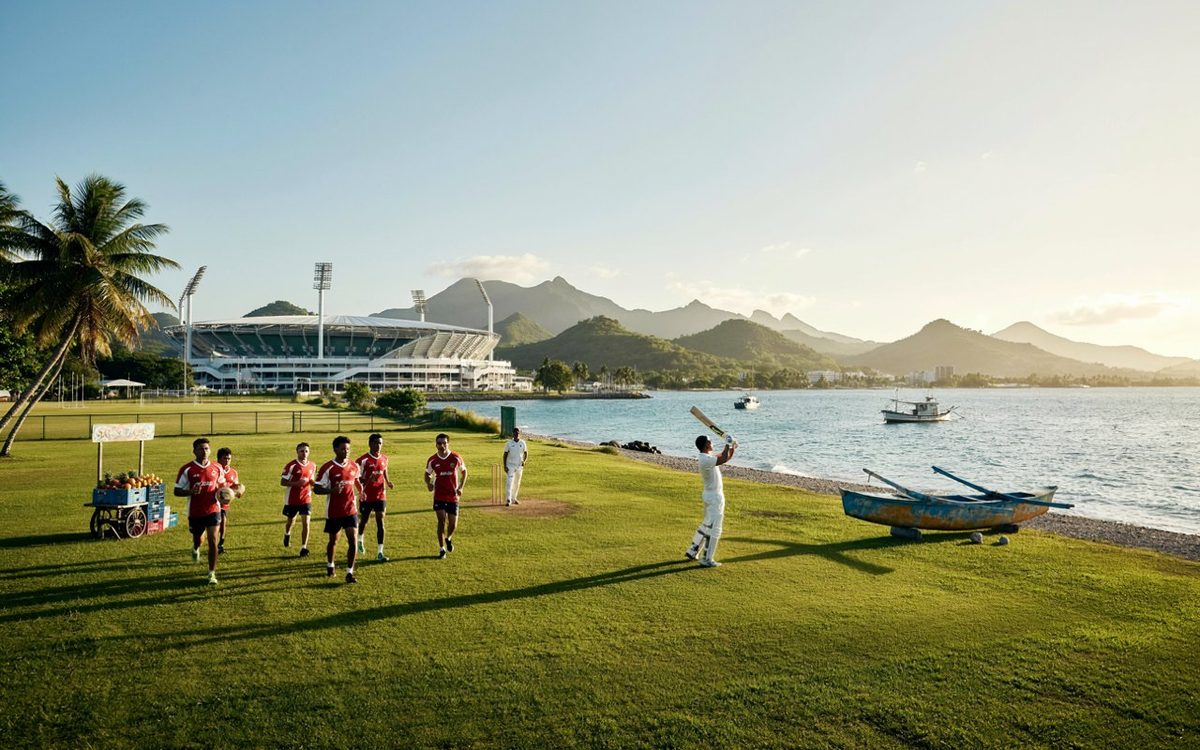
Image generated with Ai
In 2026, Fiji is firmly positioning itself as a premier destination for sports tourism by blending its world-class natural landscapes with high-profile international and regional sporting events. Suva is dominating with marathon running and track events, while Lautoka and Ba serve as electric fortresses for Super Rugby Pacific. The Coral Coast (Sigatoka) remains the heartland of Rugby 7s. Meanwhile, the Mamanuca Islands (Cloudbreak) are drawing the elite World Surf League Championship Tour, and Denarau is capturing the affluent golf market, collectively driving massive international visitation and economic growth across the archipelago. From top-tier rugby and surfing to international golf tournaments and marathons, several Fijian cities and regions are actively embracing this growing tourism sector.
| City / Region | Sporting Focus | Key Events & Activities in 2026 | Primary Venues / Locations |
| Suva | Athletics, Rugby, Marathon Running | Rexona Suva Marathon (August 8); Super Rugby Pacific (Fijian Drua match); Athletics Fiji Calendar (14 local and regional track/field events including Commonwealth and Oceania trials),. | Albert Park, HFC Bank Stadium |
| Lautoka | Professional Rugby | Super Rugby Pacific: Hosted four home games for the Fijian Drua starting with the season opener against Moana Pasifika in February. | Churchill Park |
| Ba | Professional Rugby | Super Rugby Pacific: Hosted Fijian Drua fixtures against the ACT Brumbies and Highlanders. | Govind Park |
| Denarau Island (Nadi) | Golf, Water Sports, Adventure | Fiji Golf Classic 2026 (July 30 – August 1); Hosted luxury golf tours connecting local resorts to top courses; Skydiving and sailing excursions. | Denarau Golf & Racquet Club, Port Denarau |
| Sigatoka (Coral Coast) | Rugby 7s, River Sports | Coral Coast 7s (January): A crowd-favorite tournament featuring top domestic sides, the national 7s team, and international invitational teams; High-speed jet boat safaris. | Lawaqa Park, Sigatoka River |
| Mamanuca Islands | Elite Surfing | 2026 Fiji Pro: A World Surf League (WSL) Championship Tour event featuring top international surfers like Erin Brooks and Vahine Fierro. | Cloudbreak (Tavarua) |
| Yasawa & Beqa Islands | Marine & Conservation Sports | Shark diving, reef snorkeling, and grueling island hiking (Waya Island). Eco-sports initiatives like Loloma Hour encourage tourists to participate in coral planting and marine conservation. | Kuata Island, Beqa Lagoon, Waya Island |
Fiji’s vibrant capital, Suva, has traditionally been the administrative and political heart of the nation. In 2026, however, it has successfully rebranded itself as a premier destination for endurance sports and track and field. The cornerstone of this transformation is the highly anticipated Rexona Suva Marathon, which now draws thousands of international runners, corporate relay teams, and social athletes to the coastal streets of the city. By shutting down major thoroughfares and creating a festival-like atmosphere, city officials have turned a simple race into a multi-day economic driver. Furthermore, Athletics Fiji has strategically locked in an impressive 14-event calendar centered at the iconic Albert Park and HFC Bank Stadium. This includes crucial Commonwealth and Oceania track trials. By hosting these high-stakes athletic qualifiers, Suva is pulling in coaches, families, and media personnel from across the Pacific rim, securing its reputation as a serious, world-class hub for competitive athletics.
Advertisement
The western division of Viti Levu has always been deeply passionate about rugby, but the inclusion of the Fijian Drua in the Super Rugby Pacific tournament has elevated this fervor to an international spectacle. In 2026, cities like Lautoka and Ba are serving as the impenetrable home fortresses for the franchise. Churchill Park in Lautoka hosted the explosive season opener against Moana Pasifika, while Govind Park in Ba welcomed heavyweights like the ACT Brumbies and the Highlanders. These municipalities have embraced the influx of traveling fans by upgrading local infrastructure, expanding hospitality offerings, and integrating local vendors into the match-day experience. When the Drua play at home, the economic ripple effect is palpable; hotels hit capacity, and local transport networks buzz with activity. For international rugby fans, booking a trip to watch a match in these sugar-producing towns offers an authentic, high-octane sporting experience that traditional stadium venues simply cannot replicate.
Rugby is practically a religion in Fiji, and the Coral Coast—specifically the town of Sigatoka—is its grand cathedral. Every January, the town swells with excitement as it hosts the legendary Coral Coast 7s tournament at Lawaqa Park. In 2026, this event has proven once again why it is the crown jewel of Fiji’s domestic sporting calendar. The tournament brilliantly blends grassroots talent with elite international flair, featuring top domestic sides battling against the national 7s team and high-profile invitational squads from Australia, New Zealand, and the United States. For sports tourists, the appeal lies in the raw, unfiltered access to future Olympians and rugby legends. The town of Sigatoka fully embraces this identity, with local resorts offering specialized rugby packages that include meet-and-greets, VIP stadium seating, and post-match cultural feasts. This deep integration between sport and local hospitality ensures the Coral Coast remains an essential pilgrimage for any serious global rugby fan.
Advertisement
When it comes to elite professional surfing, few locations demand as much respect—and generate as much fear—as Cloudbreak in the Mamanuca Islands. In August 2026, the World Surf League (WSL) Championship Tour triumphantly returned to this mythical left-hand reef break for the Fiji Pro, marking a massive win for the country’s sports tourism sector. The event drew massive global viewership as defending champions and rising stars like Seth Moniz and Erin Brooks tackled the heavy, barreling conditions. More importantly, the tournament injected serious capital into local boat operators, surf guides, and island resorts like Tavarua and Namotu. Furthermore, the inclusion of local Fijian wildcards, such as Ulukilupetea “Tea” Kurop and Teo Degei, added a powerful hometown narrative that resonated deeply with traveling spectators. By hosting the WSL, Fiji proves that its offshore reefs are not just beautiful backdrops, but legitimate, high-stakes arenas that drive highly lucrative surf tourism.
While the rugged reefs and rugby fields attract adrenaline seekers, Denarau Island and nearby Natadola Bay are quietly dominating the affluent sports tourism market through world-class golf. In 2026, the strategic promotion of the Fiji Golf Classic has cemented the region’s status as a premium golfing destination. These meticulously manicured courses offer breathtaking ocean views, challenging tropical trade winds, and unparalleled clubhouse hospitality. Tourism operators have leaned heavily into luxury “stay and play” packages, seamlessly connecting five-star resort accommodations on Denarau Island with VIP tournament access. The demographic drawn to these golfing events tends to stay longer and spend significantly more per capita on dining, spa services, and private charters. By offering a refined, high-end sporting experience, Fiji is successfully capturing a lucrative segment of the travel market that might have otherwise chosen Hawaii or the Caribbean for their annual golf retreats.
Not all sports tourism requires a stadium or a referee. In 2026, the remote Yasawa and Beqa Islands are pioneering a rugged, decentralized form of adventure sports tourism. On Waya Island in the Yasawa chain, serious hikers are tackling steep, grueling volcanic trails that offer panoramic views of the South Pacific, effectively establishing Fiji as a destination for extreme trekking. Meanwhile, the waters surrounding Beqa Island and Kuata Island are attracting thrill-seekers for high-stakes marine sports, most notably cageless shark diving and open-water endurance swimming. These regions cater to the active traveler who views the natural environment as the ultimate gymnasium. By heavily promoting these raw, unmanicured athletic experiences, local operators are successfully drawing a younger, highly active demographic. This form of adventure tourism relies heavily on local guides and traditional knowledge, ensuring that the economic benefits of these adrenaline-fueled excursions flow directly into the remote island villages.
One of the most innovative sports tourism initiatives launched across Fiji in 2026 is the “Loloma Hour” program, which brilliantly intersects physical activity with environmental conservation. Derived from the Fijian word for love and generosity, this industry-wide initiative encourages active travelers to dedicate at least one hour of their trip to physical, high-impact volunteer work. Tourists are swapping their surfboards and running shoes for coral planting dive sessions, strenuous coastal mangrove planting, and intensive beach clean-ups. This initiative appeals deeply to modern sports tourists, who increasingly seek purpose-driven travel experiences that leave a positive footprint. By gamifying conservation and integrating it into the active itineraries of travelers, Fiji is preserving the very natural landscapes that make its outdoor sports so appealing. This symbiotic relationship ensures that as the volume of sports tourism grows, the ecological health of the islands is simultaneously defended and restored by the athletes themselves.
Advertisement
Advertisement
The financial dividends of Fiji’s 2026 sports tourism boom extend far beyond the immediate ticket sales and hotel bookings. This aggressive event acquisition strategy is fundamentally reshaping the national economy. When a Super Rugby match or an international surf competition is hosted, it triggers a massive supply chain mobilization. Local farmers increase production to feed visiting athletes, independent transport operators secure highly profitable charter contracts, and local artisans see a surge in demand for authentic merchandise. Furthermore, the global television broadcasting of these sporting events serves as millions of dollars’ worth of free destination marketing. When international viewers watch perfect waves at Cloudbreak or a packed, sun-drenched stadium in Lautoka, the country receives invaluable exposure. This sustained influx of foreign capital is allowing local governments to reinvest in community infrastructure, upgrading everything from rural road networks to local medical facilities, proving that sports tourism is a potent catalyst for broad-based national development.
What truly separates Fiji from other global sports destinations in 2026 is the seamless integration of its rich indigenous culture into the athletic spectator experience. Visitors attending a sporting event are not just passively watching a game; they are participating in a deep cultural immersion. Rugby matches in Ba and Lautoka often feature traditional meke war dances that electrify the crowd before kickoff, rivaling the intensity of the New Zealand haka. At the WSL Fiji Pro, international surfers participate in solemn kava ceremonies with local chiefs to seek safe passage on the reefs. This powerful infusion of the famous “Bula Spirit” transforms a standard sporting trip into an unforgettable human connection. Travelers leave with a profound respect for the Fijian way of life, ensuring unparalleled visitor satisfaction and incredibly high return rates. Ultimately, it is this warm, authentic cultural embrace that makes Fiji’s brand of sports tourism utterly impossible to replicate anywhere else in the world.
The final answer is clear: Fiji is now the undisputed athletic capital of the Pacific. The cause of this massive geographical shift? The nation urgently needed to diversify its tourism economy. Relying solely on passive resort vacationers was no longer enough for sustainable growth. The reason this aggressive pivot worked so flawlessly lies in the islands’ existing assets. Planners brilliantly combined raw natural landscapes with major stadium infrastructure upgrades. By successfully hosting premium events like professional rugby and elite surfing, they captured a high-spending demographic. This brilliant strategy permanently secures a highly lucrative future for local communities.
Advertisement
Advertisement
Advertisement












Thursday, September 3, 2026
Thursday, September 3, 2026
Thursday, September 3, 2026

Thursday, September 3, 2026

Wednesday, September 2, 2026
Wednesday, September 2, 2026

Thursday, September 3, 2026
Thursday, September 3, 2026



