
Laos Leads Against Other Mekong Region Nations in Cross-Border Rail Travel Boosting Multi-City Asian Connectivity

Published
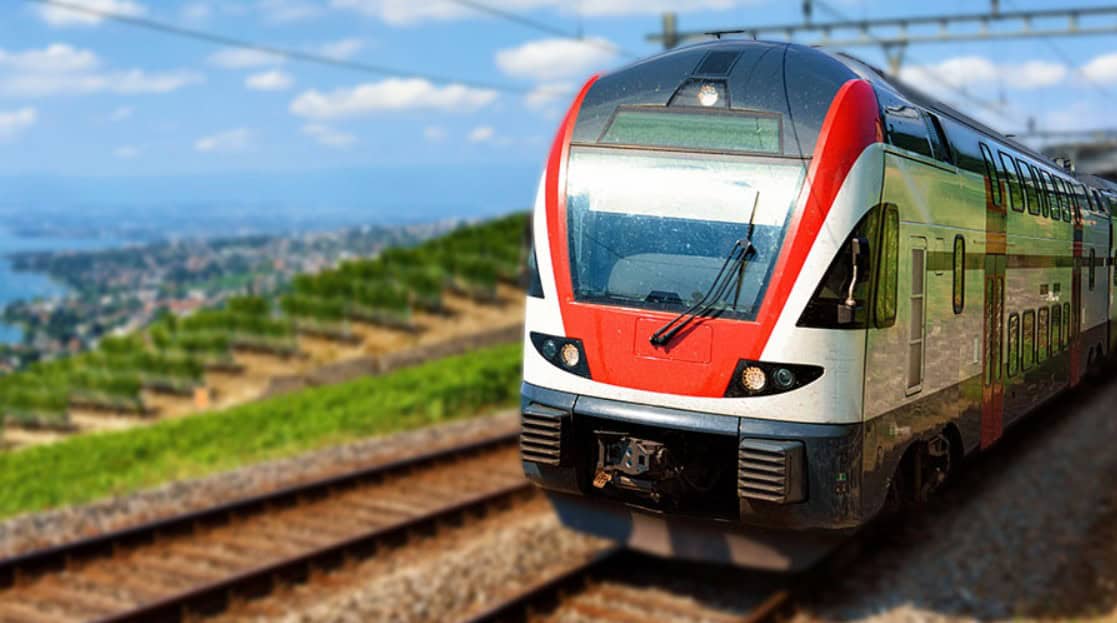
As Laos Railway’s construction nears completion, closest comparisons to Sydney or Melbourne have shifted from Asia to Australia, both in terms of urbanization and city infrastructure. Vientiane, Kunming, and other metropolises throughout Thailand and Vietnam are diverging infrastructure. With a rapidly expanding network of railway lines, Laos is becoming a key land-linked country as previously land-locked country is becoming a key strategic trading hub in Southeast Asia, while also improving regional logistics, tourism, and cross border travel.
This rapid expansion has been fueled by the China-Laos Railway, informally known as the LCR, which has truly redefined movements of passengers, cargo, and trade across borders at unprecedented levels. More direct links to key regional markets along with new construction to the north of Laos towards Thailand and Vietnam are further redefining Laos’s railways, Asia’s multi-city travel, and Mekong region tourism.
Advertisement
Advertisement
Laos Is Being Transformed from a Landlocked Nation into Asia’s Land-Linked Rail Powerhouse
For decades, Laos has been defined geographically by its lack of direct access to the sea. That strategic limitation is now being challenged through an expanding transport vision in which the country is being repositioned as a land-linked transit hub.
Rather than remaining at the edge of regional transport networks, Laos is being placed at the centre of a growing system connecting mainland Southeast Asia with China and potentially wider Eurasian markets. The railway is increasingly being treated as infrastructure capable of moving not only passengers, but also agricultural goods, high-tech products and other cargo across international borders.
Advertisement
Advertisement
This transformation is being particularly important for tourism. Travellers are increasingly being given the possibility of building multi-city and multi-country rail journeys through the region, while Laos is being turned from a destination requiring a dedicated visit into a potentially important stop within larger Asian itineraries.
Advertisement
Advertisement
The country’s rail infrastructure is therefore being assigned a role extending beyond domestic mobility. A wider logistics and tourism ecosystem is being created, with Vientiane emerging as a critical connection point between different regional transport systems.
The China-Laos Railway Is Breaking Extraordinary Passenger and Freight Records
The China-Laos Railway is being identified as the central force behind this connectivity expansion. Recent data is highlighting major milestones in freight, trade and passenger movement, demonstrating the growing scale at which the railway is being used.
A major freight milestone has been reached, with total freight on the LCR having crossed 90 million tonnes. More than 21 million tonnes have been recorded in cross-border shipments, illustrating how the railway is increasingly being used as an international trade corridor rather than solely as a domestic transport route.
Advertisement
Advertisement
The economic value moving through the network is also being accelerated. Cross-border trade via the railway reached 17.17 billion yuan, approximately $2.53 billion USD, during the first half of 2026 alone. This was marked by a 33.8 per cent year-on-year increase, underlining the rapid expansion of commercial activity linked to the rail route.
The cargo network is now being extended across 19 countries and regions, while more than 4,000 distinct product categories are being carried. Electronic goods, high-tech components and tropical fruits are among the products being moved through this increasingly diverse rail ecosystem.
Advertisement
Advertisement
This broad product mix is demonstrating why the railway is being viewed as strategically important. Traditional agricultural trade is being combined with modern manufacturing and technology-related supply chains, while Laos is being placed within a much wider regional movement of goods.
More Than 62 Million Passenger Trips Are Powering a New Asian Travel Corridor
Passenger traffic is also being expanded on a scale that is reshaping the tourism potential of the route. More than 12 million passenger trips have been recorded inside Laos, while the full international route has registered more than 62 million passenger trips.
These numbers are illustrating how rail travel is being increasingly integrated into everyday mobility and international travel. What was once a country heavily dependent on road and air connections is now being supported by a railway system capable of carrying substantial passenger volumes.
Cross-border transit between Vientiane and Kunming is also being strengthened, with up to four daily international trains now being operated. More frequent connections are being created for travellers, potentially making multi-city travel between China and Laos more practical.
The significance for tourism is considerable. International visitors can increasingly be transported through the region without every journey being dependent on flights. A broader travel pattern is being enabled in which cities and cultural destinations can be combined through rail-based itineraries.
Advertisement
Advertisement
This could be particularly valuable for travellers interested in slower journeys across Asia, where the transport experience itself is being incorporated into the holiday. Laos is increasingly being placed within that expanding cross-border travel map.
Thailand Is Being Pulled Closer Through a Major Vientiane and Bangkok Rail Push
Laos is not being limited to its northern connection with China. A major expansion towards Thailand is also being pursued, strengthening the country’s position within the wider Mekong transport network.
Following the launch of the direct Krung Thep Apiwat (Bangkok) to Vientiane (Khamsavath) passenger rail link, an important next phase of cooperation is being pursued. Laos and Thailand signed an MOU aimed at standardising unified through-ticketing operations.
The importance of through-ticketing is being found in its potential to reduce complexity for passengers travelling across borders. Instead of transport systems being treated as entirely separate journeys, a more integrated passenger experience is being pursued.
Negotiations are also being actively carried out regarding a new rail-dedicated bridge over the Mekong River. Additional infrastructure capacity is being sought as cross-border demand and freight movements are being expanded.
Advertisement
Advertisement
For tourism, this development is being particularly significant. Bangkok is already one of Asia’s major international gateways, and stronger rail connectivity towards Vientiane could help Laos become more accessible to visitors already travelling through Thailand.
A potential Bangkok to Laos rail journey is therefore being positioned as part of a wider transformation in regional tourism. More destinations could be combined, and travel spending could potentially be spread across multiple countries during a single trip.
Vietnam Is Being Targeted with a 554-Kilometre Rail Corridor to Vung Ang Port
Perhaps one of the most strategically significant infrastructure projects is being pursued towards Vietnam. The Lao National Assembly approved a joint rail project connecting Vientiane to Vietnam’s Vung Ang Port.
The proposed route is being planned across 554 kilometres, with construction slated to begin in late 2026. If the project proceeds according to this schedule, Laos could be given its first direct access to maritime shipping lanes.
This would represent a major change in the country’s transport geography. Laos is landlocked, yet a direct rail connection to a Vietnamese port could provide a new pathway for international trade moving between inland Southeast Asia and global shipping networks.
Advertisement
Advertisement
The tourism implications are also potentially substantial. Future rail corridors could help strengthen multi-country journeys involving Laos and Vietnam, while Vientiane could gain an even more prominent role as a connecting hub.
A network stretching from China through Laos towards Thailand and eventually towards Vietnam’s maritime gateway would represent a powerful new infrastructure framework. Different transport systems and tourism markets could increasingly be brought together.
Laos Is Being Integrated into the Pan-Asian and Eurasian Rail Vision
The expansion is not being viewed only through a Southeast Asian lens. Laos has formally integrated into broader Pan-Asian and Eurasian rail corridors, where a logistics gap between ASEAN nations, China and European markets is being addressed.
The scale of this ambition is particularly striking. Laos is being transformed from a geographical barrier into a potential bridge through which wider regional connectivity can be developed.
Goods transported through the railway system are increasingly being connected to routes reaching beyond immediate neighbouring countries. The expansion across 19 countries and regions is already demonstrating the international reach being developed through the rail network.
Advertisement
Advertisement
For businesses, more transport alternatives are being created. For governments, regional infrastructure integration is being strengthened. For tourism, new possibilities are being opened for overland journeys linking several destinations that might previously have required complicated combinations of flights and road transport.
Laos is therefore being positioned within an infrastructure strategy whose importance could extend far beyond its borders.
Rail Travel Is Supercharging Laos Tourism and a 5 to 6 Million Visitor Target
The expansion of cross-border rail access is being linked to increasingly ambitious tourism expectations. Laos expects to welcome between 5 and 6 million international tourists in 2026, with travel from China, Thailand and Vietnam being identified as important drivers.
Rail connectivity is being given a central role in this growth story. As more passengers are able to cross borders through scheduled rail services, the potential visitor base for Laos can be expanded.
For international travellers, destinations can increasingly be linked into a single journey. A visitor travelling through China could potentially continue towards Laos, while Thailand’s growing connection to Vientiane could provide another route into the country.
Advertisement
Advertisement
The benefits are not being confined to arrival figures. Easier transport access can encourage visitors to travel deeper into the country, stay longer and spend across a broader range of destinations.
The development of multi-city tourism is therefore being seen as an important economic opportunity. Instead of spending being concentrated in one gateway city, rail connections can support travel towards cultural centres and other regional destinations.
Luang Prabang and Vang Vieng Are Being Hit by a Powerful Tourism Spending Boom
The economic effects of rail connectivity are being felt particularly strongly in destinations that have become easier to reach. Luang Prabang and Vang Vieng are among the cultural and tourism hotspots benefiting from this expanding accessibility.
A 35 per cent or more increase in localised consumer spending has been registered across the hospitality, restaurant and tour sectors in these rail-accessible destinations, according to the supplied reports.
This increase is demonstrating the multiplier effect associated with improved transport infrastructure. A railway does not merely move travellers from one station to another. Visitors arriving by rail can subsequently spend on hotels, restaurants, tours, local transport and other services.
Advertisement
Advertisement
For smaller tourism businesses, this can create a broader economic opportunity. Increased visitor movement can support restaurants and accommodation providers, while tour operators can benefit from a larger pool of travellers already present in the destination.
Luang Prabang and Vang Vieng are therefore being positioned as examples of how transport connectivity can reshape local tourism economies. The value of the railway is being measured not only in passenger numbers but also in the economic activity being generated after passengers arrive.
Why Laos Is Suddenly Becoming the Mekong Region’s Biggest Rail Connectivity Story
Laos is being propelled by an unusual combination of geography, infrastructure and timing. Its position between major regional markets is being turned into an advantage as cross-border rail systems are being developed.
The China-Laos Railway is providing the backbone. Freight volumes exceeding 90 million tonnes, cross-border trade worth 17.17 billion yuan in the first half of 2026, a network spanning 19 countries and regions, and more than 62 million passenger trips along the full route are demonstrating the scale of activity being generated.
Meanwhile, Thailand is being connected through direct passenger rail and proposed integrated ticketing arrangements. Vietnam is being targeted through the 554-kilometre Vientiane to Vung Ang Port project, while wider Pan-Asian and Eurasian corridors are being incorporated into the longer-term vision.
Advertisement
Advertisement
This combination is giving Laos an infrastructure advantage that is increasingly difficult to ignore. Multiple borders are being approached not as barriers, but as opportunities for transport and economic integration.
Laos Is Racing Towards an Unprecedented New Era of Asian Connectivity
A major restructuring of transportation within Laos is underway and is turning Laos from a landlocked country to a land-linked country with connections across borders. Different forms of travel, freight, and spending associated with tourism are all part of this rapid growth of international connectivity.
The China-Laos Railway will be able to transport large amounts of rolling stock, both freight and passengers, at record levels and create more trade connections along the tracks. Expansion of this line will incorporate connections with Thailand and the planning of a corridor through to Vietnam. Wider Eurasian integration is possible.
For travelers, a previously unimaginable tour of multiple places in Asia is now a real possibility. Vientiane, Luang Prabang and Vang Vieng will see increased international travel and rail will provide travelers with another opportunity to view mainland Southeast Asia.
Laos has the biggest stake in this project. Beyond the creation of a rail system, a new and improved economic and tourism system is being created. The landlocked country is now one of the important cross border gateways in the Mekong region.
Advertisement
