
Zanzibar Aligns with Serengeti and Others as Tanzania Enters Peak Safari and Great Migration, Welcoming Record Mid-Year Visitors. Why Is Now the Best Time to Explore East Africa?

Published
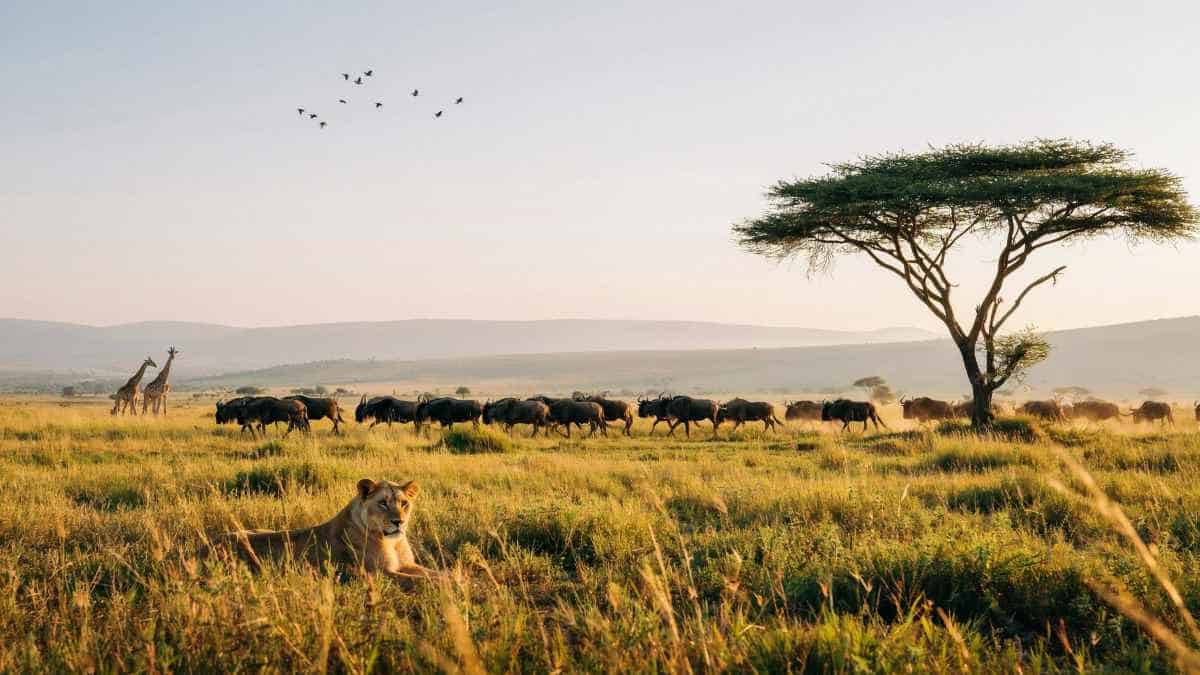
Tanzania is experiencing one of its busiest travel periods of the year as the country’s renowned Northern Safari Circuit and the idyllic beaches of Zanzibar welcome a surge of international visitors during the peak mid-year tourism season. From the world-famous Serengeti National Park and Ngorongoro Crater to Lake Manyara National Park and Mount Kilimanjaro, tourism operators are reporting strong visitor numbers while safari excursions and guided tours continue operating normally.
The peak season coincides with the spectacular Great Migration, one of the world’s most extraordinary wildlife events, attracting photographers, nature enthusiasts and adventure travellers eager to witness millions of wildebeest, zebras and gazelles moving across the Serengeti ecosystem.
With favourable weather, exceptional wildlife viewing and seamless tourism operations, Tanzania continues reinforcing its reputation as one of Africa’s premier safari destinations.
The Great Migration Takes Centre Stage
The annual Great Migration remains Tanzania’s biggest tourism attraction during the mid-year travel season.
Advertisement
Advertisement
Every year, more than a million wildebeest, accompanied by hundreds of thousands of zebras and gazelles, move across the Serengeti ecosystem in search of fresh grazing land. During this period, visitors often witness dramatic river crossings, predator-prey interactions and vast wildlife herds stretching across the plains.
The migration provides some of the world’s finest safari experiences, making July and the surrounding dry-season months among the most sought-after times to visit northern Tanzania.
Advertisement
Advertisement
Professional safari operators continue offering guided game drives that allow visitors to experience this remarkable natural spectacle while following established conservation guidelines.
Serengeti Remains the Star Attraction
The Serengeti National Park continues to be the centrepiece of Tanzania’s tourism industry.
Advertisement
Advertisement
Recognised globally for its extraordinary biodiversity, the park offers visitors opportunities to encounter the famed “Big Five”—lion, leopard, elephant, rhinoceros and buffalo—alongside cheetahs, giraffes, hyenas, hippos and hundreds of bird species.
The dry season improves wildlife visibility as animals gather around rivers and watering holes, creating exceptional opportunities for photography and game viewing.
Luxury lodges, tented camps and mobile safari operators are welcoming visitors while maintaining regular schedules throughout the peak travel period.
Ngorongoro Crater Offers Year-Round Wildlife Viewing
Another highlight of Tanzania’s northern circuit is the Ngorongoro Crater, a UNESCO World Heritage Site renowned for its remarkable concentration of wildlife.
Advertisement
Advertisement
The vast volcanic caldera supports an extraordinary ecosystem where visitors can observe elephants, lions, black rhinos, flamingos and numerous other species within a relatively compact area.
Because wildlife remains within the crater throughout the year, Ngorongoro complements migration-focused itineraries by offering consistently rewarding safari experiences regardless of seasonal animal movements.
Its proximity to the Serengeti also makes it a popular addition to multi-day safari packages.
Lake Manyara and Kilimanjaro Add Adventure
Beyond the Serengeti and Ngorongoro, Lake Manyara National Park continues attracting visitors with its diverse habitats, tree-climbing lions, elephant populations and abundant birdlife.
Meanwhile, Mount Kilimanjaro, Africa’s highest peak, remains a major draw for trekking enthusiasts from around the world.
The dry mid-year months provide favourable climbing conditions, encouraging both experienced mountaineers and first-time trekkers to attempt the iconic summit.
Advertisement
Advertisement
Together, these destinations broaden Tanzania’s appeal by combining wildlife safaris with adventure tourism.
Zanzibar Complements the Safari Experience
After exploring mainland Tanzania, many international travellers extend their holidays with a stay in Zanzibar.
The Indian Ocean archipelago offers:
- White-sand beaches
- Crystal-clear waters
- Coral reefs
- Luxury resorts
- Historic Stone Town
- Spice plantations
- Diving and snorkelling
- Cultural experiences
The combination of safari and beach holidays has become one of Tanzania’s strongest tourism products, appealing to honeymooners, families and luxury travellers alike.
Direct domestic flights between safari regions and Zanzibar make combining the two experiences convenient and efficient.
Tourism Operations Continue Normally
Despite increased visitor numbers during the peak season, safari operators, hotels and tour companies across Tanzania continue functioning normally.
Advertisement
Advertisement
National parks remain fully accessible, guided safaris are operating according to schedule and tourism infrastructure is accommodating the seasonal influx of visitors.
Authorities and tourism stakeholders continue working together to ensure visitors enjoy safe, organised and high-quality travel experiences while supporting wildlife conservation and sustainable tourism practices.
Tourism Supports Tanzania’s Economy
Tourism remains one of Tanzania’s most important economic sectors, contributing significantly to employment, foreign exchange earnings and community development.
The industry’s continued success supports:
- National park conservation
- Local tour operators
- Hospitality businesses
- Community tourism initiatives
- Transport services
- Cultural enterprises
Peak travel periods such as the current safari season generate substantial economic activity while reinforcing Tanzania’s standing as one of Africa’s leading wildlife destinations.
Key Stats
- Tanzania is experiencing its peak mid-year safari tourism season.
- The Great Migration is attracting international visitors to the Serengeti National Park.
- Major northern circuit destinations—including Serengeti, Ngorongoro Crater, Lake Manyara and Mount Kilimanjaro—are welcoming high tourist volumes.
- Zanzibar continues to receive strong demand as a beach extension to safari holidays.
- Safari tours and tourism operations are functioning normally across the country.
FAQ
1. Why is this the best time to visit Tanzania?
The dry season coincides with the Great Migration, excellent wildlife viewing, comfortable weather and ideal conditions for safaris, trekking and beach holidays.
Advertisement
Advertisement
2. Which destinations are busiest during the peak season?
The Serengeti National Park, Ngorongoro Crater, Lake Manyara National Park, Mount Kilimanjaro and Zanzibar are among Tanzania’s most visited destinations during the mid-year tourism period.
3. Are safaris operating normally?
Yes. Safari operators, national parks, tour companies and accommodation providers are operating normally while welcoming increased numbers of domestic and international visitors.
Timeline and Events
- Mid-Year 2026: Tanzania enters its peak safari and tourism season.
- Dry Season: The Great Migration draws visitors to the Serengeti for world-famous wildlife viewing.
- Current Season: Ngorongoro Crater, Lake Manyara and Mount Kilimanjaro experience strong tourist demand.
- Ongoing: Zanzibar continues welcoming travellers seeking beach holidays alongside safari adventures.
Conclusion
Tanzania’s peak mid-year tourism season once again showcases why the country remains one of the world’s most celebrated wildlife and adventure destinations. With the Great Migration unfolding across the Serengeti, exceptional game viewing in the Ngorongoro Crater, unforgettable experiences at Lake Manyara and Mount Kilimanjaro, and the tropical beaches of Zanzibar providing the perfect coastal escape, the country offers an unmatched blend of nature, adventure and relaxation. As safari operators and tourism businesses continue running smoothly, visitors can confidently explore Tanzania’s iconic attractions while contributing to conservation efforts and local communities. The current season reinforces Tanzania’s position as a premier destination for travellers seeking authentic African safari experiences combined with world-class hospitality and breathtaking natural beauty.
Advertisement
