

Ukraine Teams Up With Sudan and Other Countries In a Joint Global Security Forum To Tackle Mutual Crises

Published
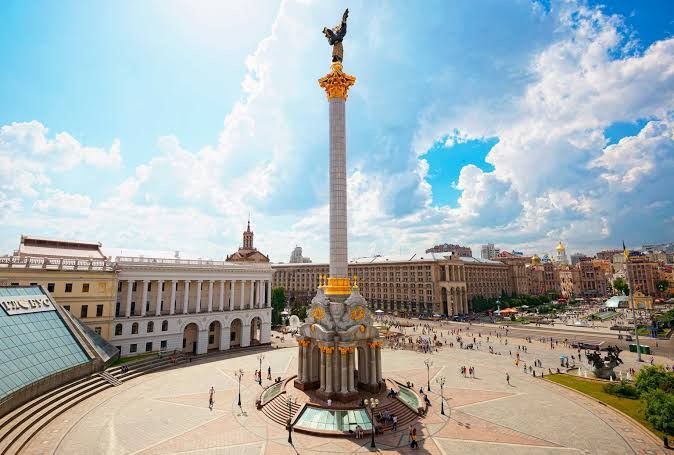
Ukraine participates in historic joint global security forum with Sudan and other countries to address mutual crises impacting international stability. Delegates are addressing urgent security threats, humanitarian emergencies, and cross-border conflicts through collaborative strategies and diplomatic frameworks. This unprecedented international cooperation highlights the growing necessity of multilateral alliances in mitigating modern geopolitical instability.
Ukraine participates in a historic international coalition with Sudan, the Democratic Republic of the Congo, and Yemen addressing shared geopolitical conflicts and humanitarian disasters. This united diplomatic summit confronts escalating interstate warfare, widespread internal state collapse, and regional insecurity undermining global commerce and civilian safety. Through collective policy dialogues, participating nations seek to establish robust multilateral frameworks, secure critical resource corridors, and mobilize international aid to alleviate catastrophic civilian suffering worldwide.
Global security landscapes are currently experiencing unprecedented volatility as protracted conflicts, state fragmentation, and resource scarcity converge to threaten international stability. Four nations stand out at the epicenter of these modern crises, each grappling with catastrophic humanitarian conditions and systemic geopolitical instability that continue to reverberate far beyond their respective borders.
Why has Ukraine become a defining test for European security?
Ukraine remains the primary theater of intense high-intensity conventional conflict following the escalations of interstate warfare. The frontline spans hundreds of miles of heavily fortified territory, characterized by unprecedented integration of autonomous drones, electronic warfare, and artillery attrition. Strategic targeting of civilian infrastructure has deliberately crippled electrical grids, water treatment facilities, and municipal heating networks ahead of harsh winter seasons.
Advertisement
Advertisement
Massive internal displacement and millions of refugees fleeing across European borders have placed an extraordinary strain on regional economies and social support structures. Meanwhile, extensive agricultural tracts remain heavily contaminated with unexploded ordnance and landmines, severely threatening global grain exports and international food security.
How did Sudan descend into complete internal state collapse?
Sudan has suffered a catastrophic descent into widespread civil war driven by a bitter power struggle between rival military and paramilitary factions. The conflict has completely dismantled central governance across Khartoum and regional hubs, turning densely populated urban neighborhoods into active battlefields. Millions have been forced to flee their homes, creating one of the worst displacement and humanitarian emergencies in modern history.
Advertisement
Advertisement
Widespread food insecurity, acute malnutrition, and the looming threat of mass famine endanger vulnerable civilian populations across multiple provinces. Furthermore, horrific accounts of targeted ethnic violence, particularly within the Darfur region, underscore the profound breakdown of basic human rights and civil protection mechanisms.
“The recent joint security initiative between Ukraine and nations like Sudan marks a fascinating shift toward cross-continental geopolitical collaboration. Rather than fighting isolated battles, countries burdened by state fragmentation and interstate warfare are discovering shared value in collective diplomatic pressure and resource intelligence sharing. From a strategic perspective, uniting disparate crisis zones under a single umbrella forum helps amplify their collective voice on the global stage, challenging traditional power centers to pay closer attention. Yet, turning high-level declarations into tangible on-the-ground stability remains an uphill battle when domestic infrastructure is shattered and regional actors continue to fuel proxy conflicts. It forces us to question whether bureaucratic forums can genuinely outpace the rapid escalation of modern hybrid warfare and humanitarian collapse.”
Advertisement
Advertisement
— Anup Kumar Keshan, Founder and Editor-in-Chief, Travel And Tour World
What fuels the chronic violence across the Democratic Republic of the Congo?
The eastern provinces of the Democratic Republic of the Congo remain crippled by a complex network of sub-national insurgencies and profit-driven militia groups. Decades of institutional weakness and porous borders allow armed factions to exploit lucrative mineral deposits—including cobalt and coltan—to finance ongoing conflict and illicit weapons procurement.
Civilians continually bear the devastating brunt of localized massacres, systemic sexual violence deployed as a weapon of war, and forced recruitment of child soldiers. International peacekeeping missions face immense operational hurdles in asserting state sovereignty, leaving vulnerable communities stranded amidst recurring humanitarian crises and localized health epidemics.
For official global updates and diplomatic resources regarding international security forums, consult the United Nations Security Council.
Advertisement
Advertisement
Why does Yemen remain a critical global security flashpoint?
Yemen remains deeply fractured following a decade of devastating civil conflict involving internationally recognized authorities, separatist factions, and regional movement networks. The domestic economy lies in absolute ruins, leaving the vast majority of the population entirely dependent on foreign humanitarian assistance and international aid organizations.
Critical healthcare and sanitation infrastructures have experienced near-total collapse, triggering severe malnutrition and preventable disease outbreaks across rural and urban governorates alike. Additionally, military escalations tied to regional maritime routes have turned surrounding waters into high-risk security zones, directly threatening global shipping lanes and international commerce.
| Country / Region | Primary Security Threat Category | Core Conflict Drivers & Dynamics | Humanitarian & Global Spillover Impact |
| Ukraine | Interstate Conventional Warfare | High-intensity military frontlines, massive autonomous drone deployment, and systematic infrastructure targeting | Severe refugee displacement, regional economic strain, and extensive agricultural landmine contamination |
| Sudan | Internal Civil War & State Collapse | Violent power struggle between rival military and paramilitary factions in urban centers | Massive civilian displacement, acute malnutrition, famine risks, and targeted ethnic violence |
| Democratic Republic of the Congo (DRC) | Sub-national Insurgencies | Armed non-state militias exploiting porous borders and mineral resources (cobalt and coltan) | Localized massacres, systemic sexual violence, forced child soldier recruitment, and governance failure |
| Yemen | Fragmented Governance & Proxy Conflict | Decade-long civil conflict involving domestic authorities, separatist groups, and regional actors | Institutional collapse, foreign aid dependency, and maritime security threats disrupting global trade |
The formation of a specific strategic coalition is an extremely significant step in terms of international diplomacy, which is destined to counteract a number of serious global issues, including destructive wars, disintegration of states, and critical humanitarian crises. However, in order to guarantee the stability of the situation in all parts of the world, it is necessary to provide countries with sufficient support and participation in the ongoing events. The establishment of a permanent international coalition will address a wide range of diplomatic, military, and economic challenges and provide the basis for the restored stability of all participating states.
The growing number of international incidents such as war, prolonged hostilities, and government collapses has raised concerns about long-standing global instability. In this context, the organization of collective international actions is the only way to neutralize further crises and limit the negative consequences for all participating countries. To summarize, it is clear that single-handed efforts are not enough to confront modern global threats and challenges.
Advertisement
