
Africa’s Visa-Free Travel Movement Accelerates as Countries Open Borders to Boost Tourism and Regional Connectivity: All You Need to Know

Published
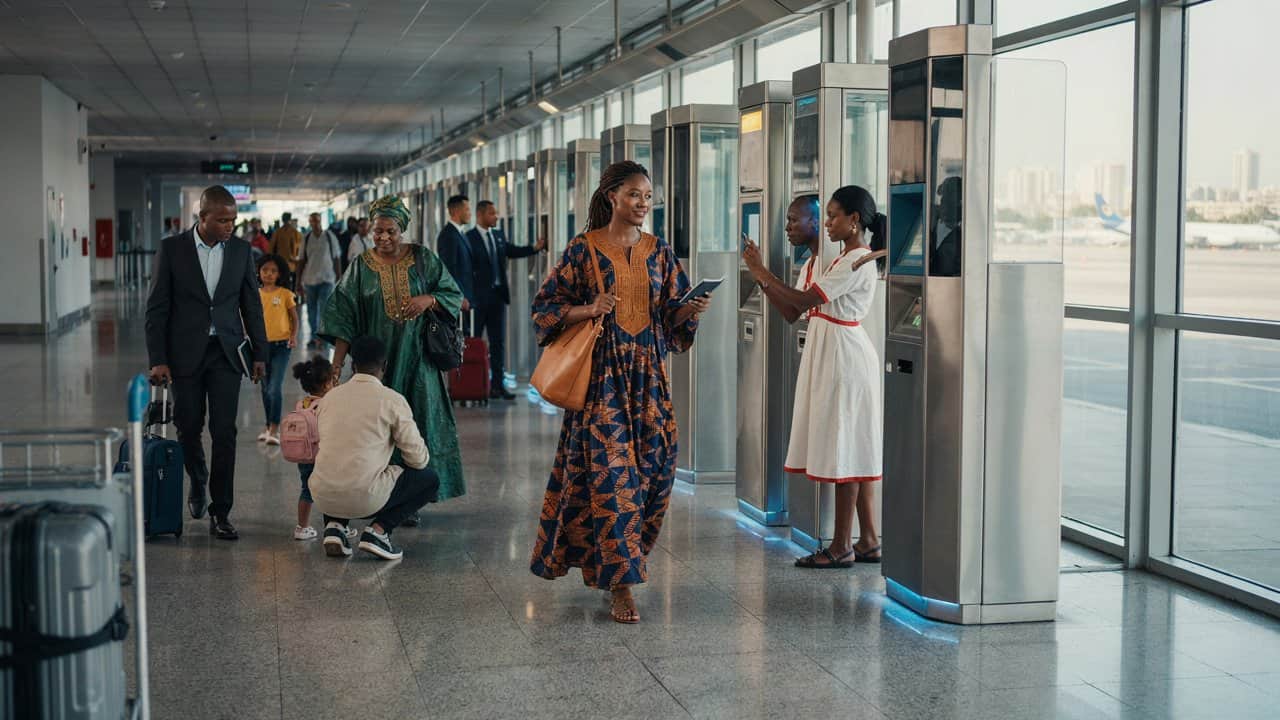
Africa is entering a new phase of tourism development as countries across the continent work towards easier cross-border movement, creating new opportunities for travellers, businesses and regional economies. The push for visa-free travel is becoming a major part of Africa’s integration strategy, with the African Union promoting greater mobility among member states.
For decades, complex visa procedures have limited how easily Africans can explore neighbouring countries. The growing visa-free travel movement aims to reduce these barriers, strengthen regional tourism and encourage more people to discover Africa’s diverse landscapes, cultures and heritage.
The initiative is expected to influence tourism by making multi-country journeys easier, supporting local economies and encouraging travellers to explore destinations beyond traditional international routes.
African Union Vision Drives New Era of Continental Travel Freedom
The African Union’s Visa-Free Africa initiative is designed to transform movement across the continent by reducing restrictions on Africans’ ability to travel, work and live within Africa. The programme forms part of the wider Agenda 2063 vision for deeper economic and social integration.
Advertisement
Advertisement
The African Union’s free movement framework focuses on:
| Key Area | Tourism Impact |
|---|---|
| Easier border movement | More regional travel opportunities |
| Reduced visa barriers | Simpler holiday planning |
| Better connectivity | Growth of multi-country trips |
| Stronger regional links | Increased cultural exchange |
| Economic integration | More tourism investment |
The goal is to create a more connected continent where tourism can expand through easier movement between African destinations.
Advertisement
Advertisement
Visa-Free Africa Could Transform Intra-African Tourism Growth
Africa has some of the world’s most diverse tourism assets, including wildlife reserves, beaches, ancient cities, deserts and cultural destinations. However, travel within the continent has often been restricted by visa requirements and complicated border processes.
The expansion of easier travel policies could encourage more Africans to discover destinations closer to home.
Potential tourism benefits include:
| Tourism Opportunity | Expected Benefit |
|---|---|
| Regional holidays | More African travellers exploring neighbouring countries |
| Multi-country itineraries | Stronger cross-border tourism packages |
| Cultural tourism | Increased exchange between communities |
| Business travel | Easier movement for tourism professionals |
| Aviation growth | Greater demand for regional flights |
The African Union identifies free movement as a tool to boost tourism, trade and social integration across the continent.
Ghana Expands Visa Access to Strengthen Pan-African Travel Connections
Ghana has emerged as one of the countries supporting wider African mobility. The country announced plans to introduce visa-free entry for African nationals, strengthening its position as a hub for regional tourism and cultural exchange.
The move supports Ghana’s ambition to attract more African visitors while encouraging:
Advertisement
Advertisement
- Cultural tourism
- Business travel
- Heritage exploration
- Regional events
- Diaspora connections
Ghana already holds strong appeal among travellers through destinations such as Accra, Cape Coast, Kakum National Park and historic heritage locations.
Simplified entry procedures could make these experiences more accessible for visitors from across Africa.
Rwanda Builds Reputation as a Leader in Open Travel Policies
Rwanda has become one of Africa’s most recognised examples of tourism-friendly mobility policies.
The country has promoted easier access for African travellers while positioning itself as a destination for business events, wildlife tourism and cultural experiences.
Rwanda attracts visitors through:
| Attraction | Tourism Appeal |
|---|---|
| Volcanoes National Park | Gorilla trekking experiences |
| Kigali | Clean city experiences and conferences |
| Lake Kivu | Nature and relaxation |
| Cultural sites | Heritage tourism |
Greater regional mobility supports Rwanda’s wider tourism strategy by encouraging more African visitors alongside international travellers.
Advertisement
Advertisement
Morocco Strengthens Africa’s Global Tourism Appeal
Morocco remains one of Africa’s leading tourism destinations, attracting visitors through its combination of historic cities, coastal experiences and desert adventures.
Popular destinations include:
- Marrakech
- Casablanca
- Rabat
- Agadir
- Sahara regions
While Morocco’s tourism success has been strongly linked to international markets, improved continental connectivity could create additional opportunities for African travellers.
Easier regional travel could encourage more visitors to combine Morocco with other African destinations.
Kenya and East Africa Benefit From Easier Regional Travel
East Africa has significant potential for regional tourism growth due to its combination of wildlife, beaches and cultural experiences.
Countries such as Kenya, Tanzania, Uganda and Rwanda offer opportunities for combined travel routes.
Advertisement
Advertisement
Examples include:
| Travel Route | Experience |
|---|---|
| Kenya and Tanzania | Safari and coastal holidays |
| Rwanda and Uganda | Gorilla tourism |
| Kenya and Rwanda | Wildlife and cultural journeys |
| East African circuits | Multi-country adventures |
Simplified movement could encourage travellers to create longer regional itineraries rather than visiting only one destination.
African Tourism Leaders Focus on Removing Barriers for Travellers
The movement towards easier travel is not only about tourism. It is also connected with broader economic development goals.
The African Development Bank and African Union have renewed calls for visa-free travel, highlighting mobility as important for tourism, trade and economic transformation.
Improved mobility could support:
- Tourism investment
- Hospitality development
- Airline expansion
- Local employment
- Cross-border partnerships
Tourism growth depends not only on attractions but also on how easily visitors can reach and explore destinations.
Advertisement
Advertisement
Challenges Remain Before a Fully Connected Africa Becomes Reality
Although progress is being made, a fully visa-free Africa requires cooperation between countries, improved border systems and stronger regional agreements.
Challenges include:
| Challenge | Impact |
|---|---|
| Different immigration systems | Slower implementation |
| Security concerns | Need for coordinated border management |
| Limited transport links | Higher travel costs |
| Infrastructure gaps | Reduced accessibility |
| Policy differences | Uneven adoption |
The African Union continues working with member states to advance free movement frameworks.
Better Air Connectivity Is Essential for Africa’s Tourism Future
Visa reforms alone cannot transform travel without improved transport connections.
Many African travellers face challenges related to:
- Limited direct flights
- High airfare costs
- Long connections
- Uneven transport networks
Stronger aviation links would help translate easier visa access into actual tourism growth.
Advertisement
Advertisement
Regional airlines, improved airports and stronger transport partnerships will play an important role in creating a more connected tourism market.
Visa-Free Travel Could Unlock New African Tourism Experiences
Africa’s tourism future could become increasingly regional as travellers discover more destinations within the continent.
Potential growth areas include:
- Safari circuits
- Coastal tourism routes
- Cultural journeys
- Heritage trails
- Adventure travel
Instead of travelling to one country, visitors could increasingly explore several destinations during a single trip.
This could create a tourism model similar to other globally connected regions where easier movement encourages longer and more diverse journeys.
Frequently Asked Questions
1. What is the Visa-Free Africa movement?
The Visa-Free Africa movement is an African Union initiative focused on reducing restrictions on movement between African countries and improving continental integration.
Advertisement
Advertisement
2. How can visa-free travel help African tourism?
Easier entry rules can encourage more regional travel, increase tourism spending and make multi-country journeys easier.
3. Which African countries are promoting easier travel policies?
Countries including Ghana and Rwanda have introduced or supported policies aimed at improving mobility for African travellers.
4. Will all African countries become visa-free destinations?
The transition depends on individual country decisions, regional agreements and implementation of continental mobility frameworks.
5. Can international tourists benefit from Africa’s visa-free movement?
The initiative mainly focuses on African citizens, but improved regional connectivity and tourism infrastructure can also benefit international visitors.
Conclusion
Africa’s visa-free travel movement represents a major shift in how the continent approaches tourism, connectivity and regional cooperation. By reducing travel barriers, countries are creating opportunities for more Africans to explore their own continent while strengthening tourism economies.
From Ghana’s cultural attractions to Rwanda’s wildlife experiences and Morocco’s heritage landscapes, easier movement could unlock a new era of African travel. As governments continue improving mobility systems, the future of tourism in Africa is increasingly connected, accessible and experience-driven.
Advertisement
