
India Medical Tourism Expands With Robotic Surgery and Complex Care

Published
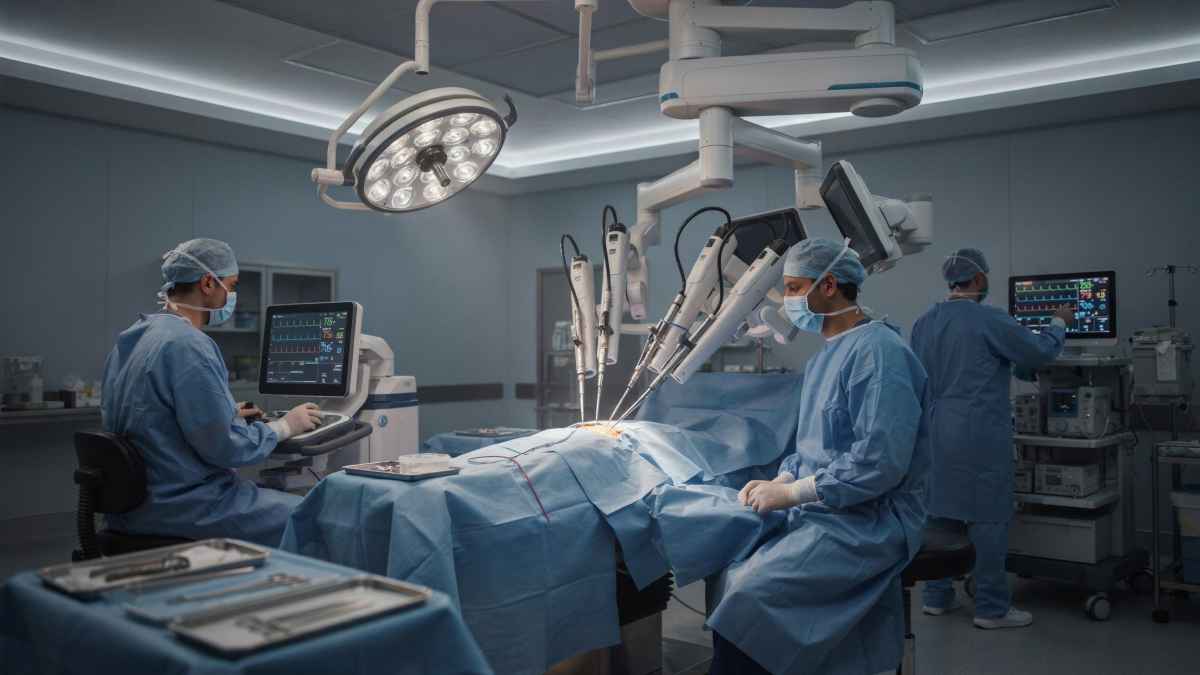
Image generated with Ai
Medical tourism has evolved significantly in India with the creation of a complete ecosystem of medical travel that includes advanced tertiary hospitals, specialised surgery, cardiac treatments, organ transplants and recovery. The concept of Medical Value Travel from the government of India aims to streamline the entire process of medical travel for foreign patients, while large healthcare groups are building specialised facilities in major cities. In turn, foreign patients can stay in India for an extended period, benefiting from assisted travel, accommodations and recovery programs, which complement the traditional hospital setting in India through Ayurveda and yoga.
Heal in India Supports Medical Value Travel
India’s Heal in India initiative is designed to position the country as a destination for international healthcare and create a more integrated medical travel system. The government’s official Medical Value Travel portal provides information intended to help international patients navigate treatment in India.
Advertisement
Advertisement
India has also expanded electronic medical visa access. According to government information released in 2024, e-medical and e-medical attendant visa facilities were available to nationals of 167 countries.
The country recorded 635,000 foreign tourist arrivals for medical purposes in 2023, compared with 475,000 in 2022. The figures indicate the growing scale of healthcare-related international travel to India.
Advertisement
Advertisement
Robotic Surgery Expands Across Major Cities
Robotic-assisted surgery is now part of the specialist services available at several major Indian hospitals. Procedures involving orthopaedics, urology, general surgery and other specialities can be performed using robotic systems where clinically appropriate.
Advertisement
Advertisement
For international patients, robotic surgery adds another option for procedures requiring precise surgical planning and minimally invasive techniques. Hospitals in Delhi-NCR, Mumbai, Chennai and other major healthcare centres have invested in advanced operating infrastructure alongside specialist surgical teams.
Treatment suitability depends on the patient’s medical condition, diagnostic assessment and the recommendation of the treating surgical team.
Cardiac Care Drives Complex Medical Travel
Cardiology and cardiac surgery remain important components of India’s international healthcare market. Major hospital groups provide services ranging from diagnostic cardiology and interventional procedures to complex cardiac surgery.
Advertisement
Advertisement
Transcatheter aortic valve replacement, minimally invasive cardiac procedures and coronary interventions are among the specialist treatments available at selected Indian centres.
For overseas patients, the medical journey can involve pre-arrival medical record assessment, remote consultation, diagnostic testing after arrival, treatment and supervised recovery before the return journey.
Advertisement
Advertisement
This structure can be particularly relevant for patients travelling with family members who require accommodation close to the hospital during the treatment period.
Organ Transplantation Adds Another International Patient Segment
India is also an established destination for complex organ transplantation, particularly liver and kidney transplantation. Major transplant centres operate multidisciplinary teams covering surgery, critical care, immunology, diagnostics and post-transplant monitoring.
Living-donor transplantation requires extensive medical evaluation and regulatory procedures. International patients must therefore complete the necessary documentation and eligibility processes before treatment can proceed.
The length of stay can also extend beyond the operation itself because patients require monitoring and follow-up care before they are medically cleared for travel.
Wellness Becomes Part of Recovery Travel
India’s medical tourism ecosystem increasingly overlaps with wellness tourism. After completing hospital treatment, some international visitors may choose to spend additional time at wellness properties offering yoga, Ayurveda, meditation, nutrition programmes and supervised physiotherapy.
Advertisement
Advertisement
Destinations such as Bengaluru, Kerala and Uttarakhand provide established wellness infrastructure, while major cities remain the principal gateways for specialist hospital care.
A post-treatment wellness stay, however, must be planned around medical advice. Patients recovering from major cardiac, orthopaedic or transplant procedures may have restrictions on travel, physical activity, diet and altitude.
Key Stats
- 635,000: Foreign tourist arrivals recorded for medical purposes in India in 2023.
- 475,000: Medical-purpose foreign tourist arrivals recorded in 2022.
- 167 countries: Nationals eligible for India’s e-medical and e-medical attendant visa facility according to government information published in 2024.
- 2026: India continues to develop its Medical Value Travel ecosystem through government-backed digital and healthcare initiatives.
Travel Details for International Patients
Access to major tertiary hospitals and a connection via the Indira Gandhi International Airport can be provided by Delhi and Gurugram. Also, Mumbai can offer itself as a major international gateway due to its many private hospitals, whereas Chennai has managed to create a reputation in regard to speciality medicine and medical travel. The international patient should make sure that he or she organises a hospital visit and treatment plan prior to booking of flights. Medical documents, diagnostic results, passport information, and visa regulations are supposed to be completed beforehand. In addition, the proximity of accommodation to the chosen hospital may prevent additional travel at the beginning of the recovery process. For those who have companions travelling with them, there are several accommodation types like hotels, serviced apartments, and long-stay properties in major medical districts. Thus, it is possible to say that medical tourism in India goes beyond procedures. Robotic surgery, cardiological procedures, transplantation, specialised diagnostics, and recovery are becoming integrated parts of international healthcare.
Advertisement
