
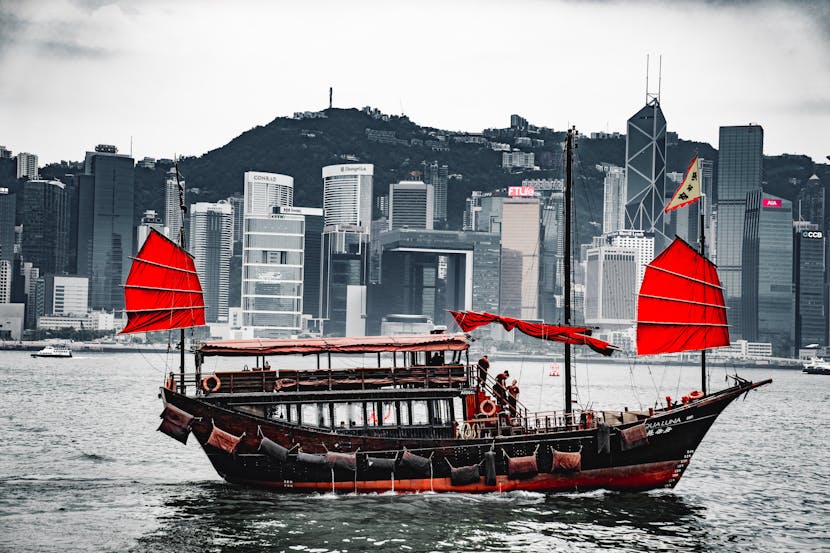
Image generated with Ai
Hong Kong has emerged as a powerhouse in the tourism sector, significantly outpacing other popular destinations like India, Sri Lanka, China, Malaysia, Vietnam, Cambodia, Laos, and Thailand. Driven by strategic policies, enhanced connectivity, revitalized cruise itineraries, and world-class amusement parks, Hong Kong continues to attract a growing influx of tourists, solidifying its position as a global travel hub.
Hong Kong’s recent success in surpassing tourism targets has been notable, especially post-pandemic. With measures such as the resumption of the multiple-entry visa scheme for Shenzhen residents, the city saw a 17% surge in mainland Chinese tourist arrivals in December 2024. This figure places Hong Kong ahead of regional competitors like Thailand, Vietnam, and Malaysia, which have struggled to maintain consistent tourism growth due to geopolitical or economic challenges.
Advertisement
The city welcomed hundreds of thousands of visitors during key festive seasons, such as Christmas and New Year, proving its capacity to attract both regional and international tourists.
Comparative Analysis:
Advertisement
Advertisement
Hong Kong has experienced a significant rebound in tourist arrivals throughout 2024, signaling a robust recovery in its tourism sector post-pandemic. The city’s strategic initiatives and policy adjustments have played a pivotal role in revitalizing international interest and visitor numbers.Airline Region Key Routes Service Type Cathay Pacific Global Europe, North America, Asia, Oceania Full-Service Hong Kong Airlines Asia-Pacific China, Japan, South Korea, Thailand Full-Service Air China China Beijing, Shanghai, Chengdu Full-Service China Southern China Guangzhou, Shenzhen, Wuhan Full-Service China Eastern China Shanghai, Kunming, Hangzhou Full-Service Singapore Airlines Southeast Asia Singapore to Hong Kong Full-Service Scoot Southeast Asia Singapore, Kuala Lumpur Low-Cost Carrier Thai Airways Southeast Asia Bangkok to Hong Kong Full-Service AirAsia Southeast Asia Kuala Lumpur, Bangkok, Manila Low-Cost Carrier VietJet Air Southeast Asia Hanoi, Ho Chi Minh City Low-Cost Carrier Japan Airlines (JAL) East Asia Tokyo, Osaka to Hong Kong Full-Service ANA East Asia Tokyo (Narita & Haneda) to Hong Kong Full-Service Korean Air East Asia Seoul to Hong Kong Full-Service Asiana Airlines East Asia Seoul to Hong Kong Full-Service Qatar Airways Middle East Doha to Hong Kong Full-Service Emirates Middle East Dubai to Hong Kong Full-Service Etihad Airways Middle East Abu Dhabi to Hong Kong Full-Service British Airways Europe London to Hong Kong Full-Service Lufthansa Europe Frankfurt, Munich to Hong Kong Full-Service Air France Europe Paris to Hong Kong Full-Service United Airlines North America San Francisco to Hong Kong Full-Service Delta Airlines North America Seattle to Hong Kong Full-Service American Airlines North America Dallas/Fort Worth, Los Angeles Full-Service Qantas Australia Sydney, Melbourne to Hong Kong Full-Service Virgin Australia Australia Brisbane to Hong Kong Full-Service Turkish Airlines Global (via Istanbul) Istanbul to Hong Kong Full-Service
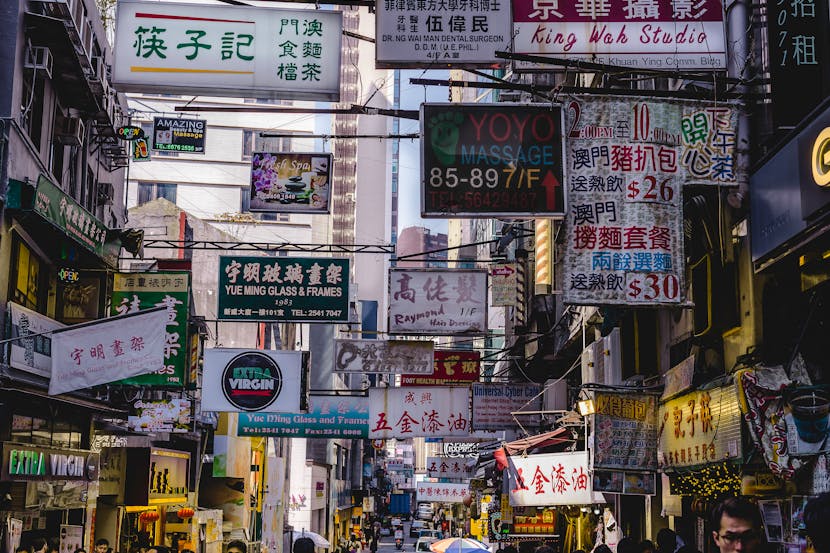
Image generated with Ai
In the first half of 2024 (January to June), Hong Kong welcomed approximately 21 million visitors, marking a 64% increase compared to the same period in the previous year. This translates to a daily average of about 116,000 visitors.
By September 2024, the monthly visitor arrivals reached approximately 3 million, reflecting a steady upward trend in tourism activities.
Mainland China continues to be a dominant source of visitors to Hong Kong. In 2023, arrivals from mainland China were around 26.76 million. The first half of 2024 saw this number rise to 16.1 million, indicating sustained growth.
Advertisement
Advertisement
In May 2024 alone, out of 3.4 million total visitors, approximately 2.63 million were from mainland China, accounting for a significant portion of the influx.
Despite the positive trajectory, current visitor numbers have not yet returned to pre-pandemic figures. In 2018, Hong Kong recorded an all-time high of 2.91 million visitors in December. As of October 2024, the city registered 1.88 million visitors, indicating room for growth to reach former peaks.
Efforts to Enhance Tourism Appeal
To further boost tourism, Hong Kong has implemented several initiatives:
Here is the requested table summarizing the tourist arrival data to Hong Kong:Time Period Visitor Arrivals Key Highlights January – June 2024 21 million 64% increase compared to the previous year. May 2024 3.4 million 2.63 million arrivals from mainland China alone. June 2024 3.13 million 14% year-on-year increase in visitor arrivals. August 2024 4.45 million 9.2% growth from August 2023. Full Year 2023 26.76 million (China) Mainland China remains the dominant source market. Pre-Pandemic December 2.91 million (2018) All-time high monthly arrivals recorded pre-2019.
Hong Kong’s tourism sector is on a promising path to recovery, with significant increases in visitor arrivals throughout 2024. While the numbers have not yet reached pre-pandemic levels, the upward trend and strategic efforts indicate a resilient and adaptive industry poised for continued growth. Image generated with Ai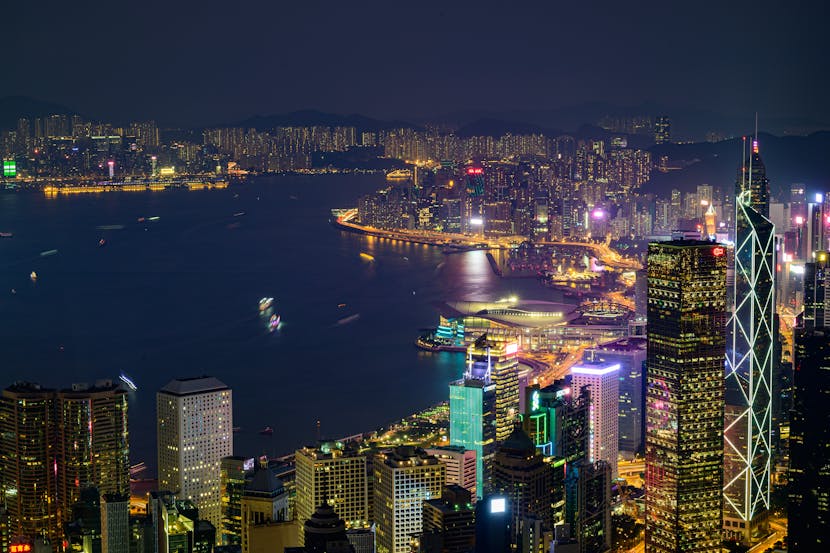
Hong Kong’s status as a major international aviation hub has been strengthened by new airline connections, boosting its accessibility from key global markets. In 2024, airlines expanded their services to and from Hong Kong, connecting the city to more destinations across Asia, Europe, and the Middle East.
Key Developments in Airline Connectivity:
This expanded connectivity has helped Hong Kong attract tourists from regions like South Asia, where direct access to destinations like Malaysia and Vietnam remains limited.
Hong Kong has also outperformed regional competitors by successfully revitalizing its cruise tourism sector. With the city’s state-of-the-art Kai Tak Cruise Terminal and Victoria Harbour serving as major attractions, cruise operators have reintroduced luxury itineraries catering to both domestic and international markets.
Cruise Highlights:
Unlike Sri Lanka, Cambodia, or Laos, where cruise infrastructure is underdeveloped, Hong Kong’s investment in modern terminals has solidified its position as Asia’s leading cruise hub.
One of Hong Kong’s greatest competitive advantages lies in its world-class amusement parks, which attract families, international travelers, and returning visitors.
Compared to neighboring destinations like Vietnam and Cambodia, where amusement park development remains in its infancy, Hong Kong’s offerings are unparalleled. Even established tourism hubs like Thailand and Malaysia lack the brand power of Disneyland, giving Hong Kong a significant edge in family tourism.
Hong Kong’s tourism industry witnessed a significant boost as mainland Chinese tourist arrivals surged following the resumption of the multiple-entry visa scheme for Shenzhen residents. On December 7, nearly 145,000 mainland visitors crossed into Hong Kong, marking an 11% increase over previous weeks and a 16.7% rise compared to November 30, just before the new visa policy took effect.
On Saturday alone, Hong Kong welcomed over 138,180 visitors from the mainland, with 60% using land crossings, reflecting the strategic importance of border accessibility. The revival of the visa scheme, which allows Shenzhen residents to make unlimited visits within a year instead of the previous one-trip-per-week rule, has reinvigorated cross-border travel.
The visa policy change, implemented on December 1, aims to bolster Hong Kong’s economy through increased tourism. Previously shelved in 2015 due to complaints about border trade disruptions, the multiple-entry visa scheme now stands as a vital measure to restore tourism momentum post-pandemic.
The weekend of December 7 and 8 saw mainland tourists flocking to iconic Hong Kong attractions. Areas like Tsim Sha Tsui were particularly vibrant, with thousands of visitors posing for pictures along Victoria Harbour and embarking on sightseeing boat tours.
Wong Mei-tung, a 53-year-old boat tour operator, reported unprecedented demand for her 40-minute harbour tours priced at HK$150 (US$19.30). “I noticed many Shenzhen tourists boarding, which was unusual before. They seemed excited to re-experience Victoria Harbour, even if they had visited before,” Wong said.
In addition to boat rides, Christmas-themed attractions proved a significant draw. Thousands gathered at Harbour City’s promenade, snapping photos of the festive decorations and enjoying the vibrant holiday atmosphere. Star Ferry vessels connecting Tsim Sha Tsui to Wan Chai were also packed with visitors seeking panoramic views of Hong Kong’s skyline.
For many mainland tourists, the visa scheme’s convenience has removed previous travel barriers, encouraging quick, hassle-free visits. Locky Huang, a 23-year-old graduate from Shenzhen, praised the policy for eliminating tedious paperwork.
“The multi-entry visa makes travel easier. I plan to visit for day trips to save on hotel costs. I’ve seen most of Hong Kong before, but I’ll come back to shop or relax,” Huang said.
Helen Zhang, a 26-year-old online retailer from Jiangxi province, made her second trip to Hong Kong since the pandemic. The festive Christmas decorations, a rarity in mainland China, were her primary reason for visiting. “We don’t celebrate Christmas or get a holiday on December 25, so we came here to take photos and enjoy the holiday vibes,” Zhang explained.
Zhang also expressed hope that the visa scheme would expand to other mainland cities. “If access were easier for residents beyond Shenzhen, we would visit more frequently. Hong Kong’s relaxed atmosphere suits travelers with diverse budgets.”
Chen Raowa, 24, visited Hong Kong from Guangzhou for the first time with three friends. The group toured Victoria Harbour, Harbour City’s decorations, and Golden Bauhinia Square before exploring Central for local food recommendations, including wonton noodles.
The influence of platforms like Xiaohongshu (a popular Chinese social media app) is increasingly evident, with tourists following curated itineraries and recommendations for must-visit attractions and dining spots.
While the surge in mainland arrivals has revitalized local businesses, tourism leaders emphasize the need for greater diversity in attractions to sustain the momentum. Hong Kong’s reliance on familiar landmarks like Victoria Harbour, Tsim Sha Tsui, and Central remains strong, but repeat visitors seek new, unique experiences.
Local businesses, such as shops and restaurants, have welcomed the increased foot traffic. However, industry experts argue that Hong Kong must evolve its offerings to retain long-term appeal. Diversified experiences — including cultural tourism, culinary tours, and entertainment-focused attractions — are key to maintaining growth.
Chief Executive John Lee Ka-chiu underscored the government’s commitment to strengthening tourism ties with mainland China. During a surprise visit to Tai Kwun in Central and Lee Tung Avenue in Wan Chai, Lee engaged with tourists, encouraging them to return.
Lee highlighted the visa policy’s success, noting that Shenzhen residents appreciated the renewed convenience of frequent travel. “The multiple-entry visa is an essential step in boosting tourism, and we hope more visitors will take advantage of this opportunity to experience Hong Kong’s unique offerings,” Lee said.
His visit followed a recent trip to Beijing, where he met with Chinese President Xi Jinping to discuss measures aimed at revitalizing Hong Kong’s economy. Tourism remains a cornerstone of these recovery efforts, with the central government’s support playing a pivotal role.
The resumption of the Shenzhen multiple-entry visa scheme represents a promising step in Hong Kong’s economic recovery. With over 261,668 mainland tourists arriving during the December 7-8 weekend alone, the potential for sustained growth is evident.
To capitalize on this momentum, Hong Kong must focus on:
Mainland visitors, particularly younger generations, are driven by convenience, affordability, and unique experiences. Their preferences — influenced by social media trends, festive atmospheres, and shopping opportunities — provide valuable insights for shaping Hong Kong’s tourism strategy.
Hong Kong’s vibrant cultural scene and retail offerings continue to set it apart from competitors. Events like the Hong Kong WinterFest and seasonal decorations in Tsim Sha Tsui and Central create festive atmospheres that attract visitors seeking unique experiences.
Key Factors Boosting Tourism:
In contrast, Sri Lanka and Cambodia remain primarily focused on nature and cultural tourism, while Malaysia and Thailand lack the same scale of luxury shopping experiences.
Hong Kong’s strategic initiatives have enabled it to outpace tourism powerhouses like India, Thailand, Vietnam, and Malaysia. By focusing on enhanced airline connectivity, revitalizing cruise itineraries, and offering world-class attractions like Disneyland, Hong Kong has successfully positioned itself as Asia’s premier travel destination.
Its ability to cater to diverse traveler preferences — from luxury shoppers and cruise enthusiasts to budget tourists and families — gives Hong Kong a competitive edge over other regional markets. As global tourism rebounds, Hong Kong’s focus on innovation, infrastructure, and visitor experiences ensures it will remain a top choice for travelers worldwide.
Read Travel Industry News in 104 different regional platforms
Get our daily dose of news, by subscribing to our newsletters. Subscribe here.
Watch Travel And Tour World Interviews here.
Read more Travel News, Daily Travel Alert, and Travel Industry News on Travel And Tour World only.
Advertisement
Tags: Cambodia, china, Hong Kong, Hong Kong Christmas Travel, hong kong tourism, India, Laos, Mainland Chinese Tourists, malaysia, Shenzhen Multiple-Entry Visa, Sri Lanka, Victoria Harbour Tours, Vietnam, visa
Advertisement
Advertisement













Friday, September 4, 2026

Friday, September 4, 2026

Friday, September 4, 2026

Thursday, September 3, 2026

Wednesday, September 2, 2026

Friday, September 4, 2026
Friday, September 4, 2026