
France And Italy Challenge London’s Cultural Pull As BFI Film Festival Boosts UK Travel in 2026

Published
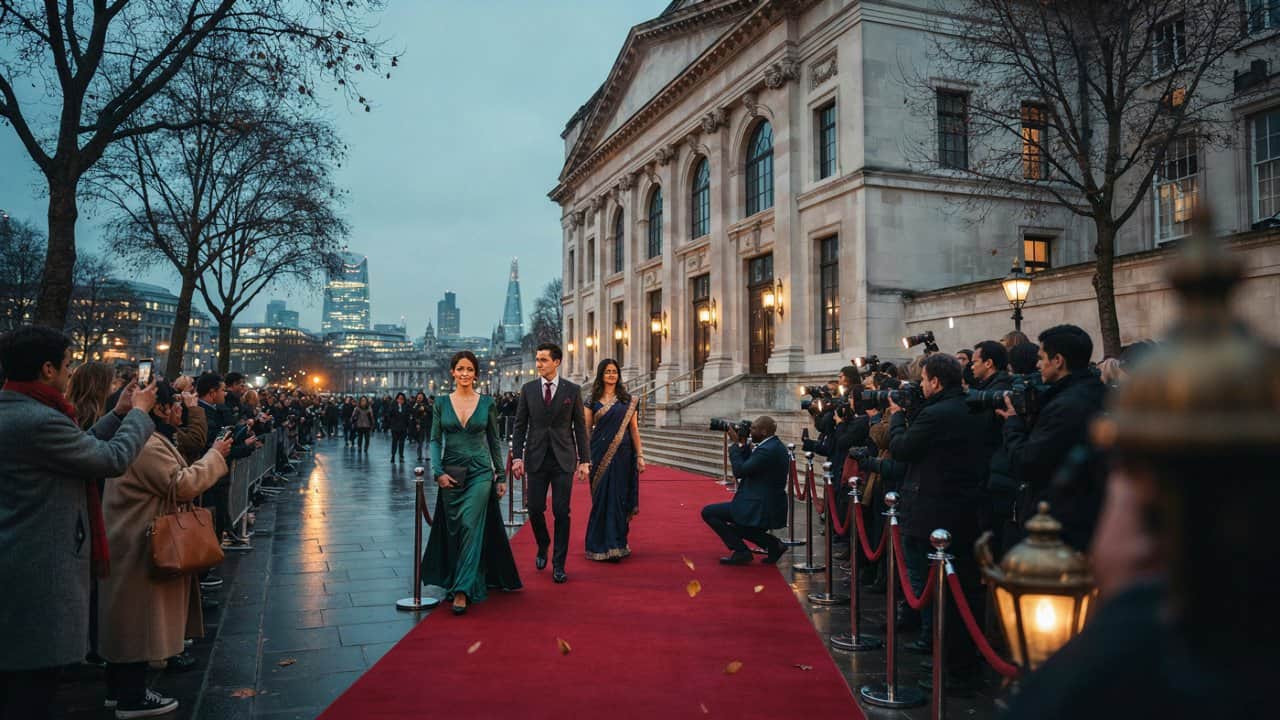
Image generated with Ai
France And Italy Challenge London’s Cultural Pull As BFI Film Festival Boosts UK Travel in 2026.The BFI Film Festival is strengthening London’s role as a major cultural travel hub in 2026, while France and Italy continue to compete through their own internationally recognised film and arts events. The growing festival calendar is encouraging travellers to combine cinema, culture, city breaks and creative experiences. For the United Kingdom, the event supports visitor demand, hotel stays and cultural spending, while reinforcing London’s position within Europe’s highly competitive cultural tourism landscape.
Flagship cultural venues across the English capital are finalizing red carpets and technical staging this week as the British Film Institute (BFI) prepares to launch the historic 70th edition of the BFI London Film Festival (LFF), running from 7 to 18 October 2026. Recognised internationally as Britain’s premier cinematic showcase and one of Europe’s highest-drawing audience festivals, the 12-day cultural event presents an expansive slate of 251 titles hailing from 88 countries.
Advertisement
Advertisement
Beyond its artistic standing, the milestone festival serves as an indispensable economic and screen-tourism driver, drawing international creators, accredited film delegates, and international culture travelers to Greater London during the crucial mid-autumn shoulder season.
Festival Staging, Venues, and Participating Industry Talent
Staged by the BFI—an arm’s-length cultural body supported by the British government’s Department for Culture, Media and Sport (GOV.UK)—the festival avoids an insular, single-site model, embedding screenings across central London and regional UK partner cinemas:
Advertisement
Advertisement
- Central London Hubs: The Southbank cultural quarter forms the administrative and screening spine at BFI Southbank and the BFI IMAX, while world premieres and headline red-carpet Galas anchor the West End across the Royal Festival Hall, the Prince Charles Cinema, Curzon Mayfair, and Vue West End in Leicester Square.
- UK-Wide Hybrid Dispersal: Satellite screenings expand nationwide through the “LFF on Tour” network, connecting audiences simultaneously at partner picturehouses in Manchester, Glasgow, Bristol, Sheffield, and Belfast.
- Participating Talent & Jurors: The 70th edition brings together an elite international delegation of Academy Award-winning and Palme d’Or-winning filmmakers, rising voices, and ensemble casts. Programmed galas feature high-profile cinematic showcases from directors such as Paul Thomas Anderson, Hirokazu Kore-eda, and Susanna White, while industry networking connects over 4,000 international delegates across distribution, financing, and immersive media.
Audited Five-Year Attendance Trajectory (2021–2025)
The festival has witnessed consistent post-pandemic audience expansion, transitioning from hybrid digital contingencies to consecutive physical box-office records:
| Year | Edition | Total UK In-Person & Tour Attendance | Average Venue Occupancy Rate | Audited Growth Dynamics & Structural Factors |
| 2021 | 65th | ~139,400 | 79.0% | Initial hybrid model with social distancing; return of central London physical screenings. |
| 2022 | 66th | ~189,200 | 85.2% | Restoration of full West End galas; strong expansion of the “LFF on Tour” nationwide footprint. |
| 2023 | 67th | ~215,800 | 89.5% | High audience engagement despite international actor strike disruptions in promotional circuits. |
| 2024 | 68th | ~230,342 | 92.0% | Highest in-person audience in a decade; 39% of audiences comprised first-time festival attendees. |
| 2025 | 69th | ~235,853 | 94.0% | All-time historical attendance record; total occupied venue seats surpassed 235,000 over 12 days. |
Audited data compiled from statutory performance reporting released by the British Film Institute (BFI), box-office audit filings, and national screen archive metrics.
Advertisement
Advertisement
International Parallels: Sovereign Cultural Equivalents
While the BFI London Film Festival holds exclusive rights to Britain’s capital platform, several peer sovereign nations stage structurally equivalent tier-one metropolitan film festivals that anchor the international awards season:
- Canada (Toronto International Film Festival – TIFF): North America’s largest public film festival, operating as the Western Hemisphere’s decisive commercial launchpad for autumn releases.
- France (Cannes Film Festival): The premier global cinematic trade market, uniting worldwide buyers and high-art competition along the French Riviera each May.
- Italy (Venice International Film Festival): The world’s oldest film festival, held at Venice Lido as Europe’s autumn launchpad preceding London.
- Germany (Berlin International Film Festival – Berlinale): Europe’s major winter public event, drawing over 300,000 ticketed entries and combining public civic cinema with the European Film Market.
Inbound Traveler Corridors: Origin Demographics
Inbound visitor analytics released by the national tourism agency, VisitBritain (GOV.UK), reveal clear demographic concentrations among traveling festival-goers:
- Western & Northern Europe (France, Germany, Ireland, Benelux): Represents the largest inbound international cohort (over 45% of overseas visitors), heavily utilizing direct Eurostar high-speed rail and short-haul flights into London City and Heathrow for long-weekend cultural itineraries.
- North America (United States & Canada): Constitutes the highest-spending long-haul visitor segment, primarily composed of film trade executives, media journalists, and affluent cultural tourists.
- Domestic Inter-City Rail Corridors: Strong domestic transit feeds into central London terminals (King’s Cross, Euston, Paddington), driven by film societies and university cohorts traveling from the Midlands, North West England, and Scotland.
Macro-Economic and Tourism Impact: Primary Beneficiary
The United Kingdom—and specifically the Greater London Authority and the Southbank/West End hospitality hubs—stands as the primary financial beneficiary of the festival’s economic engine:
- Screen Tourism & Hospitality Spend: According to research published by VisitBritain (GOV.UK), cultural tourists spend on average 28% more per trip than routine mass-leisure travelers. The festival channels over £35 million in direct and indirect consumer transactions into surrounding hotels, West End dining establishments, and transit operators.
- Hotel Occupancy and ADR Elevation: Lodging properties around Waterloo, the South Bank, Covent Garden, and Soho record occupancy surges topping 88% to 92% during the festival’s opening and closing weekends.
- Global Creative Sector Investment: Beyond direct visitor turnstiles, the festival acts as an export incubator. Independent production agreements, foreign pre-sales, and UK tax-credit co-productions finalized during the festival’s industry days contribute millions in multi-year creative production spend across British studios.
France And Italy Challenge London’s Cultural Pull As BFI Film Festival Boosts UK Travel in 2026.London is gaining fresh cultural tourism momentum in 2026 as the BFI Film Festival attracts global attention and supports travel demand across the United Kingdom. France and Italy remain strong European rivals, with major film, art and cultural events drawing international visitors throughout the year. The competition highlights how festivals now influence city breaks, hotel bookings and destination visibility, helping travellers choose between leading European cultural capitals based on entertainment, heritage and seasonal experiences.
Advertisement
