
ANA Crowne Plaza Is Now Making Hotel Breakfasts in Japan a Great Way to Enjoy Local Food as You Travel

Updated
Published
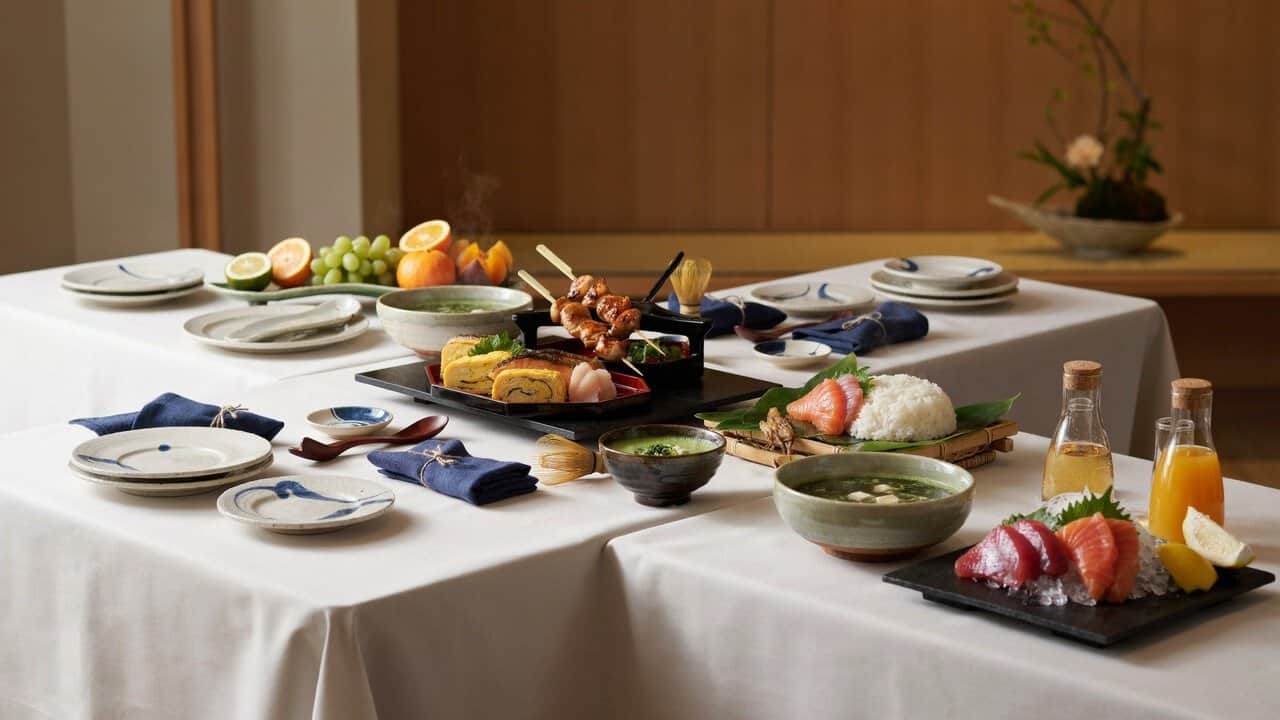
Hotel Breakfasts in Japan are bringing regional dishes into selected properties through an established ten-part breakfast programme. Official menus reviewed on 7 October 2026 confirm offerings in Kanazawa, Fukuoka and Chitose, where hotel kitchens combine local ingredients with live cooking. For leisure visitors, families and business travellers, the immediate benefit is a wider choice of morning meals. Prices, participation and inclusions vary, making the individual booking conditions important. The evidence does not establish a nationwide launch on 7 October or increased tourism demand.
What the Official Evidence Establishes
The story principally concerns accommodation and regional dining. The percentages below are an editorial assessment of the evidence’s importance, not official statistics or measured economic effects.
Advertisement
Advertisement
| News Component | Share of Story | Officially Verified Finding | Relevance to Travellers | Official Source |
|---|---|---|---|---|
| Accommodation | 45% | A ten-part breakfast programme operates at selected properties. | Check hotel participation. | Official programme page |
| Regional dining | 30% | Menus feature dishes associated with Ishikawa, Kyushu and Hokkaido. | Compare actual food choices. | Official property menus |
| Booking conditions | 20% | Charges, child benefits and breakfast hours vary. | Assess cost and eligibility. | Official dining conditions |
| Tourism context | 5% | August 2026 national arrivals were estimated at 3,098,900. | Context, not programme performance. | Official visitor estimates |
The allocation totals 100%. Published information establishes menu choices and service conditions at particular hotels. It does not demonstrate higher bookings, additional jobs or increased visitor spending attributable to breakfast. Travellers should therefore treat the development as an accommodation choice rather than a national tourism policy.
How the Programme Reached Its Current Stage
The Nagoya price notice was published on 20 December 2025, ahead of implementation the following February. Official property pages document renewed Hotel Breakfasts in Akita and Nagoya from 2 February 2026. Kanazawa subsequently introduced its current metta-jiru soup on 7 September, followed by a seared yellowtail rice bowl and sweet-prawn rice ball on 25 September. These are property-specific implementation dates. They confirm that the programme predates the October coverage and that individual menus have continued to change.
Advertisement
Advertisement
The current format covers regional dishes, omelettes, freshly prepared rice balls, salads, curry, rice accompaniments, bread toppings, local soups, fruit yoghurt and smoothies. These are ten menu categories, not a limit of ten dishes. The official programme page says some hotels do not participate and that seasonal availability or purchasing conditions can alter menus. That qualification is essential when comparing published photographs with an upcoming stay.
Understanding the Context Behind the Development
Official descriptions connect the programme with regional ingredients and cooking performed in front of guests. They establish the product’s intended purpose. They do not identify a single economic trigger or prove that changing visitor demand caused its introduction.
Advertisement
Advertisement
Regional Ingredients Give Hotel Breakfasts a Local Identity
Kanazawa’s metta-jiru reflects an Ishikawa food tradition independently documented in official agricultural records. The dish commonly combines pork with root vegetables, including sweet potato. Fukuoka offers pork-broth ramen, mentaiko specialities and alternating chicken or offal hotpots. Chitose rotates Sapporo-style miso ramen and Hakodate-style salt ramen, alongside Hanasaki crab soup and soup curry. The difference lies in the published dishes, rather than an independently verified ranking of breakfast quality. The yellowtail bowl uses a traditional Noto fish sauce, while the sweet-prawn rice ball combines prawns with kelp and cucumber. These details explain the regional connection more clearly than a generic buffet description. Mentaiko means seasoned pollock roe. Guests avoiding meat should also note that Chitose’s listed soup curry uses a pork-based broth, with seasonal vegetables offered as optional toppings.
Family Benefits Follow Separate Rules
For guests comparing Hotel Breakfasts in Japan, breakfast inclusion and family eligibility are separate questions. A reviewed property in Kyoto’s Gojo area offers resident children aged 12 and under complimentary breakfast with an adult ordering breakfast. Another property in Sapporo’s Susukino district includes hot breakfast and a takeaway option. Lounge dining elsewhere requires the relevant access entitlement. These examples demonstrate different booking arrangements, without establishing a universal saving or benefit. Primary-school children pay ¥1,700 at the reviewed Chitose property and ¥2,000 in Kanazawa; preschool children eat free at both.
The strongest supported explanation is a hotel dining redesign built around regional food. Property-level operations and eligibility shape the experience. Any broader effect on demand remains unmeasured. As an accommodation comparison, regional cooking gives guests a specific feature to assess alongside location and room facilities. This analysis concerns the choice available to travellers; it does not establish that guests have changed their booking behaviour.
What the Prices and Tourism Figures Actually Show
The price of Hotel Breakfasts differs across the reviewed properties. Adult charges checked on 7 October 2026 were ¥3,800 in Kanazawa, ¥3,600 in Fukuoka and ¥3,400 in Chitose. These are individual tariffs, not city averages. In Nagoya, a published revision effective 2 February raised the adult charge from ¥3,800 to ¥4,800, a calculated 26.3% increase. The child charge rose from ¥2,300 to ¥3,000, approximately 30.4%. Neither calculation measures nationwide hotel inflation. For two adults paying separately, the listed prices imply breakfast bills of ¥7,600, ¥7,200 and ¥6,800 respectively. That arithmetic excludes accommodation and discounts. A room package must therefore be assessed by its full cost, not breakfast price alone.2,3,4,7
International demand provides wider context. Official estimates published on 16 September put Japan’s August 2026 visitor arrivals at 3,098,900, down 9.6% against August 2025. Yet 14 source markets recorded their highest August totals. Seasonal demand, reduced flights and typhoon cancellations featured in the official explanation. The figures cover national arrivals, not participating hotels or breakfast customers. They cannot establish that the dining programme either supported or weakened international travel demand.
Check the Details Before Your Stay
To assess Hotel Breakfasts in Japan, start with the room package and your morning timetable. Families and guests leaving early have particular reasons to confirm the terms. The evidence supports checking individual arrangements rather than changing an entire itinerary.
Advertisement
Advertisement
- Confirm whether breakfast covers every guest or carries separate adult and child charges.
- Check alternating dishes, ingredients and dietary requirements directly with the property.
- Verify lounge access and takeaway availability against the reservation.
- Compare opening hours with onward transport and planned departure times.
Published hours at the reviewed Kanazawa and Fukuoka properties are 6am–10am and 6am–10.30am respectively. Chitose’s seasonal transition begins on 1 November 2026: service changes from 5.30am–9.30am to 6.30am–9.30am. Its breakfast window therefore falls from four hours to three. This is an operating-hours change at one property, not a transport disruption. Beyond that timetable, the reviewed sources establish no further nationwide launch date or related visa change. Monitor property updates if breakfast availability affects the booking decision.
Regional Choice Matters More Than Broad Promises
Hotel Breakfasts in Japan give travellers another way to compare regional food, convenience and accommodation costs. Verified menus show meaningful differences between destinations, while published terms explain prices, family eligibility and service hours. The programme is established, and Chitose’s winter timetable provides a confirmed change to watch. Wider claims about stronger tourism demand, additional employment or increased spending remain unsupported by the reviewed evidence. For visitors, the useful decision rests on the actual hotel package and itinerary. Check current menus, confirm every guest’s entitlement and follow official property updates before paying for an experience that may vary with the season.
Advertisement
