

Canada Follows Egypt and Other Nations in Condemning Houthi Strikes on Saudi Arabia as Regional Tensions Cloud Air Travel

Published
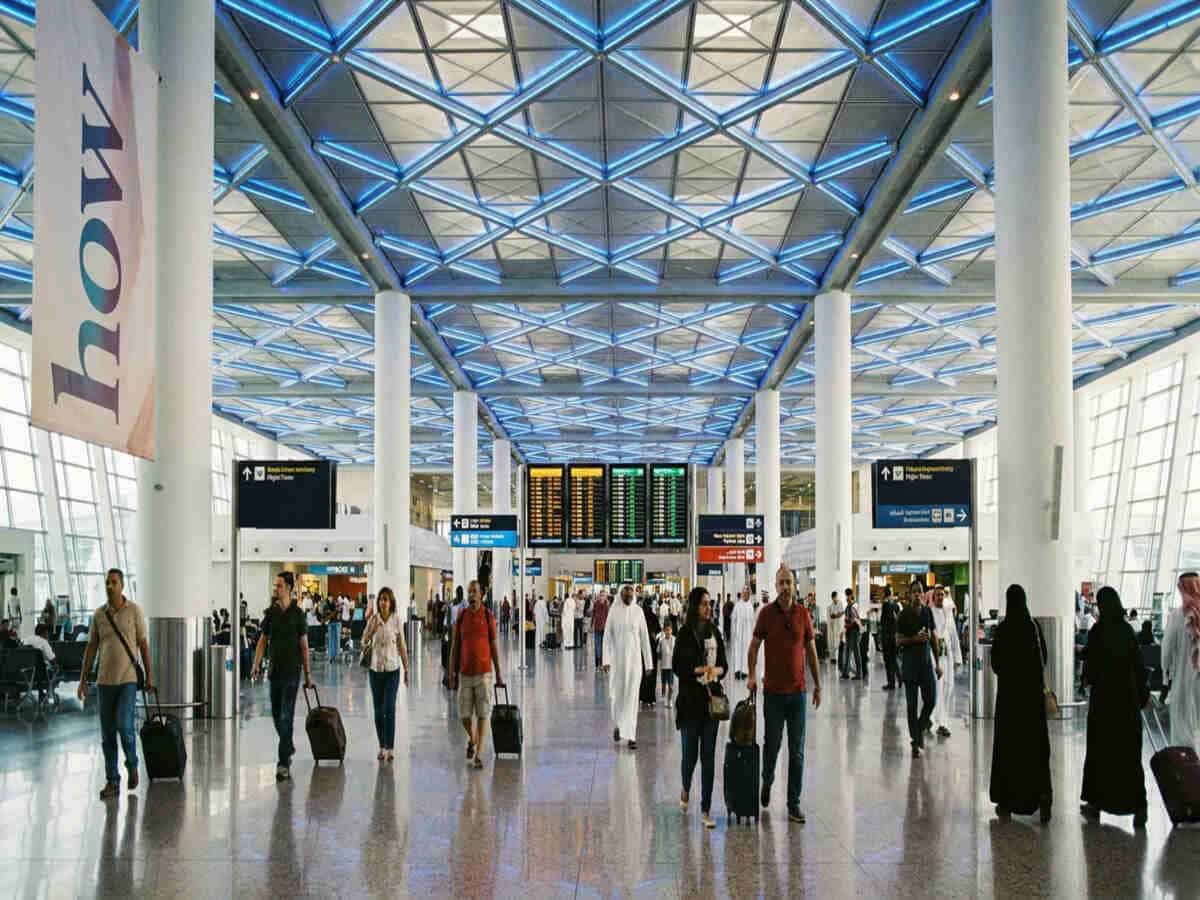
Canada is among Egypt and others that criticize Houthi attacks, following Saudi Airlines’ uncertainties. Canada has taken sides with Egypt, and many other countries, in criticizing attacks by the Houthis on Saudi Arabia, amid regional tensions that have posed a risk to the international air travel industry. This is as a result of attacks and incidents experienced at international airports in Saudi Arabia, such as King Khalid International Airport, located in Riyadh and Abha International Airport. Incidents involving injuries to civilians, destruction of infrastructure, and interruptions in flights have caused diplomatic concern. Other countries that have condemned Houthi attacks include India, France, the United Arab Emirates, Oman, Bahrain, Kuwait, Jordan, Syria, and Qatar.
Canada Condemns Houthi Strikes Amid Growing Aviation Concerns
Canada has strongly condemned repeated Houthi strikes affecting Saudi Arabia’s international airports and civilian infrastructure. Its statement highlighted civilian casualties, violations of Saudi sovereignty and threats to regional stability.
Advertisement
Advertisement
The Canadian response reflects growing international concern about the safety of aviation facilities during regional tensions.
Saudi Arabia serves as an important aviation hub connecting Asia, Europe, Africa and the Middle East. Consequently, security incidents involving major airports can affect international passengers and airline operations.
Advertisement
Advertisement
Canada’s condemnation also draws attention to the broader consequences of instability. Beyond immediate casualties, repeated incidents can affect tourism confidence, airport operations and travel planning across neighbouring countries.
Egypt Raises Concerns Over Saudi Arabia’s Security and Regional Stability
Egypt has joined the international condemnation of Houthi strikes affecting Saudi Arabia. Its response reinforces support for the kingdom’s sovereignty and the protection of civilian infrastructure.
Advertisement
Advertisement
The Egyptian position carries importance because both countries maintain strong travel, tourism and economic connections.
Thousands of passengers regularly travel between Egypt and Saudi Arabia for business, leisure, employment and religious purposes.
Advertisement
Advertisement
Any disruption involving Saudi airports can therefore create uncertainty for travellers using regional aviation networks.
Egypt’s condemnation reflects wider concern that continued tensions could affect civilian transport facilities and essential infrastructure. The country’s position also supports diplomatic efforts to preserve stability and protect international connectivity across the Middle East.
India Expresses Solidarity as Airlines Adjust Saudi Flight Operations
India has condemned the strikes affecting Saudi Arabia’s international airports and expressed solidarity with the kingdom.
The Indian Embassy in Riyadh issued a statement addressing incidents involving airport infrastructure.
Advertisement
Advertisement
The developments are particularly important for India because Saudi Arabia remains a major destination for employment, business travel and religious tourism.
Air India, IndiGo and Akasa Air were reportedly among the carriers affected by temporary disruptions involving Riyadh services.
An Air India flight travelling from Delhi to Riyadh reportedly returned to Delhi amid security concerns.
Such changes can affect passengers travelling for work, family visits or connecting journeys. India’s response highlights the importance of protecting international aviation routes while maintaining essential passenger connections.
France Calls for Restraint as Aviation Security Risks Increase
France has condemned the Houthi strikes affecting Saudi Arabia and called for an end to further escalation.
Its response adds an important European dimension to international concerns about civilian aviation security.
Advertisement
Advertisement
France maintains significant diplomatic, economic and travel connections with Saudi Arabia. As a result, developments affecting Saudi airports can influence the broader operating environment for European airlines.
Airlines must regularly assess airspace restrictions, available routes and airport security conditions.
France’s diplomatic position also highlights the importance of protecting civilian facilities during periods of conflict.
With aviation authorities monitoring regional developments, European carriers face additional operational considerations when planning services to destinations affected by security warnings.
United Arab Emirates Condemns Fatal Airport Incidents
The United Arab Emirates strongly condemned incidents affecting Abha International Airport and King Khalid International Airport in Riyadh.
Its official statement on 8 October 2026 expressed concern over three reported civilian deaths and injuries to other people.
Advertisement
Advertisement
The fatalities reportedly included Moroccan, Algerian and Sudanese nationals.
The UAE reaffirmed support for Saudi Arabia’s sovereignty, security and stability.
Its response holds particular significance because both countries operate major aviation and tourism markets.
Airlines throughout the Gulf depend on secure airports and reliable regional flight corridors.
The UAE’s condemnation therefore reflects concern about the wider implications of continued security incidents for international travel, regional connectivity and passenger confidence across Gulf destinations.
Oman Urges Restraint as Regional Tensions Affect Travel Confidence
Oman has rejected strikes affecting Saudi Arabia’s civilian airports and called for restraint to prevent further regional escalation.
Advertisement
Advertisement
The country’s response emphasises the importance of maintaining peaceful conditions and protecting essential infrastructure.
Oman shares important economic, diplomatic and aviation connections with other Gulf countries.
Its international aviation operations depend on stable regional airspace and predictable flight conditions.
Security developments elsewhere in the Gulf can influence airline assessments and passenger travel decisions.
Oman’s position reflects concern that continuing incidents could undermine regional connectivity. Its call for restraint also supports broader efforts to prevent security tensions from creating additional challenges for international aviation.
Bahrain Supports Saudi Arabia Amid Airport Security Concerns
Bahrain has condemned the Houthi strikes affecting Saudi Arabia and expressed concern over threats to passengers, aviation workers and civilian facilities.
Advertisement
Advertisement
The kingdom maintains close geographical, economic and transport connections with Saudi Arabia.
Both countries depend on secure infrastructure to support business travel, tourism and regional passenger movement.
Incidents affecting Saudi airports may therefore create uncertainty for travellers planning journeys within the Gulf.
Bahrain’s condemnation reinforces support for Saudi sovereignty and the protection of essential transport networks.
Its response also highlights the importance of reliable aviation services for countries whose economies depend on regional connectivity and international passenger movements.
Kuwait Rejects Threats to Civilian Infrastructure
Kuwait has joined other countries in condemning Houthi strikes affecting Saudi Arabia.
Advertisement
Advertisement
Its response focuses on protecting civilian infrastructure and maintaining regional security.
Airports play an essential role in supporting international tourism, commercial activity, cargo transport and passenger mobility.
Consequently, security incidents can produce effects beyond the immediate location.
Flight cancellations, altered schedules and passenger uncertainty can create operational challenges for airlines and travel businesses.
Kuwait’s condemnation reflects the shared interest of Gulf countries in maintaining stable aviation conditions.
The response also reinforces the importance of preventing further incidents that could threaten civilian facilities and disrupt international transport services.
Advertisement
Advertisement
Jordan Reaffirms Support for Saudi Sovereignty
Jordan has condemned the incidents affecting Saudi Arabia’s airports and reiterated support for the kingdom’s territorial integrity.
Its response highlights concerns about regional stability and the safety of civilian infrastructure.
Jordan and Saudi Arabia maintain important transport links serving tourists, business travellers and religious visitors.
Developments affecting aviation security can influence passenger planning and airline operations across the wider region.
Jordan’s position also emphasises respect for international law and national sovereignty.
As governments continue monitoring regional developments, Jordan has joined diplomatic calls supporting the protection of airports and other civilian facilities from threats associated with continuing hostilities.
Advertisement
Advertisement
Syria Adds Its Voice to International Condemnation
Syria has also condemned strikes affecting Saudi Arabia’s airports and civilian infrastructure.
Its response adds to the growing number of countries expressing concern about the consequences of regional instability.
Civilian airports provide essential connections for economic activity, employment, tourism and international movement.
Repeated incidents involving these facilities can undermine passenger confidence and complicate airline planning.
Syria’s condemnation reflects broader regional opposition to threats against civilian infrastructure.
The diplomatic response also illustrates how developments involving Saudi Arabia have attracted international attention beyond the countries directly connected to the affected airports.
Advertisement
Advertisement
Maintaining secure aviation networks remains an important consideration for regional governments and transport authorities.
Qatar Condemns Related Incidents Affecting Essential Infrastructure
Qatar has condemned Houthi activity affecting Saudi civilian infrastructure, including a reported incident involving an electricity distribution facility serving Medina’s holy sites.
This particular condemnation concerned essential infrastructure rather than the same airport casualty incidents addressed by several other governments.
Nevertheless, Qatar’s position reflects concerns about protecting services supporting residents, visitors and religious travellers.
Saudi Arabia receives substantial numbers of international pilgrims throughout the year.
Reliable electricity, transport networks and airport facilities are important for maintaining safe visitor services.
Advertisement
Advertisement
Qatar’s condemnation therefore contributes to broader diplomatic concern about developments that could affect essential infrastructure and regional travel operations.
Additional G7 Countries Express Earlier Concerns
International condemnation of Houthi activity also extends beyond the latest October incidents.
- A September 2026 G7 foreign ministers’ statement addressed Houthi strikes and their consequences for regional security.
- The countries involved included Canada, France, Germany, Italy, Japan, the United Kingdom and the United States.
- The European Union also supported the statement through its High Representative.
- Importantly, this earlier condemnation should not be confused with separate statements responding specifically to the October airport incidents.
- Nevertheless, it demonstrates that concerns over regional security and civilian infrastructure had already attracted wider international attention before the latest escalation.
These positions provide additional diplomatic context to the responses from Middle Eastern governments.
Saudi Airport Incidents Cause Civilian Casualties and Infrastructure Damage
The international condemnations followed serious incidents affecting Saudi aviation facilities between 6 and 8 October 2026.
Reported figures indicated that three civilians were killed and 36 injured during incidents involving Abha and Riyadh airports on 6–7 October.
- At Abha International Airport, two women identified as Moroccan and Algerian nationals were reportedly killed, while 28 people sustained injuries.
- At King Khalid International Airport, one Sudanese national was reportedly killed and eight others injured.
- Additional incidents affected airports serving Jazan and Najran.
- A subsequent Riyadh incident reportedly damaged a parked Saudia aircraft.
These developments raised concerns about passenger safety, airport resilience and the protection of international aviation infrastructure.
Advertisement
Advertisement
International Flight Disruptions Add Pressure to Travel Industry
The incidents have created operational challenges for airlines serving Saudi Arabia. Indian carriers reportedly adjusted certain Riyadh services, while Lufthansa was reported to have suspended flights to the Saudi capital until 16 October 2026. Such disruptions can affect passenger connections, aircraft scheduling and travel arrangements. However, temporary service changes do not necessarily indicate permanent route cancellations.
- Travellers should verify flight information directly with their airlines before departure.
- The European Union Aviation Safety Agency had also issued a Saudi airspace warning before the October incidents.
- Its advisory highlighted risks involving drones, missiles and interception debris.
- These developments demonstrate how regional security concerns can influence international aviation planning.
Saudi Arabia’s Tourism Connectivity Faces an Important Security Test
Saudi Arabia continues to develop its tourism and aviation sectors, making reliable airport operations essential to its international ambitions. Riyadh supports business and international passenger traffic, while regional airports connect visitors with destinations throughout the kingdom.
Security concerns may create additional challenges for airlines, tourism operators and international travellers. However, individual airport incidents should not be interpreted as a complete shutdown of Saudi aviation. Conditions vary across destinations and flight routes.
Canada’s condemnation, alongside responses from Egypt and other nations, highlights the importance of protecting civilian infrastructure.
Canada Joins Egypt and Other Countries in Expressing Disapproval for Houthi Attacks Against Saudi Arabia amid Heightened Tensions in the Region
For the tourism sector, providing security for airport facilities, connectivity, and passenger information is crucial amid the heightening tension in the region.
Advertisement
