

How Are New Ghost Tourism Thriving in America’s Historic Cities? The Haunted Streets of Washington, D.C. to Salem Reveal the Answer

Published
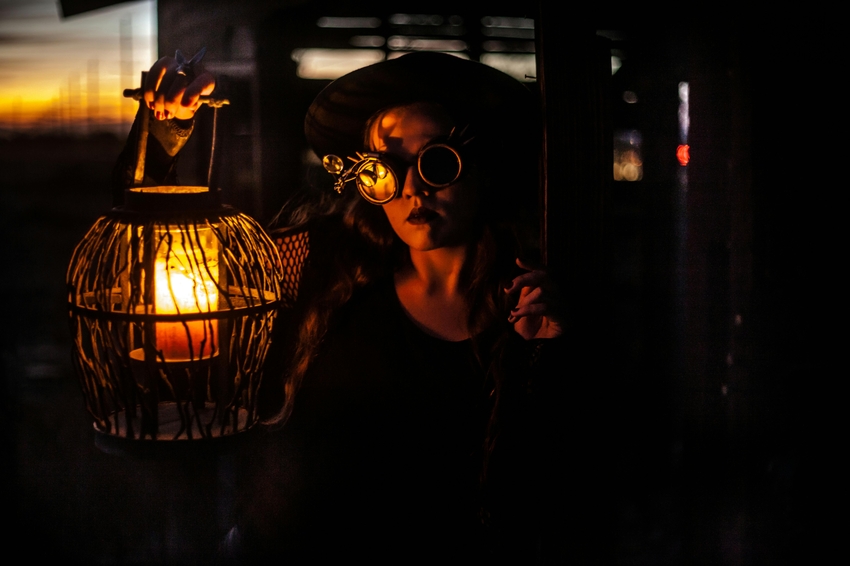 Image generated with Ai
On a crisp October night under the glow of the season’s first full moon, a group of curious tourists huddled in the heart of Washington, D.C., eagerly awaiting an eerie encounter. The group of Midwestern visitors was about to be guided by Anna Surratt—though long dead—who was portrayed by actress Victoria Sova. Surratt’s mother, Mary Surratt, was hanged for her role in the assassination of President Abraham Lincoln, and her ghostly figure, cloaked in darkness, led the tourists through the haunted landmarks of Capitol Hill.
As Sova, embodying Anna Surratt, guided her group, she recounted chilling tales of the many deaths that have occurred near these iconic sites. This spine-tingling ghost tour in the nation’s capital exemplified a unique tradition that has become a national obsession: ghost tours that spook, entertain, and immerse participants in local history.
Advertisement
Advertisement
The Appeal of Ghost Tours in Historical Cities
For many tourists, ghost tours are more than just a spooky Halloween activity—they are an opportunity to dive deep into the eerie history of America’s cities. Washington, D.C., with its rich history and national significance, provides a particularly fitting backdrop. Many of the city’s most famous historical figures, including Abraham Lincoln and his son Willie, who died in the White House of typhoid fever, are said to haunt these famous corridors. Visitors on these tours often hear stories of Lincoln wandering the White House or the chilling screams of John Quincy Adams, whose spirit is said to shout “No!” after dying of a stroke in the Capitol.
Advertisement
Advertisement
These ghost tours blend history with the supernatural, capturing the imaginations of both believers and skeptics alike. Actors like Sova, who lead the tours, offer more than ghostly entertainment—they provide a deeper connection to the historical events that shaped these cities, transforming dark history into an immersive experience for tourists.
How Ghost Tours Became a National Phenomenon
Advertisement
Advertisement
The rise of ghost tours can be traced back to the late 19th century, during the height of America’s fascination with spiritualism. According to Rachael Ironside, an associate professor at Robert Gordon University who studies dark tourism, this interest in the afterlife and supernatural events became a defining feature of American culture. Séances, mediums, and paranormal research were all the rage during this period, and by the early 2000s, TV shows like “Ghost Hunters” helped to revive interest in ghostly encounters.
Frankie Harris, co-founder of Amerighost Tours, recalled how ghost tours were barely known when he and his wife started their business in Nashville. At one point, a police officer even questioned why he was telling ghost stories late at night. Since then, Harris has expanded Amerighost to cities like Louisville and Washington, D.C., as more tourists embrace ghost tours as a form of entertainment and education.
For travelers, these tours have become a popular hobby. Harris noted that ghost tour participants often make it a point to take these spooky walks in every city they visit. Whether it’s following guides dressed in Victorian attire through Nashville’s haunted Ryman Auditorium or hearing tales of poltergeists at the Seelbach Hotel in Louisville, tourists are consistently drawn to these dark narratives.
Ghost Tours Boosting Tourism and Economy
The rise of paranormal tourism has become a boon for many cities, transforming ghost tours into a multimillion-dollar industry. Historic sites like abandoned hospitals, schools, and prisons, which may otherwise be forgotten or demolished, have been given new life through ghost tours. A 2020 study published in Cornell Hospitality Quarterly noted that ghost tourism helps to maintain and renovate these sites, preserving local history while generating much-needed funding.
Salem, Massachusetts, is one of the most prominent examples of a city thriving on ghost tourism. Mike Vitka, who started working for Spellbound Tours in Salem in 2000, explained how the city has transformed over the past two decades. Originally a day-trip destination, Salem now draws more than a million visitors annually, many of whom come specifically for its ghost tours and infamous witch trial history. Vitka’s tours feature chilling tales of the women accused of witchcraft in 1692, alongside stories of vampires, serial killers, and true ghost sightings.
Advertisement
Advertisement
For tourists, these ghost tours provide a thrilling way to experience history in a visceral, unforgettable way. Sites like Salem and Washington, D.C., have become year-round destinations for those seeking to explore America’s haunted past.
The Competitive Side of Paranormal Tourism
As ghost tours become more popular, competition in the paranormal tourism industry has grown fierce. Tour operators like Vitka and Harris have had to contend with national chains entering their markets and even local competitors borrowing stories from their tours. Despite the growing competition, both Harris and Vitka remain focused on delivering authentic, entertaining experiences for their customers.
Tourists, on the other hand, are spoiled for choice. Whether visiting smaller cities like Louisville or major destinations like Washington, D.C., travelers can expect to find a wide range of ghost tours tailored to their interests. From historical hauntings to more modern paranormal tales, the diversity of ghost tours ensures that there’s something for every curious traveler.
The Global Fascination with Paranormal Tourism
Ghost tours are no longer a uniquely American phenomenon. Paranormal tourism has spread across the globe, with tourists flocking to haunted locations in Europe, Asia, and beyond. This growing trend is driven by an increasing fascination with the supernatural, combined with the desire to experience history in an immersive way.
Advertisement
Advertisement
For international travelers visiting the United States, ghost tours offer a unique glimpse into the country’s dark past. Historic events, such as the Salem Witch Trials or the Lincoln assassination, are brought to life through ghost tours, creating a connection between tourists and the cities they visit.
In many ways, ghost tourism has become a reflection of society’s broader interest in life, death, and the unknown. These tours, while often entertaining and eerie, also serve as a way for people to confront their fears and curiosities about death. As Ironside pointed out, ghost tours can be a powerful tool for engaging people with history—though they sometimes blur the line between fact and fiction.
The Ethical Side of Ghost Tourism
While ghost tours are undeniably popular, they are not without ethical concerns. Some historians and scholars have raised questions about the accuracy of these tours, noting that the retelling of real tragedies can sometimes be exaggerated for entertainment value. For tourists, the key is to approach ghost tours with an open mind, understanding that while these tours provide a fun and eerie experience, they are still rooted in real historical events.
Nevertheless, the popularity of ghost tours shows no signs of slowing down. As tourists continue to seek out new ways to explore the past, these tours will likely remain a key part of America’s cultural landscape for years to come.
Advertisement
