
How Spain’s Overtourism Crackdown Slashed Ibiza Holiday Rentals and What Every Traveller Needs to Know

Published
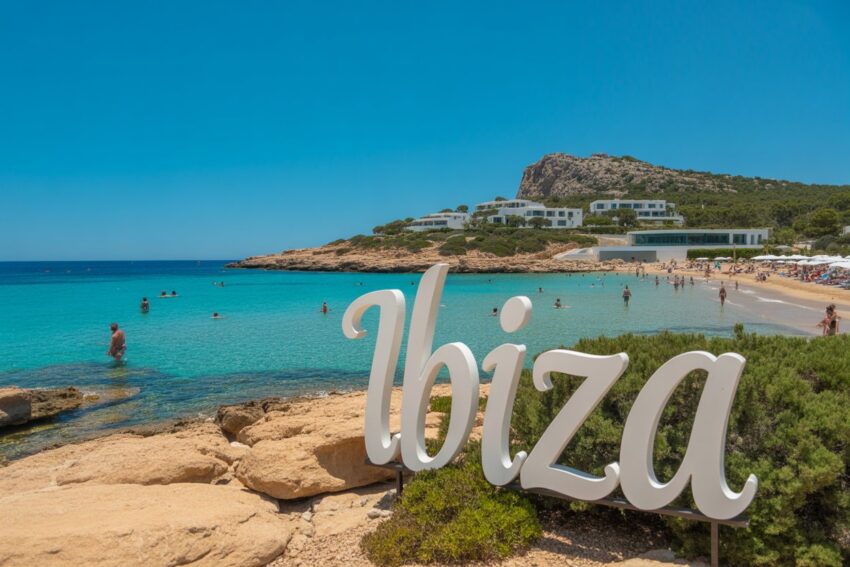
Image generated with Ai
This travel and policy news concerns Ibiza, Spain, a world‑famous Mediterranean island known for its beaches, nightlife and vibrant tourism scene. In 2025–2026, holiday rental availability in Ibiza has plunged sharply as part of a broader Spanish government crackdown on overtourism and unregulated short‑term rentals. New enforcement measures require stricter licensing, increased inspections of rental platforms and regulatory action aimed at balancing tourism with local housing needs, ecological preservation and community well‑being. Compared with recent years, short‑term tourist rental listings in Ibiza have dropped significantly — by an estimated nearly half in 2025 compared with 2024, and about 80 percent since 2017 — due to the tightened regulatory regime.
Spain’s Policy Shift on Overtourism and Holiday Rentals
Overtourism — where too many visitors strain local environments, infrastructure and housing markets — has been a growing concern across Spain’s major destinations like Barcelona, Mallorca and Ibiza. Governments and regional authorities have introduced tighter rules for holiday homes to curb the negative effects of unregulated tourism rentals. Spain’s Consumer Rights Ministry and tourism authorities have ordered platforms such as Airbnb to delist tens of thousands of short‑term rental listings that lacked valid tourist licence numbers, ownership transparency or proper compliance documentation.
Advertisement
Advertisement
In Ibiza specifically, local authorities such as the Consell d’Eivissa have stepped up inspections and enforcement to ensure that only legally registered homes are offered for short‑term stays, with fines for non‑compliance reaching substantial levels and a requirement for all holiday rentals to display a valid tourism registration number.
Why the Drop in Holiday Rentals Matters for Travel
Ibiza has long relied on short‑term vacation rentals as a cornerstone of its tourism accommodation mix. These properties often provide flexible, affordable options for travellers compared with traditional hotels; they can range from central apartments to coastal villas. The sharp reduction in rental supply is a direct result of enforcement of licensing laws and a concerted effort to remove unregulated listings from major platforms, reshaping the travel accommodation landscape on the island.
Advertisement
Advertisement
Advantages for Travellers – Quality, Safety and Sustainable Demand
More Reliable and Legal Accommodation
A clear advantage of tighter regulation is that travellers can be more confident that the properties they book are legally compliant, safe and meet basic regulatory standards. Proper licensing reduces the risk of last‑minute cancellations, illegal stays and unexpected issues with hosts.
Support for Sustainable Tourism
Reducing overtourism in high‑pressure destinations like Ibiza can improve the overall quality of the travel experience. Less overcrowding in peak season helps beaches, transport and cultural sites remain more accessible and enjoyable. Travellers interested in responsible tourism may appreciate these changes.
Advertisement
Advertisement
Diversification of Accommodation
With fewer unregulated rentals, traditional hotels, hostels, and licensed guesthouses might see increased demand, prompting investment in quality hospitality services that cater to a range of traveller preferences and budgets.
Improved Local Living Conditions
By freeing up housing formerly tied up in holiday lets, local residents may find improved access to longer‑term rentals, helping stabilize communities and reducing tourist‑resident tensions — a factor that enhances the social environment tourists encounter.
Advertisement
Advertisement
Disadvantages and Traveller Considerations
Reduced Short‑Term Rental Availability
The steep drop in holiday rental listings means fewer options for tourists who prefer villas, apartments or flexible group accommodation. Those reliant on vacation homes may find it harder or more expensive to secure suitable lodging, especially during peak summer travel months.
Potential Price Increases
Scarcity in the short‑term rental market can drive up prices across all accommodation types in Ibiza. Hotels and licensed properties may command higher rates, particularly during peak seasons, as demand increases without sufficient rental supply.
Greater Planning Complexity
Travellers now have to do more due diligence to ensure they are booking legally compliant rentals. Booking platforms and property listings must clearly show official licence numbers, and travellers should verify accommodation legitimacy before confirming stays.
Less Flexibility for Groups
Vacation homes often offer flexible sleeping arrangements and communal spaces ideal for families or groups of friends. With fewer rentals available, some visitors may need to book multiple hotel rooms or choose less suitable accommodation types.
Advertisement
Advertisement
How This Fits Into Spain’s Wider Tourism Strategy
Spain remains one of the world’s most visited countries, with record tourism figures prior to and following the COVID‑19 pandemic, often exceeding 90 million international visitors annually. Government and regional tourism bodies face the challenge of maintaining economic benefits while protecting local living standards and preserving natural resources. Rental regulations, tourist taxes and overtourism measures form part of coordinated policy approaches across Spain.
Travel Tips for Visiting Ibiza Amid Rental Changes
Book Early and Verify Licences
Due to reduced rental inventory, secure your accommodation well in advance and confirm that holiday rentals display valid tourism license numbers or booking confirmations that comply with Spanish regulations.
Consider Alternative Accommodations
If traditional short‑term rentals are scarce, explore licensed hotels, serviced apartments or hostels that meet official standards and offer reliable stays.
Check Cancellation Policies
Given the evolving regulatory landscape, travellers should review cancellation and refund terms carefully, especially if booking through third‑party platforms that may delist properties for compliance issues.
Respect Local Guidelines
Understanding and complying with local codes of conduct and tourism regulations — including those governing noise, waste disposal and community interaction — enhances your travel experience and avoids fines.
Conclusion – What Travellers Should Know
The significant plunge in holiday rentals in Ibiza is a direct result of Spain’s crackdown on overtourism and unregulated accommodations as authorities enforce stricter licensing, inspection and registration requirements. For travellers, this means a transformed accommodation landscape: improved legal protections and sustainability come with fewer short‑term rental options and potential price changes. Ibiza continues to draw global visitors, but the way visitors stay and interact with the destination is changing toward a more regulated, sustainable tourism model. Traveller planning should adapt accordingly, prioritising early bookings, licensed properties and respect for local policies — a shift that ultimately supports the island’s long‑term appeal and community well‑being.
Advertisement
