
How the rise of slow travel is gradually evolving global travel industry?

Published
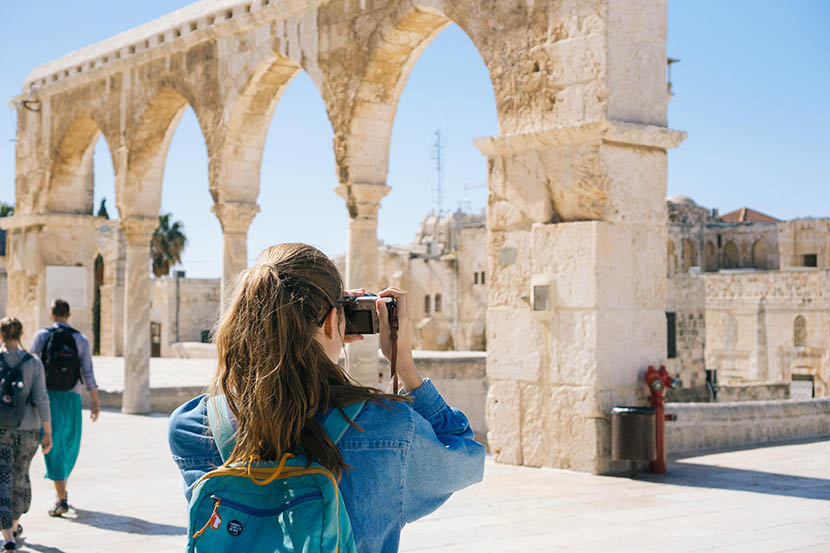 Image generated with Ai
The concept of slow travel has begun to transform the global travel and tourism industry, moving away from traditional fast-paced tourism to embrace a more relaxed, immersive approach. This article explores how slow travel is reshaping global tourism, highlighting its benefits for both travelers and destinations.
Understanding Slow Travel
Slow travel is a method of travel that emphasises deeper connections with local cultures, communities, and environments rather than rushing from one attraction to another. It encourages travellers to take their time, engage more fully with their surroundings, and appreciate the subtleties of different cultures and places.
The Shift Towards Sustainability
One of the primary ways in which slow travel is influencing global tourism is through its focus on sustainability. By spending more time in one location, travelers reduce their carbon footprint, contribute more to local economies, and foster sustainable practices that help preserve cultural heritage and natural environments.
Economic Impacts on Local Communities
Slow travel significantly impacts local economies by encouraging longer stays and more meaningful engagement with local businesses and services. This approach helps distribute tourist spending more evenly and supports small businesses that might not benefit from conventional mass tourism.
 Image generated with Ai
Cultural Immersion and Authentic Experiences
Slow travel allows for authentic experiences and cultural immersion. Travelers have the opportunity to learn languages, participate in local traditions, and understand the social nuances of their host communities. This deeper understanding promotes global awareness and cross-cultural appreciation.
Challenges and Considerations
Despite its benefits, slow travel presents challenges, such as the need for more extensive planning and the potential for increased costs. Additionally, it requires a shift in mindset from both travelers and industry stakeholders to prioritize quality over quantity in travel experiences.
 Image generated with Ai
The Role of Technology in Slow Travel
Technology plays a crucial role in enabling slow travel. Digital platforms can offer travelers unique insights into local attractions, hidden gems, and cultural events that might not be widely advertised, enhancing the slow travel experience.
Future Outlook
As global awareness of environmental and social sustainability grows, slow travel is likely to become a more prominent trend in the tourism industry. This shift could lead to a more balanced, sustainable, and enriching travel experience for everyone involved.
