

Secrets of the Whitsundays: Why These 74 Islands Are The Best Escape of Australia

Published
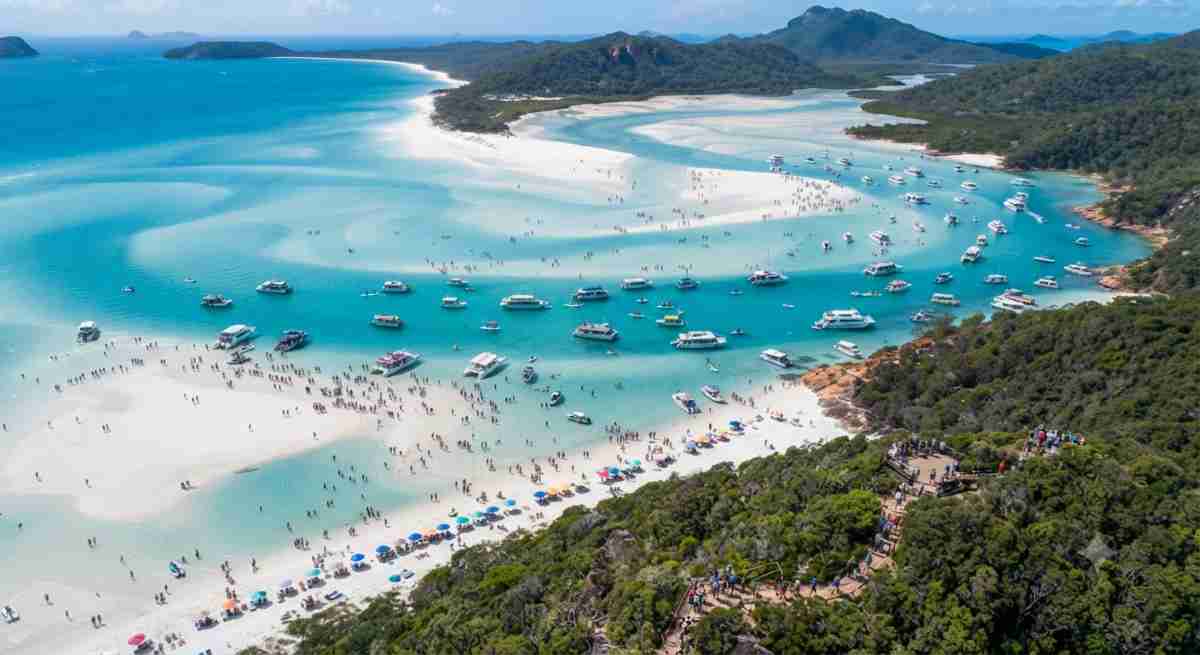
The Whitsundays are located 55 kilometres off the coast of Queensland, Australia. This stunning region consists of 74 tropical islands. It is a major hub for global tourism. Many visitors flock here for the natural beauty. Hamilton Island, Hayman Island, and Daydream Island are top choices for travellers.
The region holds significant ecological importance. Remarkably, 70 per cent of the area is a protected national park. This status preserves vital terrestrial biodiversity. Furthermore, the nearby Great Barrier Reef offers world-class marine experiences. Guests can snorkel with thousands of colourful fish.
Advertisement
Advertisement
The Whitsundays offer diverse activities:
- Relaxing on the famous silica-white sands of Whitehaven Beach.
- Exploring protected national parks via scenic walking trails.
- Snorkelling or diving in the vibrant Great Barrier Reef.
- Enjoying luxury stays on Hamilton Island.
Whitehaven Beach is frequently ranked as the fifth best beach in the world. Whether for adventure or leisure, the Whitsundays remain a premier coastal destination.
Advertisement
Advertisement
Historical Background and Ecological Context
The Whitsundays were formed by rising sea levels. These waters isolated the peaks of a drowned mountain range. This process created the current archipelago. Historically, management of the area has evolved significantly.
Development models have shifted away from residential expansion. Now, the focus is on conservation. Because 70 per cent of the islands are national parks, human impact is strictly controlled. Tourism infrastructure is limited to specific zones. This stewardship ensures the silica-white sands of Whitehaven Beach remain pristine. Environmental protection is prioritized over mass development.
Advertisement
Advertisement
Socio-Economic Impact on Travellers
Travel to the Whitsundays offers a unique experience. It caters to a wide range of visitors. Luxury seekers enjoy the resorts on Hamilton Island. Meanwhile, eco-conscious adventurers prefer exploring the remote islands.
Accessibility is a major factor for tourism in the region. Visitors arrive via island-specific airports. Ferry networks provide easy inter-island transport. The psychological benefits of this environment are clear. Guests often report feeling rejuvenated by the turquoise waters. The silence of the national parks offers a stark contrast to urban life.
Industry Insights and Development Trends
The Whitsundays represent a sophisticated ecosystem of hospitality and logistics. The industry is currently moving away from high-volume mass tourism. Instead, it emphasizes high-value, sustainable practices.
Key development trends include:
- Integrating solar power across smaller islands.
- Implementing advanced waste management to protect the Great Barrier Reef.
- Upgrading amenities on Daydream Island to stay globally competitive.
- Partnering with scientific bodies to monitor reef health.
These efforts ensure the longevity of the region’s natural assets. Industry stakeholders recognize that environmental health is the foundation of their success.
Practical Information for Planning a Visit
Planning a trip to the Whitsundays requires meticulous preparation to ensure a seamless experience within this unique maritime environment. Hamilton Island acts as the primary gateway for the majority of travellers, offering the convenience of direct flights from major cities across Australia.
Advertisement
Advertisement
To optimize your itinerary and ensure responsible exploration, please consider the following practical guidance:
- Utilize Inter-Island Logistics: Rely on the established network of local ferry services to navigate between the various islands efficiently.
- Opt for Bespoke Travel: For a more personalized experience, consider chartering a private boat to curate a custom itinerary that suits your specific interests.
- Strategize Your Visit: Research and visit during the optimal season for snorkelling to ensure the best water clarity and most comfortable conditions.
- Prioritize Preparedness: When venturing into remote national parks, always pack necessary essentials—including adequate water, food, and waste disposal supplies—as facilities in these areas are intentionally limited to protect the ecosystem.
- Respect Environmental Governance: Visitors must strictly adhere to all environmental regulations to minimize their ecological footprint.
- Embrace Sustainable Tourism: Recognize that the long-term preservation of the Great Barrier Reef is a shared responsibility, and every guest plays a vital role in safeguarding its delicate health.
While the tropical climate serves as a major draw for visitors, it also dictates the timing and feasibility of various water-based activities, making flexibility a key component of your travel plans.
Comparison with Previous Policies and Developments
Tourism management in the Whitsundays has changed significantly. In the past, resort expansion was often aggressive. Today, policies are much stricter.
Modern governance aligns with the national park status of the islands. Previously, tourism was viewed as a singular industry. Now, it is integrated into a wider framework of environmental protection.
For instance, boat traffic near the Great Barrier Reef is now highly regulated. This represents a mature approach compared to earlier decades. The focus has shifted from visitor volume to long-term sustainability. These adjustments reflect a global shift in the sector. The natural beauty of the Whitsundays is now treated as its most valuable economic asset.
Advertisement
