
Saudi Arabia Outdoor Tourism Boom Faces a Crucial Test as Travellers Venture Beyond Luxury Resorts

Published
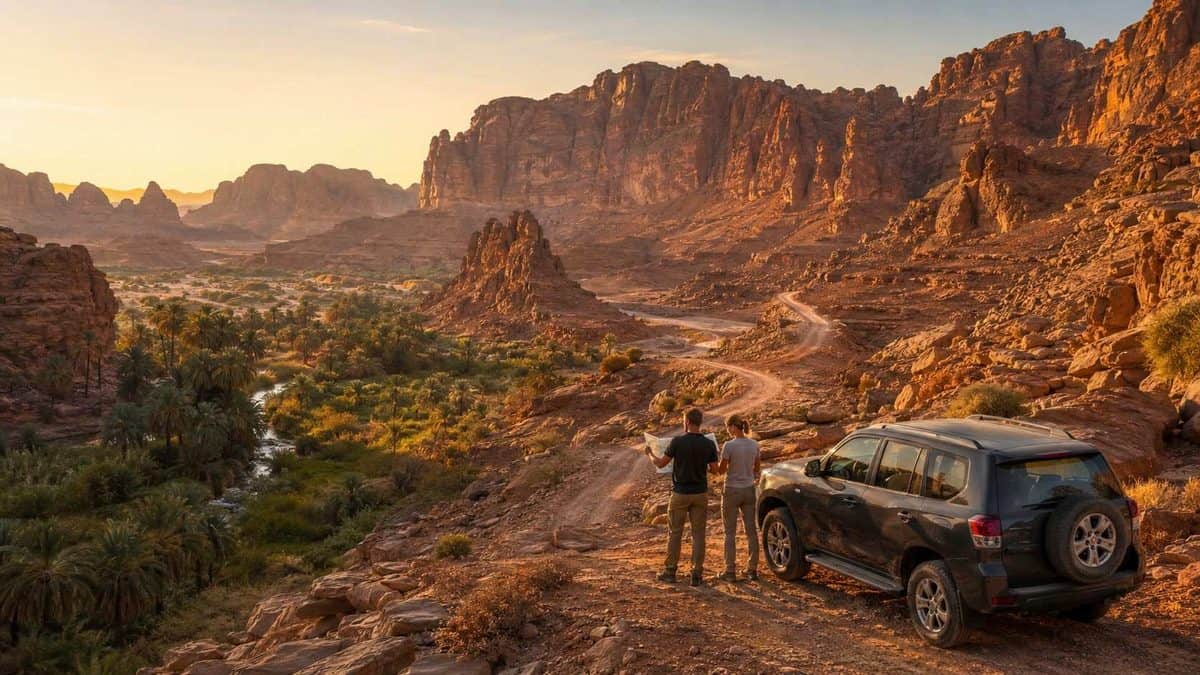
Image generated with Ai
The boom in Saudi Arabia’s outdoor tourism has reached a new phase. Travelers moved on from staying at luxury hotels and resorts to sleeping in the desert, hiking remote mountains, scuba diving along the reefs, and visiting the wadis (ancient valleys). In a few years, in 2026, Saudi Arabia will know if they have built enough roads and regional airports, hired enough licensed tour guides, set up the needed safety systems and if they have discounted accommodation, to match the increase in tourism. The Saudi government is currently working on their Tourism Vision 2030 after they attracted roughly 123 million domestic and international tourists in 2025. Dispersing visitors in a responsible way, while preserving fragile ecosystems, and creating safe, accessible, and profitable tourism for the local communities is the next phase of outdoor tourism in the Kingdom of Saudi Arabia.
Saudi Tourism Moves Beyond Its Traditional Foundations
For decades, Saudi Arabia’s visitor economy centred heavily on religious travel. Makkah and Madinah formed the core of international demand, supported by domestic business travel and family trips.
The country changed direction after launching Vision 2030 in 2016. Tourism became a central part of its plan to diversify the economy, create employment and reduce dependence on oil revenue.
The introduction of the tourist eVisa in 2019 marked another major change. It allowed eligible international travellers to enter for leisure and opened previously difficult-to-reach parts of the country to a wider market.
Advertisement
Advertisement
Saudi Arabia then began developing a broad tourism portfolio. It included heritage, entertainment, sport, coastal resorts, cultural events and nature-based experiences.
Advertisement
Advertisement
That work helped Saudi Arabia pass its original target of 100m annual domestic and international tourists seven years ahead of schedule. The target was subsequently raised to 150m tourists annually by 2030.
Outdoor travel now sits at the centre of the next stage. The Kingdom can offer coral reefs, volcanic craters, sandstone canyons, highland villages, protected wildlife and some of the planet’s largest desert landscapes.
The challenge is no longer whether these places can attract attention. It is whether the infrastructure surrounding them can produce safe, reliable and widely accessible visitor experiences.
Record Tourism Growth Raises the Stakes
Saudi tourism maintained strong momentum during 2025. According to the Saudi Ministry of Tourism, the country received approximately 123m domestic and inbound tourists, up about 6% from 2024.
This total included around 29.3m inbound tourists and 93.3m domestic tourists. Combined tourism spending reached approximately SAR305bn, or about £60bn, according to the Ministry’s 2025 results.
Advertisement
Advertisement
These figures show the size of the visitor economy that now exists beyond religious travel. They also explain why regional destinations are becoming more important.
| Official tourism indicator | Latest reported result | Context |
|---|---|---|
| Total tourists | Approximately 123m | Domestic and inbound tourists in 2025 |
| Inbound tourists | Approximately 29.3m | International arrivals during 2025 |
| Domestic tourists | Approximately 93.3m | Trips made by residents during 2025 |
| Tourism spending | Approximately SAR305bn | Combined domestic and inbound expenditure |
| Licensed tourism facilities | 5,937 | Reported in the Vision 2030 Annual Report 2025 |
| Tourism employment | 983,253 | GASTAT data for the first quarter of 2025 |
| Aviation passengers | 140.9m | Passengers handled by Saudi airports in 2025 |
The Saudi Vision 2030 Annual Report 2025 also recorded 123m tourists and reported the expansion of licensed tourism facilities to 5,937. These gains create a larger base from which specialist activities can grow.
However, headline arrival numbers cannot measure whether tourism benefits remote regions. That requires information about visitor spending, length of stay, regional distribution, local employment and the survival of smaller businesses.
Outdoor tourism can improve those results by drawing visitors away from established urban centres. It can also encourage longer itineraries involving several provinces.
A Tourism Map Far Larger Than the Luxury Resorts
Saudi Arabia’s high-profile coastal and heritage projects have built global awareness. Yet the country’s outdoor appeal extends far beyond managed resorts.
Advertisement
Advertisement
The Red Sea provides snorkelling and diving around extensive coral habitats. Inland, sandstone valleys offer hiking, climbing, ziplining and four-wheel-drive exploration.
AlUla combines archaeology with balloon flights, desert trails, stargazing and protected landscapes. Hegra adds wildlife experiences around Saudi Arabia’s first UNESCO World Heritage Site.
Further south, the Aseer highlands present a very different environment. Juniper-covered slopes, misty weather and traditional settlements challenge the common perception of Saudi Arabia as an uninterrupted desert.
Rijal Almaa illustrates that difference. Its historic stone buildings sit among steep mountain landscapes where visitors can combine walking, architecture and community-based hospitality.
Wadi Disah offers another contrast. Streams, palms and monumental rock walls create an oasis environment in the north-west, but formal tourism services remain limited.
Advertisement
Advertisement
The Empty Quarter delivers the country’s most demanding wilderness experience. Its distances, severe climate and shifting dunes require experienced guides, appropriate vehicles and careful preparation.
Wahba Crater, located far from major tourism centres, brings volcanic geology into the destination mix. Its remote position also demonstrates the practical access problem facing Saudi Arabia outdoor tourism.
Last-Mile Access Becomes the Critical Test
Major airports and national highways can bring travellers close to emerging destinations. The final section of a journey is often more difficult.
Many outdoor attractions require travel along unpaved roads. Routes may have limited signs, few fuel stations and inconsistent mobile coverage.
The Edge of the World near Riyadh is one example. Visitors generally need a suitable four-wheel-drive vehicle and reliable directions because the final approach is off-road.
Advertisement
Advertisement
Wadi Disah requires similar planning. Independent travellers must understand current access conditions, camping rules and local environmental requirements before arriving.
Wahba Crater is around 320 kilometres by road from Jeddah and approximately 275 kilometres from Madinah. Its distance makes it more suitable for a planned road itinerary than an unprepared day trip.
The Empty Quarter presents a higher level of risk. Its scale makes navigation, fuel management, water supplies and communications essential.
These conditions create opportunities for licensed local operators. They also increase the need for consistent safety standards, qualified guides and transparent information.
A destination can gain millions of online views but still struggle to convert attention into bookings if visitors cannot understand how to reach it safely.
Advertisement
Advertisement
Aviation Growth Creates New Regional Possibilities
Saudi Arabia’s aviation market is expanding alongside tourism. The General Authority of Civil Aviation reported that Saudi airports handled approximately 140.9m passengers in 2025, representing growth of 9.6%.
This total included about 76m international passengers and 65m domestic passengers. International traffic grew faster, rising by approximately 12%.
The official GACA aviation results also showed that the number of international destinations connected to Saudi airports reached 176 in 2025. This represented an increase from 172 during the previous year.
These gains support tourism, but national traffic totals do not automatically solve regional access. Many outdoor destinations remain several hours from the nearest practical gateway.
Airports serving AlUla, Abha, Tabuk, Jeddah and Madinah can help spread travellers across the country. Domestic links can also connect international arrival hubs with remote tourism regions.
Advertisement
Advertisement
The next task is coordinating flights with ground transport. Scheduled transfers, bookable shuttle services, car hire, safe rest stops and accurate route information can determine whether visitors continue beyond the airport.
For airlines, outdoor travel creates opportunities to sell multi-city itineraries rather than simple return trips. Travellers could enter through one gateway and depart from another after crossing several regions.
Hotels Must Expand Beyond the Premium Segment
Luxury resorts have given Saudi Arabia strong international visibility. They demonstrate the country’s ability to deliver high-value accommodation in remote landscapes.
However, luxury alone cannot support a broad outdoor tourism economy. Independent travellers, families, young adventurers and domestic groups also need affordable places to stay.
Remote regions require a more varied accommodation mix. This may include:
Advertisement
Advertisement
- Licensed camps and glamping sites
- Small hotels and guesthouses
- Serviced apartments
- Mountain lodges
- Village-based accommodation
- Roadside properties for self-drive travellers
- Environmentally controlled desert camps
Official GASTAT figures showed that hotel guests stayed an average of approximately 4.1 nights in the fourth quarter of 2024. Outdoor circuits could extend stays by encouraging visitors to combine cities with natural attractions.
Accommodation expansion must follow environmental capacity. Uncontrolled building around fragile valleys, coral areas or volcanic sites could damage the assets drawing visitors.
Water use, waste collection and energy supply require particular care in remote areas. Small properties also need access to booking systems, international payments and professional training.
Tour Operators Face Higher Operational Demands
Adventure travel carries responsibilities that ordinary sightseeing does not. Operators must understand terrain, weather, emergency procedures and the physical demands of each activity.
A desert drive may require spare tyres, recovery equipment and satellite communications. A diving trip requires qualified professionals, maintained equipment and knowledge of marine conditions.
Advertisement
Advertisement
Mountain walks demand clear grading. Travellers need to know the distance, elevation, exposure and fitness level required before booking.
Hot-air ballooning, climbing, via ferrata routes and ziplining require specialist operational controls. Equipment checks and trained staff are central to visitor safety.
Clear cancellation policies also matter. Wind, heat, rainfall or poor visibility can make some activities unsafe even when travellers have reached the destination.
Tour operators that communicate these limits can protect visitors and build confidence. Operators that treat wilderness trips as simple transport services can create serious risk.
The tourism opportunity therefore depends on quality as much as quantity. A rapid increase in unregulated services could weaken destination trust.
Advertisement
Advertisement
Visitor Safety Must Keep Pace With Promotion
Saudi Arabia’s landscapes can be severe. Heat, distance and limited communications can turn a small problem into an emergency.
Visitors should not assume that every attraction has marked trails, staffed entrances or immediate rescue support. Some places remain genuine wilderness.
Authorities and operators can reduce risk through:
- Standardised route signs
- Difficulty classifications for trails
- Emergency contact information
- Weather and heat alerts
- Registered guide databases
- Clearly identified mobile-coverage gaps
- Water and fuel guidance
- Visitor check-in systems for remote routes
- Multilingual safety instructions
Heat management deserves special attention. Hiking, climbing and desert driving should be planned around seasonal and daily temperature patterns.
Flash flooding is another potential hazard in wadis. Rain falling far from a visitor’s location can move quickly through narrow terrain.
Advertisement
Advertisement
Travellers should check conditions shortly before departure, not only when planning the trip weeks earlier. Remote-area advice can change because of weather, road works or conservation restrictions.
Visa Reforms Have Opened the Outdoor Market
Visa access has supported Saudi Arabia’s tourism expansion. The electronic tourist visa is currently available to passport holders from 66 eligible countries.
The official Saudi eVisa portal states that the visa is generally valid for one year, permits multiple entries and allows stays of up to 90 days. It covers leisure travel and other approved tourism-related activities.
The programme gives eligible travellers enough flexibility to plan longer journeys combining several regions. It also supports repeat visits for those who cannot cover the country’s large geography in one trip.
Passport holders from countries not included in the eVisa list must check the relevant visa route or contact a Saudi embassy. Travellers should confirm eligibility before purchasing non-refundable transport or accommodation.
Advertisement
Advertisement
Saudi Arabia has also developed stopover arrangements and packaged travel services. These measures can introduce short-stay passengers to the country, although remote outdoor journeys usually need more time than a brief transit visit allows.
Conservation Will Decide the Sector’s Credibility
Saudi Arabia’s natural tourism appeal depends on environments that can be easily damaged. Coral reefs, desert vegetation and wildlife habitats recover slowly from heavy pressure.
The Red Sea’s marine biodiversity represents one of the country’s strongest outdoor attractions. Growing diving and snorkelling demand must therefore operate within strict environmental limits.
Desert landscapes can appear empty but support specialised plants and animals. Off-road driving outside approved routes can disturb habitats and leave long-lasting tracks.
AlUla’s conservation work shows how tourism and ecological restoration can be connected. Research published by the Royal Commission for AlUla recorded more than 31,000 field observations and identified 622 taxa across the region.
Advertisement
Advertisement
The same landscape supports archaeological heritage, local communities and wildlife restoration. Tourism planning must recognise all three.
Visitor limits, protected zones and permit systems may restrict access in some areas. Such controls should not be presented as barriers when they protect the attraction’s long-term value.
Local Businesses Stand to Gain From Visitor Dispersal
Remote tourism can distribute spending more widely than an isolated resort stay. It creates demand for transport, food, guiding, repairs, equipment and accommodation.
Local businesses can provide:
- Guided walks and cultural tours
- Four-wheel-drive transfers
- Camping equipment
- Traditional meals
- Craft products
- Wildlife interpretation
- Diving and climbing services
- Vehicle support
- Small-scale accommodation
Community participation also improves the visitor experience. Residents understand local routes, seasonal conditions and cultural expectations.
Advertisement
Advertisement
However, local firms need access to licensing, insurance, training and digital booking platforms. International visitors often avoid services that cannot be verified or reserved in advance.
Tourism growth will have greater regional value if Saudi-owned small and medium-sized businesses can enter the supply chain. This includes opportunities connected to major developments as well as independent attractions.
Employment Growth Shows Tourism’s Wider Importance
GASTAT reported 983,253 tourism employees in the first quarter of 2025, an increase of 4.1% from the comparable quarter of 2024.
Saudi nationals held 243,369 of those positions, representing 24.8% of the tourism workforce. Women accounted for 129,401 tourism employees.
Outdoor tourism can add more specialised roles. These include mountain guides, dive professionals, conservation officers, drivers, equipment technicians and outdoor hospitality workers.
Advertisement
Advertisement
Many roles require formal training. Language skills, first aid, environmental awareness and technical certification can determine service quality.
Regional employment is especially important because many nature-based attractions sit far from the largest cities. Well-managed tourism can create work without requiring residents to relocate.
The employment effect reaches beyond guides. Restaurants, fuel stations, farms, laundries, vehicle workshops and retailers can all benefit from longer visitor stays.
What International Travellers Need to Know
Travellers should plan remote Saudi journeys differently from a city break. Distance is the most important factor.
A destination that appears close on a map may require several hours of driving. Road conditions can also slow progress.
Advertisement
Advertisement
Visitors should:
- Confirm visa eligibility and passport validity
- Use licensed activity providers
- Check weather and road conditions
- Carry adequate water and sun protection
- Download offline maps
- Avoid entering remote deserts alone
- Confirm mobile or satellite communication options
- Respect protected-area and camping rules
- Carry suitable travel insurance
- Share the itinerary with a trusted contact
Modest clothing remains advisable, particularly around villages and community areas. Visitors should also respect local instructions concerning photography and access.
Outdoor trips should be booked according to ability. A dramatic landscape does not make every activity suitable for beginners.
Future Development Follows Published National Targets
Saudi Arabia’s official direction remains tied to Vision 2030. The country is targeting 150m annual domestic and international tourists by 2030.
The strategy also seeks to increase tourism’s contribution to the national economy and expand employment. Major destination and aviation projects form part of that published programme.
Advertisement
Advertisement
Red Sea Global has stated targets of approximately one million annual visitors, around 70,000 direct, indirect and induced jobs by 2030, and an annual economic contribution of about US$5.9bn from 2030.
These are formal project objectives, not guaranteed outcomes. Delivery will depend on construction progress, demand, environmental controls and operational readiness.
For Saudi Arabia outdoor tourism, the most important measure will be what happens between major developments. Roads, guides, small hotels, emergency services and community businesses will determine whether remote destinations become reliable tourism products.
Frequently Asked Questions
Do travellers need a guide for remote outdoor attractions in Saudi Arabia?
A guide is strongly advisable for the Empty Quarter, remote wadis and routes requiring off-road driving. Some controlled attractions also require authorised access or operator-led visits. Travellers should verify local rules before leaving.
What is the best season for outdoor travel in Saudi Arabia?
The cooler months are generally more suitable for desert hiking, camping and road trips. Conditions vary greatly by region. Aseer’s highlands can remain cooler during summer, while coastal activities depend on local sea and weather conditions.
Advertisement
Advertisement
Can international visitors drive independently in Saudi Arabia?
Eligible visitors can rent vehicles subject to the rental company’s requirements and applicable driving rules. A standard car may not be suitable for remote tracks. Travellers should never take an ordinary vehicle onto terrain requiring four-wheel-drive capability.
Saudi Arabia’s Next Tourism Test Lies Beyond the Headlines
Saudi Arabia has the potential to be a major contender in the global tourism industry. Outdoor tourism, however, requires far more than construction of airports and luxury resorts. Outdoor adventure tourists are highly discerning when it comes to the safety of roads, quality of guides, lodging, and the balance of the conservation and tourism management. The development of outdoor adventure tourism crosses the boundary of the country’s economic resource base to elsewhere and draws the benefits to the more remote areas of the country, while at the same time improving the employment and length of stay of the inhabitants. Balanced growth also entails development of the desert and reef ecosystems and their included wildlife. The Kingdom’s growth targets provide a framework for this type of balanced growth. The extent to which the ecosystems are conserved will likely depend on the development of sustainable “last mile” connectivity. The future will tell if the Kingdom’s beautiful natural areas become easily accessible developed sustainable tourism destinations, or if they remain unique, but difficult to reach, natural attractions.
Advertisement
