Image generated with Ai
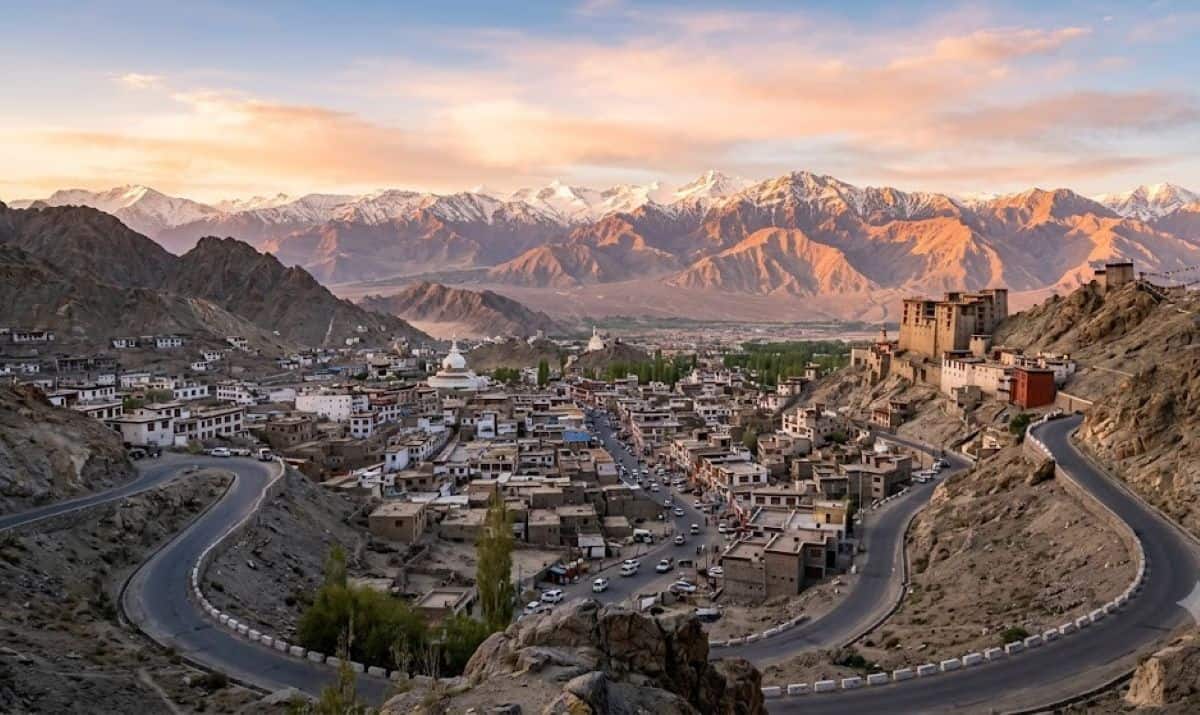
The global travel sector is currently experiencing a monumental shift in how modern adventurers select their next holiday destinations. Today, travelers are actively demanding meaningful, deep, and highly authentic connections with local residents rather than superficial, fast-paced sightseeing packages. Consequently, this magnificent high-altitude destination has successfully secured its position as a primary international hub for visual storytellers and creative documentarians. This ongoing transition clearly demonstrates to the entire world that the northern frontier stands as the absolute zenith of immersive indigenous portraiture and geographical visual storytelling.
By actively promoting ethical travel practices and sustainable tourism initiatives, this mountain territory captures the deep imagination of creators globally. Active voices on digital networks share these mesmerizing stories daily. Therefore, this stunning territory operates as a powerful magnet that completely changes how modern adventurers capture regional heritages. Beautiful media options heavily influence modern holiday choices. Meanwhile, these active visual storytellers inspire a global wave of mindful exploration. This movement ultimately provides essential economic relief to remote communities. It is an amazing journey that reshapes global tourism forever.
Advertisement
Analyzing the Spiritual Foundations of High-Mountain Sanctuaries and Their Everlasting Cultural Influence
Industry analysts who closely monitor the international hospitality market report that the sacred traditions of Ladakh remain exceptionally active and continue to attract dedicated travelers from every single corner of the earth. These experienced experts frequently point out that the ancient monastic institutions, which the local population refers to as gompas, serve as the foundational social, cultural, and spiritual anchors for these isolated mountain settlements. Renowned architectural masterpieces, such as the historic monasteries of Thiksey, Hemis, and Lamayuru, are globally celebrated by structural engineers and historians alike because they cling so dramatically to the edges of vertical, rocky cliffs. Inside these sacred stone sanctuaries, the visual atmosphere is incredibly thick with centuries of spiritual history, quietly illuminated by the flickering glow of traditional butter lamps, detailed hand-painted wall frescoes, and endless rows of spinning prayer wheels. This profound visual tapestry offers international travel planners a unique opportunity to design highly specialized itineraries that cater to a growing demographic of conscious travelers who seek quiet contemplation over noisy commercial entertainment.
Advertisement
For the broader global travel industry, the long-term protection and preservation of these sacred spaces highlights a massive, growing international demand for genuine heritage tourism. Forward-thinking travel coordinators are actively responding to this trend by structuring quiet, highly respectful visits that allow outsiders to observe the daily, rhythmic routines of monastic life without causing any local disruption. Photographers are frequently presented with deeply moving, soulful opportunities when they capture young novice lamas focusing intensely on their ancient scriptures, or when they document senior monks immersed in deep meditation during early morning puja sessions. These quiet, sacred interactions offer a powerful, meditative contrast to the chaotic speed of modern urban life, inspiring global travelers to slow down and connect with their immediate surroundings on a deeply emotional level. This educational exchange ultimately enhances the overall value of the travel experience, transforming what could have been a simple holiday into a profound journey of personal growth that leaves a lasting impression on the traveler’s worldview.
The Historical and Structural Architecture of Cliff-Side Redoubts and Sacred Chambers
The physical design of these mountain monasteries represents an engineering triumph that directly influences the atmospheric quality of the photographs captured within them. Built to withstand both extreme weather and historical invasions, these vertical fortresses utilize local timber, mud-brick, and stone, which blend seamlessly into the natural mountain ridges. For the global design and architecture travel sectors, these structures are increasingly studied as early models of climate-resilient building. The strategic placement of windows allows sharp beams of high-altitude sunlight to cut through the dark, incense-filled assembly halls, creating natural high-contrast spotlights that photographers can utilize without artificial lighting.
Furthermore, the structural division of the gompas into distinct public courtyards and highly restricted inner chambers dictates the flow of visitor traffic and the type of imagery that can ethically be captured. Tourism operators are working diligently to educate travelers about the strict protocols governing these inner rooms, where photography is often prohibited to protect delicate ancient pigments from camera flashes. By respecting these boundaries, international visual storytellers help establish a culture of preservation, ensuring that the brilliant, gold-leafed statues and rare silk thangkas remain intact for future generations of pilgrims and scholars.
Advertisement
Advertisement
The Radiant Explosion of Color and Movement in Traditional Monastic Celebrations
The annual cultural calendar of this high-altitude region is highlighted by eagerly anticipated, lunar-calendar celebrations, including the grand events at Hemis and the legendary Korzok Gustor festival. The global tourism industry widely recognizes these traditional gatherings as incredibly valuable cultural assets that draw thousands of curious international visitors every single season. During these sacred celebrations, the otherwise stark and color-neutral mountain environment undergoes a complete visual transformation, erupting into a dazzling display of vibrant colors that contrasts sharply with the gray and brown earth. Monks emerge from their private quarters dressed in heavy, highly detailed silk garments and wearing intense, hand-carved wooden masks to perform the ancient Cham dance, which is a sacred ritual designed to illustrate the ultimate triumph of goodness over malevolent forces.
From a commercial travel perspective, these historic festivals represent the absolute pinnacle of cultural exploration, offering photographers remarkably dynamic, high-contrast action environments. The fast, rhythmic movements of the masked performers, juxtaposed against the neutral, earth-toned backdrop of the mountains, create an incredibly compelling visual story that captures the attention of audiences worldwide. Global travel specialists emphasize that the international promotion of these events has successfully diversified local economies, effectively extending the traditional summer travel season into the shoulder months. However, this sudden surge of global interest also brings significant operational challenges, emphasizing the urgent need for strict crowd management and culturally sensitive tour management to protect the sacred nature of the dances.
The Choreography of Transcendent Performances and the preservation of Ritual Arts
The rhythmic patterns of the sacred dances are not merely performance art; they are active, physical prayers requiring months of intense preparation and mental discipline by the performing monks. The heavy costumes, constructed from layers of rich brocade, add significant physical strain under the thin air of these high-altitude regions, making the dancers’ physical endurance a marvel to witness. For cultural researchers and documentary filmmakers, recording these precise movements helps compile a vital archive of intangible human heritage that is increasingly threatened by rapid global modernization.
The masks themselves are considered sacred vessels, carved from holy wood and painted with natural pigments that represent specific protective deities or historical figures from Buddhist lore. When a monk places the mask upon his head, he is believed to temporarily embody the spiritual power of that entity, transforming the dusty courtyard into a living mythological realm. Travelers who witness these ceremonies are often deeply moved by the intense, booming sounds of long brass horns, hand-held drums, and clashing cymbals that echo off the surrounding mountains, creating an unforgettable sensory experience that transcends language barriers.
The Human Face of the Mountains through the Lives of Nomads and Indigenous Clans
Far beyond the ancient monastery walls and the crowded streets of main towns, this frontier region is home to highly unique, fiercely resilient societies that have successfully adapted to one of the most unforgiving environments on Earth. Among these groups are the remarkable Changpa Nomads, who spend their entire lives roaming the extremely high-altitude plains of the Changthang plateau. These dedicated pastoralists migrate across the wind-swept terrain, herding their prized yaks and world-famous pashmina goats to secure their livelihood in the freezing cold. Documenting their highly enduring way of way of life, their simple yet robust makeshift tents, and their deeply lined, expressive faces offers global travelers a chance to create incredibly moving, human-centric visual portraits that tell stories of survival and dignity.
In addition to these nomadic herders, the highly distinct Brokpa Tribe maintains its historic settlements within the beautiful Aryan Valley. Local oral traditions and historical researchers frequently suggest that these villagers are the direct descendants of soldiers from the lost army of Alexander the Great. This community has achieved international fame for its remarkably intricate traditional dress, which features highly elaborate, colorful floral headdresses known locally as Monthu. For the global travel market, providing financial support to these remote settlements through ethically managed photography tours offers a crucial alternative income stream, helping these communities preserve their distinct identity in a rapidly globalizing world.
The Pastoral Isolation of the Changthang and the Economics of Luxury Cashmere
The lifestyle of the Changpa Nomads represents a delicate balance between ancestral traditions and the pressures of the global luxury textile market. The pashmina wool harvested from their goats is some of the finest and most sought-after fiber in the world, serving as the primary source of economic stability for these remote families. As international travelers visit the Changthang region, they gain a firsthand understanding of the immense labor required to produce these luxury items, which in turn fosters a more ethical global consumer market that respects fair-trade practices.
However, the impacts of modern development and shifting climate patterns present severe challenges to this nomadic existence. Shorter winters and unpredictable snowfall directly affect the grazing lands of the high plateaus, forcing some younger family members to seek alternative employment in urban areas. Documentarians who focus on these transitions are playing an important role in recording a way of life that may undergo drastic changes in the coming decades, giving their photographs immense historical and ethnographic value.
The Breathtaking Convergence of Human Heritage and Dramatic Lunar Topography
The true artistic appeal of this high-altitude destination centers on how its vibrant human elements are framed by an incredibly dramatic, lunar-like mountain terrain. Landscape documentarians are continuously fascinated by the sharp contrast between active, colorful cultural traditions and the silent, imposing majesty of the natural environment. Whether an adventurer is photographing the lush, emerald-green agricultural fields of the Indus Valley, crossing the wind-swept sand dunes of the Nubra Valley where distinct, double-humped Bactrian camels graze or looking out over the deep, color-shifting waters of Pangong Lake, the topography remains utterly breathtaking.
This rare, seamless blending of human heritage and extraordinary geology has transformed the region into the world’s premier destination for high-end landscape and travel photography educational workshops. By guiding international tour groups into these fragile, high-altitude ecosystems, the global travel industry plays a fundamental role in spreading environmental awareness. Tourism leaders frequently point out that documenting these specific landscapes helps bring global attention to the immediate dangers of climate change. Because the rapidly melting glaciers of this mountain range directly impact the survival of the villages below, every image captured serves as both a work of art and a crucial historical record of a changing planet.
Geomorphology and the Visual Dynamics of High-Altitude Desert Textures
The geologic history of this dry, cold desert provides an extraordinary variety of textures and tones that define the visual aesthetic of the region. The sharp, un-weathered angles of the mountain peaks, formed by the continuous collision of continental plates, create dramatic shadows that change rapidly throughout the day, offering landscape photographers a constantly shifting canvas of light and dark. The absence of heavy forest cover reveals the raw, colorful mineral bands of the mountains, showcasing striking hues of purple, green, ochre, and deep red.
This vast, barren geology places a unique demand on the composition of cultural photographs, as the human subjects appear small and humble against the immense scale of the earth. When a lone monk in crimson robes or a nomad walking with their herd is framed by these colossal, empty mountains, it emphasizes the profound theme of human adaptability and resilience in the face of nature’s overwhelming power. This compelling visual contrast is precisely what draws global visual artists to return to these high-altitude passes year after year.
Cultivating Deep Human Connections through Ethical and Compassionate Visual Storytelling
To truly capture the authentic spirit of this mountain territory, experienced travel experts always emphasize the absolute necessity of respectful personal engagement. Photographers are strongly encouraged to build a genuine connection with the local residents before ever attempting to use their camera equipment. Simple, courteous actions, such as sharing a warm cup of traditional local butter tea or offering a friendly, smiling greeting of Julley, can instantly dissolve cultural barriers. These genuine, respectful human interactions pave the way for completely authentic, candid moments that no expensive telephoto lens could ever replicate from a distance.
This philosophy of mindful photography is quickly becoming a core pillar of the global responsible tourism movement. When international tourists actively choose personal connection over simple visual consumption, they foster deep mutual respect and protect the inherent dignity of host communities. The global travel industry is adapting to this mindset by designing slower, highly immersive travel itineraries that deliver tangible benefits to both the visiting traveler and the local hosts. Ultimately, the stunning visual records brought back from this high-altitude wonderland are far more than simple holiday souvenirs; they stand as powerful testaments to a shared human experience.
The Long-Term Educational Value of Immersive and Empathetic Cross-Cultural Exchanges
As the global travel market continues to move away from rapid, checklist-based tourism, the rise of long-stay, educational expeditions is proving to be a highly sustainable alternative. Photography workshops that incorporate deep cultural immersion, language learning, and community service help build a bridge of mutual understanding between travelers and local residents. These structured programs ensure that the presence of tourists is seen as a source of cultural pride and economic empowerment rather than a disruptive intrusion.
The long-term impact of these empathetic connections is felt worldwide as travelers return to their home countries with a deeper commitment to global conservation and cultural preservation efforts. By sharing their stories and photographs within their own communities, they raise awareness about the unique challenges faced by high-altitude societies. This continuous loop of education and creative documentation ensures that the ancient, vibrant culture of this mountain sanctuary remains respected, celebrated, and protected on a truly global scale.
Advertisement
Tags: India, Ladakh, tourism updates, Travel News
Advertisement
Advertisement













Friday, September 4, 2026

Friday, September 4, 2026
Friday, September 4, 2026

Thursday, September 3, 2026

Wednesday, September 2, 2026

Friday, September 4, 2026

Friday, September 4, 2026