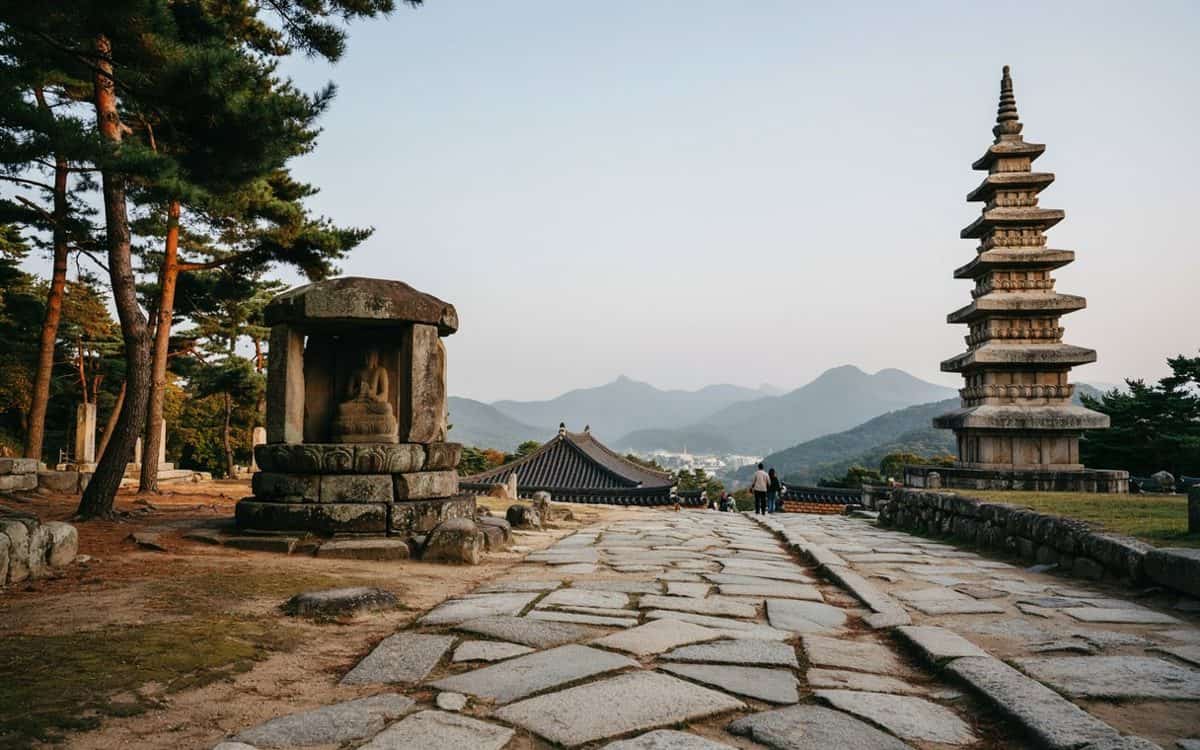
Image generated with Ai
South Korea is entering a new phase of tourism competition in 2026 as regional cities such as Gyeongju, Busan, and others take centre stage in the country’s ambition to attract more international visitors and compete with leading destinations across Asia. For years, global travellers often followed a Seoul-first itinerary before moving briefly to places such as Jeju Island. However, changing travel preferences, rising demand for authentic experiences and stronger competition from neighbouring destinations are pushing South Korea to build a wider tourism network. The strategy aims to spread tourism benefits nationwide, increase visitor spending and create a stronger multi-city travel ecosystem capable of competing with Asia’s leading destinations.
| Korean City | Regional Tourism Strength | Major 2026 Tourism Strategy | Key Attractions / Experiences | Global Competition Advantage | Important Developments |
|---|---|---|---|---|---|
| Busan | Marine tourism, MICE, cruise, culture, shopping and smart tourism | Transform into Korea’s second global tourism hub and reduce dependence on Seoul-focused tourism | Haeundae Beach, Gamcheon Culture Village, Jagalchi Market, coastal experiences, festivals, yacht tourism | Competes with coastal destinations such as Tokyo Bay, Singapore and Mediterranean cities through longer stays and premium experiences | Busan is implementing its 2030 Tourism Promotion Plan with a focus on high-value tourism, AI-powered travel services, cruise growth and international visitor expansion. The city aims to develop a stay-oriented tourism model rather than only increasing visitor numbers. |
| Gyeongju | Heritage, history, cultural tourism | Become a major stop on Korea’s inbound “Golden Route” after Seoul | UNESCO heritage sites, Silla Kingdom history, temples, night tourism, traditional culture | Uses ancient heritage similar to Kyoto, attracting travellers seeking authentic cultural experiences | Gyeongju recorded strong inbound growth in 2026, with foreign visitor numbers and spending rising significantly. It was selected as a Global Special Tourist Zone to expand foreign-friendly infrastructure and longer-stay programmes. |
| Incheon | International gateway, smart tourism, aviation-linked travel | Convert airport traffic into regional tourism demand | Incheon Chinatown, Songdo smart city, islands, coastal attractions | Benefits from one of the world’s strongest aviation connections and serves as Korea’s international gateway | Incheon International Airport strengthened its global position in 2026, handling record international passenger flows and connecting travellers to wider Korean destinations. |
| Jeju | Island tourism, nature, wellness and premium travel | Shift from mass tourism towards sustainable and experience-based tourism | Hallasan Mountain, volcanic landscapes, beaches, wellness retreats, local culture | Competes with Hawaii, Okinawa and Bali through nature-focused travel | Jeju continues developing eco-tourism, wellness tourism and slow travel products to attract higher-value visitors while managing tourism pressure. |
| Jeonju | Traditional Korean culture and food tourism | Strengthen cultural immersion and local lifestyle tourism | Hanok Village, traditional crafts, Korean cuisine, festivals | Offers authentic Korean heritage beyond K-pop and urban experiences | Jeonju is positioned as a cultural alternative for visitors seeking traditional architecture, cuisine and local experiences. |
| Gangneung | Coastal leisure, sports, arts and slow travel | Expand year-round tourism beyond summer beach demand | Beaches, coffee culture, Olympic heritage sites, art attractions | Competes with Japan’s coastal towns and European seaside destinations | Gangneung is growing as a lifestyle destination combining nature, creativity and local culture. |
| Andong | Confucian heritage and traditional culture | Promote deeper cultural tourism routes | Hahoe Folk Village, traditional ceremonies, heritage experiences | Appeals to travellers seeking authentic historical communities | Andong benefits from rising demand for meaningful cultural travel experiences rather than conventional sightseeing. |
| Daegu | Medical tourism, festivals and urban experiences | Expand international visitor appeal through specialised tourism | Traditional markets, fashion districts, wellness and medical services | Competes through niche tourism rather than mass tourism | Daegu continues developing medical, cultural and seasonal tourism products to diversify visitor markets. |
| Daejeon | Science, technology and innovation tourism | Build science-based tourism identity | Research institutions, science museums, technology experiences | Creates a technology tourism niche within Asia | Daejeon uses Korea’s innovation reputation to attract educational and business travellers. |
| Ulsan | Industrial heritage, nature and eco-tourism | Transform industrial identity into diversified tourism | Taehwagang National Garden, coastal landscapes, industrial tours | Offers a different experience combining manufacturing history and nature | Ulsan is promoting industrial tourism alongside ecological attractions to increase regional appeal. |
South Korea’s tourism industry is facing a highly competitive Asian travel market where destinations such as Japan, Thailand, Singapore and Vietnam continue expanding their international appeal. While Seoul remains a powerful global city driven by K-pop, Korean dramas, shopping and food culture, policymakers recognise that relying heavily on one metropolitan area limits tourism growth.
Advertisement
The new approach focuses on creating multiple tourism hubs across the country. Regional cities are being supported with improved infrastructure, international visitor services, digital travel solutions and destination branding campaigns. The objective is to encourage travellers to discover a broader image of Korea that combines modern innovation with centuries-old traditions.
This regional expansion also addresses economic distribution. By attracting visitors to smaller cities, tourism revenue can support local businesses, cultural communities and regional employment. Instead of short visits concentrated around Seoul, Korea is promoting multi-city itineraries where travellers spend more time experiencing different regions.
Advertisement
The government’s designation of new Global Tourism Special Zones demonstrates this direction. Gyeongju and Busan’s Haeundae district were selected as flagship examples of how regional destinations can achieve international competitiveness through specialised tourism products and improved visitor convenience.
Busan is emerging as one of South Korea’s strongest regional tourism challengers because it combines urban energy with marine attractions, cultural experiences and international event capabilities. As the country’s second-largest city, Busan has long been recognised for its beaches, port economy and vibrant lifestyle. Now, the city is positioning itself as a global maritime tourism destination.
The city’s tourism strategy focuses on high-value experiences rather than only increasing visitor arrivals. Coastal attractions such as Haeundae Beach, Gwangalli Beach and Songjeong Beach are being connected with marine activities, festivals, shopping, gastronomy and entertainment. The aim is to create a destination where visitors stay longer and explore multiple experiences.
Busan is also strengthening its role as a MICE destination through convention facilities and international events. The city’s combination of beaches, business infrastructure and cultural attractions gives it an advantage over traditional resort destinations.
Smart tourism is another major priority. Digital travel services, foreign-friendly payment systems, improved transportation solutions and technology-based visitor support are becoming central elements of Busan’s tourism development.
By blending modern city experiences with coastal landscapes, Busan is attempting to compete with destinations such as Tokyo’s waterfront districts, Singapore’s integrated attractions and Mediterranean coastal cities.
Gyeongju is taking a different route from Busan by using history and cultural identity as its global tourism advantage. Known as the former capital of the ancient Silla Kingdom, the city offers some of Korea’s most important historical sites, including UNESCO-listed heritage locations, temples and archaeological treasures.
The city is being developed as a destination for travellers seeking authentic cultural experiences. Instead of competing through entertainment or modern attractions, Gyeongju is highlighting traditional architecture, ancient history, night tourism and immersive heritage programmes.
The designation of Gyeongju as a Global Tourism Special Zone is expected to accelerate international tourism development. Plans include stronger foreign-language services, improved transportation options, mobile payment convenience and expanded cultural programmes.
Gyeongju’s opportunity comes from the growing global demand for meaningful travel. Many international travellers are increasingly searching for destinations where they can understand local history, traditions and communities.
The city also benefits from its ability to complement Busan. Tourism analysts have identified the Busan-Gyeongju combination as a powerful regional travel route, similar to how cities such as Osaka and Kyoto work together in Japan by combining modern urban experiences with traditional culture.
While Busan and Gyeongju are receiving major attention, several other Korean cities are contributing to the country’s regional tourism expansion.
Incheon is strengthening its position as more than an airport gateway. The city is using its international connectivity, smart city development and coastal attractions to encourage travellers to stay rather than simply transfer through the airport. Songdo’s futuristic urban landscape, historic open-port areas and nearby islands provide a different experience from Seoul.
Jeju Island continues to be one of Korea’s strongest international destinations. However, its tourism strategy is shifting towards sustainable travel, wellness experiences and nature-based tourism. The volcanic landscape, hiking routes, beaches and eco-friendly activities help Jeju compete with global island destinations such as Bali, Okinawa and Hawaii.
Gangneung is developing as a coastal lifestyle destination with beaches, coffee culture, arts and Olympic-related attractions. The city represents Korea’s effort to create year-round tourism rather than relying only on summer travel.
Jeonju is strengthening its reputation through traditional Korean culture, cuisine and the famous Hanok Village experience. Meanwhile, Andong continues attracting visitors through folk traditions, Confucian heritage and cultural preservation.
Together, these cities create a more diverse tourism map where every destination offers a distinct reason to visit.
South Korea’s regional tourism strategy shows that competition in the global travel market is no longer only about famous landmarks. Modern travellers increasingly value authenticity, convenience, sustainability and unique experiences.
Cities that successfully combine local identity with international standards are gaining an advantage. Busan demonstrates how a city can transform coastal resources into a global lifestyle destination. Gyeongju shows how ancient heritage can become a modern tourism asset. Incheon highlights the importance of connectivity, while Jeju demonstrates the power of nature-based travel.
The challenge for Korea will be improving transportation links between regions, expanding multilingual services and ensuring that tourism growth benefits local communities. Stronger connections between cities will be essential for creating attractive multi-destination travel routes.
Research into Korea’s tourism network suggests that regional clusters, such as the Busan-Gyeongju corridor, could become powerful alternatives to Seoul-focused travel patterns by linking different experiences within one journey.
South Korea’s tourism future is moving towards a multi-centre model where regional cities become international destinations in their own right. The country is no longer promoting only one image of Korea but many different experiences.
Visitors can discover futuristic urban environments in Incheon, marine adventures in Busan, ancient history in Gyeongju, island escapes in Jeju and traditional culture in Jeonju and Andong.
This transformation reflects a broader global tourism trend where travellers seek deeper connections rather than quick sightseeing. By investing in regional competitiveness, South Korea aims to increase visitor satisfaction, extend travel stays and strengthen its position in the global tourism market.
The success of this strategy will depend on how effectively Korea connects its cities into one seamless travel network. If achieved, the country could develop a tourism ecosystem capable of competing with some of Asia’s strongest destinations while offering travellers a richer and more diverse Korean experience.
South Korea’s regional tourism expansion is gaining momentum because global travellers are demanding more diverse and meaningful journeys. The answer lies in empowering cities beyond Seoul with distinctive identities, advanced facilities and internationally competitive experiences. Gyeongju’s heritage appeal, Busan’s coastal strength and other regional destinations are becoming vital pillars of the country’s tourism future. The reason behind this transformation is clear: a broader tourism network can attract longer stays, support local economies and strengthen South Korea’s position in the global travel market. This evolving strategy could redefine how visitors discover the country in the years ahead.
Advertisement
Advertisement
Advertisement











Wednesday, September 2, 2026
Tuesday, September 1, 2026

Wednesday, September 2, 2026

Wednesday, September 2, 2026

Tuesday, September 1, 2026
Tuesday, September 1, 2026

Tuesday, September 1, 2026

Tuesday, September 1, 2026



