
Switzerland Updates Travel Warnings for Hungary, Croatia, and Beyond Amid Heightened Central European Security Risks

Published
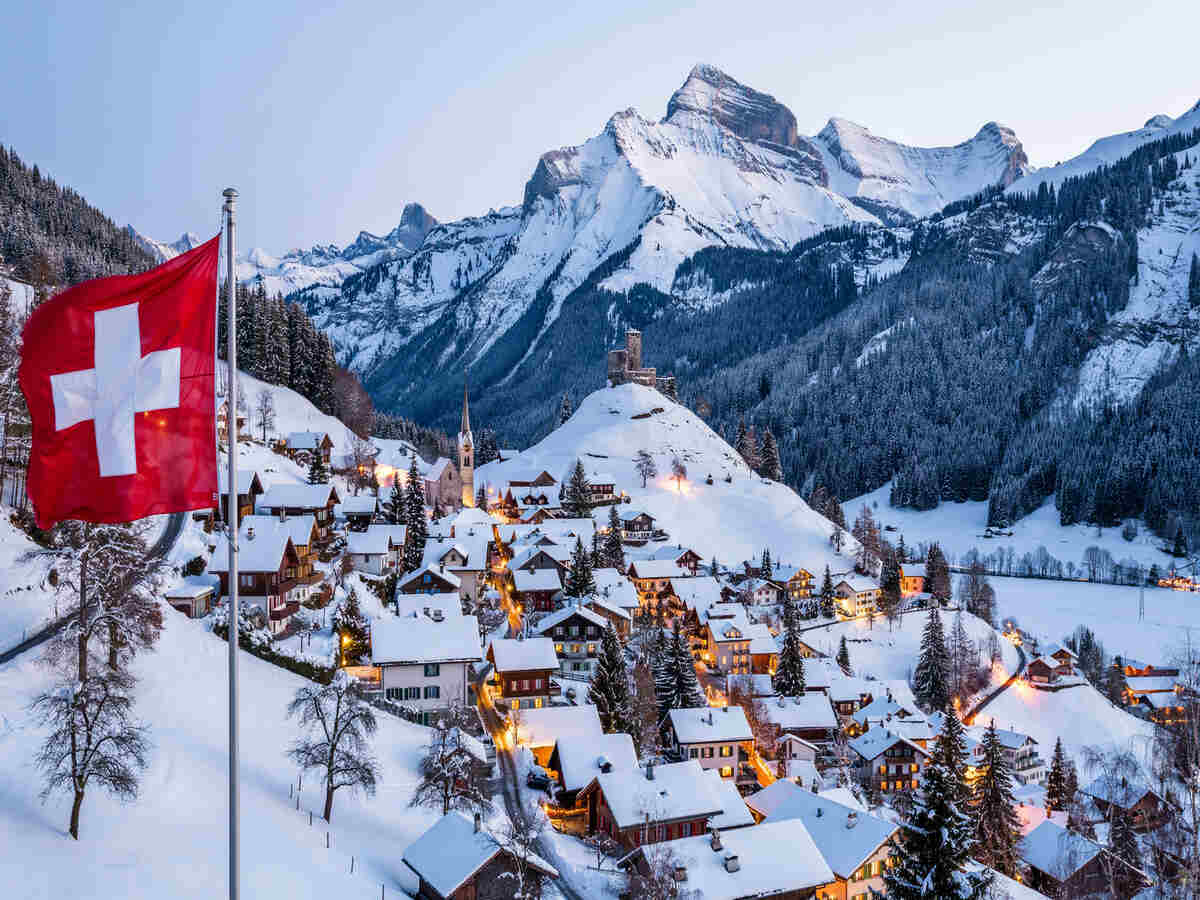
Image generated with Ai
Travel warnings have been issued by Switzerland concerning Hungary, Croatia, and France. Considering the current changing dynamics in terms of geopolitics in Central Europe, the European countries have taken measures in terms of security coordination. To reflect the changes, the FDFA of Switzerland has issued new travel warnings.
These comprehensive guidelines cover key European destinations—including Hungary, Croatia, and France (along with its overseas territories)—to ensure citizens are fully equipped to handle localized legal frameworks, petty crime, civil unrest, and environmental hazards.
How Switzerland Alerts and Supports Travelers
The Switzerland FDFA maintains an active infrastructure designed to keep Swiss nationals informed before and during international travel. The advisory network relies on four key mechanisms:
- Continuous Risk Evaluations (Reisehinweise): Real-time monitoring of geopolitical stability, local crime trends, strike actions, and legislative changes across destination countries.
- The “Travel Admin” Mobile Platform:A dedicated smartphone application where travelers register itineraries, track local emergency contacts, store travel documents, and receive real-time push alerts during localized crises.
- Location Check-In System: In the event of sudden civil unrest or natural disasters, registered users can communicate their precise location directly to Swiss consular services with a single tap.
- 24/7 FDFA Helpline:A round-the-clock emergency assistance line (
+41 800 24 7 365or+41 58 465 33 33) accessible via call, email, or direct contact through the Travel Admin app.
Country-by-Country Safety Breakdown
1. Hungary
Travel to Hungary remains generally safe, but travelers must navigate specific security, financial, and regulatory guidelines.
Advertisement
Advertisement
- Geopolitical & Demonstrations: Russia’s ongoing aggression against Ukraine maintains elevated regional tensions. Public demonstrations occur in major urban centers and can escalate into clashes or cause significant traffic delays.
- Terrorism & Security: A general risk of terrorist attacks cannot be ruled out. Travelers are advised to follow local authority instructions and avoid large public gatherings.
- Crime & Nightlife Fraud: Petty crime (pickpocketing and luggage theft) is prevalent at train stations, on public transit, and near tourist sites. Impostor police officers carrying fake credentials have been reported. Official Hungarian police officers carry a five-digit service number and a credit card-sized plastic ID.
- Spiked Drinks & Scams: Reports of drink-spiking (using narcotics in food, drinks, or cigarettes) to rob or extortionately overcharge tourists exist in some nightlife venues. Immediate reports can be filed via the universal European emergency number
112. - Transport & Road Regulations:
- Motorway E-Vignette: Required before driving on highways ($M1$, $M3$, $M5$, $M7$). Enforced via automated camera networks.
- Zero-Tolerance Driving Law: Hungary enforces a strict $0.0\text{‰}$ blood alcohol concentration (BAC) limit. Any detectable alcohol results in immediate legal action.
- Vehicle Theft Tactics: Thieves along highways may feign breakdowns or signal artificial vehicle damage to force drivers to pull over. Drivers are advised not to exit their vehicles at night and to proceed to safe areas.
- Special Laws & Risks: Transporting undocumented persons constitutes human smuggling, punishable by severe prison terms. Photography of military or strategic infrastructure marked with prohibition signs is strictly forbidden. Drug offenses, regardless of quantity, carry long prison sentences under challenging penal conditions. Heavy rainfall may trigger regional flooding and landslides.
2. Croatia
Croatia is classified as generally safe, though specific inland hazards and strict traffic accident protocols require attention.
- Landmine Hazards in Inland Regions: While the coastal region and Istria are entirely mine-free, former combat zones from the 1991–1995 conflict inland (such as portions of Lika, Karlovac, Slavonia, and the Zadar hinterland) still contain unexploded ordnance. Travelers must strictly stay on paved roads and obey warning signs posted by the Croatian Mine Action Center (CROMAC).
- Traffic Accident Protocols: In any accident involving personal injury or foreign-registered vehicles, the police must be called to the scene. The vehicle cannot be moved until officers complete a formal report (Potvrda o oštećenju vozila). Crossing the border out of Croatia with a damaged vehicle without this police certificate is illegal.
- Human Smuggling & Narcotics: Transporting unknown individuals across or within borders is treated as human trafficking, leading to severe fines and multi-year imprisonment. Strict penalties apply for all narcotics infractions.
- General Safety & Transport: Public transit relies heavily on long-distance buses and domestic flights, alongside main train routes linking Zagreb to Rijeka, Split, and Osijek. Petty crime precautions are standard, though hate crimes targeting individuals who publicly identify as LGBTQ+ can occur.
3. France & Overseas Territories
Travelers visiting mainland France or its overseas territories face heightened security protocols, frequent strike actions, and specific local regulations.
Advertisement
Advertisement
- Vigipirate Security Alert System: France operates under heightened security alert levels (Plan Vigipirate). Military and police forces actively patrol transit hubs, cultural sites, commercial centers, and places of worship.
- Public Demonstrations & Strikes: Protests occur frequently across major cities, occasionally escalating into violent clashes, property damage, or blockades. Transport strikes regularly cause delays across rail networks and airports.
- Metropolitan Crime & Highway Scams:
- High rates of pickpocketing, purse-snatching, and vehicular break-ins occur in Paris, Marseille, and the Côte d’Azur.
- Travelers on overnight trains should exercise extreme caution, as instances of sleeper-car burglaries have been documented.
- On motorways, staged breakdown scams are common. Furthermore, fraudulent SMS messages targeting drivers with fake toll notices or environmental fine links are active; all fees must be verified directly through official operators.
- Environmental Driving Badges: Cities including Paris, Lyon, Marseille, and Strasbourg enforce low-emission zones ($ZFE$). Vehicles must display an official physical Crit’Air vignette, ordered in advance from government portals.
- Overseas Territories Breakdown:
- Corsica: Sporadic protests, political demonstrations, and target arson against government buildings or holiday homes occur.
- New Caledonia: Political tensions, particularly around Nouméa, can trigger sudden unrest, curfews, supply shortages, and airport closures under state-of-emergency declarations.
- Mayotte: High crime rates combined with social unrest, strikes, and infrastructure deficits (water and medical shortages).
- La Réunion: Stable conditions, though outdoor enthusiasts must monitor volcanic and weather warnings before hiking.
- Guadeloupe & Martinique: Periodic social strikes, road blockades, and rising localized gang violence related to transit trade routes. Travelers must avoid poorly lit areas at night.
- French Guiana: Elevated crime levels and potential supply disruptions during major labor strikes.
- Maritime Security: Risks of piracy exist in waters surrounding Indian Ocean territories (Mayotte, La Réunion).
Regional Travel Advisory Comparison Table
| Destination | Main Traveller Risks | Important Legal and Driving Rules | Emergency and Official Information |
|---|---|---|---|
| Hungary | Nightlife scams, drink-spiking incidents and vehicle theft at motorway rest areas | Zero-tolerance 0.0‰ BAC rule for drivers; motorway E-Vignette generally required before using applicable toll roads; strict drug legislation | Emergency: 112 · Police: Official national police service |
| Croatia | Unexploded landmines can remain in some former conflict areas, particularly away from established tourist routes | Vehicles involved in certain road accidents may need to remain at the scene until police complete procedures and provide required documentation | Emergency: 112 · Road Assistance: Croatian Auto Club HAK |
| France – Mainland | Demonstrations, transport strikes, pickpocketing and scams targeting motorists at some rest areas | Crit’Air environmental sticker requirements apply in designated low-emission zones or ZFEs; narcotics offences can carry substantial legal penalties | Emergency: 112 · Security Information: French Interior Ministry |
| New Caledonia | Civil unrest, political disruption, strikes and possible shortages affecting transport or essential supplies | Authorities may introduce curfews, access controls or temporary movement restrictions during periods of unrest | Official Resource: High Commission of New Caledonia |
| Mayotte and French Guiana | Petty and violent crime risks in some areas, alongside infrastructure pressures and possible water-supply disruption | Travellers should exercise increased caution in isolated or non-tourist districts and avoid vulnerable locations after dark | Official Resource: Local prefecture advisories |
Practical Checklist for European Road Trips
To stay compliant with local laws and prevent travel disruptions, review these essential operational requirements before departure:
- Verify Driving Documents: Ensure your driver’s license, vehicle registration, and international insurance card are current.
- Secure Highway Passports: Purchase Hungarian e-vignettes online prior to entering toll routes and apply for French Crit’Air clean-air badges weeks before traveling.
- Register Itineraries:Enter trip details into the Swiss Travel Admin app to receive local push updates and enable rapid consular assistance.
- Inspect Medications: Carry official prescriptions for all standard and psychiatric medications to clear customs without legal friction.
- Observe Local Boundaries: Never photograph restricted military or strategic buildings, adhere strictly to marked paths in inland Croatia, and avoid picking up hitchhikers across all borders.
Updated travel warnings have been released by Switzerland regarding the three countries mentioned above (Hungary, Croatia, and France).
Traveling around Europe entails blending spontaneity with planning. With changing security concerns, traffic rules, and guidelines in Hungary, Croatia, and France, it is important to always stay updated through official sources such as the FDFA of Switzerland as well as using the Travel Admin application. Being knowledgeable about the traffic rules, having emergency numbers handy, and being careful in highly trafficked areas are some of the measures that can help make your trip smooth and stress-free.
Advertisement
