
Macau Unveils Its Next Tourism Power Move: A Giant Waterfront National Museum Is Coming by 2029
Updated
Published
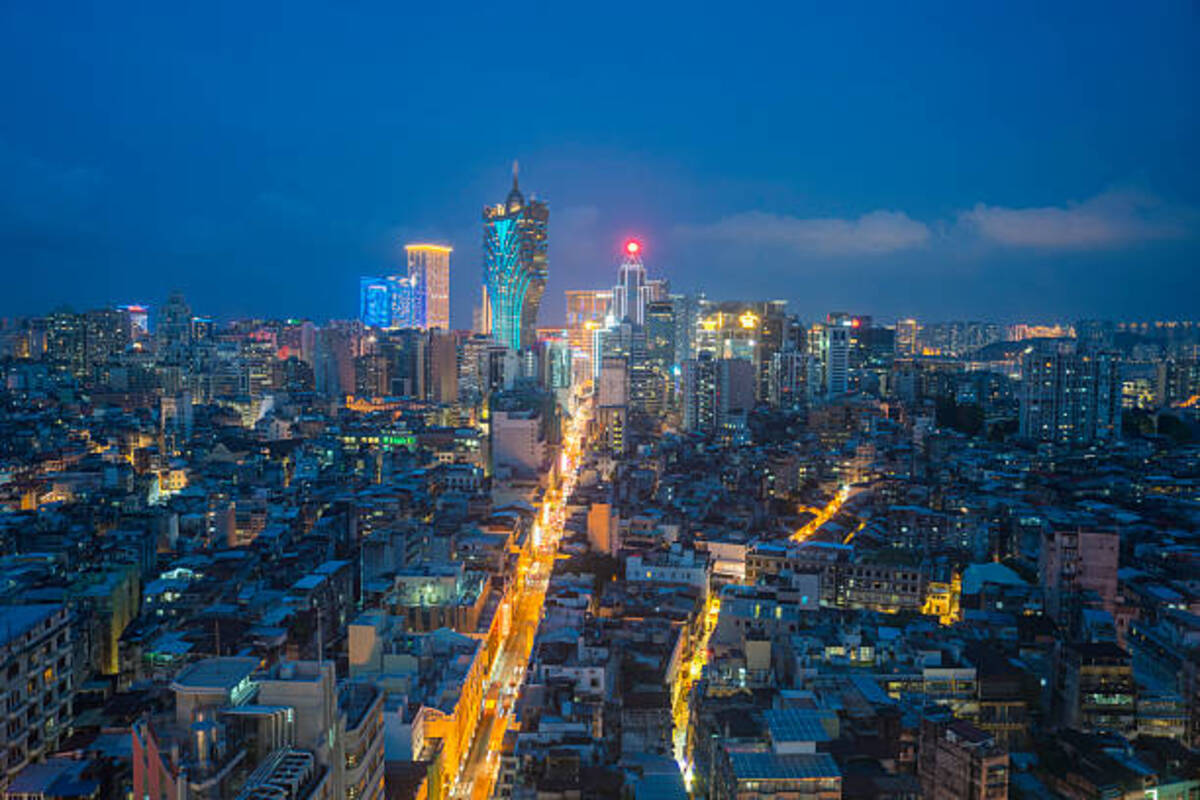
Macau is building a new museum to incorporate additional tourism beyond its current gambling-centered economy. The new museum will be constructed on the waterfront as part of a larger cultural center.
The new Macau National Museum of Culture (NMC) will be constructed on land to the east of the Macau Tower by the waterfront in the area of Nam Van Lake and Sai Van Lake. According to the Cultural Affairs Bureau (IC), this project will span 90,000 square meters, making it one of the largest cultural projects to be undertaken in the territory.
Advertisement
Advertisement
The government of Macau intends to finalize an architectural concept for this project this year, and the first of the many phases of construction is scheduled to be completed by the end of 2029 for the public to enjoy.
New Museum to Anchor Macau’s Cultural Tourism Plans
The Macao National Museum of Culture is intended to become the first priority project within the Macau International Integrated Tourism and Culture Zone.
Advertisement
Advertisement
The planned cultural district forms part of the government’s wider strategy to strengthen Macau’s position as an international tourism and leisure destination while diversifying the city’s visitor economy.
The wider zone is expected to include three major cultural facilities: the new national museum, an international performing arts centre and a museum of contemporary art.
Advertisement
Advertisement
Together, the projects are designed to create a broader cultural offering for residents and international visitors. They could also give Macau additional attractions capable of encouraging tourists to spend more time away from the city’s established gaming and entertainment districts.
Leong Wai Man, president of the IC, said the museum would occupy a strategically located coastal site close to Macau’s historic centre while remaining relatively separated from residential neighbourhoods.
Advertisement
Advertisement
The waterfront setting is also expected to provide views towards the surrounding lakes and create a stronger connection between the museum complex and Macau’s public outdoor spaces.
Ten Architectural Teams Invited to Compete
The government has invited 10 architectural teams to submit concepts for the museum.
The shortlist includes four international teams from Portugal, Switzerland, the United Kingdom and the Netherlands, alongside three teams from mainland China and three Macau-based teams.
Authorities have not publicly identified the firms while the selection process is continuing.
Advertisement
Advertisement
According to the IC, the teams were selected for their experience in designing major cultural facilities, particularly museums. Their previous work and relevant architectural awards were among the factors considered during the selection process.
Once proposals are submitted, they will be evaluated by a combination of urban planning and cultural heritage specialists and representatives from public-sector bodies.
The architectural competition will be important because the winning concept will help determine not only the appearance of the museum but also its internal organisation, construction requirements and eventual cost.
Museum Budget Has Yet to Be Decided
Macau has not yet established a final budget for the project.
Officials said a more accurate cost estimate can only be prepared after an architectural proposal has been selected.
Leong explained that the government first needs to determine the preferred design before calculating the financial requirements associated with construction and the museum’s various functions.
Advertisement
Advertisement
The uncertainty is understandable given the scale of the development. With almost 100,000 square metres of gross construction area and extensive museum, public, restoration and visitor facilities planned, the final architectural concept could significantly influence the project’s cost.
The first construction tender will be prepared after the conceptual design has been chosen.
Authorities also intend to ensure that construction of the second phase does not disrupt the operation of facilities opened during the first stage.
Phase One Will Focus on Macau’s History
The museum will be constructed in two phases, allowing Macau to open part of the complex to the public before the entire development is completed.
Phase One will concentrate primarily on Macau’s history and culture, including the city’s historical role as an important node along the Maritime Silk Road.
The first phase will also feature exhibitions examining China’s development and culture. Another component will explain the planned functions, spaces and architectural concept of the full museum.
Advertisement
Advertisement
This approach means visitors will be able to experience an operational part of the museum while the wider complex continues to take shape.
Leong said the first phase would give residents and tourists an opportunity to learn more about Macau’s history through thematic exhibitions while also providing an understanding of what the completed museum is intended to offer.
Officials have indicated that Phase One will open as soon as construction is completed rather than being held back until the second phase is finished.
Larger Museum Functions Planned for Phase Two
Most of the museum’s core functions and major spaces are expected to be delivered during Phase Two.
The completed complex is planned to include the main museum building, exhibition galleries, collections storage and conservation facilities. It will also incorporate spaces for social education, cultural exchange and public activities.
Visitor-oriented facilities are expected to include food and beverage outlets, family leisure areas, green spaces and underground parking.
Advertisement
Advertisement
The museum will provide Macau with substantially more space to display its own historical collections and cultural relics.
At present, officials say limited exhibition capacity prevents the comprehensive presentation of many aspects of Macau’s history and the territory’s existing collections.
The new facility is intended to address that limitation while creating space for exhibitions borrowed or developed in partnership with national museums, cultural institutions and international organisations.
That could give Macau a larger role in regional cultural exchanges and create opportunities for travelling exhibitions that appeal to both local audiences and international visitors.
Waterfront Green Corridor to Be Integrated
The museum’s waterfront location has also raised questions about how the development will interact with Macau’s wider public-realm plans.
The Municipal Affairs Bureau (IAM) said the museum would be integrated with the southern waterfront green corridor, rather than replacing it.
Advertisement
Advertisement
Zones 1 and 2 of the waterfront project have already opened, while adjustments were made to the planning of Zone 3 after the museum project was introduced.
Officials said there is no significant overlap between the two developments.
Wong Kei Lok, head of the IAM’s construction division, said the changes involved a relatively small adjustment to the boundary between the projects. He added that the overall area and facility arrangements of the green corridor would not be substantially affected.
The intention is to make the museum and waterfront promenade function as connected public spaces, potentially creating a more attractive environment for both residents and tourists.
Temporary Coach Parking Will Be Relocated
The museum site is currently used as a temporary parking area for large tourist coaches.
Transport officials said the coaches can continue using the location until construction begins.
Advertisement
Advertisement
Alternative parking arrangements are planned on the Macau Peninsula and in Taipa, allowing the museum development to proceed without leaving large tourist vehicles without suitable facilities.
The relocation will become more important as construction activity begins and the waterfront site transitions from temporary transport use into a permanent cultural destination.
Performing Arts and Contemporary Art Projects to Follow
The museum is only the first component of Macau’s planned International Integrated Tourism and Culture Zone.
Preliminary planning for the Macau International Performing Arts Centre and the Macau Museum of Contemporary Art is expected to begin in 2027.
Authorities aim to complete their design work and begin the relevant engineering tenders by 2030.
The sequencing indicates that Macau is pursuing a longer-term cultural infrastructure programme rather than treating the national museum as an isolated project.
Advertisement
Advertisement
If delivered as planned, the three facilities could establish a new cultural district capable of supporting exhibitions, performances, contemporary art, heritage interpretation and international cultural exchange.
For tourism, the significance extends beyond simply adding another attraction. Macau is seeking to broaden the reasons visitors come to the territory and the activities they undertake once they arrive.
A New Chapter for Macau’s Tourism Strategy
The Macao National Museum of Culture represents a substantial investment in the territory’s cultural infrastructure and could become an important new attraction for the city’s tourism industry.
Its planned location near the Macau Tower, historic centre and southern waterfront gives the project a potentially strong connection between heritage, architecture, public space and visitor experiences.
The first phase is scheduled to open by the end of 2029, subject to the progress of the architectural selection and subsequent construction process. The final design will also determine the project’s eventual budget and influence how the two construction phases are delivered.
For Macau, the development reflects a broader tourism strategy: building cultural attractions that complement gaming, entertainment and hospitality rather than relying on them alone.
With the museum planned first and the performing arts and contemporary art facilities expected to follow, the proposed cultural zone could gradually reshape Macau’s waterfront and strengthen its identity as a destination for history, culture, arts and international tourism.
Advertisement
