
Montana Aligns With California And More Places As Canada Tariff Battle Puts US Border Tourism, Hotels And Attractions At Risk

Published
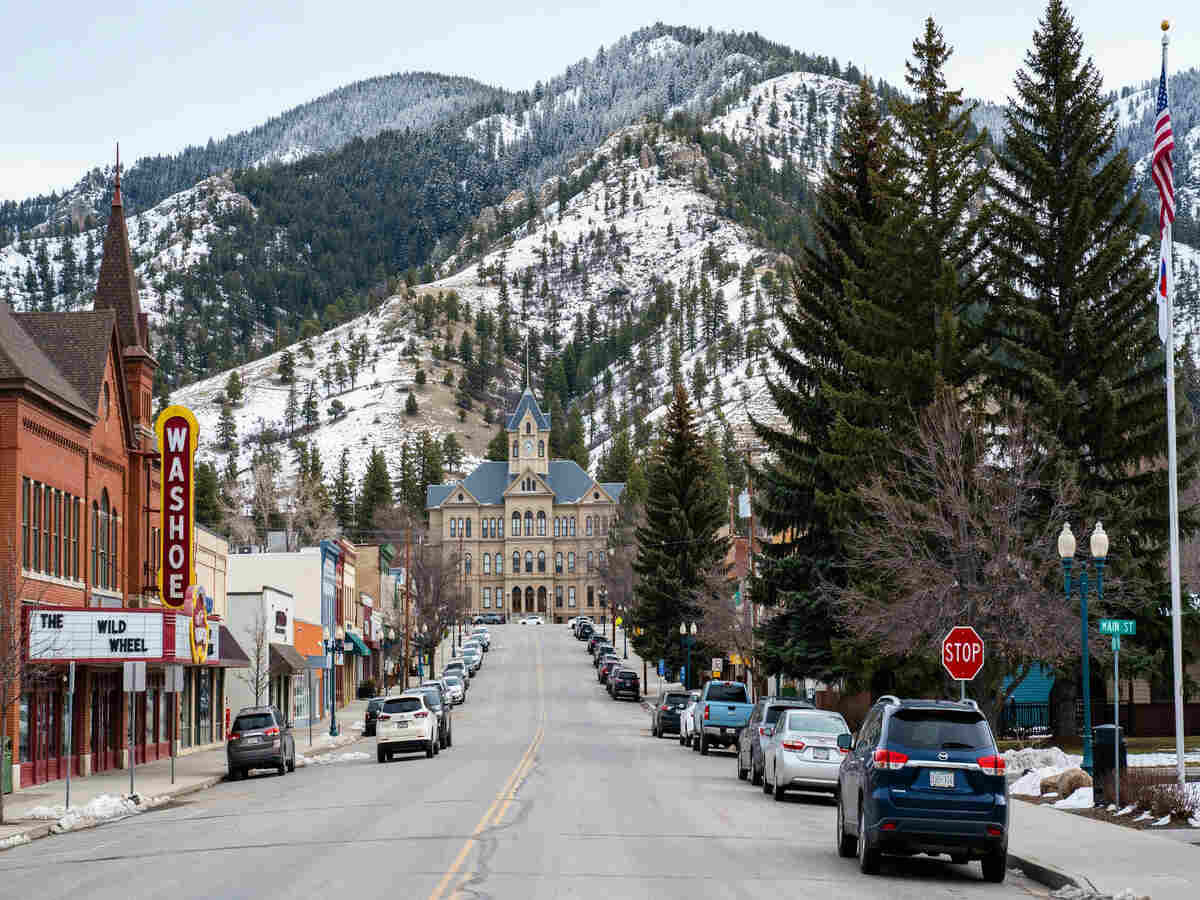
Image generated with Ai
Tourism destinations in the US will have to face more challenges as tensions between the two nations regarding tariffs continue to pose threats to tourists and the hospitality industry. In addition, the continuing tension between the US and Canada regarding the imposition of tariffs has posed yet another challenge to tourism destinations in America, with Montana, California, and some other tourism-dependent states being exposed to risks as a result of reduced number of Canadian tourists.
Canada has historically been one of the most important international visitor markets for the United States. Millions of Canadians travel south every year for holidays, shopping trips, outdoor adventures, entertainment and seasonal escapes. However, rising political tensions, tariffs and changing traveller sentiment have encouraged some Canadians to delay US trips, choose domestic holidays or explore alternative international destinations.
Advertisement
Advertisement
The impact is being felt far beyond the Canadian border. From Montana’s national parks to California’s major attractions, tourism economies that depend on Canadian visitors are now facing uncertainty.
Montana Faces Growing Pressure As Canadian Outdoor Travellers Reconsider US Trips
Montana has become one of the US states facing tourism risks because of its close connection with Canadian travellers and its reputation as an outdoor adventure destination.
Advertisement
Advertisement
The state attracts Canadian visitors seeking:
Advertisement
Advertisement
- Glacier National Park experiences
- Mountain adventures
- Wildlife tourism
- Fishing and camping trips
- Scenic road journeys
Many Canadian travellers traditionally cross the border by car to explore Montana’s wilderness destinations. Border communities and tourism operators benefit from these visitors through hotel stays, restaurants, fuel purchases, equipment rentals and guided experiences.
However, reduced Canadian travel could create economic pressure for smaller communities that depend heavily on seasonal tourism.
Places including:
Advertisement
Advertisement
- Glacier Country
- Flathead Valley
- Whitefish
- Missoula
- Yellowstone gateway communities
could experience weaker visitor spending if Canadian travellers continue shifting their holiday plans.
For Montana, the challenge is not only fewer international arrivals but also the loss of high-value visitors who often spend several days exploring rural destinations.
Advertisement
Advertisement
California Joins The List As Canadian Visitor Decline Threatens Major Tourism Hubs
Although California is not a border state with Canada, it remains one of the biggest beneficiaries of Canadian tourism spending.
Canadian visitors have traditionally travelled to California for:
- Disneyland and theme parks
- Los Angeles entertainment
- San Francisco attractions
- Coastal holidays
- Wine tourism
- Luxury travel experiences
Cities such as Los Angeles, San Francisco, San Diego and Anaheim depend on international visitors to support hotels, restaurants, attractions and retail businesses.
A slowdown in Canadian arrivals creates risks for California’s tourism recovery, especially because Canadian travellers are among the state’s largest international visitor groups.
California tourism businesses face potential challenges including:
Advertisement
Advertisement
- Lower hotel occupancy
- Reduced attraction ticket sales
- Declining restaurant spending
- Lower shopping revenue
- Fewer long-stay vacation bookings
The state also competes with destinations such as Mexico and Europe, where Canadian travellers may redirect spending if they decide to avoid US trips.
New York Becomes A Major Warning Signal For US Tourism
New York has emerged as one of the clearest examples of how tariff tensions are affecting tourism.
Canadian visitors have traditionally played a major role in New York’s tourism economy, supporting both New York City and border destinations.
Affected areas include:
New York City
Canadian travellers contribute significantly to:
Advertisement
Advertisement
- Broadway shows
- Hotels
- Museums
- Restaurants
- Shopping districts
- Iconic attractions
Niagara Falls
The destination depends heavily on cross-border tourism, with Canadian and American visitors supporting:
- Hotels
- Tour operators
- Restaurants
- Family attractions
Adirondacks And Lake George
These regions attract Canadian visitors for:
- Summer holidays
- Outdoor activities
- Weekend escapes
- Seasonal travel
New York has responded with tourism campaigns designed to rebuild Canadian demand. The state introduced initiatives including “NY LOVES CANADA” and special travel offers aimed at encouraging visitors to return. Reports indicate Canadian tourism spending in New York fell significantly, pushing officials and businesses to promote discounts and hospitality incentives.
Maine And Vermont Risk Losing Their Cross-Border Tourism Advantage
Maine and Vermont are among the US states most dependent on Canadian visitors because of their geographic location and easy road connections.
Maine Tourism Risks
Maine attracts Canadian travellers for:
Advertisement
Advertisement
- Coastal holidays
- Acadia National Park
- Seafood tourism
- Shopping trips
- Family vacations
Small coastal communities often rely on international visitors during peak travel seasons. A decline in Canadian arrivals could directly affect local accommodation providers, restaurants and independent businesses.
Vermont Tourism Risks
Vermont faces particular exposure because Canadian visitors support:
- Ski resorts
- Autumn foliage tourism
- Mountain towns
- Outdoor recreation
Destinations such as Stowe, Killington and Burlington have historically welcomed visitors from Quebec and Ontario.
A weaker Canadian market could affect winter bookings and seasonal employment.
Michigan And Washington Feel The Impact Of Reduced Border Travel
Michigan and Washington are also vulnerable because they maintain strong economic and tourism connections with Canada.
Advertisement
Advertisement
Michigan
The Detroit–Windsor connection is one of North America’s busiest cross-border links.
Tourism businesses affected include:
- Casinos
- Restaurants
- Shopping centres
- Sports venues
- Entertainment attractions
Michigan is also exposed because tariffs affect industries connected to Canada, including automotive manufacturing, creating wider economic uncertainty.
Washington
Washington benefits from Canadian visitors from British Columbia who travel to:
- Seattle
- National parks
- Shopping destinations
- Coastal attractions
Border communities depend on frequent Canadian trips, especially for weekend tourism.
Advertisement
Advertisement
Nevada And Florida Face Risks From Changing Canadian Holiday Patterns
The impact extends beyond border states.
Nevada
Las Vegas has historically been a favourite destination for Canadian travellers.
Canadian visitors support:
- Casino resorts
- Entertainment shows
- Luxury hotels
- Restaurants
- Events
Las Vegas has already experienced pressure from weaker Canadian demand, with tourism officials reporting a decline in Canadian visitors. Some businesses have introduced incentives to attract travellers back.
Florida
Florida’s tourism economy also depends heavily on Canadian visitors, particularly seasonal travellers escaping winter weather.
Advertisement
Advertisement
Affected destinations include:
- Miami
- Orlando
- Fort Lauderdale
- Gulf Coast resorts
Canadian visitors contribute to:
- Holiday rentals
- Theme parks
- Cruise tourism
- Long-stay accommodation
A reduction in Canadian winter travel could create challenges for businesses built around seasonal demand.
Alaska, Minnesota And North Dakota Face Border Tourism Uncertainty
Northern states with strong Canadian connections are also monitoring the situation.
Alaska
Canadian visitors support Alaska’s:
Advertisement
Advertisement
- Cruise tourism
- Wilderness adventures
- Wildlife experiences
Minnesota
Canadian travellers contribute to tourism around:
- Lakes
- Outdoor recreation
- Regional attractions
North Dakota
Border towns depend on Canadian visitors for:
- Retail spending
- Hotels
- Restaurants
- Short trips
For these destinations, even small declines in visitor numbers can have a major impact because tourism businesses operate on seasonal revenue cycles.
US Tourism Industry Launches Recovery Efforts To Win Back Canadians
As Canadian travel patterns change, American destinations are increasing promotional efforts.
New York and other tourism markets are offering:
Advertisement
Advertisement
- Hotel discounts
- Attraction packages
- Special visitor deals
- Marketing campaigns focused on hospitality
The goal is to remind Canadian travellers that American destinations remain accessible and welcoming despite political disagreements.
However, tourism officials face a difficult challenge because travel decisions are often influenced by emotions, perceptions and consumer confidence, not only prices.
Recent reports show that Canadian visitors have increasingly explored alternatives such as domestic Canadian destinations, Mexico, the Caribbean and Europe.
Future Outlook: Tariff Conflict Could Reshape North American Travel
The US–Canada tourism relationship has been built for decades on geographic proximity and cultural connections. However, prolonged trade tensions could permanently change travel behaviour.
The biggest risks include:
Advertisement
Advertisement
- Reduced border tourism
- Lower hotel demand
- Declining attraction revenue
- Fewer seasonal tourism jobs
- Increased competition from alternative destinations
Montana, California, New York, Maine, Vermont, Michigan, Washington, Nevada and Florida represent different parts of the US tourism economy, but they share one common challenge — dependence on Canadian travellers.
As the tariff dispute continues, American tourism leaders are watching closely because the impact is no longer limited to trade. It has become a major travel economy issue affecting destinations, businesses and communities across the United States.
Advertisement
