
Nairobi Lead Africa’s Climate-Resilient Tourism Boom as Global Travelers Shift to Safer, Sustainable Destinations

Published
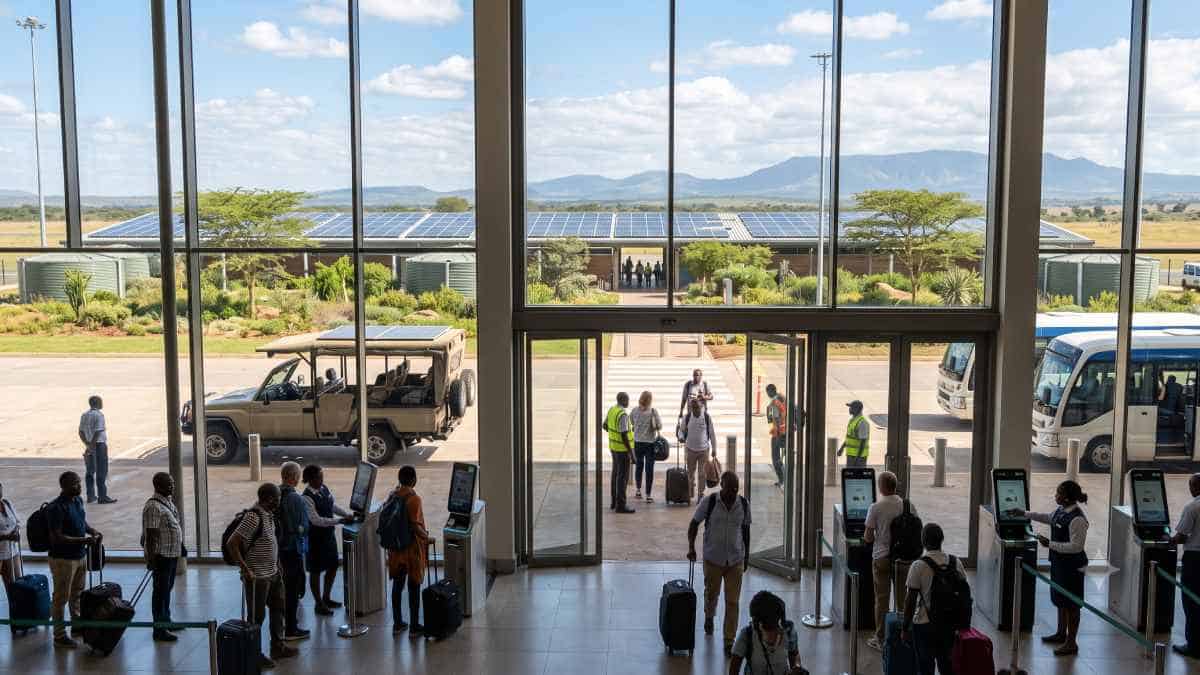
African destinations are becoming resorts for the climate movement More. This is an abstract of a blog published by the World Travel & Tourism Council. It is the fourth in a series of snippets that explore a new tourist pattern emerging as global tourism enters a new phase, with climate-driven volatility, extreme weather events and infrastructure pressures shaping destination choices. As holidays markets in the northern hemisphere and beyond contend with hurricanes, flooding, heat waves and the strain of over-tourism, markets in Africa continue to offer reliable transport, fresh air, open space and nature-based tourism, and strong investor confidence in a low-density product.
Background: Global Climatological Shifts and the African Travel Realignment
A structural transformation is being experienced across the international travel landscape, driven by increasing climate unpredictability and evolving traveller preferences. Global international tourist arrivals and record export revenues were confirmed in statistical releases from UN Tourism for recent reporting periods. However, a significant realignment of travel flows away from climate-vulnerable markets has been masked by this broader recovery.
Operational friction for long-haul travellers has been created in traditional destination corridors across the Caribbean and North America by seasonal Atlantic hurricane risks, extreme storm surges, and escalating financial entry barriers, including high-cost visa bonds implemented in select non-African jurisdictions. In contrast, extraordinary momentum has been demonstrated across the African continent, where substantial surges in international tourist arrivals have been recorded.
Double-digit expansion has been documented across key individual African markets, including South Africa, Ethiopia, Morocco, and the Seychelles. Inbound demand is being redirected away from over-touristed and flood-prone destinations toward regions supported by sustainable travel infrastructure. Environmental friction is being transformed into a competitive advantage by African nations through the deployment of targeted municipal investments, digital travel facilitation, and low-density land management models.
Advertisement
Advertisement
Pillar 1: Severe Weather Infrastructure Disruptions and Aviation Hub Vulnerability
Critical gateways for long-haul arrivals are represented by aviation hubs across East and Southern Africa, yet their operational capacities have been increasingly tested by extreme weather events. Persistent operational challenges are presented by intense precipitation spikes, convective thunderstorms, and high tarmac tarmac temperatures. In response, proactive infrastructure retrofits and automated management systems are being deployed by airport authorities and civil aviation bodies so that airport infrastructure delays may be prevented.
East African Transit Gateways: Drainage Overhauls in Nairobi and Dar es Salaam
A principal aviation crossroads for long-haul traffic into East Africa is served by Jomo Kenyatta International Airport (JKIA) in Nairobi, Kenya. Major structural interventions were executed by the Kenya Airports Authority (KAA) after apron operations and ground access were threatened by severe rainfall events. The clearing of major drainage channels surrounding airfield aprons, the expansion of subterranean stormwater holding capacities, and the conduct of regular emergency response exercises were prioritized under KAA directives.
Advertisement
Advertisement
These physical engineering measures are reinforced by real-time aviation climate adaptation frameworks established by the Kenya Civil Aviation Authority (KCAA) and the Kenya Meteorological Department. Predictive severe weather warnings and route planning support are received by flight operations teams through automated Aeronautical Information Management (AIM) platforms, allowing arrival corridors to be adjusted dynamically by air traffic control so that aircraft holding patterns during heavy downpours can be averted.
In Tanzania, parallel infrastructure reinforcement has been undergone at Julius Nyerere International Airport (JNIA) in Dar es Salaam. Extensive flood control and drainage systems were constructed across the lower Msimbazi basin under the Dar es Salaam Metropolitan Development Project (DMDP), monitored by national audit bodies, to protect critical access corridors leading to JNIA. Concurrently, taxiways were rehabilitated, airfield drainage networks were upgraded, and tarmac surfaces were reinforced by the Tanzania Airports Authority (TAA) to withstand heavy tropical downpours.
Advertisement
Advertisement
These investments are directly aligned with Tanzania’s National Climate Change Strategy, wherein formal climate mark-up indices are integrated into public infrastructure planning so that operational resilience during extreme weather events is maintained across major transport corridors. Through the stabilization of JNIA’s operations, a reliable transit pipeline along the Central Corridor is maintained by Tanzania for international visitors traveling onward to national parks and coastal reserves.
Southern African Aviation Nodes: Tech Interventions in Johannesburg and Cape Town
The region’s largest hub network is operated in Southern Africa by Airports Company South Africa (ACSA), led by O.R. Tambo International Airport in Johannesburg and Cape Town International Airport. Flight delays and ground halts have repeatedly been confronted at O.R. Tambo International due to severe localized convective storms, lightning strikes, and fuel hydrants impacted by power disruptions. Automated flight tracking and rerouting protocols were implemented by Air Traffic and Navigation Services (ATNS) so that schedule adjustments during unexpected weather disruptions could be managed.
To streamline passenger flows and eliminate terminal congestion caused by flight rescheduling, collaboration was undertaken between ACSA, the Department of Home Affairs, and the Border Management Authority (BMA) to deploy modern digital facilitation technologies. Rapid, contactless processing of inbound and outbound passengers is enabled through the progressive rollout of automated digital border clearance and biometric movement control systems, developed in partnership with international technology providers such as IDEMIA.
When flight departure windows are compressed by severe weather, passenger processing through security and customs checkpoints is accelerated by these automated systems, mitigating terminal overcrowding and maintaining high levels of operational safety.
Advertisement
Advertisement
Pillar 2: Geographic Redistribution to Climate-Resilient and Low-Density Destinations
Beyond the fortification of primary transit hubs, a geographic redistribution of inbound travelers is being driven by the shift toward climate-resilient tourism in Africa. Secondary inland cities, high-altitude urban centers, and arid coastal regions that offer predictable weather conditions, excellent municipal infrastructure, and low visitor density are increasingly being selected by visitors.
High-Altitude Urban Eco-Gateways: Kigali’s Strategic MICE Positioning
A compelling example of strategic, high-value destination positioning is offered by Rwanda’s capital, Kigali. Situated at a high elevation above sea level, a moderate, highly predictable microclimate is enjoyed by Kigali, insulating business and leisure travellers from extreme tropical heatwaves affecting lower-altitude regional hubs. This geographic advantage has been leveraged by the Rwanda Development Board (RDB), operating under the Second National Strategy for Transformation (NST2) and its Five-Year Strategy, to build a world-class hub for high-end eco-tourism and the MICE travel sector.
Substantial tourism revenues and international arrival gains have been reflected in official economic performance figures released by the RDB, driven by sustained growth in international conferences, corporate events, and specialized health and education travel.
Rwanda’s growth is anchored by strict urban cleanliness standards, environmental protection policies, and universal visa-on-arrival entry policies established for all global citizens. In addition, a high-value, low-density model is operated for Rwanda’s flagship conservation asset—mountain gorilla trekking in Volcanoes National Park, celebrated annually during the Kwita Izina gorilla naming ceremony. With premium permit pricing structures maintained and direct revenue distributions made to surrounding rural communities, pristine natural capital is preserved by Rwanda while high economic returns are delivered.
Arid Microclimates: The Growing Demand for Windhoek and Swakopmund
In Southwestern Africa, a growing share of international leisure travel is being attracted to Namibia’s primary urban and coastal destinations—Windhoek and Swakopmund—by stable, arid atmospheric conditions. Consistent, sunlit weather is provided year-round by Namibia’s hyper-arid topography, unlike tropical coastal destinations vulnerable to heavy seasonal monsoon downpours and cyclonic storms.
Overland and fly-in safari itineraries routed through Windhoek and Swakopmund are being expanded by international tour operators, pairing low-density desert excursions in Sossusvlei and the Namib Desert with ocean-based eco-tours along the Atlantic coast. Local conservancies are directly supported by visitor growth under Namibia’s commitment to community-based natural resource management, while low vehicle and visitor density is maintained across fragile desert ecosystems.
Advertisement
Advertisement
Adaptive Marine Logistics: Stone Town and Zanzibar’s Tidal Resilience
Changing weather conditions are also being adapted to by island destinations. In the Zanzibar Archipelago, marine transport networks and resort logistics have been adapted in Stone Town to counter shifting seasonal wind vectors and rising tidal surges. Strong monthly and annual international arrival expansions have been reported in official statistics from the Office of the Chief Government Statistician (OCGS) and the Zanzibar Commission for Tourism (ZCT).
Targeted maritime adaptations have been overseen by the Zanzibar Commission for Tourism to ensure visitor safety and maintain operational continuity amidst changing weather patterns. GPS-monitored safety systems, flexible dhow sailing schedules adapted to real-time wind forecasts, and upgraded floating pontoon docking facilities across key coastal resorts have been introduced by marine transport operators in Stone Town.
High shares of international arrivals have been recorded via Abeid Amani Karume International Airport alongside arrivals via mainland sea ferry routes, resulting in robust commercial accommodation bed occupancy rates.
Pillar 3: Transitioning to Journey-Focused Regenerative Safaris
Alongside infrastructural and urban adaptations, a fundamental shift is being undergone within the safari sector. Holiday preferences among multi-generational and affluent cohorts have been re-evaluated due to rising peak-season lodge rates and climate-induced shifts in wildlife migration routes. Rapid, multi-camp check-ins are being abandoned by travellers in favor of immersive, slow-paced regenerative safari models centered in community-owned conservancies.
Low-Impact Concession Architecture in Maun and the Okavango Delta
In Botswana, the primary access point for the Okavango Delta is served by the safari gateway of Maun, widely recognized for its sustainable tourism management. Co-managed under the Okavango Delta Management Plan by the Department of Wildlife and National Parks (DWNP) and the Botswana Tourism Organisation, a high-value, low-density concession framework is operated across the Delta.
Exclusive territorial rights across controlled private concessions surrounding Moremi Game Reserve are granted to safari operators by the DWNP under this system. Vehicle numbers at wildlife sightings are strictly capped, and high environmental standards are mandated by this spatial management model. Off-grid solar photovoltaic systems, silent thermodynamic water heaters, and advanced waste treatment units are utilized by safari camps.
Advertisement
Advertisement
Furthermore, local communities in concessions such as Khwai, Mababe, and Sankuyo are empowered through Botswana’s implementation of the Management Oriented Monitoring System (MOMS) to monitor natural resources, reduce human-wildlife conflict, and secure direct financial benefits from eco-tourism operations.
Solar Hydro-Mobility: Livingstone and the Zambezi River Basin
In Zambia, sustainable management policies are being implemented across the Livingstone and Zambezi River basins by the Ministry of Tourism. To protect the riverine ecosystems surrounding Victoria Falls (Mosi-oa-Tunya National Park) from noise pollution and carbon emissions, solar-electric passenger boats and low-emission pontoon vessels are being deployed on the Zambezi River by luxury safari operators.
Low-carbon transit options are emphasized in Zambia’s national tourism strategy, supporting extended river itineraries that integrate cultural heritage encounters, canoeing safaris, and low-impact catch-and-release angling. By spreading visitor activity along the Zambezi River and promoting longer stays, physical congestion near Victoria Falls is reduced while average visitor spend in surrounding communities is increased.
De-Congesting Northern Circuits: Arusha’s Private Conservancy Shift
In Northern Tanzania, the primary staging hub for iconic wildlife destinations, including the Serengeti National Park and Ngorongoro Crater, is served by Arusha. However, a strategic shift toward low-density conservancies and Wildlife Management Areas (WMAs) has been prompted by seasonal traffic congestion on core park tracks.
Itineraries are being routed toward private conservancies bordering national parks by leading safari operators working alongside the Ministry of Natural Resources and Tourism. Strict vehicle quotas are enforced, specialized activities such as guided walking safaris and night drives are offered, and community revenue-sharing mechanisms that directly fund rural healthcare, education, and anti-poaching operations are utilized by these conservancies. Migration corridors are protected while an uncrowded, high-quality experience is provided for international travellers through the marketing of shoulder-season visits and low-impact tented micro-camps.
Policy Frameworks, Economic Impact, and Comparative Market Analysis
The growth of climate-resilient tourism in Africa is supported by forward-looking public policy frameworks and fiscal mechanisms. Climate adaptation mark-up indices are increasingly being incorporated into public sector budgeting by African governments. Infrastructure projects are evaluated against potential climate risks under initiatives like Tanzania’s National Climate Change Strategy to ensure resilient transport infrastructure is built using public funds.
Advertisement
Advertisement
| Industry Dimension | Baseline: Caribbean & US Inbound Markets | Emerging Africa Resilient Destinations |
| Primary Environmental Risk | Atlantic hurricane seasonality, severe storm surges, and high visa bond costs | Flash flooding, monsoon shifts, tarmac heatwaves, and seasonal rain surges |
| Demand Redistribution Vector | Seasonal travel diversions away from hurricane belts | Rerouting from over-touristed hubs to high-altitude urban centers & conservancies |
| Infrastructure Adaptation | Indoor marketing & flexible cancellation policies | Drainage overhauls, predictive flight tracking, & biometric border clearance |
| Strategic Product Shift | High-density resort stays & mass cruise ship operations | Solar-powered micro-camps, low-carbon transit, & community conservancies |
| Primary Governance Tool | Reactive insurance payouts & emergency municipal grants | Climate mark-up budgeting, universal visa-on-arrival, & community revenue shares |
Clear economic returns are being delivered through this focus on resilience. It has been emphasized in the World Economic Forum (WEF) Travel & Tourism Development Index (TTDI) that strong long-term competitive advantages are built by destinations investing in environmental sustainability, robust municipal infrastructure, and community inclusion. Massive global economic and employment contributions continue to be generated by travel and tourism worldwide.
It has been demonstrated through performance in destinations such as Rwanda and Zanzibar that national economic transformation and sustained commercial returns can be driven when high-value, sustainable tourism, adaptive airports, and resilient maritime infrastructure are prioritized by authorities.
Strategic Industry Outlook: WEF and UN Tourism Projections
It has been indicated in forecasts from UN Tourism and the World Economic Forum that destination selection will remain decisively influenced by climatological resilience across the global travel landscape. Operational disruptions and diminished visitor satisfaction are risked by destinations failing to adapt their transport networks and land-use policies as tourist arrivals expand.
The African continent is positioned to capture an expanding share of high-value international travel through a proactive emphasis on community-managed conservancies, modernized transit hubs, and renewable energy integration. Sustained optimism for African market expansion is reflected in UN Tourism panel surveys, wherein it is highlighted that a clear roadmap for destination management in an era of global climate change is provided through the continent’s combination of smart infrastructure, digital facilitation, and low-density luxury travel.
A permanent shift toward destinations built on environmental endurance and operational stability is reflected in the realignment of global travel routes. As climate friction and infrastructure strain are encountered by traditional holiday hubs, the creation of lasting tourism value through proactive governance and sustainable development is demonstrated by African destinations. A resilient, future-proof travel ecosystem is being built across the continent through investments in hardened gateways, digital border clearance systems, and community-owned conservancies. A new era in global travel is signaled by the ongoing expansion of climate-resilient African tourism—one in which sustainability, safety, and uncrowded experiences are brought together seamlessly.
Conclusion
This is shown by the restructuring of global routes due to the fact that destination resilience is now the critical criterion for survival in international tourism. As traditional holiday routes struggle with harsh climatic disturbances and overcrowded cities, the future model of global travel has been provided by climate-resilient tourism in Africa. The environmental problems have been transformed to viable economic opportunities by African countries through the use of aviation technology, electronic immigration services, high-elevation conference routes, and low-density solar reserves. This will result in increasing movement of leisure and business travelers to stable, secure, and uncrowded parts of Africa.
Advertisement
