
US Alongwith UK And Australia Battle Oppressive Algorithmic Fare Escalation During Demand Spikes Stranding Disheartened Itinerant Tourists

Published
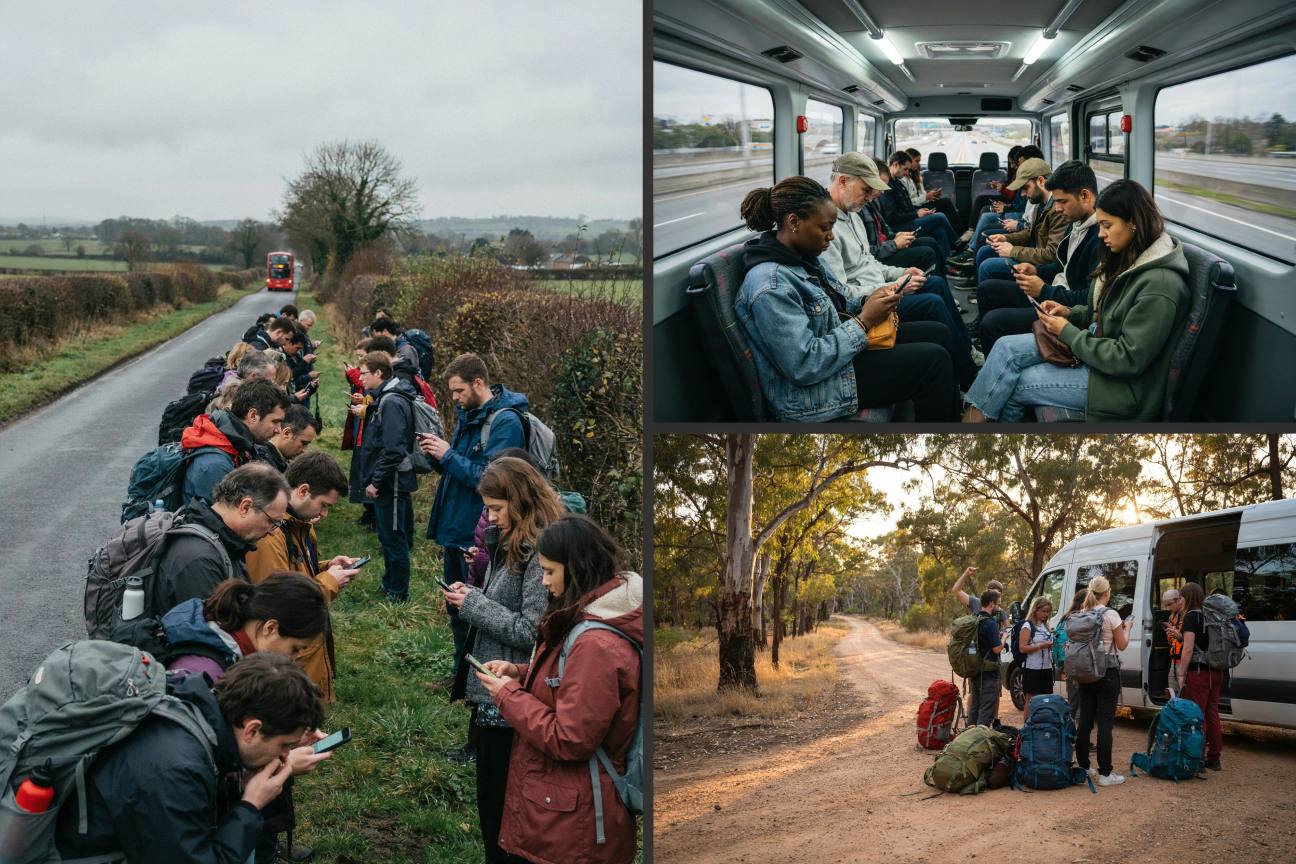
Travellers across the US, UK and Australia face algorithmic fare escalation during demand spikes. Modern tourism relies on predictable transport costs. Unpredictable fares ruin carefully planned visitor itineraries. Spontaneous local cultural festivals drive regional tourism growth. Traditional fixed-route transit previously managed these visitor influxes. Flat fares encouraged widespread regional exploration. Today, municipalities favour Demand-Responsive Transit systems instead. These digital micro-transit networks abandon fixed schedules completely.
This technological shift introduces immense friction for tourists. Algorithms react instantly to localised passenger surges. Fares increase precisely when festival access becomes vital. This creates severe public equity and tourism gaps. Code prioritises revenue optimisation over equitable visitor access. Tourism boards express mounting concern regarding these barriers. The United Nations Tourism department monitors this closely. Sustainable travel requires accessible and equitable local transport. Automated pricing threatens this fundamental hospitality objective.
Evolving Tourist Transport Paradigms
Public transit networks historically supported tourism economies efficiently. Fixed-route buses maintained stable capacities for visitors. Fares remained entirely predictable for international travellers. Predictability aids vital tourism sector logistical planning. The World Travel and Tourism Council confirms this. Flat fares encourage spontaneous exploration of new destinations.
Municipal transport authorities now outsource mobility technology frequently. They adopt complex algorithmic microtransit network operations. Private technology partners manage these automated vehicle fleets. Algorithms evaluate vehicle supply and tourist demand continuously. They monitor high booking request volumes constantly. Real-time evaluation triggers dynamic responses immediately. Surge zones expand dynamically around major event sites. Fare multipliers apply automatically without warning to tourists.
Advertisement
Advertisement
The Mechanisms Behind Travel Price Surges
Understanding this requires examining transport dispatch models. Modern mobility management platforms process vast data pools. They map concentrated passenger requests geographically. A micro-geographic zone experiences a sudden tourist surge. This occurs frequently during spontaneous local cultural festivals.
The system detects a rapid supply-demand imbalance. Predictive models calculate available vehicle seats instantly. Available seats fall below a pre-set threshold. The pricing engine activates automated surge triggers immediately. It applies multi-tier multipliers to standard base fares. This regulates demand and theoretically limits booking requests. It supposedly incentivises driver fleet deployment to hotspots.
Advertisement
Advertisement
Compounding Festival Congestion Delays
Road congestion increases significantly around rural festival grounds. Predicted trip times balloon for arriving tourists. Machine learning models factor vehicle latency accurately. They add this delay directly into cost equations. This escalates passenger prices much further rapidly. Fares experience massive and sudden unpredictable increases.
Travellers see transit prices jump dramatically onscreen. A standard tourist fare may quadruple instantly. This causes immediate mobility exclusion for many visitors. Budget-conscious tourists abandon their planned travel itineraries completely. The International Air Transport Association monitors ground links. Poor first-mile ground links disrupt wider aviation networks.
Advertisement
Advertisement
The United Kingdom Tourism Experience
Government transport datasets highlight distinct regional challenges. The UK Department for Transport provides operational guidance. Rural Demand-Responsive Transit systems connect remote communities. They link underserved villages to major rail networks. These transport schemes support seasonal village fairs directly. Heritage events rely heavily on these transport links.
However, transient visitor surges trigger algorithmic price multipliers. Local booking apps reflect incredibly high surge pricing. Transport for Quality Life evaluated these regional systems. Unmonitored dynamic pricing algorithms undermine regional policy objectives. The primary government goal is affordable public access. Algorithms ignore localised peak tourist demand periods entirely.
This damages rural UK tourism economies severely. VisitBritain encourages regional tourism dispersal actively. High transit costs deter this essential dispersal strategy. International tourists remain trapped in major capital cities.
United States Municipal Tourism Integration
United States municipalities integrate microtransit into urban frameworks. Dynamic pricing operates under negotiated service level agreements. Public-private partnerships govern these vital transport contracts. Microtransit vans substitute discontinued off-peak bus lines. They serve commuter and tourist routes normally.
Advertisement
Advertisement
Unannounced street festivals cause massive tourist request spikes. Booking volume surges within minutes of event commencement. Federal transportation performance reports flag critical operational issues. Strict contractual price caps are frequently missing entirely. Dynamic pricing algorithms push tourist fares much higher.
Fares exceed reasonable limits for both visitors. Tourists rely on these essential travel routes. Public transit subsidies fail to prevent price surges. The US Department of Transportation warns municipal authorities. Uncapped algorithms harm urban tourism equity and accessibility.
Australia Regional Tourism Transport Trials
State transport authorities expand Australian microtransit services rapidly. They trial on-demand transport in popular regional hubs. These services bridge critical first-mile gaps for tourists. Suburban transit links depend on them heavily. Regional music festivals attract large international tourist crowds. Algorithms manage shared-ride fleets during these massive events.
Fares adjust automatically based on real-time availability. Transport policy reviews highlight major challenges for tourism. Price surges impact younger international attendees disproportionately. Non-driving tourists face severe and sudden transit isolation. They lack scheduled fixed-route transport alternatives locally.
Transport for New South Wales reviews empirical data. Automated software rules govern these rural transit networks. Contractual bounds often lack necessary tourism surge protections. Tourism Australia notes this restricts regional economic growth.
Analysing Tourist Mobility Equity
Transit equity is a cornerstone of sustainable tourism. Visitors expect fair pricing regardless of temporary demand. Algorithmic pricing removes this fundamental expectation completely. Tourists become captive audiences to software pricing mechanics.
Advertisement
Advertisement
International visitors often lack local transport knowledge. They rely entirely on official recommended transit apps. When prices surge, they have no alternative options. This creates a deeply negative destination experience. Negative experiences reduce repeat visitation rates significantly.
The UN Tourism department categorises this as exclusionary. Accessible tourism requires stable ground transport networks. Municipalities must balance technology with hospitable civic duties.
Comparing Transit Models for Tourists
Understanding the disparity requires direct model comparison. Fixed-route transit operates on predictable flat rates. Capacity constraints simply lead to longer waiting lines. Fares remain stable despite massive tourist demand. Passenger cost predictability remains completely secure. Public transit boards approve all fare changes publicly.
Conversely, microtransit uses volatile dynamic pricing algorithms. Fares scale up aggressively to throttle tourist demand. Cost predictability vanishes during localised cultural events. Automated rules manage these exact financial fluctuations. Equity drops significantly during short-term tourist surges. Budget-sensitive riders face immediate pricing exclusion. Official government data confirms this concerning industry trend.
Tourist Transit Dynamics Comparison
| Metric Dimension | Traditional Fixed-Route Transit | Algorithmic Microtransit (DRT) |
| Pricing Structure | Flat rate or zone-based pricing | Real-time supply and demand pricing |
| Festival Surge Response | Fixed fare with longer wait lines | Fares scale dynamically to throttle demand |
| Tourist Budget Predictability | Highly predictable standard costs | Highly volatile during unannounced local events |
| Regulatory Framework | Board approvals required for changes | Automated rules within contractual SLA bounds |
| Tourism Equity Accessibility | Universal flat access for all | Risk of pricing out budget-sensitive visitors |
Transport Policy Blind Spots Identified
Transport data frameworks reveal dangerous algorithmic isolation. Algorithms treat cultural gatherings purely as commercial demand. They view heritage festivals as standard demand spikes. They ignore the civic role of tourism completely. Public transit supports community events and local economies.
Municipalities outsourcing technology face massive structural issues. They fail to include crucial surge-suppression clauses. Platform contracts lack mandatory event protections for tourists. Transport authorities must address these contractual blind spots. Clearer open-data reporting is urgently needed worldwide.
Advertisement
Advertisement
Authorities must monitor real-time fare fluctuations constantly. This safeguards equitable tourist access during public events. Transparency protects the destination brand from reputational damage.
Impacts on Global International Tourism
International travel associations observe these patterns closely. The WTTC advocates for seamless passenger ground journeys. Fragmented ground transport disrupts overall tourist experiences. Tourists rely heavily on predictable transit budgets. Unexpected fare hikes damage specific destination reputations severely.
National tourism boards coordinate with transport ministries globally. They aim to cap destructive algorithm multipliers. ENIT in Italy studies similar European pricing patterns. JNTO monitors transport tech integration in Japan. Coordinated regulations ensure absolutely fair transit access. Governments must audit mobility algorithms regularly and thoroughly.
Solutions for Destination Management Organisations
Destination Management Organisations must adapt to this technology. They must negotiate with transport providers directly. Event organisers should subsidise transit during festival hours. This protects visitors from unexpected algorithm price surges.
Geofencing technology can freeze prices around festival zones. This requires strict public sector regulatory oversight. Tourism boards must demand transparent algorithmic pricing rules. Data sharing between apps and tourism boards helps. Predictive modelling can anticipate tourist surges accurately.
Transport ministries must intervene decisively right now. Service level agreements require strict immediate revision. Municipalities must protect public transit subsidies effectively. Algorithms should cap prices during cultural festivals. Geofenced surge limits protect vulnerable international travellers.
Advertisement
Advertisement
Aviation and Ground Logistics Interconnectivity
Airlines depend entirely on reliable ground transport networks. Flag-carrier airline press offices confirm this interconnectivity. Delayed passengers disrupt wider aviation schedules globally. Ground transit failures cause missed international flight connections.
Interconnected transit requires highly stable pricing mechanisms. Demand-Responsive Transit systems need ethical coding standards. Technology must serve the public interest primarily. Tourism logistics fail without affordable last-mile connectivity.
Conclusion: Securing Equitable Tourism Mobility
Addressing this modern mobility crisis is absolutely vital. Authorities must regulate microtransit network operations strictly. Unchecked algorithms threaten local cultural economies directly. Spontaneous local cultural festivals need accessible transport. Governments must protect vulnerable tourists immediately. Transparent pricing models guarantee equitable visitor access. Ultimately, solving algorithmic fare escalation during demand spikes ensures sustainable, fair travel for everyone.
How This Story Helps the Tourism Industry
This report provides vital intelligence for tourism boards. It highlights the urgent need to revise contracts. By exposing algorithmic flaws, it protects festival attendance. Travellers benefit from increased awareness of hidden costs. The tourism industry can advocate for fare caps. It bridges the gap between tech and hospitality.
Advertisement
