
Namibia Rewrites Tourism Success Story With Strict Sossusvlei Rules Protecting Its Global Desert Icon

Published
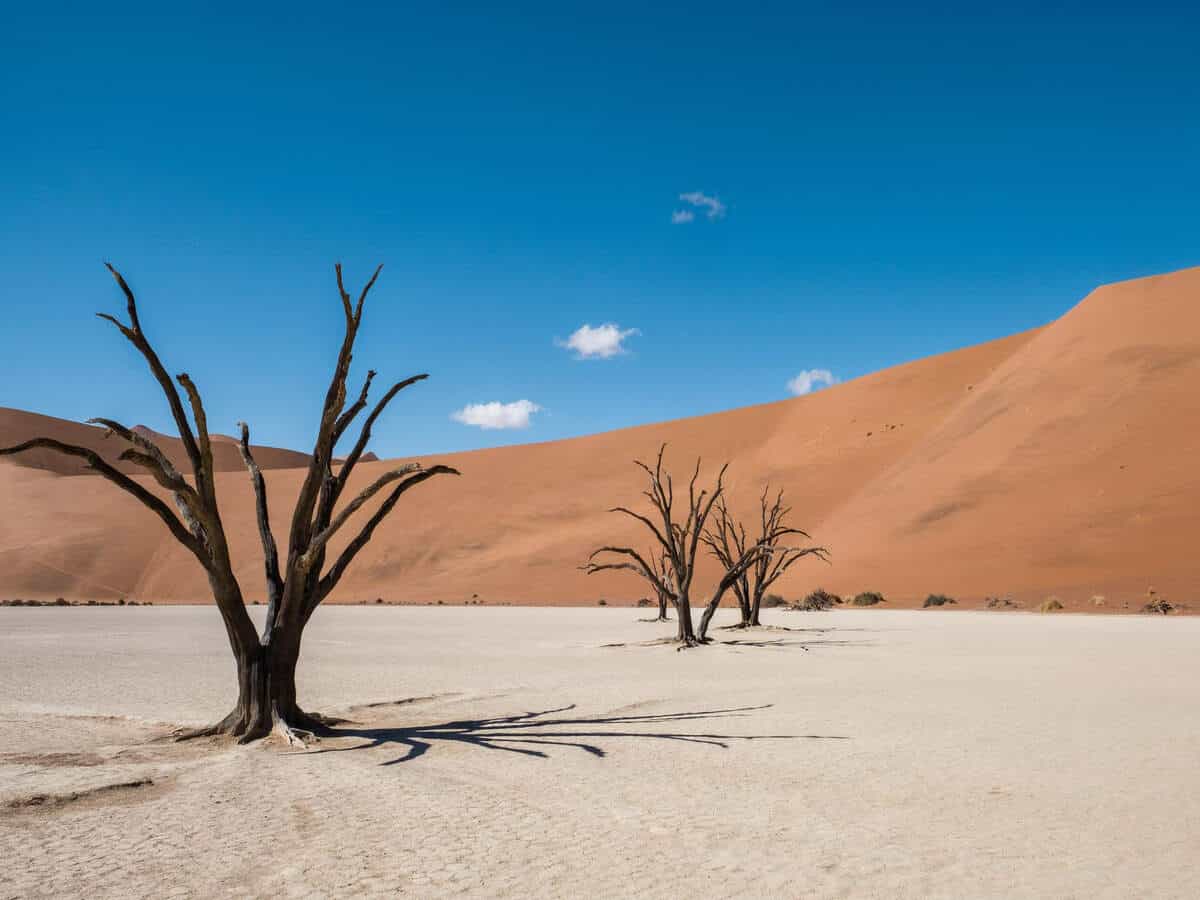
Image generated with Ai
Namibia ensures the preservation of Sossusvlei through stringent guidelines, thus enhancing the sustainability of tourism in the area. Namibia is revolutionising the way tourists will interact with one of the most renowned desert environments in the world, through the implementation of stringent access guidelines of Sossusvlei. The purpose of implementing such policies is not to restrict tourists, but rather to ensure the sustainability of the natural wonder which drives tourism in the country.
Located inside the Namib-Naukluft National Park, Sossusvlei and nearby Deadvlei have become symbols of Namibia’s wilderness identity. Their towering orange dunes, ancient dried camelthorn trees and dramatic desert scenery attract photographers, adventure travellers, luxury holidaymakers and international tour groups from across the world.
The introduction of controlled access into the sensitive 4×4 zone represents a major shift in destination management. Instead of allowing unrestricted vehicle movement into fragile desert areas, Namibia is creating a tourism model based on conservation, controlled visitor flow and higher-quality experiences.
| Key Tourism Change | Details |
|---|---|
| Destination affected | Sossusvlei and Deadvlei |
| Country | Namibia |
| Protected area | Namib-Naukluft National Park |
| Main gateway | Sesriem |
| New approach | Controlled access beyond the 2×4 parking area |
| Main objective | Conservation, visitor safety and sustainable tourism |
| Tourism model | Low-impact, high-value travel |
Strict Sossusvlei Rules Protect Namibia’s Most Valuable Tourism Attraction
Sossusvlei is not simply another sightseeing location. It represents Namibia’s global tourism brand. The destination is among the most photographed desert landscapes in Africa and plays a major role in attracting international visitors seeking unique wilderness experiences.
Advertisement
Advertisement
However, rising visitor interest has increased pressure on the fragile environment. The final sandy section leading towards Deadvlei and Sossusvlei requires careful management because repeated vehicle movement can affect desert tracks and the surrounding landscape.
Advertisement
Advertisement
Under the new access system, private vehicles are restricted from entering the final 4×4 zone beyond the designated 2×4 parking area. Visitors must use authorised shuttle services or approved guided vehicles operated by registered tourism providers.
This approach allows Namibia to protect the desert without closing the attraction. Instead, it creates a controlled tourism experience where visitors can continue enjoying one of Africa’s greatest natural wonders while reducing environmental pressure.
Namibia Attracts More Tourists By Creating a Premium Desert Experience
The strict rules are also helping Namibia strengthen its position as a premium tourism destination.
Modern travellers are increasingly searching for destinations that offer authenticity, untouched landscapes and responsible travel experiences. Namibia’s controlled access strategy supports this demand by protecting the feeling of exclusivity that makes Sossusvlei unique.
Rather than following a high-volume tourism model, Namibia is focusing on:
Advertisement
Advertisement
- Sustainable visitor management
- High-value nature experiences
- Conservation-focused tourism
- Professional guided journeys
- Longer-stay international travellers
The new system can encourage visitors to plan more structured desert experiences through registered operators, specialist guides and accommodation providers.
For luxury travellers, this creates a more curated experience. Instead of dealing with crowded vehicle routes and unmanaged access, visitors can enjoy a better-organised journey into one of the world’s most extraordinary landscapes.
New Access System Creates Better Visitor Management at Sossusvlei
The biggest tourism advantage of the new rules is improved control over visitor movement.
Before the changes, independent travellers with suitable 4×4 vehicles could drive into the final sandy section. Under the controlled system, access is managed through approved transport providers and authorised guides.
| Previous Experience | New Tourism Model |
|---|---|
| Independent vehicle access | Controlled transport access |
| Multiple vehicles entering sensitive areas | Managed visitor movement |
| Less predictable visitor flow | Better organisation |
| Higher environmental pressure | Reduced impact |
| Independent exploration | Guided and structured experiences |
This allows tourism authorities and operators to monitor visitor numbers, improve safety procedures and reduce congestion during peak periods.
Advertisement
Advertisement
For international travellers unfamiliar with desert conditions, the managed approach can also provide additional confidence. The Namib Desert presents challenges including extreme heat, difficult terrain and limited facilities. Controlled access creates a safer environment for visitors.
Conservation Becomes Namibia’s Biggest Tourism Marketing Tool
Namibia is turning conservation into a major tourism advantage.
The country’s appeal has always been connected to its natural landscapes, wildlife and remote wilderness areas. Protecting these assets is essential for maintaining long-term visitor demand.
The Namib-Naukluft National Park, which includes the Sossusvlei region, is one of Africa’s largest protected areas and contains some of the most dramatic desert environments on Earth.
By introducing stricter management, Namibia is sending a message to global travellers that its attractions are protected and responsibly managed.
Advertisement
Advertisement
This strengthens the country’s reputation among:
- Eco-conscious travellers
- Luxury adventure tourists
- Photography enthusiasts
- Nature-focused holidaymakers
- International tour operators
The protection of Sossusvlei itself becomes part of the tourism experience.
Visitors are not only seeing a desert landscape; they are experiencing a destination committed to preserving its natural heritage.
Strict Rules Support Local Tourism Businesses and Professional Operators
The new access model also creates opportunities for Namibia’s tourism sector.
When visitors rely more on approved transport providers and registered guides, local tourism businesses gain a stronger role in delivering experiences.
Advertisement
Advertisement
| Tourism Sector | Potential Benefit |
|---|---|
| Shuttle operators | Increased transport demand |
| Tour companies | More organised packages |
| Lodges | Stronger desert experience packages |
| Guides | More professional opportunities |
| Local businesses | Greater tourism spending |
The system encourages travellers to combine Sossusvlei visits with accommodation, guided activities and longer Namibia itineraries.
This supports a broader tourism economy rather than concentrating visitor spending only on the attraction itself.
Namibia Moves Away From Mass Tourism Towards High-Value Travel Growth
The Sossusvlei decision reflects a wider global tourism trend.
Many famous destinations are now introducing visitor controls to protect natural and cultural attractions. Namibia is following this approach by prioritising quality over quantity.
The country’s tourism future is increasingly built around:
Advertisement
Advertisement
- Remote landscapes
- Luxury wilderness experiences
- Sustainable adventures
- Low-density tourism
- Conservation-based travel
This strategy allows Namibia to compete internationally without sacrificing the very resources that attract visitors.
Instead of encouraging unlimited access, Namibia is protecting the uniqueness that makes travellers choose the country.
What Travellers Need To Know About Visiting Sossusvlei
Visitors planning a Namibia desert journey should prepare for the updated access arrangements.
| Traveller Information | Details |
|---|---|
| Destination | Sossusvlei and Deadvlei |
| Entry area | Sesriem |
| Vehicle restriction | Private vehicles limited beyond 2×4 parking area |
| Alternative access | Authorised shuttle and approved guides |
| Best planning approach | Confirm access arrangements before travel |
The change means travellers may need to adjust their itineraries and include additional transport arrangements when visiting the dune area.
However, the overall experience remains focused on what makes Sossusvlei famous — vast desert landscapes, dramatic dunes and unforgettable natural beauty.
Advertisement
Advertisement
Namibia’s Tourism Future Is Built Around Protection and Growth
Namibia is proving that tourism growth does not always require unlimited access. The country is rewriting its tourism success story by protecting the desert icon that has helped define its global image.
The strict Sossusvlei rules represent a new era where conservation and tourism work together. By controlling access, improving visitor management and supporting professional tourism services, Namibia is creating a stronger foundation for future travel demand.
The message is clear: protecting the desert today will help attract more travellers tomorrow.
Sossusvlei is not becoming less accessible. It is becoming more valuable, more sustainable and more carefully managed — ensuring Namibia’s global desert icon continues inspiring visitors for generations.
Advertisement
