
Impact of the New VAT Tax on Tourism in the Netherlands: A Guide for Travelers

Published
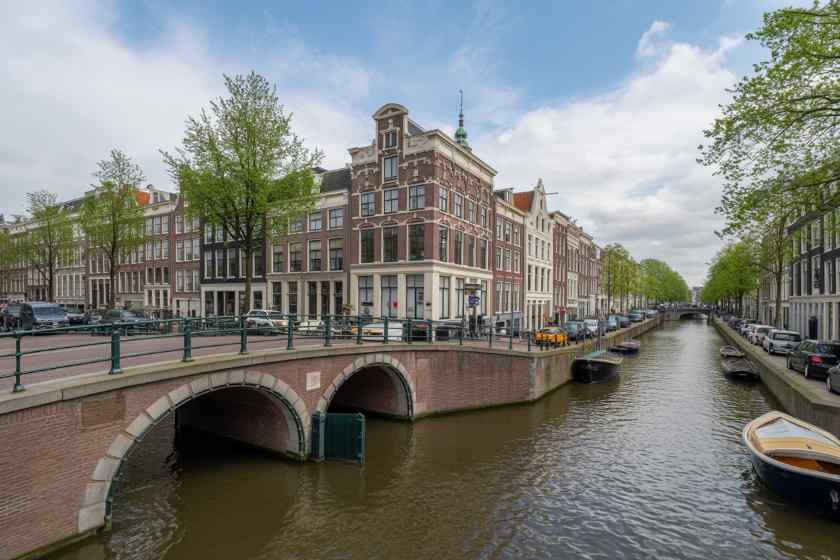
Image generated with Ai
Effective October 2023, the Dutch cabinet has controversially chosen to increase VAT on accommodation—as well as hotels and hostels—to 21%. This decision, purportedly to earn roughly €1.2 billion, expects to gain €910 million from the hotel tax and €302 million from the ancillary tourism services. An overhaul of this magnitude would trigger enormous changes to the tourism landscape of the Netherlands, as evident from the analysis by ABN AMRO and statistics from the CBS. These anticipated changes, though, would also lead to disproportionately large impacts on international tourists, as well as the hospitality businesses within the country.The Effect of VAT Tax for Stays in a Hotel: A Review of the Reported Figures
In the case of ABN AMRO, only a fraction of the income generated from hoteling activities is likely to be impacted by the VAT hike. The analysis suggests that only 34.8% of a hotel’s total income is subject to the increased VAT rates, as most hotel services, such as business bookings, and ancillary services like meals, are either VAT exempt or VAT reclaimable. Hence, the overall surplus obtained by the government from increased VAT taxation may be in the region of €285 million, as opposed to the expectation from the hoteling sector alone, which was €910 million.
Advertisement
Advertisement
A Predicted Deficit for the Tourism and Hospitality Market in The Netherlands
The Netherlands hotel sector is under worsened conditions due to the VAT increase, which can be argued to be the cause for the mere €571 million profits in 2022. The newly imposed tax, alongside increased competition, can lead to a scenario where negative profits can be revealed, due to the induced price decrease. These losses in profits can be worsened in a scenario where price discrimination is employed, as that can lead to an evaded taxable income. As articulated by ABN AMRO’s expert on hotels and leisure Stef Driessen, the tax hike might trigger a decline of €147 million in corporate taxes because of the lower hotel industry profits within the hotel sector. This can affect the country’s tourism industry in the long run, as hotels will have to cut back on crucial financing for the green initiatives, improving the work environment, and other essential work enhancements. This, in turn, is expected to hurt the entire tourism value chain, including the suppliers and other ancillary firms dependent on the hotels.
Advertisement
Advertisement
Tourism in the Netherlands: Implications of the VAT Hike for Outsiders
For foreigners intending to come to the Netherlands, the VAT Yeah on taxes policy shows that bookings for hotels might become increasingly expensive. It is highly plausible that a majority of budget travellers as well as tour groups, could be affected by the increase; however, the extent to which individual hotels opt to adopt the new VAT policy will determine the outcome. It’s also plausible to consider that the new tax configuration will necessitate hotel operators to hike their selling prices in a bid to recuperate the additional value-added tax while still ensuring that their facilities are within the reach of the foreigners visiting the Netherlands.
Advertisement
Advertisement
Nonetheless, the impact of the situation may go beyond hotel accommodation. Tourists travelling to the Netherlands may have to pay inflated prices for lunch, dinner, sightseeing, and any other activities part of the tourism value chain. Given the expectation of inflated hotel and tourism business prices arising from hotel and tourism business attempts to optimise their prices to offset the tax increase, the total travel expenditure to the Netherlands will increase, adversely impacting the tourism equilibrium in the Netherlands.
Obstacles to the Dutch Government and Tourism
Advertisement
Advertisement
Although tax revenues’ purposes for the increase in VAT are to pour additional resources to the purse, the analysis from ABN AMRO suggests the increase won’t have much impact economically. the Dutch government anticipated radical tax revenues from the hospitality industry. However, such optimism fails to take into consideration the diminished revenues from corporate taxes that will result from the falling profits level in the hotel sector, as well as potential employment loss from the tourism sector.
Losing its edge as a world tourism leader is, besides economic ramifications, a possible scenario for the hotel sector as well. Revenue allocated to hotel renovations could be lower due to an increase in VAT, which in turn, lowers the competitive edge of the industry. This might be the reason international travelers would prefer other European destinations, which are relatively cheaper than the Netherlands, to visit.
Research and Forecasting The Future of Tourism in the Netherlands
Though tourism concerns for the Netherlands due to the VAT increase are many, the real impact of the value-added tax would be mitigating strategies the hotel sector would adopt. The need for the moment is to strike a balance in government policy objectives of revenue maximisation against the need for the revenue to be sustainable and to foster growth in the tourism sector.
Advertisement
Advertisement
Assisting travellers in making cost-effective travel plans along with gaining profitable experiences is where the collaborative efforts of the government and hospitality sectors need to be directed to. Advances in tourism infrastructure combined with sustainable budgets and tax-friendly accommodation policies, can offer respite from challenges brought about by the increase in VAT.
Conclusion: Assessing the Consequences of Increasing VAT Rates on Overnight Stays in Dutch Tourism
The increase in VAT on overnight stays will have both positive and negative outcomes for travellers and the hotel industry in the Netherlands. Even though the intention is to raise more funds sustainably, the potential impact on the sector is still something that is left to be seen. The hotel sector losing profits due to the potential increase in prices is a real scenario that could affect the over entire tourism sector. Hence the need to start adjusting to these new changes is of utmost importance. With the increasing changes in the economy, the Netherlands is competing to remain a leading attractive destination to tourists. Properly handling these shifts is essential for the prosperity of the tourism industry in the Netherlands.
Advertisement
