
The Culinary Heritage of Nigeria: 7 Regional Delicacies for the Culturally Curious Traveller

Published
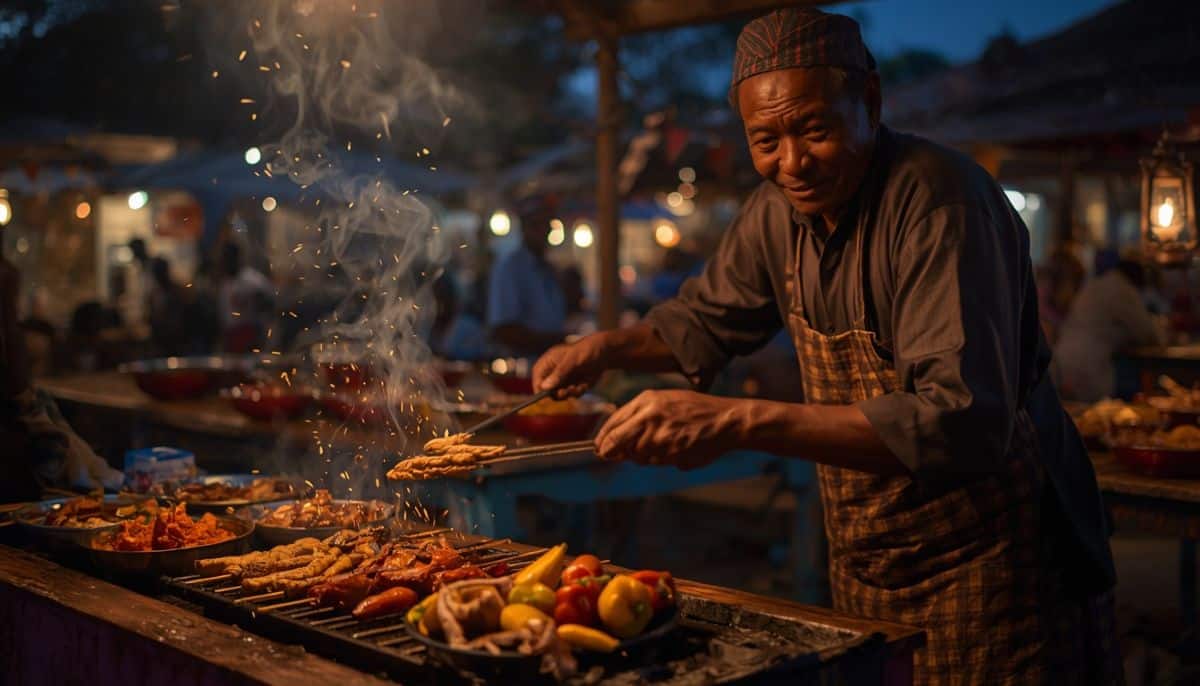
The gastronomy in Nigeria extends far beyond globally celebrated staples like Jollof rice and Suya. Across the nation’s six geopolitical zones, regional foodways reflect indigenous preservation methods, forest ecology, and deep ancestral traditions.
Frequently Asked Questions
What are the most distinctive traditional delicacies to try in Nigeria?
Signature regional specialities include roasted palm weevil larvae (Erhi) in the Niger Delta, giant African land snails (Igbin) in the Southwest, Nkwobi and Isi Ewu in the Southeast, sun-dried spiced beef jerky (Kilishi) and baobab leaf soup (Miyan Kuka) across the Northern savanna, and fermented locust beans (Iru/Dawadawa) as an ancestral umami bedrock.
Is it safe for tourists to eat indigenous delicacies in Nigeria?
Advertisement
Advertisement
Most indigenous foods are safe when consumed hot from reputable, high-turnover local eateries (bukas). However, avoid unregulated bushmeat due to established risks of zoonotic disease transmission. Travelers with shellfish allergies must exercise extreme caution, as dried, ground crayfish is the universal savoury seasoning base across Nigerian soups.
7 Regional Nigerian Delicacies and Their Cultural Origins
| Delicacy | Primary Region | Cultural Significance |
| Erhi (Weevil Larvae) | Niger Delta (South-South) | Forest harvesting, a vital indigenous lipid and protein source |
| Igbin (Land Snail) | Southwest (Yoruba) | Aristocratic banquets, peace offerings (Etutu) |
| Nkwobi (Cow Foot) | Southeast (Igbo) | Evening social rituals, palm-wine parlour culture |
| Isi Ewu (Goat Head) | Southeast (Igbo) | Communal rites of passage, dispute resolution feasts |
| Iru / Dawadawa | Middle Belt & North / Southwest | Ancestral alkaline bio-fermentation, glutamic base |
| Abacha (African Salad) | Southeast (Igbo) | Post-harvest hospitality, cassava preservation craft |
| Miyan Kuka with Kilishi | North (Hausa/Fulani) | Sahelian preservation, pastoral sun-drying and foraging lore |
1. Palm Weevil Larvae (Erhi or Edon)
Harvested from the decaying trunks of felled oil palm and raffia trees across Delta, Bayelsa, and Rivers states, these plump beetle larvae (Rhynchophorus phoenicis) serve as a rich indigenous source of protein and essential fatty acids. Skewered on bamboo sticks, seasoned with local peppers, and roasted over open wood embers, they yield a crisp exterior and a rich, buttery interior reminiscent of roasted marrow.
Advertisement
Advertisement
2. Giant African Land Snails (Igbin)
A prized delicacy among the Yoruba people of Southwestern Nigeria, giant land snails (Archachatina marginata) require a rigorous cleaning process using alum, lime, or wood ash to strip the natural mucilage. The firm meat is braised, then pan-tossed in a dense reduction of Scotch bonnet peppers (ata rodo), onions, and native spices. Historically reserved for titled elders and peace offerings (Etutu), Igbin remains an upscale menu staple.
3. Nkwobi (Spiced Cow Foot Stew)
Hailing from Igbo culinary traditions, Nkwobi consists of tender cow foot slow-cooked until gelatinous, then enrobed in an emulsified palm-oil gravy (ncha). The sauce relies on food-grade potash (akanwu) or burnt plantain ash to achieve its bright-yellow, velvety consistency. Flavoured with roasted calabash nutmeg (ehuru) and topped with thinly sliced Utazi leaves (Gongronema latifolium), it adds a deliberate bitter note that cuts through the rich fat.
Advertisement
Advertisement
4. Isi Ewu (Spicy Goat Head)
Often mistaken for Nkwobi due to a similar ncha base, Isi Ewu uses a whole roasted and braised goat head. It is traditionally presented in carved wooden mortars (oku), garnished with raw sweet onion rings and fresh Utazi. In Igbo gathering spots, sharing an Isi Ewu cements commercial partnerships, marks life milestones, and accompanies evening dialogue.
5. Fermented Locust Beans (Iru / Dawadawa)
Rather than an isolated main dish, Iru (Parkia biglobosa) is the foundational umami bedrock of Nigerian culinary chemistry. Produced through an intensive, multi-day boiling, de-hulling, and anaerobic fermentation process, these pungent black seeds deliver deep glutamic richness to indigenous stews such as Efo Riro and Gbegiri, serving as an ancestral alternative to modern bouillon.
6. Abacha (African Salad)
Originating in Enugu and surrounding southeastern states, Abacha is made from shredded, boiled, and sun-dried cassava tubers. Rehydrated and mixed into a chilled, seasoned palm oil emulsion with garden eggs, fried fish, kpomo (cow skin), and shredded ugba (fermented oil bean seeds), Abacha demonstrates traditional post-harvest preservation and serves as the quintessential welcome plate for guests.
7. Miyan Kuka with Kilishi (Baobab Leaf Soup with Sun-Dried Spiced Beef)
Hailing from the arid Sahelian belt of Northern Nigeria, this pairing demonstrates dry-zone foraging and pastoral meat preservation.
Advertisement
Advertisement
Kilishi: Often served alongside or shredded directly into rich soups, Kilishi is a centuries-old Hausa preservation craft. Lean cuts of beef are sheeted paper-thin, repeatedly sun-dried on flat reed mats, submerged in an aromatic paste of ground peanuts (labu), ginger, garlic, and dried chilli pepper (yaji), and quickly flashed over glowing charcoal embers to seal the crust.
Miyan Kuka: Prepared using green, sun-dried leaves of the baobab tree (Adansonia digitata) that have been ground into a fine, olive-drab powder. Whisked into a slow-simmered broth of dried fish, beef stock, and dawadawa, the powdered leaves yield a slippery, mucilaginous soup loaded with calcium and vitamin C, traditionally paired with grain-based swallows like Tuo Shinkafa.
Culinary Etiquette and Traveller Guidance
- Dining Mechanics: When eating traditional dishes served alongside dough-like “swallow” starches, wash hands thoroughly and use only the right hand to pinch, dip, and eat.
- Allergen Alert: Unlisted dried crayfish powder is present in almost all traditional soups, sauces, and stews. Travelers with seafood or shellfish allergies must verify every preparation directly with the kitchen.
- Heat Management: Nigerian hot peppers contain high concentrations of capsaicin. Balance intense heat with plain starch, fresh fruit, or yoghurt rather than water.
Advertisement
