
Lake Balaton Aligns with Tokaj, Eger and More in Leading Hungary’s Slow Travel Boom as Visitors Expand Beyond Budapest: Is this the New Style of Exploring Europe?

Published
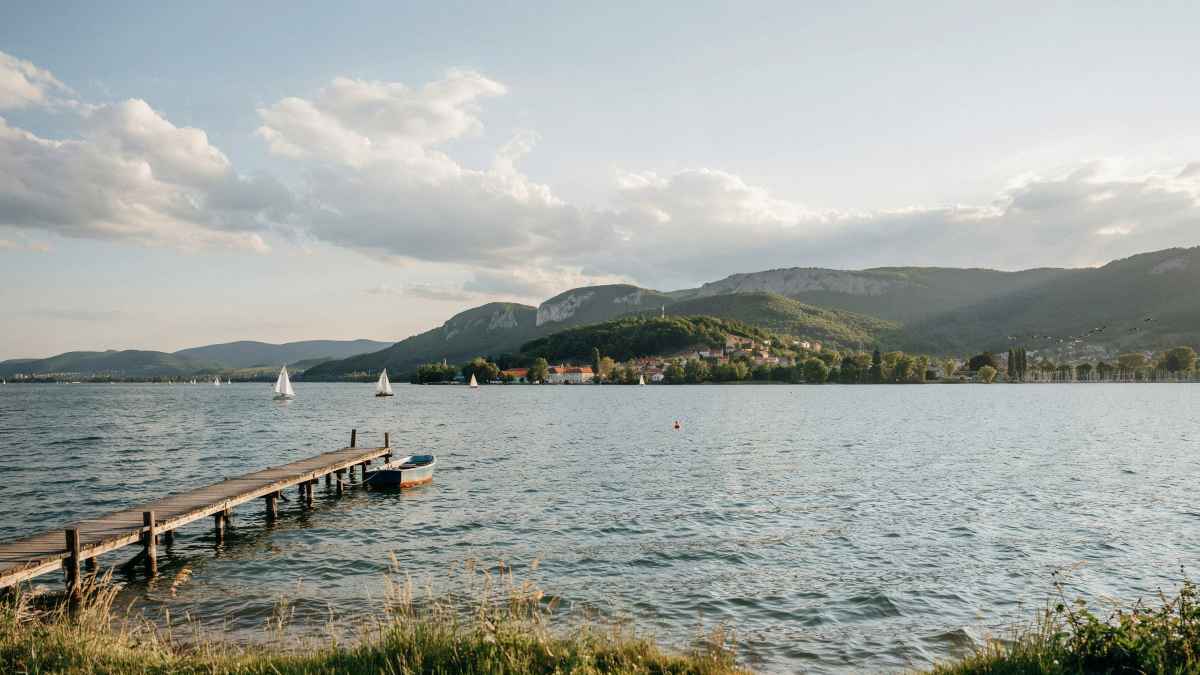
Lake Balaton Aligns with Tokaj, Eger and More in Leading Hungary’s Slow Travel Boom as Visitors Expand Beyond Budapest.
Budapest, Lake Balaton, Tokaj and Eger are shaping a new chapter in Hungary’s tourism story as travellers increasingly combine city breaks with countryside experiences. Instead of spending an entire holiday in the capital, more visitors are dividing their itineraries between Budapest’s cultural landmarks and Hungary’s scenic lake districts, historic wine regions and quieter rural destinations.
The growing popularity of “Slow Travel” reflects changing visitor preferences. Rather than rushing through multiple attractions in a short period, travellers are choosing longer stays, regional rail journeys and authentic local experiences that allow them to discover Hungary beyond its capital city.
This evolving travel pattern is helping spread tourism across the country while encouraging visitors to experience Hungary’s natural landscapes, culinary traditions and historic towns.
Budapest Remains the Perfect Starting Point
Most international visitors begin their journey in Budapest, arriving through Budapest Ferenc Liszt International Airport, located approximately 16 kilometres from the city centre.
Advertisement
Advertisement
Travellers typically spend their first three days exploring iconic attractions including the Hungarian Parliament Building, Buda Castle, Fisherman’s Bastion, St Stephen’s Basilica, Chain Bridge and the city’s famous thermal baths.
Shopping districts such as Váci Street, Westend Shopping Centre and Arena Mall continue attracting visitors, while evening Danube cruises and traditional Hungarian restaurants remain among the capital’s most popular experiences.
Advertisement
Advertisement
After experiencing Budapest’s vibrant atmosphere, many travellers are continuing their journeys into the Hungarian countryside.
Lake Balaton Becomes Hungary’s Summer Playground
Known as Central Europe’s largest lake, Lake Balaton is one of Hungary’s leading summer destinations. Located approximately 130 kilometres southwest of Budapest, the lake is easily accessible by direct rail services and motorway connections.
Advertisement
Advertisement
The northern shore is famous for destinations such as Balatonfüred and the historic Tihany Peninsula, while the southern shoreline offers sandy beaches, sailing clubs and family-friendly resorts.
During the summer season, visitors enjoy swimming, paddleboarding, cycling, sailing and lakeside dining, making Balaton an attractive contrast to Budapest’s urban attractions.
Rail services from Budapest to Balatonfüred generally take around 2 hours, allowing visitors to travel comfortably without hiring a car.
Balatonfüred Combines Wellness and Waterfront Living
Among Lake Balaton’s most popular towns, Balatonfüred continues attracting visitors with its lakeside promenade, marinas and historic villas.
Advertisement
Advertisement
The town is known for wellness hotels, local cafés and walking routes overlooking the lake. Visitors frequently combine boat excursions with wine tasting in nearby vineyards, creating relaxed itineraries centred on nature and regional cuisine.
The nearby Tihany Peninsula, located approximately 8 kilometres from Balatonfüred, is famous for its Benedictine Abbey, lavender fields and panoramic views across Lake Balaton.
Tokaj Welcomes Wine Enthusiasts
Eastern Hungary’s Tokaj Wine Region, recognised as a UNESCO World Heritage Site, remains one of Europe’s oldest and most respected wine-producing regions.
Located approximately 250 kilometres northeast of Budapest, Tokaj can be reached by direct rail services or road within around three hours.
The region is internationally renowned for Tokaji Aszú, one of Hungary’s most celebrated dessert wines. Visitors explore centuries-old wine cellars, family-run vineyards and tasting rooms while learning about traditional winemaking techniques passed down through generations.
Many guided culinary tours combine wine tastings with regional cheeses, pastries and seasonal Hungarian cuisine, creating immersive gastronomic experiences.
Advertisement
Advertisement
Eger Blends History with Wine Tourism
Approximately 140 kilometres northeast of Budapest, Eger offers another popular countryside escape.
The city combines medieval history with one of Hungary’s leading wine regions. Visitors explore Eger Castle, the historic town centre and the famous Valley of the Beautiful Women, home to numerous wine cellars specialising in Egri Bikavér, commonly known as Bull’s Blood wine.
Rail services from Budapest to Eger generally take around 2 hours, making the city an ideal destination for weekend escapes or longer countryside holidays.
The compact city centre allows visitors to explore historic streets, museums and cafés on foot.
Rail Travel Supports the Slow Tourism Movement
Hungary’s extensive railway network is playing a central role in encouraging sustainable tourism.
Direct rail services connect Budapest with Lake Balaton, Eger, Tokaj and numerous regional destinations, allowing travellers to move comfortably between cities without relying on private vehicles.
Advertisement
Advertisement
The convenience of rail travel enables visitors to experience several regions during one holiday while reducing traffic congestion and supporting environmentally responsible tourism.
Many travellers are now choosing rail journeys not simply as transport but as part of the overall travel experience.
Countryside Tourism Benefits Local Communities
The growing popularity of rural destinations is supporting local economies across Hungary.
Family-owned guesthouses, boutique hotels, vineyards, restaurants, farmers’ markets and artisan producers are all benefiting from increased visitor numbers.
Visitors spending additional nights in smaller towns contribute directly to local businesses while helping distribute tourism beyond Budapest’s busiest districts.
This wider spread of tourism also supports cultural preservation, traditional food production and regional craftsmanship.
Advertisement
Advertisement
Country Details and Current Status
| Country | Destination | Tourism Trend |
|---|---|---|
| Hungary | Budapest | Gateway for longer countryside holidays |
| Hungary | Lake Balaton | Peak summer beach and sailing season |
| Hungary | Tokaj | Growing culinary and wine tourism |
| Hungary | Eger | Rising demand for heritage and vineyard experiences |
Key Stats
- Budapest Ferenc Liszt International Airport is approximately 16 km from central Budapest.
- Lake Balaton is around 130 km southwest of Budapest.
- Balatonfüred can be reached from Budapest by rail in approximately 2 hours.
- Tokaj is roughly 250 km northeast of Budapest.
- Eger is approximately 140 km from Budapest.
- Tihany Peninsula is around 8 km from Balatonfüred.
- Lake Balaton is the largest lake in Central Europe.
FAQ
Why are travellers exploring beyond Budapest?
Many visitors are choosing slower, longer holidays that combine city sightseeing with countryside experiences, wine tourism and lakeside relaxation.
What makes Lake Balaton popular in summer?
Swimming, sailing, cycling, beaches, waterfront resorts and easy rail access make it one of Hungary’s leading seasonal destinations.
Why are Tokaj and Eger attracting international visitors?
Both regions are renowned for historic wine production, underground cellars, culinary experiences and well-preserved cultural heritage.
Conclusion
Lake Balaton Aligns with Tokaj, Eger and More in Leading Hungary’s Slow Travel Boom as Visitors Expand Beyond Budapest.
Hungary’s growing Slow Travel movement is reshaping the country’s tourism landscape by encouraging visitors to explore well beyond Budapest. While the capital continues attracting international travellers with its historic architecture, thermal baths and vibrant cultural scene, destinations such as Lake Balaton, Tokaj and Eger are offering quieter experiences centred on nature, gastronomy and regional traditions. Supported by convenient rail connections, welcoming local communities and diverse attractions, these countryside destinations are helping create longer, more immersive holidays that showcase the richness of Hungary’s landscapes, history and culinary heritage while spreading tourism more evenly across the country.
Advertisement
