
India Joins Saudi Arabia, Oman, UAE, Qatar, Kuwait, Bahrain, Turkey and Others as Kochi, Thiruvananthapuram, Riyadh, Jeddah, Muscat, Dubai, Doha and More See Flights Resume with Air India, IndiGo, Air India Express, Saudia, Oman Air, Emirates, Qatar Airways, FlyDubai and SpiceJet Amid Visa Delays and ongoing Conflict in the Middle East : Here’s What you need to Know Now

Published
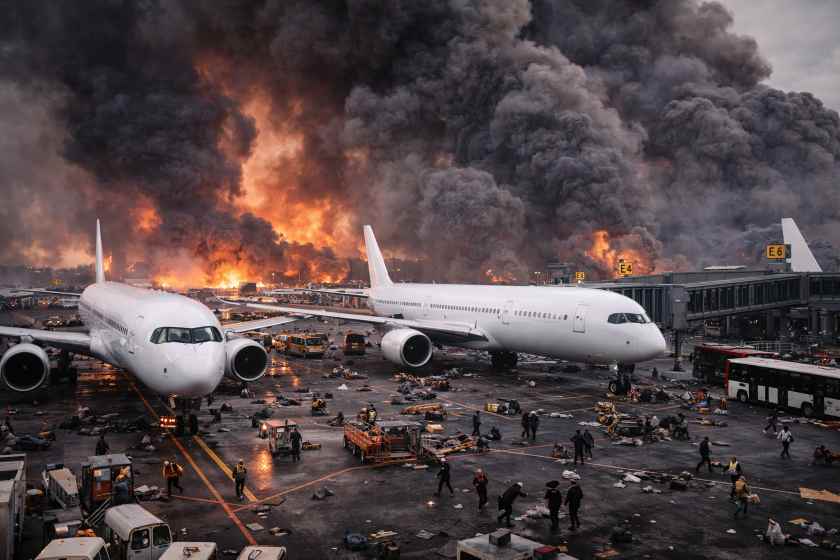 Image generated with Ai
As global tensions reshape flight patterns, the aviation industry faces unprecedented challenges in the Middle East. Saudi Arabia, Oman, and other Gulf nations have been heavily impacted by the ongoing political turmoil in the region, with airspace closures and flight disruptions continuing to affect travelers. Despite these hurdles, there has been a glimmer of hope as around 40% of flights to key West Asian destinations, including Saudi Arabia and Oman, have resumed operations. The tourism sector, particularly in Kerala, has felt the ripple effect of these changes, adapting to the evolving aviation landscape.
Saudi Arabia and Oman See Partial Flight Resumption Amid Geopolitical Tensions
For Indian nationals planning to visit the Arabian Peninsula, travel has been far from straightforward. While the aviation sector is slowly recovering, challenges persist, particularly in relation to delayed transit visas and airspace closures. However, recent developments indicate a marked improvement in flight operations connecting India to Saudi Arabia, Oman, and other Gulf nations. Although airspace restrictions have grounded many international flights since February 28, there are signs of a slow recovery in flight frequencies to major destinations like Muscat, Riyadh, and Jeddah.
Advertisement
Advertisement
Around 40% of scheduled flights are currently operational, but full recovery remains tied to the reopening of airspace, availability of airport slots, and regulatory approvals. The delay in granting transit visas has left many travelers stranded or forced to adjust their itineraries, causing frustration among frequent flyers.
Kerala Airports at the Forefront of Flight Restorations
Kerala, known for its vibrant tourism sector and large expatriate community, has emerged as a key hub for flights connecting India to West Asia. Kerala airports, particularly in Kochi, Thiruvananthapuram, and Kozhikode, are witnessing a surge in special flights from Muscat and Saudi Arabia. These flights are being operated based on approvals from respective governments, providing some respite for both tourists and expatriates returning home.
Advertisement
Advertisement
Tourism, a critical driver of Kerala’s economy, has seen a significant impact from the disruption in flights. However, Kerala’s international airports are being actively managed to cater to the demand for both regular and special flights to the Middle East. As regional tensions continue to disrupt global travel, Kerala remains an important entry point for passengers seeking to fly to the Gulf.
Tourism Impact: The Ripple Effect of Flight Delays
For tourists planning trips to Saudi Arabia, Oman, and the UAE, the delayed flights and visa issues have disrupted vacation plans, especially for those who had arranged tours, business meetings, or religious pilgrimages, such as the Hajj. However, the region remains a key destination for both leisure and business travelers. As the situation evolves, travelers may find alternate flight routes through neighboring countries to minimize the delays caused by visa bottlenecks.
Advertisement
Advertisement
Oman, a destination renowned for its natural beauty, luxurious resorts, and rich history, is seeing a slow but steady return of flights, allowing tourists to experience its serene beaches, ancient forts, and vibrant markets. The country continues to market itself as a peaceful haven, making it a desirable alternative for tourists looking to explore the Arabian Peninsula away from the current geopolitical tensions. Similarly, Saudi Arabia, with its booming tourism sector and iconic landmarks like Mecca and Riyadh, remains a crucial part of the Middle Eastern tourism industry.
Flight Cancellations and Ticket Price Hikes
Another byproduct of the ongoing airspace disruptions is the rise in ticket prices. With fewer flights in operation and demand remaining high, ticket costs have surged, putting a strain on travelers’ budgets. Indian nationals, in particular, are seeing increases in airfare prices for flights between Kerala and the Gulf. Travelers looking to fly to popular destinations like Riyadh, Muscat, and Dubai are advised to book early to secure the best fares and avoid the last-minute rush.
Airlines and travel agencies are adjusting their offerings, with some providing flexible cancellation and rescheduling options to accommodate the shifting circumstances. While some flight routes are subject to last-minute changes, the gradual reopening of air routes offers hope for more stability in pricing and scheduling in the near future.
The Road to Full Recovery: Regulatory Approvals and Slot Availability
The aviation sector in West Asia and India is poised for a gradual recovery, though full-scale operations will hinge on the complete reopening of airspaces and securing of airport slots. Regulatory bodies in both Saudi Arabia and Oman are working alongside international airlines to ensure that operations can be scaled up, even as they remain cautious of the evolving political landscape.
Despite the uncertainty surrounding the situation, the continued cooperation between regional governments, airlines, and airport authorities provides optimism that full-scale flight operations will resume sooner rather than later. In the meantime, passengers flying to and from Kerala and other parts of India will continue to see fluctuating flight schedules, with airlines working hard to minimize disruptions.
Conclusion: Resilience of Tourism Amid Challenges
As 40% of flights to West Asia resume operations, the tourism sector is slowly recovering from the impact of airspace closures and visa delays. While challenges remain, both travelers and the tourism industry in Kerala are adapting to the evolving aviation landscape, hoping for a more stable future once airspace restrictions are lifted and transit visas are processed promptly.
With regulatory approvals still pending and airspace fully reopening, the next few weeks will be critical in determining whether full recovery will materialize in time for the summer tourism season. For now, tourists planning to visit the Gulf must stay updated on flight schedules, visa requirements, and ticket prices as the situation continues to evolve.
Advertisement
