Iran and India Forge Historic Cultural and Tourism Partnership Unlocking Limitless Opportunities and Global Recognition for the Future of Travel and Cultural Exchange in 2025 and Beyond

Published
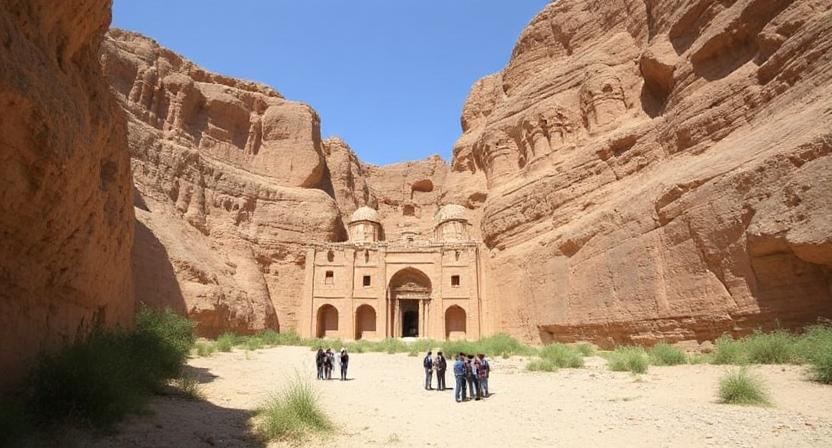 Image generated with Ai
Iran and India have established a landmark cultural and tourism collaboration partnership that is bound to create infinite possibilities for both countries and enhance their value in the global tourism market. This partnership is the result of their shared civilizational and cultural ties. It seeks to present a tourism experience comprising and exceeding the ordinary and the commonplace. Through the organization of gastronomy festivals and the declaration of the year of joint tourism, both countries will be appreciated for the provision of rare cultural tourism, that is, via strengthened emotional, cultural, and material ties across shared history. Apart from the immediate impact of this partnership in augmenting intercultural tourism in the two countries, this extends cultural diplomacy, economic exchanges, and the interconnected global tourism for the anticipated period of 2025 for the entire world.
In a landmark development, the cultural and tourism ministries of Iran and India have committed to expanding their cooperation, a move set to enhance the long-standing cultural ties and tourism potential between the two nations. This agreement was solidified during a recent meeting at the 26th UN Tourism General Assembly in Riyadh, marking a significant step in fostering deeper collaboration in the fields of tourism and cultural exchange.
Advertisement
Advertisement
The discussions underscored the shared cultural heritage and historical bonds between Iran and India, which have been intertwined for centuries. Both nations have rich legacies in art, architecture, and ancient civilizations, and there is a clear mutual interest in utilizing these assets to boost their tourism industries.
The Iranian Minister of Cultural Heritage, Tourism, and Handicrafts highlighted that strengthening ties with India is a key component of Iran’s strategic tourism policy. Both sides agreed on the importance of enhancing their cooperation to benefit from each other’s cultural and tourism strengths. By sharing expertise and planning joint events, exhibitions, and initiatives, the two countries aim to create a more robust cultural exchange that will benefit both nations economically and socially.
Advertisement
Advertisement
One of the central aspects of the agreement is the recognition of the historical and civilizational commonalities between the two countries. Iran and India have deep-rooted cultural, religious, and historical connections that date back thousands of years, and this shared history is seen as a powerful tool to enhance tourism cooperation. From the ancient trade routes to the spread of languages, religions, and philosophies, both countries have much to offer in terms of cultural richness, which can be highlighted through joint tourism campaigns.
Cultural and Civilizational Assets as the Foundation of Tourism Growth
Advertisement
Advertisement
The ministers expressed their belief that the extensive cultural heritage shared by Iran and India provides an invaluable foundation for tourism development. With a focus on history, art, and heritage, both nations have an immense potential to attract tourists not only from their own regions but from across the globe.
Iran’s rich history, evident in its ancient ruins, palaces, and UNESCO World Heritage Sites, complements India’s vibrant traditions, festivals, and monuments. Combining these assets into a unified narrative would allow both countries to increase their presence in the regional and global tourism markets. Joint marketing efforts and the organization of cultural events, including art exhibitions, traditional music performances, and heritage tours, will be pivotal in raising awareness about the shared histories of the two nations.
By pooling their resources and expertise, Iran and India can position themselves as leading cultural tourism destinations in Asia and beyond. The partnership holds the promise of not only increasing tourism flows but also creating opportunities for local businesses, artisans, and communities to benefit from tourism-related economic activities.
Joint Efforts for Regional Tourism Development
Both nations also discussed how this collaboration would help them tap into the broader regional tourism market. As neighboring countries in the heart of Asia, Iran and India share a significant geographical proximity that makes joint tourism ventures appealing to travelers. By working together, they can create seamless travel experiences, such as joint visa initiatives or specialized tourism packages that highlight the cultural intersections between the two countries.
Regional tourism initiatives could include integrated tour packages that offer tourists the chance to explore both Iran and India, allowing for a richer experience that spans both countries. With tourism demand growing rapidly in Asia, this collaboration could attract travelers who are keen to explore the shared histories, religious sites, and cultural landmarks that connect Iran and India.
Advertisement
Advertisement
Additionally, cooperation on the development of tourism infrastructure, such as improved transportation networks, hotels, and tourist services, would make it easier for tourists to visit both countries. By working together on these initiatives, the two nations can ensure that their tourism industries grow in tandem and in a sustainable manner.
A Vision for the Future: Expanding Cultural and Tourism Cooperation
The leaders from both Iran and India emphasized that this partnership is not only about increasing tourism but also about forging deeper cultural bonds. Cultural exchange initiatives such as joint festivals, collaborative arts projects, and educational programs will help to deepen mutual understanding and foster long-term relationships. Through these efforts, both countries aim to build a foundation of trust and friendship that will go beyond tourism and into broader cultural diplomacy.
By expanding cultural and educational exchanges, the two nations can create opportunities for people-to-people connections, fostering a deeper appreciation of each other’s heritage and traditions. This, in turn, can encourage a more inclusive form of tourism that highlights the importance of cultural understanding and cooperation.
The tourism and cultural ministries of both nations are already exploring how they can create new, dynamic platforms for cultural interaction. These platforms will not only serve the interests of tourists but also provide a space for academics, artists, and cultural institutions to collaborate and share knowledge.
A Boost for Global Tourism Markets
Advertisement
Advertisement
As global tourism continues to grow, both Iran and India are looking to position themselves as key players in the international tourism arena. The collaboration between these two nations is seen as an important step towards increasing their visibility and competitiveness in global tourism markets.
Iran, which boasts a wealth of natural landscapes, ancient cities, and rich cultural traditions, has the potential to attract a wide range of international tourists. Meanwhile, India’s diverse cultural offerings, from ancient temples and religious landmarks to vibrant festivals and culinary experiences, already draw millions of tourists each year. By enhancing their collaboration, both countries can work together to increase their market share and appeal to a wider range of travelers from different regions.
Furthermore, the global tourism market is becoming increasingly competitive, with destinations across the world vying for attention. Iran and India’s joint efforts to develop cultural tourism can serve as a model for other nations seeking to boost their tourism sectors while promoting cultural heritage. The synergy created by the cooperation between the two countries could provide valuable lessons for other countries looking to integrate tourism with cultural preservation and promotion.
Looking Ahead: A New Era of Cultural and Tourism Cooperation
The partnership between Iran and India is a step towards a new era of cultural and tourism cooperation in Asia and beyond. With the shared commitment to expanding cultural ties and boosting tourism, both countries are well-positioned to take advantage of the growing global demand for cultural and heritage tourism.
This collaboration also signals the potential for deeper ties between Iran and India in other sectors, such as trade, business, and education, as both nations recognize the importance of leveraging their historical and cultural assets for mutual benefit. The growing emphasis on tourism as a catalyst for economic growth, cultural exchange, and regional stability is an exciting development that promises to bring long-term benefits to both countries.
Advertisement
Advertisement
Iran and India’s historic cultural and tourism partnership opens new pathways for global recognition, enhancing tourism and cultural exchanges by leveraging their shared heritage to attract global travelers and foster deeper international ties. This collaboration promises to reshape the future of travel and cultural diplomacy, offering endless opportunities for growth and mutual benefit.
In conclusion, the new commitment between Iran and India to strengthen their tourism and cultural cooperation holds the promise of a brighter future for both nations. By tapping into their shared history and cultural wealth, the two countries can create a more vibrant, connected, and prosperous tourism industry that will benefit not only their citizens but also the global community.
Advertisement
