
Japan Deploys Regional Transit Subsidies And Heritage Caps To Channel Overseas Visitors Beyond The Golden Route

Updated
Published
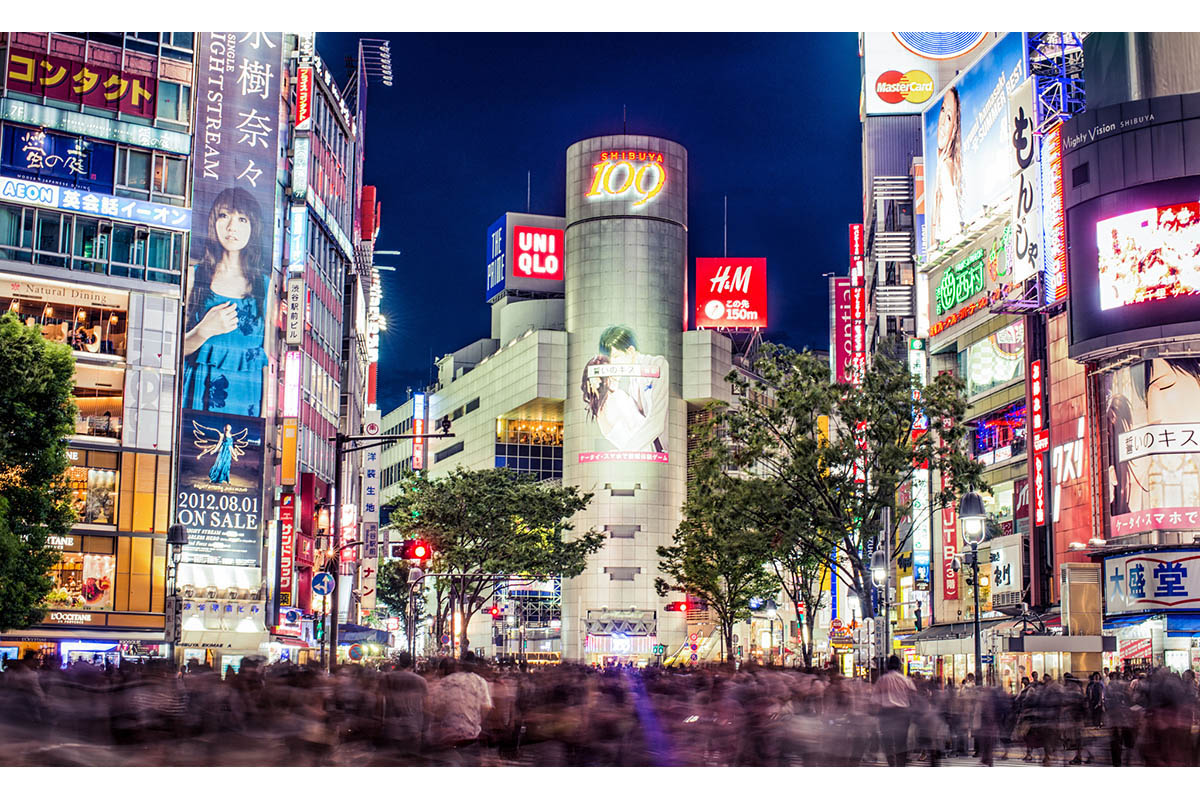
Japan is undergoing a profound transformation in how it manages international arrivals. Following a massive influx of overseas visitors, the government is aggressively rolling out new Japan overtourism measures 2026 to protect local communities and historic sites. From introducing regional transit subsidies that encourage travel beyond the congested Golden Route to implementing strict heritage caps at iconic destinations like Mount Fuji and Himeji Castle, authorities are prioritising sustainable growth. These bold strategies aim to balance the immense economic benefits of the tourism sector with the urgent need to preserve the cultural integrity of the nation for residents and tourists alike.
Background: The Surge in Inbound Tourism and the Golden Route Dilemma
Japan’s post-pandemic recovery in the tourism sector has been nothing short of extraordinary. However, this massive influx has precipitated a series of infrastructural and social challenges that the government is now addressing with urgency. In 2025, Japan welcomed a benchmark-setting 42.68 million international visitors, marking a definitive end to the years of suppressed travel demand. While this surge generated unprecedented inbound expenditure, it also laid bare the vulnerabilities of relying heavily on a concentrated geographic corridor.
Advertisement
Advertisement
Historically, the overwhelming majority of international tourists have confined their itineraries to the so-called “Golden Route”—a well-trodden path encompassing Tokyo, Kyoto, and Osaka, with occasional extensions to Nara and Hiroshima. The relentless footfall along this corridor has led to what local media and officials describe as kanko kogai, or “tourism pollution.” Public transport networks became severely congested, municipal waste management systems were strained, and the day-to-day lives of local residents were routinely disrupted by the sheer volume of visitors.
Recognising that uncontrolled volume is unsustainable, the Japan Tourism Agency (JTA) and the Japan National Tourism Organization (JNTO) have formally pivoted their national strategies. The overriding focus is no longer simply on increasing arrival numbers but on managing sustained growth through geographic dispersal. The implementation of Japan overtourism measures 2026 represents a structural policy shift, aiming to transform Japan from a high-density urban destination into a high-value regional tourism powerhouse. This paradigm shift requires a multifaceted approach, blending regional transit subsidies to incentivise rural exploration with stringent heritage caps to protect vulnerable national treasures.
Advertisement
Advertisement
Latest Official Developments: Expanding the Overtourism Strategy
The Japanese government’s response to the overtourism crisis has been deeply formalised in its legislative and administrative framework. On 27 March 2026, the Cabinet officially approved a new basic plan for tourism promotion. A central pillar of this five-year strategy is the explicit target to increase the number of regions actively implementing comprehensive measures against overtourism from 47 municipalities in 2025 to 100 municipalities by 2030.
Advertisement
Advertisement
To fund these ambitious initiatives, the government has leveraged the national departure tax, also known as the international tourist tax. As of July 2026, this levy was significantly raised from ¥1,000 to ¥3,000 per person for all travellers departing Japan by air or sea. The revenues generated from this enhanced taxation are explicitly earmarked for state subsidies. These subsidies are distributed to local governments to facilitate congestion-easing measures, upgrade regional transport infrastructure, and crack down on inappropriate behaviour by visitors and unlicenced private lodging operators.
The introduction of these state subsidies is a critical component of the Japan overtourism measures 2026. By providing local municipalities with the financial resources to independently manage tourist flows, the national government is decentralising its tourism strategy. This empowers rural prefectures in regions such as Tohoku, Shikoku, and Kyushu to enhance their tourism infrastructure, making them viable and attractive alternatives to the heavily congested Golden Route.
Government Announcements and the Role of MLIT
The Ministry of Land, Infrastructure, Transport and Tourism (MLIT) has been instrumental in orchestrating the logistical framework required to support this geographic dispersal. In late August 2026, the MLIT announced its colossal budget request for the 2026 fiscal year, totalling approximately 8 trillion yen across general accounts and fiscal investment programmes. While a substantial portion of this budget is dedicated to addressing the rapid ageing of Japan’s post-war infrastructure—with 6.28 trillion yen requested for public works-related expenses—the budget also places a heavy emphasis on building a sustainable nation capable of absorbing high tourist volumes.
Advertisement
Advertisement
The MLIT’s strategy intertwines public safety, economic growth, and regional revitalisation. By upgrading regional airports, expanding rural railway capacities, and modernising port facilities, the government is actively laying the groundwork for tourists to bypass the major metropolitan hubs entirely. Furthermore, the MLIT has allocated resources to accelerate the digital transformation (DX) of the tourism sector. This includes the development of integrated mobility-as-a-service (MaaS) applications that seamlessly connect shinkansen (bullet train) routes with local bus networks, thereby reducing the friction associated with travelling to lesser-known prefectures.
These infrastructural investments are heavily supplemented by local taxation overhauls. For instance, the accommodation tax framework was expanded in March 2026. Cities like Kyoto, which have long struggled with the fiscal burden of supporting a massive tourist population on a limited municipal budget, now impose tiered accommodation taxes ranging from ¥200 to ¥10,000 per night, depending on the room rate. These localised revenue streams are crucial for maintaining the high standards of cleanliness and public service that Japan is renowned for, while simultaneously funding local transit subsidies that benefit both residents and visitors.
Advertisement
Advertisement
Implementing Heritage Caps: Preserving National Treasures
While infrastructural expansion is vital for regional dispersal, certain iconic destinations simply cannot accommodate infinite growth. To protect sites of immense cultural and ecological significance, authorities have embraced the concept of “heritage caps” as a cornerstone of the Japan overtourism measures 2026.
Mount Fuji: Strict Quotas and Mandatory Fees for the 2026 Season
Mount Fuji, a UNESCO World Cultural Heritage site and the most universally recognised symbol of Japan, has been at the epicentre of the overtourism debate. For years, the mountain suffered from chronic overcrowding, environmental degradation, and the dangerous phenomenon of “bullet climbing”—where poorly equipped hikers attempt to summit overnight without resting, frequently leading to exhaustion and rescue operations.
To definitively address these crises, Yamanashi Prefecture instituted unprecedented crowd control measures for the 2026 climbing season, which officially runs from 1 July to 10 September. The most significant intervention on the popular Yoshida Trail is the implementation of a strict daily cap of 4,000 climbers. This quota is rigorously enforced through a digital reservation and registration system. Once the daily limit is reached, access is denied to anyone who has not pre-booked a space at a mountain lodge.
Furthermore, authorities have established mandatory gate closures at the fifth station, restricting entry between 2:00 p.m. and 3:00 a.m. the following day. This temporal cap is explicitly designed to eradicate bullet climbing by preventing late-afternoon ascents. To support the enforcement of these rules, Yamanashi Prefecture deployed round-the-clock guidance personnel and installed automated self-checkout kiosks to collect a newly mandated ¥4,000 hiking fee. This fee, a substantial increase from previous voluntary donations, is utilised to maintain the trails, manage waste, and fund emergency medical services. By monetising access and enforcing strict quotas, Mount Fuji serves as a premier example of how heritage caps can effectively safeguard natural monuments.
Himeji Castle: Pioneering the Dual Pricing Model
In a landmark move that has reverberated throughout the domestic tourism industry, Himeji Castle—another UNESCO World Heritage site—implemented a revolutionary dual-pricing admission system on 1 March 2026. Facing a staggering ¥28 billion in projected preservation and maintenance costs over the next decade, the Himeji municipal government made the bold decision to shift the financial burden away from local taxpayers.
Advertisement
Advertisement
Under the revised fee structure, admission for non-resident adults (including international tourists and out-of-town Japanese visitors) was increased by 150%, from ¥1,000 to ¥2,500. Conversely, adult residents of Himeji City continue to pay a subsidised rate of ¥1,000, provided they present a My Number card or driving licence as proof of address. Additionally, admission for all individuals under the age of 18, regardless of nationality, was made entirely free.
This two-tiered system is a critical element of the Japan overtourism measures 2026, setting a precedent for other historical municipalities. The augmented revenue is not merely directed towards the preservation of the 83-structure castle complex; it is also heavily invested in enhancing the inbound visitor experience through multilingual digital transformation (DX) initiatives and crowd management technologies. By ensuring that the cost of maintaining global heritage sites is proportionately borne by the global visitors who enjoy them, Himeji has provided a sustainable financial blueprint for heritage management.
Strategic Dispersal: Regional Transit Subsidies and Fare Restructuring
To actively push tourists away from overcrowded urban centres, the government and private railway operators have orchestrated a comprehensive restructuring of the transit ecosystem. By manipulating fare structures and subsidising alternative routes, authorities are effectively curating passenger flows.
The October 2026 Japan Rail Pass Adjustments
For decades, the Japan Rail (JR) Pass has been the quintessential tool for foreign visitors, offering unlimited travel across the national rail network at heavily discounted rates. However, as part of the broader strategy to normalise tourist spending and reflect the true cost of infrastructure maintenance, the Japan Railways Group announced a significant price hike scheduled for 1 October 2026.
This revision, the first in three years, entails a 5% to 6% increase across pass categories. A standard seven-day ordinary class pass will rise from ¥50,000 to ¥53,000, while the Green Class (first-class) fare will increase from ¥70,000 to ¥74,000. Railway executives explicitly linked this adjustment to recent fare hikes implemented by regional operators, including East Japan Railway, Hokkaido Railway, and West Japan Railway. While the JR Pass remains an exceptional value for cross-country exploration, the price recalibration signals a departure from hyper-discounted travel, aligning with the national objective of fostering a high-value, sustainable tourism economy.
Advertisement
Advertisement
Kyoto’s Bus Restrictions and Transport Overhaul
Nowhere is the friction between local residents and international tourists more palpable than in Kyoto. In response to overwhelming bus congestion that frequently left local commuters stranded, the municipal government undertook a radical overhaul of its public transport strategy. The highly popular “Bus One-Day Pass,” which had long encouraged tourists to rely exclusively on the city’s surface transit, was entirely discontinued in early 2024.
By autumn 2026, Kyoto’s strategy had matured into a highly orchestrated system designed to funnel tourists underground. The city aggressively promotes the Subway 1-Day Pass (¥800) and the combined Subway & Bus 1-Day Pass (¥1,100) to force a reliance on rail. To accommodate this shift, frequencies on the Karasuma subway line were significantly increased.
Furthermore, to manage the crowds travelling to major sites like Kiyomizu-dera and Ginkaku-ji, Kyoto introduced the EX100 and EX101 express sightseeing buses. Operating strictly on weekends and holidays, these express routes bypass residential stops entirely and charge a premium fare of ¥500—more than double the standard flat rate of ¥230. Through these targeted logistical barriers and pricing structures, Kyoto is actively reclaiming its surface transport network for its citizens.
Localised Subsidies to Encourage Rural Exploration
Complementing the restrictions in major cities, the national government is deploying targeted transit subsidies to make rural exploration financially attractive. Using revenues generated from the July 2026 departure tax hike, the state is subsidising regional airlines, rural bus networks, and local rail operators in secondary prefectures.
These subsidies allow local tourism boards in regions like Tohoku and Chugoku to offer heavily discounted regional passes. By artificially lowering the cost of transit in these lesser-visited areas, the government is providing a powerful economic incentive for budget-conscious travellers to bypass the Golden Route entirely. This strategy not only alleviates urban congestion but also drives crucial inbound expenditure directly into rural economies that have historically struggled with depopulation and economic stagnation.
Advertisement
Advertisement
Statistical Insights: Tracking the Inbound Shift
The effectiveness of these sweeping policy changes is meticulously tracked by the JNTO, and the data from mid-2026 reveals a complex and evolving landscape. During the first seven months of 2026, Japan recorded over 24.5 million international arrivals, supported by an all-time monthly record of 3.44 million visitors in July.
However, the data for August 2026 illustrates the volatile nature of global tourism and the impact of geopolitical factors. International arrivals in August stood at 3.09 million, representing a 9.6% year-on-year decrease. This contraction was predominantly driven by a staggering 59.0% decline in visitors from China (totalling 418,000), a direct result of ongoing geopolitical tensions and the Chinese government’s travel warnings against Japan.
Despite the drop in Chinese arrivals, the broader international appetite for Japanese travel remained remarkably robust. In August 2026, 14 distinct source markets recorded all-time high visitor numbers for the month. South Korea led the influx with 850,500 arrivals (a 28.7% increase), followed closely by Taiwan with 666,000 arrivals (a 7.3% increase). Long-haul markets also demonstrated exceptional strength, with the United States contributing 197,400 visitors and European nations like Italy and Spain breaking single-month arrival records. This diversification of source markets is a strategic triumph for the JNTO, reducing the industry’s historical over-reliance on a single neighbouring country and ensuring a more resilient inbound economy.
Policy Implications for the Tourism Industry
The aggressive deployment of the Japan overtourism measures 2026 carries profound implications for the domestic and international travel industry. Tour operators and travel agencies are being forced to completely redesign their itineraries. The traditional model of cramming large tour groups onto Kyoto city buses or rushing them up Mount Fuji in a single night is no longer structurally or legally viable.
Travel companies must now incorporate heritage caps, mandatory pre-registrations, and premium transit costs into their logistical planning. This regulatory environment heavily favours high-value, slow-paced tourism. Furthermore, the upcoming implementation of a mandatory “pay first, refund later” tax-free system in November 2026 will radically alter the retail landscape. By abolishing the instant 10% consumption tax deduction at the point of sale, the government aims to close loopholes related to the illegal domestic resale of tax-free goods. While this may introduce temporary friction at departure ports, it ensures that the economic benefits of tourist consumption are cleanly and legally captured.
Advertisement
Advertisement
Economic Implications and Business Impact
From a macroeconomic perspective, the government’s approach is designed to maximise revenue while minimising infrastructural degradation. Despite the targeted restrictions, Japan remains steadfast in its ambitious 2030 targets: attracting 60 million annual international visitors and generating ¥15 trillion in inbound tourism expenditure.
The dual pricing models, increased departure taxes, and premium transit options ensure that per-capita spending increases even if raw volume growth is intentionally moderated in specific hotspots. For rural businesses, the transit subsidies represent a historic opportunity. Traditional ryokans (inns), local sake breweries, and regional artisans in prefectures far removed from the Golden Route are experiencing an unprecedented influx of foreign capital. This geographic redistribution of wealth is vital for the economic revitalisation of Japan’s countryside, creating jobs and preserving traditional crafts that might otherwise face extinction.
Public and Social Impact: Restoring the Resident Experience
Ultimately, the most critical metric for the success of these measures is the quality of life for the Japanese public. For years, residents in cities like Kyoto and Kamakura felt like strangers in their own hometowns, overwhelmed by litter, noise, and impassable public spaces.
The Japan overtourism measures 2026 represent a social contract between the government and its citizens. By imposing heritage caps, enforcing transit hierarchies, and directly funding local congestion-relief programmes, the state is actively reclaiming civic spaces for local communities. The psychological relief provided by functioning bus networks, protected historical sites, and well-managed pedestrian zones cannot be overstated. A sustainable tourism industry is one that enjoys the consent and support of the host population, and these policies are a vital step toward repairing the fractured relationship between locals and visitors.
Future Outlook: Towards the 2030 National Targets
Looking ahead, Japan’s tourism landscape will continue to evolve into a highly regulated, premium-oriented ecosystem. The government’s target of expanding overtourism countermeasures to 100 regions by 2030 indicates that heritage caps and dynamic pricing will likely become the standard operating procedure nationwide, rather than isolated experiments.
Advertisement
Advertisement
As the MLIT continues to roll out its massive infrastructure investments, the friction of regional travel will steadily decrease, making the entirety of the Japanese archipelago accessible and appealing to international visitors. By systematically dismantling the reliance on the Golden Route through strategic transit subsidies and robust protective caps, Japan is not merely managing a crisis; it is pioneering a global blueprint for the future of sustainable, high-yield international tourism.
Advertisement
