

Ireland Faces Tourism Decline: Visitor Numbers Drop by Eleven Per Cent Amid Rising Costs and Economic Uncertainty

Published
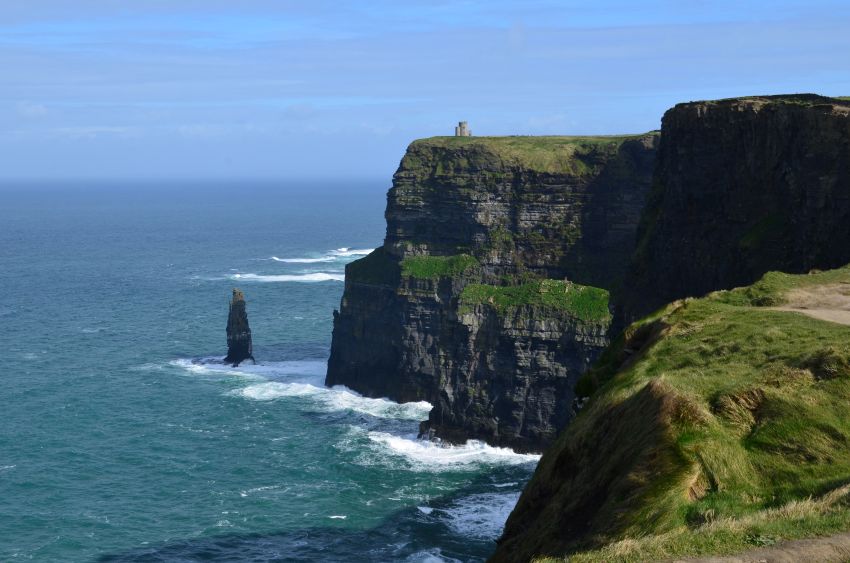 Image generated with Ai
In 2025, Ireland tourism industry is going through a difficult time, as evidenced by a sharp drop in foreign visitor numbers and spending. The Association of Visitor Experiences and Attractions (AVEA) recently released a report that shows a startling 14.75% decline in visitor spending and an 11% decline in foreign visitors by the end of July. These numbers are indicative of a larger worldwide pattern that has been driven by a number of operational and financial difficulties.
Rising operating costs, changing holiday patterns, and uncertainty in the global economy are all blamed for the decline. The Emerald Isle has seen a decline in tourists as a result of factors like inflation, exchange rate swings, and shifting traveler preferences. Nearly 23 million tourists visited Ireland in 2019, but estimates suggest that number will drop to 19.2 million by 2025. This poses new challenges for those employed in the tourism industry and is a significant setback for the nation’s tourism goals.
The Financial Strain on Visitor Attractions
One of the main challenges facing the tourism sector in Ireland is the rising cost of operating visitor attractions. Over the past few years, operating expenses for these attractions have soared. For instance, staffing costs now account for over half (52%) of the total operating expenses for tourist attractions. This includes the significant challenge of hiring skilled personnel, such as guides and front-of-house staff, a task that is especially difficult for smaller and regional attractions. This challenge has exacerbated financial pressures, leading to a higher dependency on visitor ticket sales and other revenue streams.
Additionally, the cost of insurance, which makes up 3% of the total operating expenses, adds to the financial burden. With tourism-related businesses facing such high overheads, these attractions are operating with very narrow margins, which further complicates the situation. It is evident that without a significant shift in how the sector is supported, many of these attractions will continue to struggle to stay afloat.
Advertisement
Advertisement
Ticket Sales and Retail Spend: The Backbone of Revenue
Despite these challenges, ticket sales remain the primary revenue source for many of Ireland’s visitor attractions, contributing 46% of total earnings. The median price of admission is recorded at €11 per visitor, with an additional €4 spent on retail purchases. However, these numbers reveal the fragility of the sector. Attractions heavily rely on high visitor volume to cover operational costs, and with fewer tourists visiting, many are struggling to maintain profitability.
The situation is even more dire for attractions located in rural areas or those that cater to niche markets. Smaller attractions, without the economies of scale of larger counterparts, face particular difficulty in sustaining themselves with these tight margins. This reinforces the need for greater support from government bodies, which has been echoed by AVEA in their recent call for action.
Advertisement
Advertisement
The Economic and Employment Impact of Ireland’s Tourism Sector
The tourism industry is an essential pillar of Ireland’s economy. Visitor attractions employ around 6,000 people, contributing to the livelihoods of individuals and families, especially in regional areas. The sector plays a crucial role in supporting local economies by generating income and creating jobs, particularly in rural locations. However, with fewer visitors and rising costs, the tourism industry’s ability to continue supporting these communities is under threat.
AVEA has long advocated for greater investment in the tourism sector to help it overcome these challenges. The association has called for an increase in funding for key tourism organizations, including Fáilte Ireland and Tourism Ireland, as well as a renewed focus on overseas marketing to attract tourists from new markets. The goal is to create a more resilient and diversified tourism economy that can withstand global economic uncertainties and shifting trends in visitor behaviour.
A Call for Government Action
AVEA has also pushed for the government to remove existing barriers to growth within the tourism sector. One key issue is the cap on passenger numbers at Dublin Airport, which has hindered the airport’s ability to expand and accommodate rising demand. With many international tourists unable to fly into the country due to this constraint, the cap has become a bottleneck for Ireland’s tourism recovery. Additionally, the association has urged the government to extend the 9% VAT rate to include ticket admissions for visitor attractions, arguing that such a move would provide much-needed relief to operators struggling to cope with rising operational costs.
The new tourism policy being drafted by Minister Peter Burke, with responsibility for Enterprise, Tourism, and Employment, is expected to address some of these concerns. The policy is set to be published in the coming months and will likely include strategies for promoting Ireland as a sustainable and innovative tourist destination. AVEA has highlighted the need for a comprehensive plan that not only supports the current tourism landscape but also prepares the sector for future challenges.
The AVEA Annual Conference: Exploring Solutions for the Future
In light of these ongoing challenges, the AVEA is set to host its eighth annual conference on October 13 and 14, 2025, in Waterford. This conference will bring together more than 200 leaders from the visitor attraction sector across Ireland to discuss the future of the tourism industry. The event, themed “Ireland’s Tourism Mosaic of Amazing Places,” will focus on the resilience, diversity, and challenges facing the sector. It will also explore opportunities for innovation, regional growth, and the promotion of sustainable tourism practices.
Key topics will include the development of digital solutions, improving accessibility in the tourism sector, and how the industry can better integrate with regional small and medium-sized enterprises (SMEs). The conference will be an essential gathering for all those involved in the tourism sector, providing valuable insights and fostering collaboration between industry leaders, government representatives, and local stakeholders.
Advertisement
Advertisement
A Road Ahead for Ireland’s Tourism Industry
It is obvious that coordinated action from government agencies and industry stakeholders is needed to secure the tourism sector’s future as it faces these major obstacles in Ireland. The industry’s recovery will rely on a robust and coordinated effort, whether that is achieved through targeted support for regional attractions, regulatory changes, or increased funding for marketing initiatives.
Reversing the decline in visitor numbers and spending may be possible with the help of the upcoming tourism policy and strategic measures to support tourist attractions. Ireland’s tourism industry can withstand these economic difficulties and remain a major force behind the nation’s economic development if it places a renewed emphasis on sustainable travel and regional expansion.
Advertisement
