
Japan Updates Short-Term Rental Regulations as Kyoto and Major Locations Seek Better Tourism Management

Published
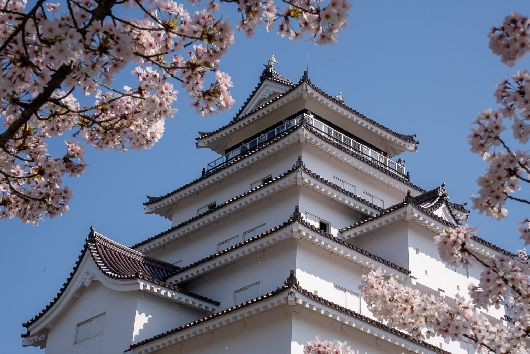
Image generated with Ai
Japan is not imposing a nationwide ban on short-term rentals in 2026, but several major tourism destinations, including Kyoto City and Tokyo’s Shinjuku Ward, are introducing stricter restrictions or partial bans to control overtourism, protect residential communities and reduce local complaints.
Japan’s booming tourism recovery is creating a new challenge for cities across the country. While international arrivals are strengthening local economies, popular destinations are increasingly tightening control over short-term rentals, known locally as minpaku. Authorities are moving away from a one-size-fits-all approach and allowing municipalities to impose stricter rules based on local conditions.
Advertisement
Advertisement
The strongest restrictions are emerging in destinations facing intense visitor pressure, especially Kyoto and Tokyo neighbourhoods where residents have raised concerns about noise, waste disposal, overcrowding and changes to community life.
Japanese Cities and Municipal Areas Restricting or Banning Short-Term Rentals in 2026
| City / Municipal Area | Prefecture | Status in 2026 | Short-Term Rental Restriction Details | Main Reason for Restrictions | Impact on Tourists and Hosts |
|---|---|---|---|---|---|
| Kyoto City | Kyoto | Strict restrictions | Residential areas face strong limits. Many minpaku operations are restricted to specific periods, with residential-zone rentals generally limited to 60 days annually, mainly during January–March. | Overtourism, resident complaints, preservation of historic neighbourhoods, noise and waste concerns | Tourists have fewer Airbnb-style options in traditional districts; licensed hotels and ryokan remain widely available |
| Shinjuku Ward, Tokyo | Tokyo | New major restrictions planned for 2026–2027 | The ward plans to prohibit short-term rentals in many residential zones and areas near schools and cultural sites. The proposal could affect around 2,000 of the ward’s 3,775 registered private lodgings. | Rising complaints about rubbish, noise, smoking violations and visitor behaviour | Many existing minpaku operators may need to stop operating or relocate to permitted zones |
| Tokyo Special Wards (various areas) | Tokyo | Partial restrictions | Several wards have introduced stricter rules than national law, including limits on operating days, permitted zones and weekday operations. | Protecting residential communities and reducing pressure from tourism growth | Visitors should check ward-level rules rather than assuming Tokyo-wide permission |
| Nakano Ward, Tokyo | Tokyo | Restricted zones | Residential minpaku operations have historically faced limits, including restrictions linked to weekends and holidays in some areas. | Balancing local housing needs with tourism demand | Fewer short-term rental choices compared with central commercial areas |
| Setagaya Ward, Tokyo | Tokyo | Controlled operations | Requires compliance with Tokyo minpaku rules and local restrictions affecting residential properties. | Maintaining residential character and reducing disruption | Hosts must verify local permissions before listing |
| Osaka City | Osaka | Not fully banned but heavily regulated | Osaka remains one of Japan’s more flexible markets because of special-zone lodging rules, but operators must follow licensing, zoning and minimum-stay requirements depending on the area. | Managing tourism growth while supporting accommodation supply | More options exist than Kyoto, but unlicensed rentals face removal |
| Fujiyoshida City | Yamanashi | Tourism-control measures affecting accommodation environment | While not a complete short-term rental ban, the city has taken stronger measures around visitor management near Mount Fuji. | Protecting local communities from overtourism pressure | Tourism access is becoming more controlled in popular Fuji-viewing areas |
| Other Tokyo municipalities and wards | Tokyo | Increasing restrictions | Local governments can impose stricter regulations than national rules, including limiting operating areas and rental periods. | Managing rapid growth of private lodging | Rules differ significantly between neighbourhoods |
Why are Japanese cities restricting short-term rentals in 2026?
Japan’s short-term rental market expanded rapidly after the introduction of the Private Lodging Business Act (Minpaku Law), which created a legal framework for private homes to host travellers. Under national rules, registered operators can generally rent properties for up to 180 days per year, but local governments have the authority to introduce additional restrictions.
Advertisement
Advertisement
The growth of private accommodation helped Japan deal with rising visitor demand, especially around major events and peak travel seasons. However, some communities argue that uncontrolled expansion has created pressure on neighbourhoods traditionally designed for permanent residents rather than constant tourist turnover.
Cities are now focusing on maintaining a balance between tourism revenue and residential stability. Officials say restrictions are aimed at problematic operations and protecting local quality of life rather than eliminating all forms of home sharing.
Advertisement
Advertisement
Which Japanese cities have the strictest short-term rental restrictions in 2026?
The following table highlights the main Japanese cities and districts where travellers and hosts face stronger limitations.
| City or Area | Prefecture | 2026 Short-Term Rental Status | Main Restrictions | Reason Behind Policy |
|---|---|---|---|---|
| Kyoto City | Kyoto | Highly restricted | Residential-area minpaku operations limited to around 60 days annually during specific periods | Overtourism, resident concerns, preservation of historic districts |
| Shinjuku Ward | Tokyo | Major restrictions planned | Residential zones and areas near schools and cultural sites targeted for bans; rental days may be reduced | Rising complaints about noise, rubbish and visitor behaviour |
| Other Tokyo Special Wards | Tokyo | Partial restrictions | Rules vary by ward, including operating-day limits and zoning controls | Protecting residential communities |
| Nakano Ward | Tokyo | Controlled operations | Restrictions apply in some residential areas | Managing tourism impact |
| Setagaya Ward | Tokyo | Controlled operations | Requires compliance with local rules and national registration | Maintaining neighbourhood character |
| Osaka City | Osaka | Regulated but comparatively flexible | Licensing and zoning requirements apply | Supporting tourism while controlling impacts |
| Fujiyoshida City | Yamanashi | Tourism management restrictions | Stronger visitor-management policies around Mount Fuji areas | Reducing overcrowding and protecting local life |
Why is Kyoto leading Japan’s crackdown on short-term rentals?
Kyoto has become the symbol of Japan’s struggle with overtourism. The ancient capital attracts millions of visitors every year because of its temples, shrines, traditional streets and cultural heritage sites. However, the same popularity has created challenges for residents living in historic neighbourhoods.
Advertisement
Advertisement
The city introduced some of Japan’s toughest minpaku controls. In residential areas, short-term rentals face significant limitations, with operations restricted to specific periods rather than being available throughout the year.
Officials have argued that tourism growth must not damage the daily lives of residents. Concerns include tourists entering private areas, increased rubbish, excessive noise and pressure on housing availability.
Kyoto’s approach represents a broader shift in Japanese tourism policy. Instead of focusing only on attracting more visitors, authorities are increasingly looking at sustainable tourism models that protect communities while maintaining economic benefits.
For travellers, the changes mean fewer unregulated accommodation options in traditional neighbourhoods. Visitors may increasingly rely on licensed hotels, ryokan and approved lodging facilities when staying in central Kyoto.
Advertisement
Advertisement
Is Tokyo banning Airbnb-style rentals in 2026?
Tokyo is not introducing a citywide ban, but individual wards are becoming much stricter. The most significant development is taking place in Shinjuku Ward, one of Tokyo’s busiest visitor areas and home to destinations such as Kabukicho and the Shinjuku Station district.
Shinjuku authorities are planning restrictions that could prevent short-term rentals in many residential areas and locations near schools and cultural facilities. The proposal could affect thousands of registered private lodging properties.
The decision follows a rise in complaints from residents. Issues reported include improper rubbish disposal, excessive noise, smoking violations and visitor behaviour considered disruptive to local communities.
Tokyo’s situation highlights why travellers cannot assume that rules are identical across Japan. The capital operates through multiple special wards, and each ward can create additional regulations beyond national requirements.
Visitors planning to stay in private rentals should check the exact location, registration status and local rules before booking.
Are Osaka and other Japanese cities also restricting short-term rentals?
Osaka remains more flexible compared with Kyoto and some Tokyo districts, but it is still heavily regulated. The city has historically supported special-zone accommodation systems that allow certain properties to operate under different conditions.
Advertisement
Advertisement
However, Osaka does not provide unlimited freedom for private rentals. Operators must comply with registration requirements, safety standards and local regulations. Unregistered properties remain subject to enforcement action.
Other Japanese cities are also reviewing their policies as tourism numbers increase. Destinations near major attractions, including areas around Mount Fuji, are focusing more on visitor management and community protection.
Fujiyoshida City, a popular location for Mount Fuji views, has taken steps to address disruptive tourism behaviour. While not a complete short-term rental ban, the city reflects a wider national trend of controlling visitor pressure in highly popular destinations.
What do Japan’s rental restrictions mean for international tourists?
For international visitors, Japan’s changing short-term rental environment means accommodation planning will become more important in 2026.
Travellers using platforms offering private homes should confirm that properties display proper registration details. Japanese regulations require hosts operating under the minpaku system to complete official procedures before offering accommodation.
Tourists may notice fewer private apartments available in central locations, particularly in Kyoto and certain Tokyo neighbourhoods. However, Japan continues to offer a wide range of alternatives, including hotels, traditional inns, serviced apartments and licensed guesthouses.
Advertisement
Advertisement
The restrictions are unlikely to reduce Japan’s popularity as a global tourism destination. Instead, they indicate that authorities are attempting to manage growth more carefully.
How will stricter rental rules affect Japan’s tourism industry?
Japan’s tourism industry is entering a new phase. The country wants to welcome more international visitors while avoiding the problems experienced by other major destinations struggling with overtourism.
The government has ambitious tourism growth targets, but local governments are increasingly demanding stronger management systems.
Short-term rental restrictions demonstrate a growing focus on sustainable tourism. Cities are recognising that visitor numbers alone do not determine tourism success. Community acceptance, housing availability and cultural preservation are becoming equally important.
For accommodation operators, the message is clear: compliance with local regulations will become essential. For travellers, understanding city-specific rules will help avoid booking problems and ensure smoother experiences.
What should tourists know before booking a short-term rental in Japan?
Travellers should consider several factors before choosing a private rental:
Advertisement
Advertisement
| Check Before Booking | Why It Matters |
|---|---|
| Registration number | Confirms the property is legally operating |
| Local ward or city rules | Regulations differ significantly across Japan |
| Rental availability dates | Some areas limit operating periods |
| Location zoning | Residential areas may face stricter controls |
| Alternative accommodation options | Hotels and ryokan may be more reliable in restricted areas |
Japan’s short-term rental landscape in 2026 is becoming more controlled, but it is not disappearing. The country is moving toward a regulated tourism model where private accommodation can continue operating while communities receive stronger protection.
Kyoto, Shinjuku and other high-demand destinations are leading this transformation, showing how Japan is attempting to balance global tourism growth with the everyday needs of residents.
Japan’s tighter approach reflects growing concerns about managing visitor demand responsibly while preserving local communities and cultural areas. The answer lies in balanced oversight rather than complete prohibition of private stays. Cities are introducing targeted measures because uncontrolled expansion can create social challenges and housing pressure. These actions aim to maintain tourism appeal while improving resident experiences. The reason behind the changes is simple: sustainable growth requires cooperation between travellers, businesses and authorities. Japan’s evolving framework shows a commitment to responsible tourism management in the years ahead with stronger systems designed to protect destinations and support long-term visitor confidence globally.
[Image: Japan National Tourism Organization JNTO]
Advertisement
