
Madhesh Travel Mart 2026 Concludes in Birgunj, Jitpursimara and Janakpurdham, Boosting Nepal–India Cross-Border Tourism, Heritage Travel and Regional Growth

Published
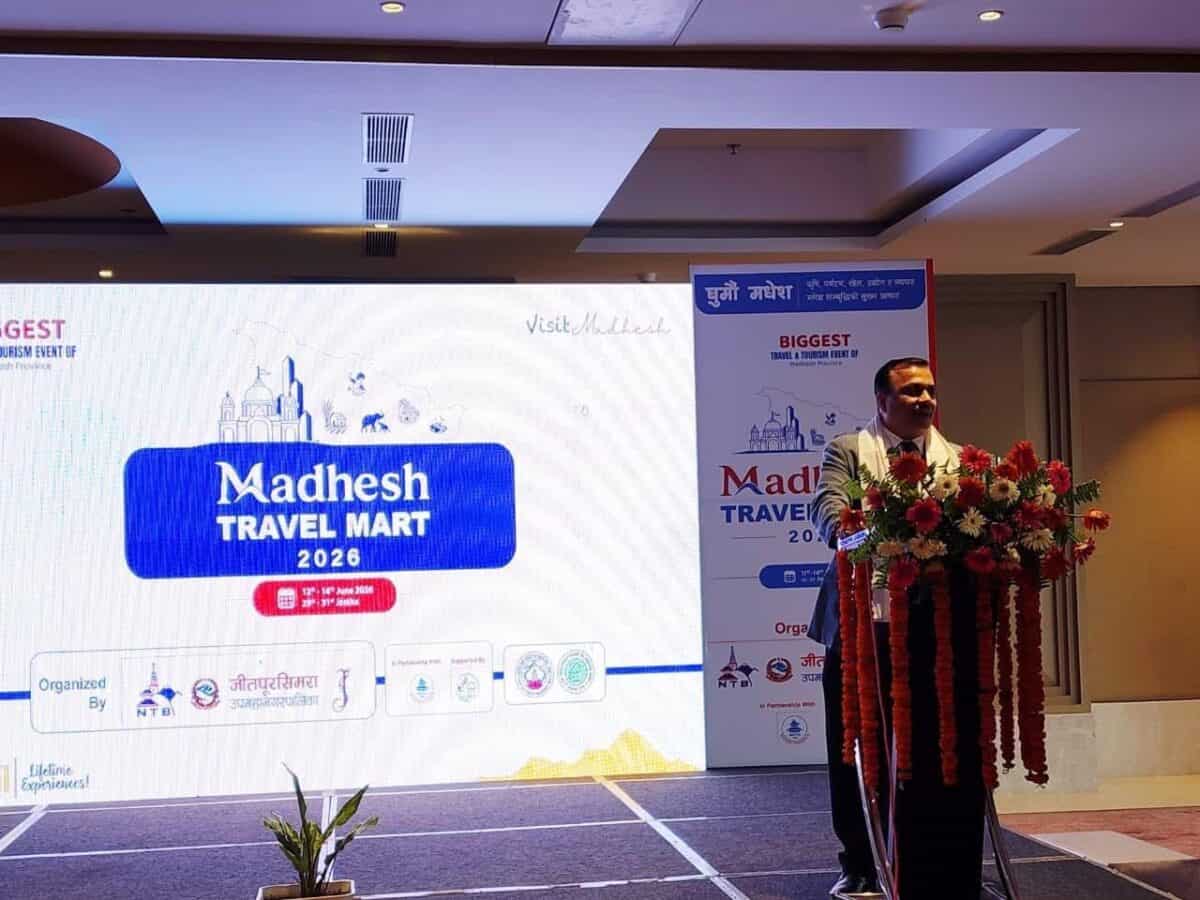
The Madhesh Travel Mart 2026 has been successfully organized in Birgunj, Jitpursimara and Janakpurdham cities, making the Madhesh province gain a better platform in Nepal’s tourism sector. Organized from June 12 to 14, the travel mart was attended by 55 Indian tourists and media personnel along with 25 Nepalese travel trade personnel, establishing a professional environment for cross-border tourism collaboration.
It was organized in collaboration with Jitpursimara Sub-Metropolitan City under the facilitation of NATTA Madhesh Province. Through the travel mart, Madhesh has been showcased as something beyond a transit zone for religious tourism, cultural tourism, heritage tourism, nature tourism and India-Nepal tourism collaborations.
Madhesh Moves From Transit Corridor To Destination Brand
For years, Madhesh Province has served as an important entry point into Nepal, especially for travellers arriving from India through the southern plains. However, the province has often been treated as a passage rather than a primary destination. Madhesh Travel Mart 2026 challenged that perception by showcasing the region’s own tourism assets. The event helped industry stakeholders see Madhesh as a destination with strong spiritual, cultural and commercial value.
This shift matters because cross-border visitors already share language, religion, festivals, family links and cultural familiarity with the region. With better packaging, marketing and infrastructure, Madhesh can convert these natural advantages into longer stays and stronger local spending.
Advertisement
Advertisement
Janakpurdham Gives Madhesh A Powerful Pilgrimage Identity
Janakpurdham remains one of the strongest tourism anchors in Madhesh. Known as the birthplace of Janaki, or Sita, the city holds major religious importance for Hindu pilgrims from Nepal, India and beyond. The city’s connection with the Ramayana, Mithila culture, Vivah Panchami, sacred ponds and traditional festivals gives it deep emotional value for faith-based travellers. The iconic Janaki Temple adds architectural and spiritual weight to the destination.
For tourism planners, Janakpurdham offers a clear growth opportunity. It can be developed as part of a wider religious circuit connecting Nepal and India, especially for travellers interested in Ramayana heritage, Mithila traditions and cross-border pilgrimage routes.
Advertisement
Advertisement
Birgunj Adds Trade, Transit And Urban Tourism Value
Birgunj plays a different but equally important role. As a major border and commercial city, it connects tourism with trade, transport and business movement. The city has long been associated with Nepal’s southern gateway identity, but it also offers cultural and local attractions that can support short stays. Its role in Madhesh Travel Mart 2026 was strategic because travel buyers and media could experience the province’s commercial entry point alongside its religious and cultural centres.
This combination can help build new itineraries that include border arrivals, business travel, heritage visits, local food experiences, community interaction and onward journeys into other parts of Nepal.
Jitpursimara Supports Connectivity And Regional Access
Jitpursimara strengthened the mart’s regional access story. Its location near key transport links gives it practical relevance for travel movement across Madhesh and beyond. By involving the sub-metropolitan city as a partner, the event highlighted the importance of local government support in tourism development.
Destinations cannot grow through marketing alone. They need access, coordination, services, hospitality capacity, safety, signage and local readiness. Jitpursimara’s role shows how emerging urban centres can support tourism distribution across the province. It also gives Madhesh a more connected tourism map, linking border movement, religious circuits, business travel and natural attractions.
B2B Meetings Can Turn Promotion Into Business
The participation of Indian and Nepali travel professionals gave the mart its strongest commercial value. Business-to-business meetings, networking sessions, panel discussions and familiarisation visits created opportunities for real package development. Indian travel agents and media representatives gained first-hand exposure to Madhesh’s tourism products, while Nepali operators could understand what Indian travellers and trade partners need.
This exchange can help create itineraries around Janakpurdham, Birgunj, Parsa, Mithila culture, religious festivals and cross-border routes. Such meetings are important because tourism growth depends on sellable products. A destination must be easy to explain, package, price and promote before visitor numbers can rise consistently.
Advertisement
Advertisement
Mithila Culture Can Become A Strong Tourism Asset
Mithila culture gives Madhesh a distinctive identity within Nepal’s tourism landscape. The region’s art, festivals, rituals, language, food, music, sacred stories and community traditions offer powerful material for cultural tourism. Mithila painting is especially important because it connects household traditions, women’s creativity, mythology and visual storytelling. Properly promoted, it can support workshops, craft tours, cultural trails, homestays, exhibitions and souvenir markets.
This can create income for local artists and communities while giving visitors meaningful experiences. Madhesh Travel Mart 2026 helped bring this cultural value into the tourism conversation, making it clear that Madhesh has more to offer than religious sites alone.
Nature-Based Tourism Adds Another Growth Layer
Madhesh also has potential beyond pilgrimage and culture. Parsa Wildlife Reserve, forest areas, botanical attractions, rivers, ponds and rural landscapes can support nature-based itineraries. This is important because modern travellers increasingly seek mixed experiences. A visitor may arrive for Janakpurdham, but also explore wildlife, local food, crafts, markets and rural communities.
The future of Madhesh tourism could depend on building multi-theme packages that combine faith, culture, nature and community. This would encourage longer stays and wider spending. It would also reduce overdependence on single-site pilgrimage visits, making the province more resilient as a tourism destination.
India Market Can Drive Future Visitor Growth
The Indian travel market is central to Madhesh’s future. The open border, shared religious traditions and cultural proximity create a strong foundation for growth. Many Indian travellers are already familiar with the stories and destinations linked to Mithila and Ramayana heritage. The challenge is to convert familiarity into organised tourism. Better road access, clearer information, stronger hospitality services, trained guides, digital booking, hygiene standards and cross-border promotion can make a major difference.
By hosting Indian entrepreneurs and media, the mart directly targeted the audience most likely to shape future demand. Their coverage and business connections can help Madhesh reach more travellers across neighbouring Indian states and wider markets.
Advertisement
Advertisement
Local Communities Could Benefit From Better Tourism Packaging
If managed well, the impact of Madhesh Travel Mart 2026 can reach local communities. Tourism spending can support hotels, restaurants, guides, transport providers, artists, food sellers, festival organisers, small businesses and cultural groups. Religious and cultural tourism can be especially valuable because it often involves repeat visits, family travel and festival-based movement.
However, the benefits will depend on planning. Local communities need training, product development, digital visibility and support to participate fully. The mart created a platform, but future success will require follow-up action. Stakeholders must turn interest into bookable packages, improved services and community-led experiences.
Madhesh Can Strengthen Nepal’s Tourism Diversity
Nepal is widely known for mountains, trekking, adventure and Himalayan landscapes. Madhesh Province adds a different dimension. It shows Nepal as a country of plains, temples, trade cities, sacred ponds, festivals, art, agriculture, border culture and living heritage. This diversity is valuable for national tourism branding. It can help Nepal attract visitors who may not be focused on trekking or high-altitude adventure.
Madhesh can appeal to pilgrims, cultural travellers, family groups, educational visitors, Indian tourists, heritage enthusiasts and cross-border business travellers. The mart helped reinforce this broader message: Nepal’s tourism future must include the Terai as strongly as the Himalayas.
A Strong Foundation For Future Madhesh Tourism Growth
The Madhesh Travel Mart 2026 laid a significant groundwork for future tourism in southern Nepal. The fact that this event brought together Indian buyers, Nepali tourism operators, as well as the media, shows that a practical link can be made between promotion and business development. The selection of Birgunj, Jitpursimara and Janakpurdham as focus areas indicated that Madhesh has all the ingredients required to become a more attractive tourist destination.
The only thing left to do now is implementation. With improved packages, services and promotion of cross-border routes, Madhesh Province could turn out to be one of the most promising entry points for Nepal in terms of religious and cultural tourism and cooperation with India.
Advertisement
Advertisement
Image Source: Nepal Tourism Board
Advertisement
