
Italy Joins UK, Germany, Netherlands, France and Other European Countries in Direct Talks with Iran for Strait of Hormuz Shipping Amid Surging Jet Fuel Crisis, Cruise Disruptions and Tourism Collapse After India, China, Japan, Iraq and Pakistan Secure Passage

Published
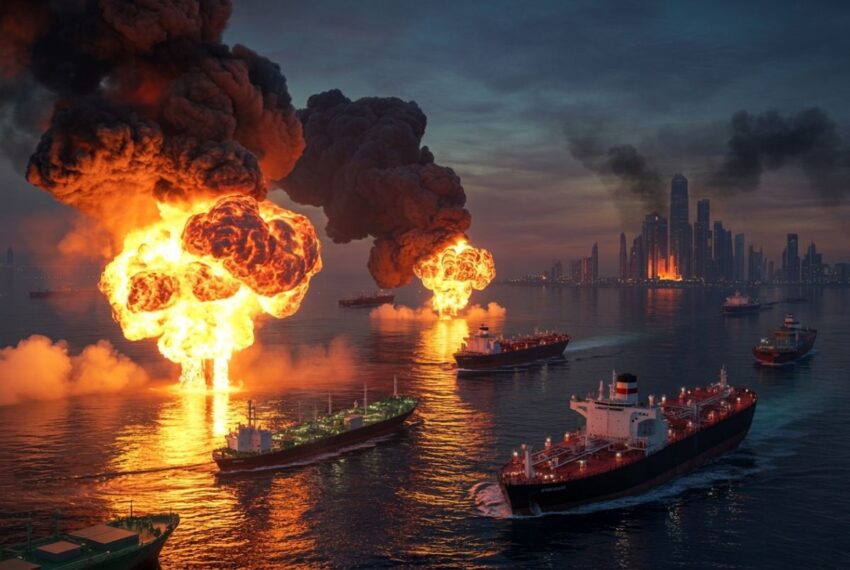 Image generated with Ai
Italy joins UK, Germany, Netherlands, France and other European countries in direct talks with Iran for Strait of Hormuz shipping access after India, China, Japan, Iraq and Pakistan secure passage, as surging jet fuel crisis, cruise disruptions and tourism collapse threaten Europe’s airlines, trade routes and summer travel economy. Europe’s dependence on Gulf energy and maritime trade has pushed Italy, the UK, Germany, Netherlands and France into urgent diplomatic coordination with Iran as the Strait of Hormuz crisis deepens. After India, China, Japan, Iraq and Pakistan moved early to secure shipping passage, European governments are now racing to protect fuel supplies, stabilize aviation networks, prevent cruise disruptions and stop a wider tourism and economic slowdown ahead of the peak summer travel season.
Why the Strait of Hormuz Has Become the Most Important Energy and Tourism Flashpoint of 2026
The Strait of Hormuz has emerged as the world’s most sensitive maritime chokepoint in 2026 after escalating Iran-related tensions disrupted global energy transportation, aviation fuel supplies, cruise operations and tourism recovery. According to the U.S. Energy Information Administration, nearly 20% of global petroleum liquids consumption normally transits through the Strait of Hormuz, making it indispensable for Europe, Asia and the wider global economy. As shipping restrictions intensified after the February 2026 conflict escalation involving Iran, Israel and the United States, multiple governments rushed into diplomatic negotiations with Tehran to maintain commercial access and protect national energy security.
Advertisement
Advertisement
- Around one-fifth of global oil flows move through Hormuz.
- Europe’s aviation and tourism sectors remain highly dependent on Gulf fuel supplies.
- Shipping insurance premiums surged sharply during March–May 2026.
- Cruise operators revised regional itineraries because of security concerns.
- Global airline fuel procurement strategies shifted toward emergency sourcing.
| Strategic Factor | May 2026 Status | Global Impact |
|---|---|---|
| Global Oil Transit Through Hormuz | ~20% of global supply | Energy market instability |
| Europe Jet Fuel Dependence | Heavy reliance on Gulf imports | Rising airfare prices |
| Maritime Insurance Costs | Significantly elevated | Shipping inflation |
| Cruise Operations | Route adjustments ongoing | Tourism slowdown |
| Airline Fuel Costs | More than doubled in some markets | Ticket price increases |
Italy’s Strategic Push Toward Iran Talks to Protect Mediterranean Energy and Tourism Stability
Italy has become one of the most closely watched European countries in the emerging Hormuz negotiations because of its dependence on maritime trade, imported energy and Mediterranean tourism flows. Italian industries, airports and ports remain deeply connected to stable oil and fuel imports originating from the Gulf region. Rome’s participation in maritime coordination efforts reflects growing concerns that prolonged instability in the Strait of Hormuz could trigger broader economic disruption across Southern Europe. Italy has also been linked to European maritime discussions concerning future escort missions and shipping protection frameworks in the Gulf.
- Italy relies heavily on imported fuel supplies.
- Italian aviation networks face rising operational costs.
- Mediterranean cruise markets remain exposed to marine fuel inflation.
- Rome has participated in European maritime coordination efforts.
- Italian tourism recovery remains vulnerable to airfare spikes.
| Italy Economic Exposure | Current Situation | Impact Area |
|---|---|---|
| Aviation Fuel Costs | Rising rapidly | Airlines |
| Mediterranean Tourism | Facing pricing pressure | Tourism |
| Maritime Trade | Dependent on stable Gulf shipping | Ports and logistics |
| Industrial Manufacturing | Sensitive to energy inflation | Production |
| Cruise Sector | Monitoring Gulf security risks | Passenger demand |
UK Intensifies Hormuz Diplomacy and Naval Planning Amid Growing Aviation Fuel Crisis
The United Kingdom has emerged as one of the leading European countries responding to the Strait of Hormuz crisis through both diplomacy and military planning. British officials have repeatedly emphasized the importance of maintaining freedom of navigation while simultaneously engaging in multinational discussions about reopening safe shipping lanes. The UK government has also prepared defensive maritime deployment plans involving Royal Navy assets, autonomous mine-clearing systems and air patrol support. British energy markets have experienced major volatility since March 2026, while aviation operators continue facing growing jet fuel procurement costs.
Advertisement
Advertisement
- The UK helped lead multinational Hormuz security discussions.
- British aviation operators face severe fuel market volatility.
- Royal Navy planning expanded significantly during April–May 2026.
- UK tourism operators are monitoring airfare inflation.
- London supports diplomatic navigation solutions alongside deterrence.
| UK Strategic Response | May 2026 Development | Sector Impact |
|---|---|---|
| Naval Planning | Expanded maritime readiness | Shipping protection |
| Fuel Prices | Increased substantially | Consumers and airlines |
| Aviation Sector | Rising operational costs | International travel |
| Tourism Market | Concern over booking slowdown | Summer travel |
| Diplomatic Engagement | Active multinational coordination | Regional stability |
Germany’s Energy Security Concerns Drive Support for Strait of Hormuz Negotiations
Germany’s involvement in the growing diplomatic discussions surrounding Hormuz reflects Berlin’s increasing concern over industrial energy security and transportation inflation. German manufacturing industries remain heavily dependent on stable global supply chains and affordable fuel access. Although Germany previously resisted direct military involvement in the regional conflict, Berlin later joined multinational statements supporting coordinated efforts to stabilize maritime navigation and prevent deeper economic disruption. German airlines and cargo operators are also among the European industries most exposed to prolonged jet fuel shortages.
- Germany faces rising industrial energy costs.
- Lufthansa and cargo operators are exposed to fuel disruptions.
- Berlin supports diplomatic stabilization efforts.
- German inflation risks increased during spring 2026.
- Manufacturing sectors remain vulnerable to supply chain instability.
| Germany Economic Risk | Current Status | National Impact |
|---|---|---|
| Industrial Energy Costs | Elevated | Manufacturing |
| Airline Fuel Procurement | Under pressure | Aviation |
| Inflation Risk | Increasing | Consumers |
| Maritime Logistics | Facing uncertainty | Trade |
| Diplomatic Position | Supporting navigation stability | EU coordination |
Netherlands Expands Maritime Coordination Role as European Shipping Risks Surge
The Netherlands has taken on an increasingly important role in European maritime coordination because Rotterdam remains one of Europe’s largest energy and cargo gateways. Dutch shipping interests are highly exposed to disruptions in Gulf maritime traffic, particularly as insurance costs and rerouting expenses continue rising. Dutch authorities have also participated in discussions involving maritime escort planning and coordinated navigation security frameworks. The Netherlands remains strategically focused on preserving global trade continuity and protecting European shipping infrastructure from prolonged instability.
Advertisement
Advertisement
- Rotterdam remains critical to European fuel imports.
- Dutch shipping firms face mounting insurance costs.
- Netherlands supports maritime stabilization initiatives.
- Logistics disruptions threaten wider EU supply chains.
- Dutch trade sectors remain vulnerable to prolonged instability.
| Netherlands Maritime Exposure | May 2026 Situation | Economic Effect |
|---|---|---|
| Port Activity | Sensitive to fuel trade disruption | Cargo operations |
| Marine Insurance | Premiums sharply higher | Shipping costs |
| Supply Chains | Facing delays and rerouting | Logistics |
| Fuel Imports | Highly exposed to Gulf flows | Energy security |
| EU Maritime Role | Active coordination participant | Trade stability |
France Leads European Maritime Diplomacy as Gulf Shipping Instability Escalates
France has become one of Europe’s most active players in the Hormuz crisis through diplomatic engagement, maritime coordination and strategic Gulf deployments. Paris has consistently advocated for freedom of navigation while also participating in multinational discussions involving future escort missions and shipping security frameworks. France already maintains strong naval capabilities in the Gulf region and has coordinated discussions involving broader European maritime cooperation. French aviation, tourism and industrial sectors remain highly sensitive to prolonged fuel inflation and shipping disruptions.
- France remains central to European Gulf maritime strategy.
- Paris supports diplomatic and defensive maritime measures.
- French airlines face rising transcontinental fuel expenses.
- Cruise and tourism operators monitor regional instability.
- France continues coordinating multinational navigation talks.
| France Strategic Position | Current Activity | Impact Sector |
|---|---|---|
| Naval Coordination | Expanded Gulf readiness | Maritime security |
| Diplomatic Engagement | Leading EU discussions | International policy |
| Aviation Costs | Increasing significantly | Airlines |
| Tourism Exposure | Sensitive to travel inflation | Hospitality |
| Shipping Security | Major strategic priority | Trade protection |
India, China, Japan, Iraq and Pakistan Move Early to Secure Hormuz Shipping Passage
India, China, Japan, Iraq and Pakistan were among the first major countries to directly engage with Tehran to preserve commercial access through the Strait of Hormuz after shipping restrictions intensified. These countries depend heavily on Gulf oil imports, LNG shipments and uninterrupted maritime trade. Their early diplomatic outreach reflected urgent concerns over fuel shortages, industrial disruption, aviation instability and inflation risks. India and China, in particular, remain among the world’s largest energy importers and faced immediate economic exposure when shipping flows declined sharply during March and April 2026.
Advertisement
Advertisement
- India and China remain heavily dependent on Gulf oil imports.
- Japan prioritized energy stability and maritime continuity.
- Iraq sought tanker movement guarantees through diplomatic channels.
- Pakistan hosted regional discussions on reopening Hormuz.
- Asian economies moved faster than Europe to secure passage access.
| Country | Strategic Objective | Key Economic Concern |
|---|---|---|
| India | Protect energy imports | Aviation and industry |
| China | Maintain industrial fuel supply | Manufacturing |
| Japan | Prevent energy shortages | Transportation |
| Iraq | Preserve oil export continuity | National revenue |
| Pakistan | Stabilize regional shipping | Trade and LNG imports |
Europe’s Jet Fuel Crisis Deepens as Hormuz Disruptions Threaten Summer Travel
Europe’s aviation industry entered a major fuel stress phase during spring 2026 as disruptions in the Strait of Hormuz sharply reduced Gulf jet fuel shipments into European markets. According to the International Energy Agency, Europe’s jet fuel imports from the Middle East fell dramatically during April 2026, forcing airlines and airports to seek alternative suppliers from the United States and West Africa. The International Air Transport Association also warned that restoring supply balance could take months even if shipping access improves.
- European jet fuel imports from the Gulf declined sharply.
- Airlines began emergency procurement from alternative regions.
- Airfare prices increased across international routes.
- Summer travel planning faced growing uncertainty.
- Airports monitored fuel reserve levels closely.
| Aviation Market Indicator | May 2026 Situation | Travel Impact |
|---|---|---|
| Gulf Jet Fuel Imports | Major decline | Fuel shortages |
| Airfare Pricing | Increasing globally | Higher travel costs |
| Fuel Reserves | Under pressure | Operational risk |
| Airline Procurement | Emergency sourcing underway | Cost escalation |
| Summer Travel Demand | Facing uncertainty | Tourism slowdown |
Cruise Tourism and Global Shipping Face New Economic Shockwaves from Hormuz Instability
Cruise companies, cargo operators and marine logistics providers are facing rising operational challenges because of instability surrounding the Strait of Hormuz. Cruise operators have already revised selected itineraries involving Gulf and nearby regional waters, while shipping companies continue absorbing significantly higher insurance and rerouting expenses. The International Maritime Organization has repeatedly emphasized the importance of maintaining secure maritime trade routes to protect global commerce and transportation systems. Extended disruptions could continue pushing up transportation costs worldwide throughout 2026.
- Cruise routes are being revised because of regional instability.
- Marine insurance costs remain elevated globally.
- Cargo shipping delays are increasing.
- Tourism operators face reduced traveler confidence.
- Global supply chains remain vulnerable to prolonged disruption.
| Maritime Sector Pressure | Current Condition | Industry Effect |
|---|---|---|
| Cruise Operations | Route adjustments ongoing | Tourism |
| Shipping Insurance | Costs elevated | Cargo trade |
| Supply Chains | Experiencing delays | Retail and manufacturing |
| Fuel Consumption | Increasing due to rerouting | Logistics |
| Passenger Confidence | Under pressure | Travel demand |
In conclusion, Italy unites with UK, Germany, Netherlands, France and other European countries in direct talks with Iran for Strait of Hormuz shipping access highlights how deeply Europe’s economy, aviation sector and tourism industry depend on stable Gulf trade routes. After India, China, Japan, Iraq and Pakistan secure passage through early diplomatic engagement, European governments were forced to accelerate negotiations as the surging jet fuel crisis, cruise disruptions and tourism collapse triggered rising airfares, shipping instability and growing fears of a wider economic slowdown across global travel markets.
Advertisement
