Anirban Bhattacharya Anirban Bhattacharya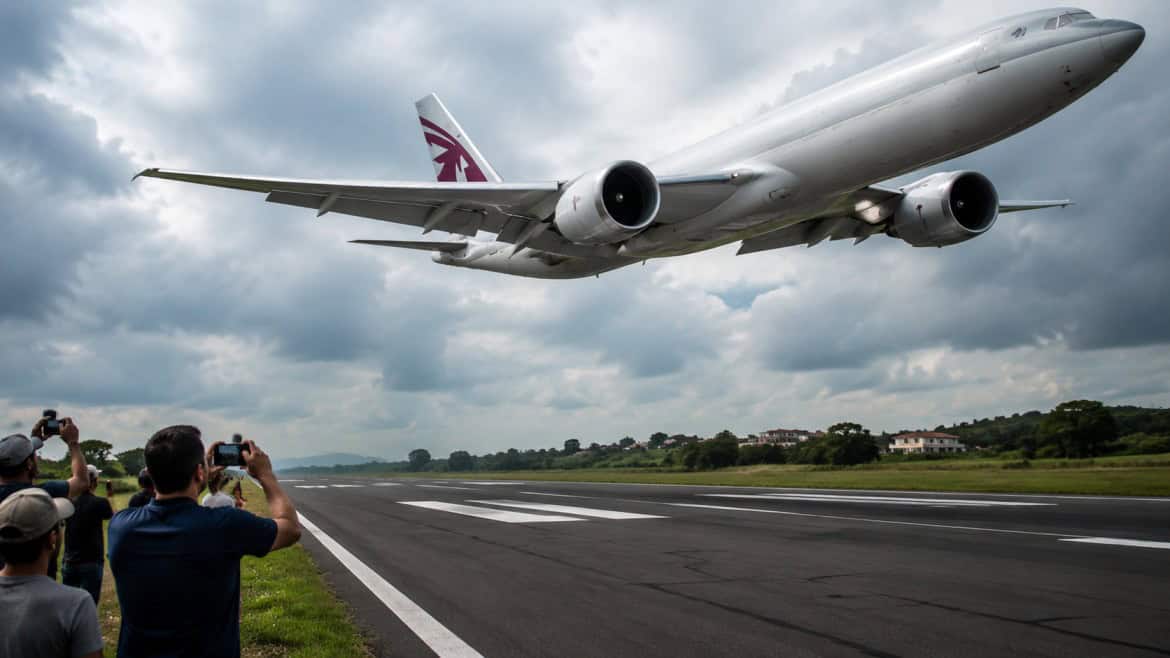
Image generated with Ai
SAS has announced the largest fleet investment in its 80-year history, confirming plans to acquire up to 40 Airbus widebody aircraft as part of a long-term strategy to strengthen Scandinavian global connectivity. The move represents a major milestone in the airline’s transformation journey and reflects growing demand for international air travel across Europe, North America, and Asia.
The investment includes Airbus A330-900neo aircraft alongside additional A330-300 units, designed to support capacity growth ahead of next-generation fleet integration. Valued at more than US$10 billion at list prices, the agreement stands as the most significant aircraft order ever placed by the Scandinavian carrier.
Advertisement
According to official airline communication, the new fleet programme aims to modernise long-haul operations, improve fuel efficiency, and reinforce Copenhagen Airport’s role as a strategic global hub. Further details on the aircraft manufacturer can be verified via Airbus.
SAS leadership has described the investment as a defining step in the airline’s future, linking fleet expansion directly with economic growth, job creation, and regional connectivity across Scandinavia. The announcement also aligns with broader industry trends where airlines are accelerating fleet renewal to improve sustainability and operational performance.
Advertisement
Advertisement
SAS is entering a decisive phase of fleet transformation with its largest-ever aircraft investment programme. The introduction of up to 40 Airbus widebody aircraft represents a structured effort to modernise long-haul capacity and strengthen global competitiveness.
The Airbus A330-900neo will form a key part of this renewal, offering improved fuel efficiency, reduced noise levels, and enhanced passenger comfort. These aircraft will gradually replace older widebody models while maintaining operational continuity across long-haul routes.
This investment follows earlier commitments to regional fleet expansion and narrowbody modernisation. Together, these programmes position SAS for a more efficient and scalable operating model.
The airline’s strategy reflects a broader shift in European aviation, where legacy carriers are investing heavily in next-generation aircraft to remain competitive in a post-restructuring environment. SAS aims to use this fleet upgrade to support long-term network expansion and improved profitability.
Advertisement
Advertisement
Copenhagen Airport is expected to benefit significantly from SAS’ new widebody investment, reinforcing its role as the airline’s primary international hub. The additional aircraft will enhance connectivity between Scandinavia and major global destinations.
The hub strategy focuses on improving transfer efficiency and expanding long-haul route availability. This includes stronger links to Europe, North America, and selected Asian markets, depending on demand conditions.
With increased aircraft availability, SAS will be able to optimise scheduling, increase frequency on key routes, and offer more flexible travel options for both business and leisure passengers.
The development is also expected to strengthen Copenhagen’s competitive position among Northern European hubs, alongside airports in Amsterdam, Frankfurt, and London. The investment supports long-term infrastructure and traffic growth planning in the region.
SAS has linked its fleet expansion strategy with broader economic benefits across Scandinavia, particularly in Denmark and southern Sweden. An internal economic study suggests that the planned growth could support thousands of new jobs.
The report estimates approximately 25,000 additional jobs supported by the airline’s expansion and a GDP contribution of around DKK 25 billion by 2030. Total employment linked to SAS operations is expected to rise significantly over the decade.
Southern Sweden is also expected to benefit, with around 4,000 additional jobs forecast due to increased connectivity and regional business activity.
This demonstrates how airline fleet decisions extend beyond aviation and directly influence regional economic ecosystems, including tourism, logistics, and international trade. SAS’ investment therefore plays a dual role in transport development and economic growth.
Sustainability remains a central pillar of SAS’ long-term fleet strategy. The Airbus A330-900neo aircraft are designed to deliver improved fuel efficiency and lower emissions compared to older widebody aircraft.
In addition to fleet renewal, SAS is exploring future sustainable aviation fuel technologies through partnerships aimed at developing electric SAF solutions. These initiatives reflect growing industry pressure to decarbonise aviation while maintaining global connectivity.
The airline’s approach combines operational efficiency with environmental responsibility, aligning with European Union climate goals and broader aviation sustainability frameworks.
By modernising its fleet, SAS aims to reduce its environmental footprint while maintaining growth in passenger demand. This dual focus is becoming increasingly important across the global airline industry.
The investment in up to 40 Airbus widebody aircraft positions SAS for long-term competitiveness in the global aviation market. The airline is focusing on strengthening its core hub model while expanding international reach.
The fleet expansion will allow SAS to operate more efficiently on long-haul routes and respond better to fluctuating demand patterns. This flexibility is essential in a rapidly changing aviation environment.
It also enables the airline to compete more effectively with major European and global carriers that have already undergone extensive fleet modernisation programmes.
SAS’ strategy reflects a clear shift toward sustainable growth, operational resilience, and enhanced customer experience across all long-haul operations.
SAS’ decision to invest in up to 40 Airbus widebody aircraft marks a defining moment in the airline’s history. The programme strengthens its fleet, reinforces Copenhagen’s hub position, and delivers measurable economic and environmental benefits across Scandinavia.
As deliveries begin in the coming years, the airline is expected to enter a new phase of growth focused on efficiency, connectivity, and long-term competitiveness in the global aviation market.
Advertisement
Tags: Airbus A330-900neo, Copenhagen, denmark, Europe, SAS
Advertisement
Advertisement













Friday, September 4, 2026

Friday, September 4, 2026

Friday, September 4, 2026

Thursday, September 3, 2026

Wednesday, September 2, 2026

Friday, September 4, 2026
Friday, September 4, 2026