
Canada Just Triggered A Massive Global Travel Wave, See How Toronto Aligns With Vancouver, Montreal, Ontario, And More Cities To Set A Stunning New Hotel Tourism Arrival 2026 High

Published
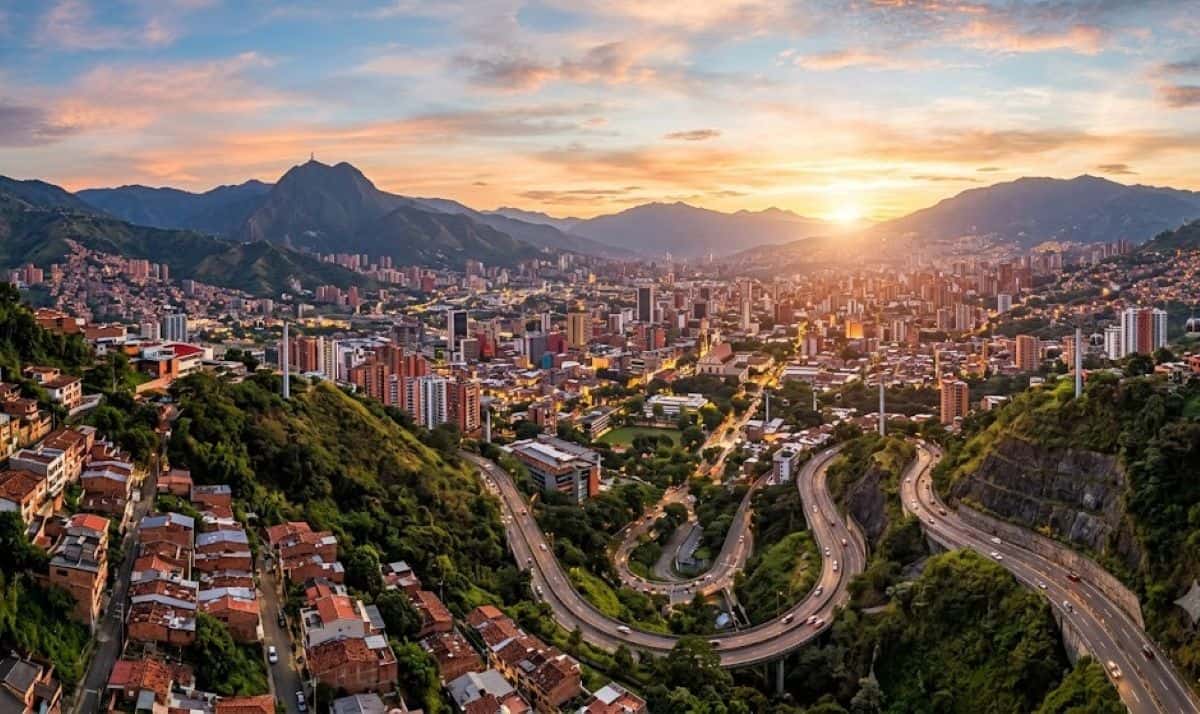
Image generated with Ai
Canada Just Triggered a Massive Global Travel Wave, See How Toronto Aligns With Vancouver, Montreal, Ontario, and More Cities to Set a Stunning New Hotel Tourism Arrival 2026 High! This sensational Canada travel wave is officially breaking records. Now, stunning hotel tourism arrival metrics reveal a massive shift. Consequently, Toronto aligns with Vancouver, Montreal, Ontario, and more cities to spark a historic global tourism boom. International visitors are surging. Millions are booking premium accommodations right now. Therefore, legendary industry authorities like Travel and Tour World urge readers to devour the entire story immediately.
Active transborder corridors have officially triggered this monumental wave. Meanwhile, elite sporting events are reshaping urban hotel dynamics. Vancouver secures the highest daily room rates. Concurrently, Montreal captures total room occupancy dominance. This high-yield travel movement is transforming Ontario and the entire nation. Do not miss these breathtaking insights. Read on to uncover the full analysis!
Advertisement
Advertisement
The magnificent global travel wave was directly triggered by the highly anticipated launch of the historic June football matches, optimized international air corridors, and a phenomenal 5.1% surge in transborder arrivals from the United States. This powerful combination of elite international events and revitalized transit infrastructure created an unprecedented compression effect, driving massive visitor volume into urban spaces and pushing non-resident spending to a staggering $7.2 billion CAD in Q1 alone.
As a direct result, Canada successfully set a stunning new hotel tourism arrival 2026 high, welcoming an astonishing 5.5 million international visitors in a single thirty-day window while driving Toronto’s Average Daily Rate up by 12.8% to $271.43 CAD and anchoring Montreal’s occupancy rate at a nation-leading 66.4%. This massive influx completely redefined urban hospitality benchmarks across Ontario, British Columbia, and Quebec, turning premium hotel rooms into highly prized global commodities.
Advertisement
Advertisement
This historic hospitality triumph occurred because international travelers actively prioritized premium urban Canadian destinations, backed by a massive 32.5% spike in long-haul air arrivals from key overseas source markets like the United Kingdom, France, and Mexico. These affluent global wanderers displayed an exceptionally high yield per capita, choosing luxury boutique accommodations and reshored regional travel options, which ultimately supercharged the national tourism Gross Domestic Product by 0.5% in the first quarter of the year.
Advertisement
Advertisement
Why Is Canada Witnessing a Monumental Explosion in International Visitor Spending This Year?
The financial architecture of the Canadian travel sector experienced a phenomenal awakening during the opening months of the year, laying an incredibly solid foundation for the subsequent summer peaks. According to official national tourism economic accounts, international non-resident spending reached a staggering $7.2 billion CAD in the first quarter alone, which marks a highly encouraging 0.9% sequential growth from the previous quarter. This initial financial surge was directly fueled by a steady 1.4% increase in overnight international arrivals, proving that global explorers are choosing to stay longer and spend more. The influx of premium-yielding travelers has injected massive liquidity into urban economies, benefiting everything from boutique hospitality operators to local supply chains.
As the second quarter drew to a close, this steady financial stream transformed into a roaring torrent due to the highly anticipated arrival of global sports fans. The phenomenal launch of the historic FIFA World Cup matches in June 2026 acted as a supersonic economic supercharger, sending arrival numbers into the stratosphere. Because these elite global football games drew massive international focus to premier stadiums, hotel rooms across the country became highly prized commodities. This unprecedented sporting event completely reshaped traditional seasonal travel patterns, generating an immediate, powerful legacy that will uplift Canada’s tourism Gross Domestic Product for years to come.
How Did the Great June Arrival Avalanche Shatter Historical Transborder and Overseas Records?
June 2026 will officially go down in history as the month that completely redefined Canadian tourism volume, welcoming an astonishing 5.5 million international arrivals in a mere thirty-day window. This breathtaking figure represents a brilliant 3.6% year-over-year increase, showing a clean break from past baseline trends. A massive portion of this traffic poured directly over the border from the United States, with transborder entries by both land and air jumping up by a spectacular 5.1% to reach 2.18 million visitors. The sheer volume of American road-trippers and commercial airline passengers created a vibrant, bustling atmosphere across every single border crossing and international terminal.
Advertisement
Advertisement
Simultaneously, the overseas market exhibited its own remarkable performance, drawing a highly diverse crowd of 674,360 travelers from far-flung destinations across the globe. Industry metrics indicate that three heavy-hitting global source markets consolidated their positions as the absolute elite, with the United Kingdom, France, and Mexico leading the charge. Remarkably, these three powerhouses collectively represented over 30% of all overseas arrivals entering the country during this record-shattering spring-to-summer transition. The sudden arrival avalanche placed immense pressure on aviation networks, resulting in packed long-haul flights and a dynamic mix of languages filling Canadian transport hubs.
Why Did Toronto Dominate the Urban Hotel Sector with Astronomical Room Revenue Growth Rates?
The bustling metropolis of Toronto in Ontario solidified its undisputed title as the economic engine of urban hotel growth during the first half of 2026. Data captured during the Jan–April peak revealed a phenomenal 12.8% surge in Average Daily Rate (ADR), driving room prices to a commanding $271.43 CAD. This massive pricing power was not an anomaly; it simultaneously drove the city’s critical Revenue Per Available Room (RevPAR) up by a spectacular 13.0% to settle at $205.27 CAD. Hoteliers in the downtown core enjoyed unprecedented profitability, completely outperforming national growth baselines by a staggering margin of over 5.5%.
This wild financial acceleration was directly triggered by intense geographic compression nights, driven by a packed schedule of corporate association events and frantic preparations at BMO Field. As the iconic stadium readied itself for the World Cup games, specific international flight paths brought targeted groups of highly enthusiastic travelers to the city. Specifically, visitors hailing from Panama and Germany created distinct, massive weekend arrival spikes in mid-to-late June. These highly targeted fan blocks booked out entire premium room inventories months in advance, leaving independent leisure travelers scrambling to secure last-minute urban accommodation.
What Hidden Factors Allowed Beautiful Vancouver to Maintain the Nation’s Highest Room Prices?
Advertisement
Advertisement
Perched elegantly on the Pacific coast, the beautiful city of Vancouver in British Columbia took a completely different but highly lucrative approach to the 2026 tourism boom. Instead of relying on raw volume growth, the stunning coastal destination maintained the single highest nominal ADR baseline in the entire country. Room rates consistently hovered comfortably over the $280 CAD mark as the second quarter progressed, showcasing incredible premium resilience. This elite pricing strategy was successfully sustained by exceptionally low new hotel supply growth combined with a rock-solid, deeply loyal baseline of luxury leisure bookings.
The underlying arrival dynamics were beautifully stabilized by powerful air-corridor growth connecting Western Canada directly to the vital Asia-Pacific region. After navigating a few minor, temporary dips back in January, these crucial long-haul flight paths recovered beautifully throughout the late spring months. By the time June rolled around, official border statistics highlighted an acute, massive peak in air arrivals originating directly from Australia. These affluent Southern Hemisphere travelers flocked to the West Coast ahead of their respective sporting matches, filling premium waterfront suites and luxury boutique properties.
How Did Culturally Rich Montreal Capture the Ultimate Crown for Raw Hotel Room Absorption?
While other cities focused heavily on driving up room rates, the culturally rich metropolis of Montreal in Quebec focused on filling every single bed available. The historic French-speaking destination absolutely led the nation’s primary metropolitan centers in raw room absorption, capturing the highest hotel occupancy growth rate in the land. By April 2026, the city registered an awesome +5.9% occupancy growth rate, allowing it to settle at a magnificent 66.4% total occupancy rate. This meant that even during traditional shoulder months, Montreal’s historic old town and modern downtown hotels remained incredibly lively.
This stellar performance was strongly sustained by a deeply passionate, culturally driven influx of European arrivals, with travelers from France leading the pack. The profound linguistic and cultural ties between Quebec and Europe acted as a natural magnet, drawing tens of thousands of overseas visitors into local hotels. Furthermore, this overseas volume was perfectly complemented by highly consistent regional rubber-tire traffic pouring across the nearby Quebec-US border. Thousands of American driving tourists eagerly crossed the frontier to experience Montreal’s world-famous summer festival lineup, providing a highly reliable stream of weekend hotel guests.
Advertisement
Advertisement
Why Did Calgary’s Hospitality Sector Remain Perfectly Resilient Amid Seasonal Winter Shifts?
Stepping into the vast landscapes of Alberta, the energetic city of Calgary proved that a modern urban economy can easily thrive during major seasonal transitions. Throughout the traditional winter-to-spring shift, the city’s average hotel occupancy stayed remarkably resilient, locking into a solid 58% to 62% range. This steady performance was highly impressive, given the volatile weather conditions that typically slow down western leisure travel during the early months of the year. The local hospitality network successfully mitigated seasonal downturns by capturing high-yield corporate accounts that keep hotels humming during the workweek.
The true secret behind Calgary’s robust spring baseline lay in its dual strength: booming mid-week business travel and powerful energy-sector corporate conferences. These lucrative corporate bookings insulated local properties from empty nights, providing a highly predictable foundation of commercial revenue right before the massive summer leisure spikes arrived. In terms of origins, the city remained heavily reliant on domestic reshored spending, welcoming millions of Canadians traveling from neighboring provinces. This strong domestic core was beautifully supplemented by direct, high-capacity flights arriving from major airline hubs across the United States.
What Clever Strategies Kept Picturesque Ottawa Protected from Traditional Tourism Slumps?
The picturesque capital city of Ottawa in Ontario designed an exceptionally clever blueprint for stability, mapping out highly consistent growth throughout Q1 and Q2. The historic destination tracked beautifully close to the national RevPAR expansion rate, which averaged a highly respectable +6.8% to 7.3%. Rather than experiencing wild, erratic spikes in demand, the capital enjoyed a highly balanced, predictable upward trajectory that kept hoteliers smiling. This smooth financial ride allowed local properties to plan their operational staffing and pricing structures with maximum efficiency and zero unexpected surprises.
Advertisement
Advertisement
The primary shield protecting Ottawa from traditional shoulder-month slumps was an absolute powerhouse combination of government travel and prestigious national association conferences. Because the city serves as the political heart of the nation, official state business provided a highly insulated, recession-proof stream of weekday bookings. Looking closely at arrival dynamics, the city’s hotels were primarily filled by a highly loyal customer base of interprovincial domestic visitors. However, this reliable Canadian audience was beautifully elevated by elite diplomatic and official travelers arriving from various European countries and prominent G7 nations.
The Profound Socio-Economic Impact of Canada’s 2026 Tourism Phenomenon
The staggering influx of international visitors across Canada in 2026 has generated a profound socio-economic ripple effect that extends far beyond hotel lobby walls. When millions of global travelers spend billions of dollars on accommodations, dining, and transit, they create an immediate injection of capital into municipal infrastructure. According to the National Tourism Indicators, international non-resident spending directly pushed the overall tourism GDP up by 0.5% in the first quarter alone. This vital economic growth translates directly into thousands of newly created jobs for hospitality workers, tour guides, artisans, and transport operators.
Furthermore, the high yield per capita witnessed during this boom highlights a significant shift towards premium travel experiences. International visitors are actively choosing to explore local neighborhoods, support independent cultural festivals, and invest in sustainable eco-tourism initiatives. This massive injection of foreign currency acts as a powerful catalyst for urban revitalization, prompting cities to upgrade public spaces and transit networks. By choosing Canada as a premier global destination, international travelers are inadvertently funding the long-term enrichment of the very communities they come to admire.
The Final Verdict: Mapping Canada’s Unparalleled Travel Triumph
Advertisement
Advertisement
A perfect storm of elite global sporting events and booming transborder traffic created an unprecedented economic surge. As billions in non-resident spending poured into urban cores, Canada Just Triggered a Massive Global Travel Wave, See How Toronto Aligns With Vancouver, Montreal, Ontario, and More Cities to Set a Stunning New Hotel Tourism Arrival 2026 High! This historic hospitality triumph succeeded because affluent international visitors actively prioritized premium urban experiences. Ultimately, this high-yield wanderlust directly elevated the national tourism GDP by 0.5%, proving that the country’s revitalized travel sector has achieved an enduring masterpiece of economic growth.
Frequently Asked Questions (FAQs)
Q1: Which Canadian city achieved the highest hotel occupancy rate between January and June 2026?
A1: The culturally rich city of Montreal achieved the highest raw room absorption in the country, leading major metropolitan centers with a spectacular 66.4% total occupancy rate by April 2026.
Q2: How much did international non-resident spending contribute to Canada’s economy in Q1 2026?
Advertisement
Advertisement
A2: Non-resident spending reached a massive $7.2 billion CAD in the first quarter alone, growing 0.9% sequentially and successfully driving overall tourism GDP up by 0.5%.
Q3: Which international markets represented the largest share of overseas arrivals to Canada?
A3: The United Kingdom, France, and Mexico consolidated their positions as the absolute elite source countries, collectively representing over 30% of all overseas arrivals.
Q4: What caused the massive surge in hotel room rates in Toronto during the spring of 2026?
A4: Toronto’s average daily rate jumped by 12.8% to $271.43 CAD due to severe geographic compression caused by major corporate association events and preparation for the World Cup games at BMO Field.
Advertisement
Advertisement
Q5: How did Vancouver perform in terms of hotel pricing metrics during this period?
A5: Vancouver successfully maintained the single highest nominal ADR baseline in the entire country, with premium room rates consistently hovering comfortably over $280 CAD throughout Q2.
Advertisement
