
Indonesia Leads A Worldwide Revolution In Eco-Friendly Island Travel To Preserve Marine Wonders For Future Generations

Published
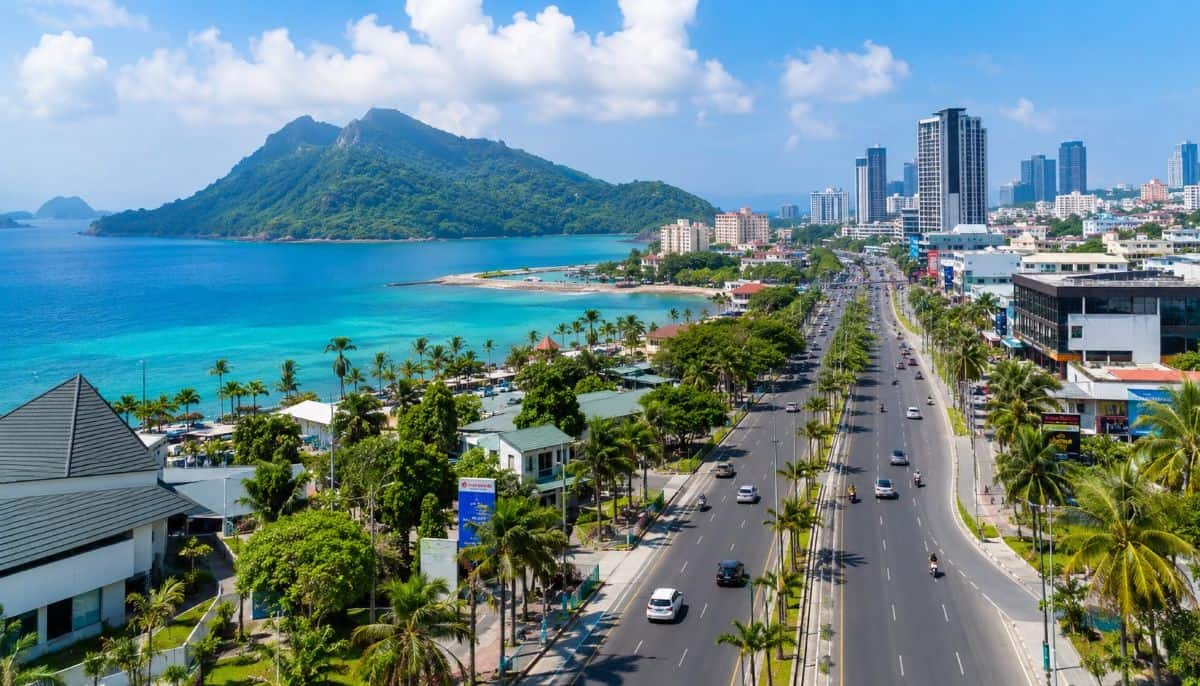
Waking up to the sound of the turquoise waves of a private empty beach is truly a utopian experience. With the transformation of the thousands of emerald Indonesian islands, tourism is changing from the mass crowding and noise of the tourism boom to new experiences that support the heart of the ocean and give participants the opportunity to see the world in a different way. There is more to building a hotel and cruise ship enterprise than just maritime tourism. Seeing Raja Ampat’s underwater world through snorkeling or watching a sunset from Labuan Bajo gives an understanding of the importance of travel as an appreciation of the wonder of nature and life. This understanding helps people value that travel can be a luxury in protecting the livelihood of an ecosystem and the people who are the true stewards of that ecosystem. This will give travelers around the world new ways to experience the world with more purpose and value.
Comprehensive Overview of Market Growth and Destination Diversification Across the Archipelago
Advertisement
Advertisement
Developing alternative marine destinations prevents over-tourism while unlocking fresh opportunities for international travelers. Elevating remote island chains allows the global travel industry to distribute visitor traffic evenly, protecting traditional hotspots from ecological strain. Overseas visitors encounter uncrowded coastlines, authentic cultural traditions, and vibrant marine life across unexplored island networks.
Infrastructure upgrades across Labuan Bajo, Raja Ampat, and Wakatobi demonstrate how target investments open isolated regions to the world. Modernized regional airports and deep-water harbours allow seamless transit for international voyagers. Ultimately, nationwide destination diversification enriches the global travel landscape by providing diverse, high-quality, and ecologically sound holiday choices.
Advertisement
Advertisement
Key Commercial Sub-Sectors Reshaping Modern Eco-Friendly and Infrastructure-Driven Hospitality
Targeted commercial development caters directly to the preferences of modern, eco-conscious global travelers. Low-impact luxury resorts, private island hideaways, and eco-certified retreats offer deep immersion in nature without damaging delicate ecosystems. Modern tourists enjoy refined comfort while minimizing their environmental footprint.
Advertisement
Advertisement
Concurrently, robust investments in passenger terminals and liveaboard charters broaden the scope of ocean exploration. Upgraded marinas and dive hubs empower travelers to explore remote diving sites with top-tier safety equipment. By incorporating active coral restoration into daily operations, visitor spending directly finances the preservation of marine biodiversity for future generations.
Essential Legal Structures Governing Foreign Corporate Ownership and Enterprise Setup
Advertisement
Advertisement
Permitting full foreign ownership in water recreation sectors introduces world-class management and safety practices to remote regions. International operators bring advanced safety protocols, global service standards, and efficient booking systems. As a result, international tourists experience seamless trip planning, reliable customer care, and trustworthy emergency support even in distant archipelagic settings.
Establishing an official PT PMA entity guarantees legal accountability and financial transparency for foreign-backed tourism ventures. Global travel providers form confident partnerships with these regulated local entities, facilitating seamless travel packages. International visitors benefit from reliable resort operations, standardized quality, and protected consumer rights throughout their journey.
Navigating Regulatory Frameworks, Bureaucratic Processes, and Compliance Risk Factors
Rigorous legal oversight prevents commercial exploitation, preserving vulnerable ecosystems for conscientious travelers. By mandating strict spatial planning permits (KKPRL) and environmental reviews (AMAMDIL), regulatory bodies protect coral reefs and coastal waters. Visitors experience pristine underwater ecosystems, vibrant marine life, and untainted beaches.
Advertisement
Advertisement
Additionally, centralized digital licensing platforms keep marine transport and tour operators compliant with national safety standards. Travelers can participate in water sports, liveaboard cruises, and diving excursions with total confidence in local safety measures. This thorough regulatory framework protects both natural habitats and international visitors.
Government Initiatives, Financial Support Incentives, and Strategic National Policy Direction
National policies actively encourage foreign investment, accelerating the modernization of maritime tourism infrastructure. Tax incentives and streamlined licensing in special economic zones attract top-tier global hospitality brands to pristine island regions. Consequently, travelers gain access to eco-friendly resorts powered by renewable energy and zero-waste systems.
Furthermore, long-term policy alignment ensures local economic growth directly supports environmental conservation. Overseas visitors join a sustainable ecosystem where holiday spending funds community welfare and marine protection. The global travel industry gains a resilient destination network that sets a global standard for sustainable ocean tourism.
Strategic Financial Expansion and Macroeconomic Projections Across the National Ocean Economy
Evaluating the overall monetary scale of the maritime sector demonstrates strong macroeconomic stability for incoming foreign direct investment (FDI). The national ocean economy generates approximately IDR 1,290.2 trillion (around USD 80 billion), contributing 7.6% to the national Gross Domestic Product (GDP). Furthermore, official government blue economy roadmaps aim to expand the broader tourism and hospitality industry at a compound annual growth rate (CAGR) of 6.5% leading up to 2030. This sustained fiscal trajectory reassures global investors seeking long-term stability in emerging markets.
Advertisement
Advertisement
Robust state support and a rising GDP share translate directly into vital public infrastructure upgrades across non-mainland regions. Government agencies prioritize expanding regional airports, dredging deeper-draft harbors, and installing reliable, renewable power grids across isolated islands. For global travel operators, these state-funded enhancements dramatically reduce operational friction, streamline logistics for incoming guests, and make once-remote island destinations highly accessible to international commercial flights.
Strategic Redirection of International Visitor Demographics Beyond Traditional Urban Hubs
Analyzing national visitor distribution reveals a deliberate transition of overseas tourists away from overcrowded urban centers toward untouched archipelagic frontiers. Annual international tourist arrivals reached approximately 15.3 million, with Bali traditionally hosting nearly 7 million of those foreign guests. To address regional economic imbalances and prevent localized over-tourism, national destination diversification strategies actively aim to redirect 25% to 35% of high-spending luxury travelers toward secondary marine clusters like Labuan Bajo, Raja Ampat, and Wakatobi.
This systematic redistribution of visitor volume provides immense growth potential for global aviation networks and liveaboard excursion companies. Long-haul international carriers can establish new feeder routes and multi-destination itineraries that transport travelers directly into secondary regional airports. By encouraging multi-stop island journeys, travel providers significantly boost average spending per passenger while offering international visitors rich, uncrowded, and highly authentic coastal experiences.
Commercializing UNESCO-Recognized Maritime Heritage for Exclusive Liveaboard Expeditions
Integrating indigenous maritime craftsmanship into luxury travel offerings allows operators to capture high-net-worth experiential travelers without altering delicate coastlines. Traditional Pinisi shipbuilding, which proudly holds UNESCO Intangible Cultural Heritage status, forms the backbone of an expanding luxury liveaboard industry. Custom-built wooden Pinisi yachts command premium charter rates ranging from $5,000 to $25,000 per night, navigating seamlessly across the country’s 17,380 officially registered islands.
Advertisement
Advertisement
Combining ancient indigenous design with modern international maritime safety standards creates a lucrative boutique yachting model. Luxury liveaboards eliminate the need for permanent concrete foundations or intrusive land-based construction on fragile reefs. International travelers gain access to remote dive sites and secluded archipelagos in complete luxury, while local artisanal shipbuilders benefit from continuous commercial demand that preserves their centuries-old heritage.
Fiscal Relief Packages and Tax Structure Advantages Within Designated Special Economic Zones
Understanding the financial incentives available in designated maritime Tourism Special Economic Zones (SEZs) reveals compelling reasons for international business entry. Foreign entities establishing operations within these approved zones receive substantial tax relief, including corporate income tax holidays ranging from 10 to 20 years for capital investments exceeding IDR 100 billion (roughly $6.5 million USD). Additionally, operators enjoy a 100% exemption on import duties for essential capital construction machinery and specialized marine equipment.
These fiscal advantages drastically lower initial capital expenditure (CapEx) requirements for foreign companies building complex coastal projects. Developers can allocate more financial capital toward advanced ecological technologies, high-speed eco-transports, and state-of-the-art marina hubs. Global travel companies benefit directly from lower upfront risks, enabling them to establish world-class marine recreation facilities faster and more efficiently.
Modern Satellite Infrastructure Integration for Extended-Stay Remote Work Accommodations
Capitalizing on the growing global demographic of long-stay remote workers requires upgrading digital infrastructure in oceanfront destinations. Specialized long-term stay visas and robust digital nomad services contribute to localized tourism revenues valued at over $25 billion, experiencing a steady 6.1% year-over-year growth rate driven by hybrid-work professionals. Modern travelers increasingly look to blend extended remote work sessions with world-class coastal leisure.
Advertisement
Advertisement
Resorts that install high-speed, low-Earth-orbit satellite internet networks alongside dedicated co-working lounges effectively eliminate geographical barriers for international guests. By catering to remote executives and extended-stay digital nomads, hospitality providers smooth out traditional low-season occupancy dips. This strategic digital integration ensures steady year-round cash flow while offering global travelers the freedom to work reliably from remote tropical paradise locations.
Marine Biodiversity Valuation and High-Yield Premium Ecotourism Pricing Models
Leveraging unmatched biological diversity justifies exclusive, low-density tourism pricing that protects sensitive marine habitats. Raja Ampat stands as the most biodiverse marine ecosystem ever surveyed on Earth, harbouring over 75% of all known coral species alongside more than 1,500 distinct fish species. To preserve this irreplaceable ecological asset, local authorities enforce mandatory marine park conservation entry permits, using generated fees to fund active marine patrols and community-led reef monitoring programs.
This high-value, low-volume operational model proves that pristine ecosystem conservation generates superior financial returns compared to mass tourism. Global travel operators can market highly exclusive, eco-certified expeditions to environmentally conscious travelers who value environmental integrity over low pricing. By aligning high-yield pricing with active conservation funding, the international travel sector safeguards natural marine wonderlands, ensuring they remain vibrant, protected, and commercially viable for decades to come.
The Lifetime Love We Both Have For Our Oceans
Beyond financial statistics and forecasts, there is another element to traveling to the open sea. It is about recognizing how the human race always has and will always have an affinity with the sea. When we protect these coastal havens as oases of tranquility for the global traveler, we allow them to free themselves from the monotony of their everyday lives and enjoy the natural world. The choices that we make today will Live after us forever. This vision enfolds the hospitality of the Island and Ecological care with pride for the community. This will ensure that the Natural beauty of Coral Gardens and Beach fronts will stay the same for future generations to enjoy. This vision hopes that these most amazing natural wonders will Continue to give people Peace and serenity today and for many years to come.
Advertisement
