
United Arab Emirates Ranks Third Globally For Quality Lifestyle As International Travel Patterns Shift Rapidly, Here’s The Update

Published
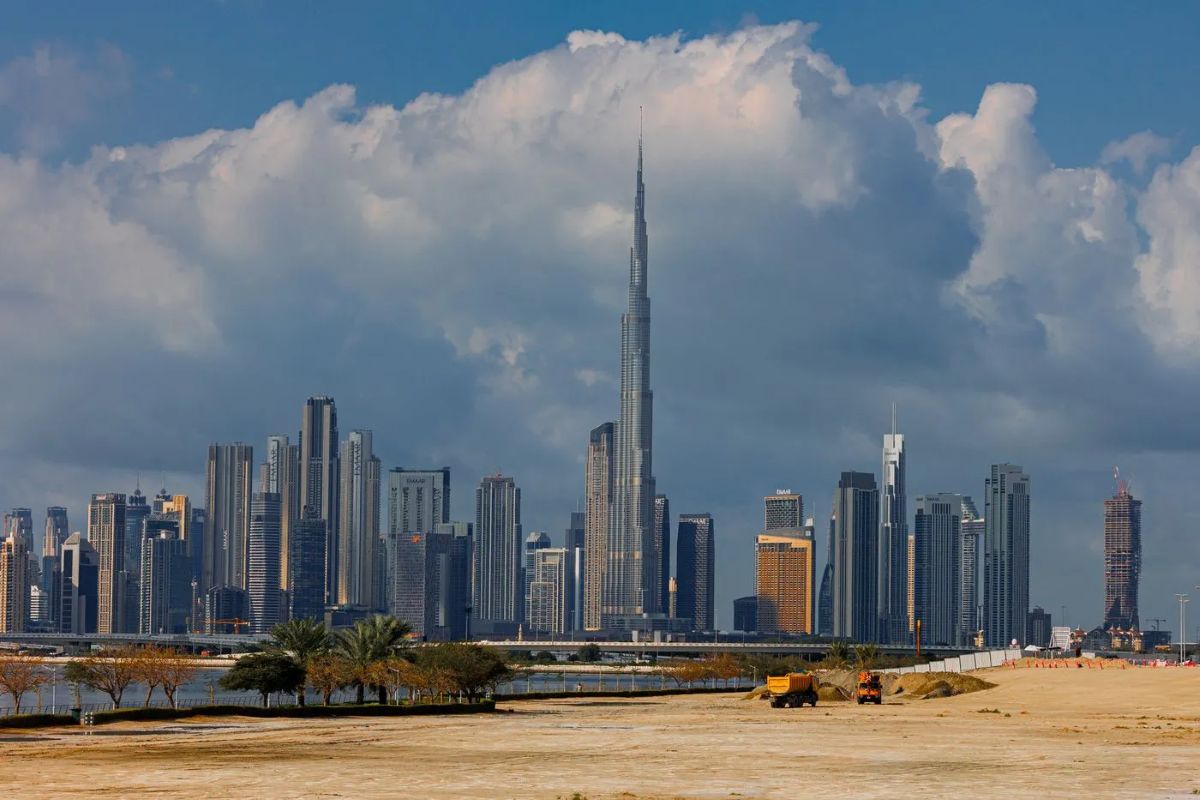
There is something magnetic about a place that keeps pushing the boundaries of what is possible. When the news came out that the UAE had secured place in the 2026 Nomad Capitalist Lifestyle Index it didn’t feel like a surprise. It felt like a step forward. Behind Monaco and Andorra the UAE earned a strong score of 73.15 out of 100. For millions of people, around the world dreamers, travelers and expats this isn’t just a number. It’s a feeling. It’s a sign that safety, opportunity and warmth can truly come together in one place.. That place is the UAE.
Unpacking the Key Factors Driving Unmatched Infrastructure, Tax Efficiency, and Regional Leadership
Reports indicated that international evaluation systems assess locations across five primary factors: tax efficiency, quality of life and infrastructure, residence and access, safety and freedom, along with nature and climate. Regarding fiscal policy, the UAE secured 1st place globally for tax efficiency with a score of 96 out of 100. Furthermore, evaluations ranked the nation 5th globally for quality of life and infrastructure, while awarding it 7th place for residence and access. Experts explained that these scores reflect flexible residency pathways, robust digital government systems, world-class healthcare facilities, and low crime rates across major urban centers like Dubai and Abu Dhabi.
From a regional perspective, researchers confirmed that the nation emerged as the highest-ranked jurisdiction across the Middle East, Africa, and the Indian Ocean region. Notably, the country was also the sole Gulf state evaluated within this comparative index. This status highlights the nation’s ability to stand out among both emerging regional markets and established Western economies. The combination of fiscal advantages and physical infrastructure creates an attractive environment for modern international travelers seeking comfort and reliability.
Advertisement
Advertisement
In terms of global travel trends, these metrics explain why international visitors increasingly choose the region for extended stays and frequent return trips. Travelers worldwide prioritize destinations offering reliable digital connectivity, advanced medical facilities, and complete personal safety. Furthermore, the availability of versatile long-term visa options allows visitors to transition smoothly from short-term tourists into long-term residents. Therefore, outstanding performance across all evaluation metrics reinforces the country’s reputation as a gold standard for modern infrastructure and lifestyle quality.
Long-Term Regional Economic Transformations and Infrastructure Expansion in the Middle East
Advertisement
Advertisement
Economists observed that the nation’s exceptional placement within global lifestyle evaluation frameworks generates multi-sector benefits across the broader economy. High civic rankings encourage capital investment, talent retention, and cross-border entrepreneurship. As corporate entities establish primary or secondary operational bases within key economic zones, commercial real estate and hospitality markets experience parallel demand growth. This structural shift strengthens the domestic service economy and accelerates the ongoing diversification away from traditional resource-based revenues.
Moreover, continuous capital investment into public infrastructure, transport networks, and smart city technology reinforces urban efficiency across key population centers like Dubai and Abu Dhabi. Efficient urban design and digital public services improve daily living standards for both permanent inhabitants and short-term visitors. State-of-the-art airports and transit systems allow international travelers to navigate major metropolitan hubs with ease. Consequently, modern public works projects serve as the foundational backbone for sustained economic expansion and global competitiveness.
Shifting Tourist Demographics and the Rise of Bleisure Travel in Gulf Destinations
Tourism analysts highlighted that the blurring boundaries between business travel and personal leisure have fundamentally redefined destination selection. Corporate professionals increasingly choose destination hubs that allow them to fulfill remote work responsibilities while experiencing top-tier recreation. The local market excels in catering to these hybrid itineraries by offering high-speed connectivity, coworking facilities, and world-class luxury resorts. As a result, the average length of stay for international arrivals continues to expand across major urban hubs.
Furthermore, the growth of extended-stay tourism provides direct financial stimulus to supplementary sectors, including fine dining, retail, cultural entertainment, and local transport. Visitors who remain in the country for longer periods engage deeper with local community offerings and leisure venues. Hospitality operators have responded by introducing flexible residential packages, serviced apartments, and long-term hotel stays. This structural alignment between tourism offerings and modern lifestyle preferences ensures sustained demand across non-peak seasons.
Evolution of Flexible Visa Structures and Long-Term Legal Residency Programs
Advertisement
Advertisement
Legal experts noted that proactive migration policies and streamlined visa mechanisms have played a vital role in attracting foreign talent and international wealth. The implementation of extended multi-year visas, specialized remote worker permits, and investor-friendly residency pathways offers unprecedented flexibility to international visitors. These regulatory updates remove traditional administrative hurdles, enabling smooth transitions from temporary visitor status to lawful long-term residence.
Consequently, transparent legal frameworks foster deep institutional trust among global investors and high-net-worth individuals. International families and business owners view the local legal environment as predictable, secure, and supportive of foreign ownership. Flexible residency frameworks encourage long-term capital commitment, residential property acquisitions, and local business creation. Thus, progressive immigration legislation remains a fundamental driver of ongoing demographic and economic growth.
Global Environmental Factors, Public Safety Standards, and Lifestyle Stability
Safety analysts emphasized that exceptional public safety metrics and low crime rates are primary factors guiding modern travel and relocation decisions. Strict law enforcement, advanced surveillance technologies, and transparent judicial systems ensure a safe environment for residents and tourists alike. Families and solo travelers frequently cite personal security as a non-negotiable criterion when selecting destination hubs.
In addition to personal security, public health infrastructure and clean urban management contribute to overall lifestyle appeal. Modern medical facilities, internationally accredited hospitals, and responsive emergency services offer complete assurance to international visitors. Combined with clean public spaces and well-maintained leisure environments, these elements establish a balanced lifestyle framework. Consequently, public safety and medical readiness continue to serve as key competitive advantages on the international stage.
Strategic Implications for Aviation, Hospitality, and Transport Infrastructure
Advertisement
Advertisement
Aviation industry experts noted that major commercial airlines and international airport hubs form the critical backbone of global connectivity. Geographic positioning between Europe, Asia, and Africa positions local transit hubs as central junction points for long-haul international routes. Major carriers continue to expand direct flight networks, linking key metropolitan centers directly to emerging international markets.
Simultaneously, local hospitality groups continue to broaden their resort portfolios, adding boutique accommodations, eco-lodges, and family-focused entertainment destinations. Transport authorities are expanding public rail networks, autonomous transit options, and eco-friendly mobility solutions to accommodate growing visitor volumes. Integrated transportation infrastructure ensures efficient transit between airports, business districts, and tourist attractions. Ultimately, synchronized investments across aviation, hospitality, and ground transport maintain seamless global accessibility.
Global Effects on Modern Travelers and the Transformation of the Worldwide Tourism Landscape
Industry observers noted that top-tier lifestyle rankings generate profound ripple effects throughout the global travel ecosystem. As international travelers search for safe, tax-efficient, and technologically advanced hubs, traditional travel routes are shifting toward the Gulf region. Consequently, global airlines, tour operators, and luxury hotel chains are reallocating operational resources to fulfill rising demand for travel into Dubai, Abu Dhabi, and neighboring emirates. Long-haul travelers originating from Europe, Asia, and the Americas view the country as an ideal operational base for global business ventures and leisure pursuits.
Additionally, this lifestyle achievement alters how digital remote workers plan their international travel itineraries. The mobile global workforce favors destinations that offer reliable digital networks alongside top-tier personal safety and leisure amenities. As a direct result, global travelers are extending their average lengths of stay, providing sustained revenue to hospitality, dining, and local transit sectors. Furthermore, corporate travelers are increasingly combining professional assignments with personal vacations, driving rapid growth in regional “bleisure” travel.
Finally, experts stressed that strong performance across international metrics highlights the territory’s permanent status as a global epicenter for international commerce, high-value investment, and long-term residency. By continually improving public infrastructure, healthcare systems, and residency policies, the United Arab Emirates sets an international benchmark for modern nation-branding that fuels sustainable travel growth. Global travelers gain access to a secure, modern, and highly connected hub that integrates lifestyle, business, and leisure. Consequently, the global travel industry will continue to experience sustained expansion centered around this destination for many years to come.
Advertisement
Advertisement
Rapid Hospitality Revenue Acceleration and the Strategic Multi-Year Expansion of Extended-Stay Hotel Offerings
Industry analyses revealed that the nation’s rising international lifestyle reputation has directly energized core accommodation metrics. Across the 2025 to 2026 financial cycle, national hotel revenues reached a total of $13.4 billion USD, driven by high occupancy rates in premier luxury resorts and boutique hotels. Analysts noted that travelers increasingly choose extended visits, shifting demand toward larger suites and serviced residential units. Consequently, hospitality developers are expanding their portfolios to accommodate guests who blend remote corporate duties with extended family holidays.
Furthermore, this structural evolution in lodging preferences maintains high occupancy levels even during traditional off-peak summer months. Long-stay guests generate steady revenue streams across secondary hotel services, including fine dining venues, wellness facilities, and private transport services. Major urban centers like Dubai and Abu Dhabi lead this transformation by converting standard hotel inventory into fully serviced residential accommodations. Thus, the local hospitality market effectively establishes a resilient model that supports sustained growth throughout the entire year.
Evolution of Remote Work Frameworks and the Impact of Financial Criteria on Global Mobility
Immigration specialists noted that strict regulatory updates governing the Virtual Working Programme have refined the demographic profile of remote professionals entering the region. Applicants seeking long-term temporary residency permits must demonstrate a verified minimum monthly income of $3,500 USD alongside 6 consecutive months of bank statements. Experts explained that these financial verification steps ensure incoming digital nomads possess robust economic stability, directly benefiting local commercial ecosystems.
Consequently, attracting high-earning remote workers stimulates steady spending within key urban lifestyle districts. Areas such as Dubai Marina, Downtown Dubai, and central Abu Dhabi experience ongoing demand for premium coworking environments, long-term vehicle rentals, and upscale leisure services. By setting high entry standards, the authorities foster a prosperous community of mobile professionals who contribute continuously to the local service economy. Therefore, progressive remote work policies successfully transform casual visitors into long-term contributors to regional economic growth.
Advertisement
Advertisement
Exceptional Fiscal Structures and the Worldwide Significance of the 96 Rank in Tax Efficiency
Financial evaluations highlighted that the UAE achieved the top global position for tax efficiency, earning a score of 96 out of 100 in the 2026 Nomad Capitalist Lifestyle Index. Observers stressed that the absence of personal income taxes remains a primary driver for global investors, corporate founders, and high-net-worth individuals evaluating long-term relocation options. This competitive fiscal advantage positions the nation above traditional commercial centers across Europe and North America.
Additionally, this tax framework encourages corporate leaders to convert routine international business visits into long-term residential and financial commitments. Foreign investors frequently reinvest their capital gains into local commercial ventures and high-end residential real estate portfolios. As corporate headquarters establish permanent facilities within local free zones, executive travel volumes experience parallel growth. Ultimately, favorable fiscal policy serves as a powerful catalyst for long-term international capital investment and sustained business travel.
Massive Aviation Logistics Capacity and the Handling of Over 156.8 Million Regional Airport Passengers
Aviation authorities reported that domestic airport networks handled more than 156.8 million passengers in 2025, contributing to a cumulative total exceeding 1.13 billion travelers over the preceding decade across Dubai, Abu Dhabi, and Sharjah. Specialists emphasized that continuous air terminal infrastructure expansion allows regional carriers to increase flight frequencies and open direct routes to emerging global markets. Consequently, the region reinforces its operational status as an indispensable global flight transit hub.
Furthermore, advanced air transport logistics seamlessly bridge major passenger corridors across Europe, Asia, Africa, and the Americas. Expanded terminal capacity, automated border processing systems, and fast baggage transfers enhance the travel experience for connecting passengers. As a result, commercial airlines successfully capture a larger share of global long-haul traffic. This air connectivity supports both short-term stopover tourism and large-scale international commercial travel across all major regional airports.
Advertisement
Advertisement
Comprehensive Comparative Lifestyle Metrics Across Leading Global Jurisdictions and Monaco Benchmarks
Comparative analytical reviews revealed that the country secured 3rd place out of 63 destinations in the 2026 Nomad Capitalist Lifestyle Index with an overall score of 73.15 out of 100. Researchers noted that the country finished close behind Monaco, which recorded 73.89 points, and Andorra, which achieved 73.68 points, representing a narrow gap of 0.74 points among the top three nations. Notably, the country stood out as the sole representative from the Gulf region included within this global study.
This high analytical ranking highlights the region’s ability to blend traditional Middle Eastern hospitality with Western-style civic safety, modern transportation networks, and luxury infrastructure. International observers emphasized that competing alongside established European safe havens reflects decades of strategic public works investments. Prospective global residents increasingly view the country as a modern alternative to traditional European destinations, offering balanced lifestyle benefits, world-class safety, and dynamic economic prospects.
Elite Infrastructure Development and Advanced Public Safety Driving Global Family Visitation
Sub-category evaluations from global research indices placed the nation 5th globally for quality of life and infrastructure and 7th for residence and access. Security analysts pointed out that exceptionally low crime rates, strict public safety laws, and modern law enforcement frameworks provide total security for international visitors. Consequently, international families and solo travelers consistently identify personal safety as a decisive factor when booking extended holiday itineraries.
In parallel with public safety, continuous investment in state-of-the-art medical centers, clean urban design, and digital public utilities improves overall living standards. International visitors gain instant access to world-class healthcare facilities, accredited specialists, and integrated emergency response networks. These high public health standards position the region as a preferred center for wellness tourism, multi-generational family vacations, and high-end retirement travel. Therefore, superior physical infrastructure remains a vital element of the region’s long-term international appeal.
Advertisement
Advertisement
Evolution of Long-Term Residence Mechanisms, Golden Visa Programs, and Foreign Direct Investment
Legal experts emphasized that the expansion of progressive immigration pathways—including the 10-year Golden Visa and family sponsorship privileges—has modernized long-term residence options for foreign investors and specialized professionals. By removing complex administrative barriers and sponsorship requirements, these regulatory frameworks provide institutional certainty to global capital holders. Foreign individuals can establish corporate entities and manage investment portfolios with absolute confidence.
Consequently, flexible residency pathways encourage international travelers to acquire prime residential properties and build long-term business roots within the country. This regulatory shift changes traditional tourism models, transforming short-term 7-day vacation itineraries into permanent hybrid living arrangements. Year-round occupancy by high-net-worth residents provides steady revenue to luxury retail outlets, fine dining establishments, and private transit operations across major urban centers.
Strategic Capital Allocation in Cultural Heritage, Eco-Tourism, and Global MICE Sector Infrastructure
Tourism planners highlighted that significant capital investments in cultural districts, eco-friendly resorts, and international convention facilities have successfully diversified the tourism market beyond traditional shopping malls and luxury skyscrapers. Developments across Abu Dhabi, Dubai, Sharjah, and Ras Al Khaimah emphasize heritage preservation, art biennales, and dark-sky astrotourism initiatives. This broad focus attracts culturally minded travelers and nature enthusiasts seeking unique travel experiences.
Simultaneously, expanding state-of-the-art conference centers allows the region to host major global MICE (Meetings, Incentives, Conferences, and Exhibitions) events year-round. International business delegates attending global summits frequently extend their stays to explore local heritage sites, eco-resorts, and cultural landmarks. By hosting high-profile international events across every season, the country maintains steady visitor throughput, ensuring long-term stability and sustainable economic expansion for the entire hospitality ecosystem.
Advertisement
Advertisement
The Final Verdict
The UAE showing that it is the best place to live in the world is not just about good numbers and nice rankings. It is about how the country makes people feel when they arrive important excited and very much, at home. Whether you are coming for a trip starting a dream business or settling down for good this desert place gives a special feeling of never-ending chances. As traveling around the world changes one thing is still very clear: the United Arab Emirates is not a place you go to but a place that stays with you for a lifetime.
Advertisement
