
Japan Emerges As A Hotspot For Retail-Based Travel Experiences Drawing Attention From The United States and Australia — A Complete Guide For Curious Travelers

Published
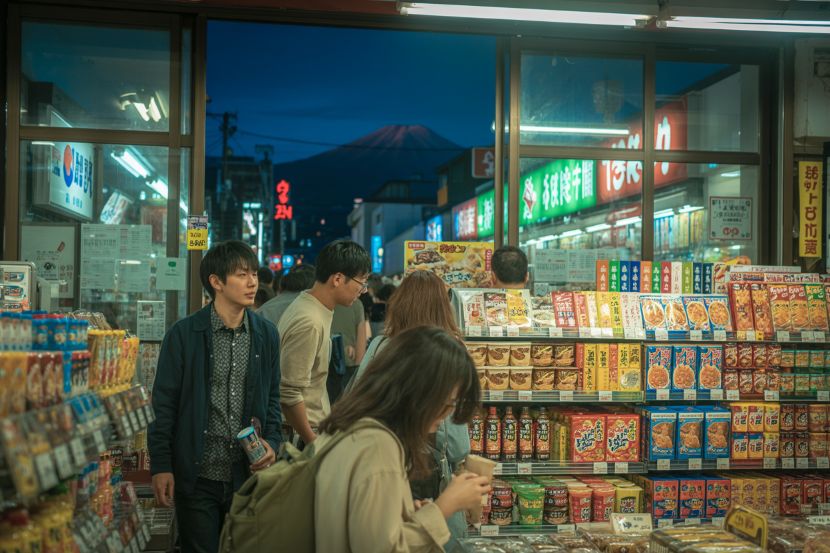 Image generated with Ai
In Japan, a surprising travel trend is reshaping how visitors explore the country—convenience store tourism. As global travelers from the United States, Australia, and across Asia increasingly seek authentic, everyday experiences, Japan’s ubiquitous “combini” culture is becoming a highlight of modern itineraries. From Tokyo to Kyoto and even remote regions like Hokkaido, these compact retail spaces are no longer just functional stops—they are now destinations in their own right. This growing fascination, often amplified by social media, reflects a broader shift in tourism where local lifestyle experiences are valued as much as traditional landmarks.
The Unexpected Rise of Convenience Store Tourism
Travel patterns in Japan have evolved beyond iconic temples, shrines, and cherry blossom viewing. Today, combini tourism—a term derived from Japan’s convenience stores—has gained remarkable traction among international visitors.
According to travel trend analyses and search data, interest in Japanese convenience stores surged significantly, with online searches for “7-Eleven Japan” reportedly increasing by over 5,000% in recent years. This spike aligns with the rise of TikTok travel trends and grocery tourism, where travelers explore supermarkets and local food outlets as cultural experiences.
Japan’s tourism sector has been booming overall. The Japan National Tourism Organization (JNTO) reported that the country welcomed over 25 million international visitors in 2023, recovering strongly post-pandemic. A notable portion of these travelers now seek authentic, affordable, and everyday cultural encounters, making convenience stores an unexpected attraction.
Advertisement
Advertisement
Why Japanese Combini Outshine Global Counterparts
A Culinary Experience in a Compact Space
Unlike convenience stores in many countries, Japanese combinis offer a surprisingly diverse and high-quality food selection. Freshly prepared items such as:
- Egg salad sandwiches
- Bento meal boxes
- Steamed buns
- Seasonal desserts
are widely available at affordable prices, often under 500 yen (approximately $3–4 USD).
Advertisement
Advertisement
This combination of quality, affordability, and accessibility has elevated combinis into culinary hotspots. For travelers, it offers a chance to sample Japanese flavors without the cost or time commitment of a restaurant.
Constant Innovation Keeps Tourists Hooked
One of the biggest draws is the ever-changing inventory. Japanese convenience stores frequently introduce limited-edition and seasonal products, ensuring that no two visits feel the same.
Advertisement
Advertisement
Examples include:
- Spring: Sakura-flavored sweets
- Summer: Citrus and tropical desserts
- Autumn: Sweet potato-inspired treats
- Winter: Warm comfort foods like oden
This constant refresh creates a sense of urgency and excitement, encouraging repeat visits—an essential factor in the growth of retail tourism in Japan.
The Big Three Chains Shaping Travel Itineraries
Japan’s convenience store ecosystem is dominated by three major brands, each offering a distinct experience:
1. 7-Eleven Japan: Precision and Familiarity
Known for its high food quality standards, 7-Eleven attracts international visitors due to its global presence. Signature items like egg sandwiches and ready-to-eat meals have gained viral popularity.
Advertisement
Advertisement
2. Lawson: Innovation and Snack Culture
Lawson stands out with its famous fried chicken bites and rotating flavors. It has even received global recognition for its ready-to-eat offerings, highlighting its influence on quick-service food tourism.
3. FamilyMart: Viral Favorites and Affordable Variety
FamilyMart’s fried chicken and dessert selection have become social media sensations. Its affordability and variety make it a favorite among budget-conscious travelers.
Smaller chains like Seicomart in Hokkaido and Daily Yamazaki in the Kanto region add regional flavor, offering unique items that cannot be found nationwide.
Travel Insight: How Combini Reflect Everyday Japanese Life
For travelers seeking deeper cultural immersion, combinis provide a window into daily life in Japan. These stores are not just about food—they function as multi-service hubs offering:
- ATM services (often foreign card-friendly)
- Ticket booking for events and transport
- Bill payments
- Parcel delivery and pickup
This multifunctionality reflects Japan’s emphasis on efficiency and convenience, making combinations essential to both locals and tourists.
Smart Travel Tips: How to Enjoy Combini Without the Crowd
Navigate Peak Hours Strategically
Stores near tourist hotspots in Tokyo and Kyoto can become extremely crowded. Visiting early morning or late evening can provide a more relaxed experience.
Advertisement
Advertisement
Respect Local Etiquette
Japanese convenience stores are designed for quick transactions. Avoid blocking aisles, and be mindful when taking photos inside smaller outlets.
Look Beyond the Obvious
While major chains dominate, exploring regional stores can reveal exclusive local specialties, enhancing the travel experience.
The Challenges of Overtourism in Small Spaces
As combini tourism grows, it has also introduced challenges. Smaller outlets, particularly in historic districts like Asakusa or central Kyoto, face:
- Overcrowding
- Slower service due to browsing tourists
- Operational strain on staff
However, store operators are adapting by introducing multilingual signage, reorganizing layouts, and even creating designated areas for browsing popular items.
This proactive approach highlights Japan’s ability to balance tourism growth with operational efficiency, a key factor in sustaining long-term travel trends.
A Broader Shift: From Landmarks to Lifestyle Travel
The rise of combini tourism reflects a global transformation in traveler behavior. Modern tourists are increasingly drawn to:
Advertisement
Advertisement
- Everyday cultural experiences
- Affordable local food
- Authentic interactions with daily life
This aligns with broader trends such as slow travel, experiential tourism, and micro-adventures, where small, meaningful experiences take precedence over traditional sightseeing.
Japan’s convenience stores perfectly embody this shift, offering a blend of innovation, culture, and accessibility that resonates with today’s travelers.
A Fresh Lens on Exploring Japan
Japan’s convenience stores have quietly evolved into one of the most intriguing travel experiences in the country. What was once considered routine has now become a symbol of modern cultural exploration.
For travelers, stepping into a combini is no longer just about grabbing a quick snack—it’s about discovering Japan’s creativity, efficiency, and attention to detail in everyday life. As tourism continues to evolve, these small yet dynamic spaces are proving that extraordinary travel experiences can often be found in the most ordinary places.
Advertisement
