
Japan Implements Bold Measures To Conquer Overtourism With New Travel Fees

Published
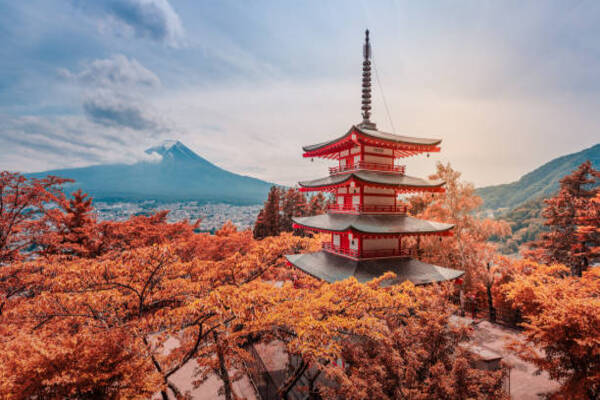 Image generated with Ai
Japan is escalating its fight against overtourism with new fee hikes and tax reforms, impacting popular sites like Mount Fuji and Himeji Castle starting in 2026.
Japan is taking steps to address overtourism by introducing new fees and restrictions on certain travel perks.
For instance, the fee for foreign visitors wishing to climb Mount Fuji will increase significantly this summer, rising to 4,000 yen (approximately $28). Additionally, starting in March 2026, Himeji Castle will implement a higher admission fee for tourists from outside western Japan, charging between 2,000 and 3,000 yen, compared to just 1,000 yen for locals.
Japan’s Accommodation Tax In March, nine cities and two prefectures across Japan will begin enforcing an accommodation tax for the first time. This new tax will range from 100 yen ($0.70) to 500 yen ($3.50) per person, per night, in areas such as Miyagi, Hiroshima, and several locations in Hokkaido, Gifu, Miyagi, and Shimane prefectures.
Advertisement
Advertisement
Meanwhile, eleven other regions in Japan already impose accommodation taxes. For example, Kyoto, a city heavily impacted by overtourism, has a three-tiered tax system and plans to raise its highest tax bracket from 1,000 yen to 10,000 yen per night.
Japan also imposes a 1,000 yen departure tax on all visitors leaving the country.
Advertisement
Advertisement
Japan is making significant changes to its tax-free shopping policy, a move that will affect international visitors starting November 1, 2026. Under the current system, tourists are automatically exempt from Japan’s 10 percent consumption tax when making purchases, providing a seamless shopping experience. This exemption has long been a major draw for travelers seeking to enjoy the country’s unique products without the added cost of tax. However, in a bid to better manage tourism and its economic impact, Japan is shifting the way this exemption works.
The new policy will require international travelers to take a more active role in securing their tax refund. Instead of having the 10 percent tax automatically removed at the time of purchase, shoppers will need to apply for a refund after the transaction. This change is expected to alter the shopping dynamics for tourists, who will now have to manage paperwork and ensure they follow the correct process to claim their refund before leaving Japan.
This revision in the tax-free shopping system aligns with Japan’s broader efforts to manage the pressures of overtourism. By adjusting policies like this one, the country aims to maintain a balance between encouraging tourism and ensuring that its economic benefits are distributed more effectively. While some visitors may find the new system inconvenient, it represents part of Japan’s ongoing efforts to address the challenges posed by increasing tourist numbers.
Advertisement
