
Japan Introduces New Tourism Taxes in 2026 to Manage Visitor Growth and Protect Cultural and Urban Infrastructure: All You Need to Know

Published
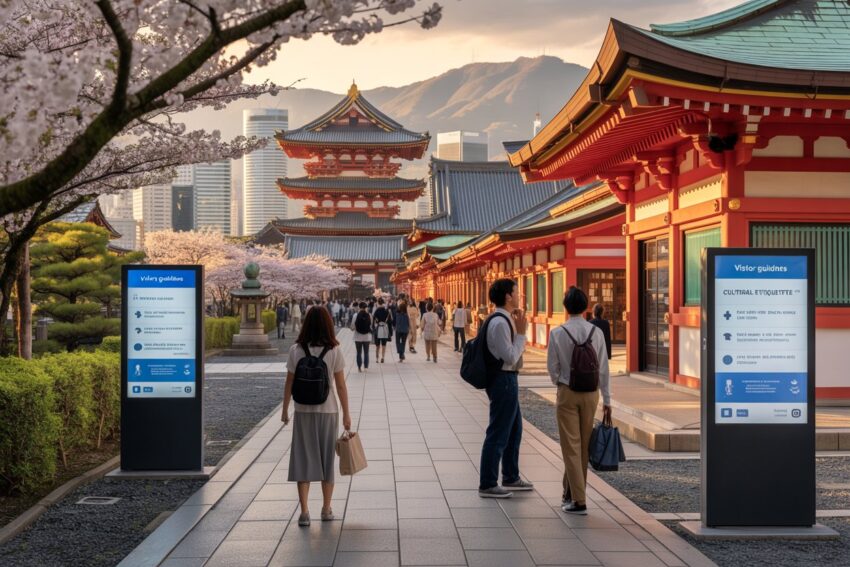 Image generated with Ai
Japan is implementing a series of updated tourism-related taxes aimed at managing the rapid return of international visitors while safeguarding its cultural heritage and infrastructure in 2026. As one of Asia’s most sought-after travel destinations, Japan has experienced a strong rebound in inbound tourism, prompting policymakers to introduce financial mechanisms that support sustainable travel and reduce pressure on popular sites.
Government-backed initiatives indicate that these new tax policies are not intended to discourage travel but rather to ensure that tourism contributes directly to maintaining the country’s attractions, transportation systems, and public services. These measures align with broader global trends, where destinations are adopting visitor levies to balance economic growth with sustainability.
Why Japan is Introducing Additional Tourist Taxes
Japan’s decision to expand and increase tourism taxes stems largely from the challenges associated with overtourism. Cities such as Kyoto and Tokyo have witnessed significant increases in visitor numbers, placing pressure on local infrastructure, public transport, and cultural landmarks.
In response, authorities are introducing higher accommodation taxes and revising existing fees to better manage visitor flow. For example, Kyoto is set to introduce a tiered accommodation tax system starting in 2026, where charges vary based on the price of hotel stays. This approach ensures that higher-end travellers contribute more toward maintaining the city’s historic environment and services.
Advertisement
Advertisement
These measures are part of a broader strategy to ensure that tourism revenue is reinvested into maintaining Japan’s cultural heritage and improving the visitor experience.
Understanding the Types of Tourist Taxes
Japan’s updated tourism taxation system includes multiple layers, each serving a specific purpose:
Advertisement
Advertisement
National Departure Tax
Japan already imposes a departure tax on travellers leaving the country by air or sea. Introduced in 2019, this tax supports tourism infrastructure and promotional activities. From July 2026, the government plans to significantly increase this fee, reflecting the growing need for investment in tourism management.
Local Accommodation Taxes
In addition to the national levy, several cities and prefectures charge accommodation taxes per night. These fees are collected by hotels and vary depending on location and room rates.
Cities such as Osaka, Hiroshima, and Kanazawa have already implemented such systems, using the funds to improve tourism infrastructure, enhance multilingual services, and support cultural preservation projects.
Kyoto’s updated tax structure stands out as one of the most ambitious, with higher rates designed specifically to tackle overcrowding and fund long-term sustainability initiatives.
How the Revenue Will Be Used
The primary goal of these taxes is to reinvest tourism-generated income into critical areas that benefit both visitors and residents. According to government-backed tourism frameworks, revenue from these levies will be directed toward:
- Infrastructure development, including transportation and public facilities
- Cultural preservation, such as maintaining historic temples, shrines, and heritage districts
- Environmental protection, ensuring natural sites are preserved for future generations
- Tourism services, including multilingual signage, digital tools, and visitor support systems
This approach ensures that tourism growth contributes directly to maintaining the quality and authenticity of Japan’s destinations.
Advertisement
Advertisement
Balancing Tourism Growth and Sustainability
Japan’s tourism sector has seen dramatic expansion over the years, driven by relaxed visa policies, improved connectivity, and global interest in its culture. In recent years, inbound visitor numbers have surged significantly, highlighting both economic opportunities and operational challenges.
While tourism brings substantial economic benefits, it also creates pressure on local communities, particularly in historic cities and natural attractions. Overcrowding can affect residents’ quality of life and diminish the visitor experience.
By introducing new taxes, Japan is taking a proactive step toward managing these challenges. The goal is not to limit tourism but to ensure that growth remains sustainable and beneficial for all stakeholders.
Impact on Travelers Visiting Japan
For international travellers, these changes mean slightly higher travel costs, particularly for accommodation and departure fees. However, the overall financial impact remains relatively modest compared to total travel expenses.
Most importantly, these measures are designed to enhance the overall travel experience. Improved infrastructure, better services, and preserved cultural sites ultimately provide greater value for visitors.
Travellers should be aware that:
Advertisement
Advertisement
- Some taxes are included in airline tickets, such as the departure tax
- Accommodation taxes are typically paid at hotels during check-in or check-out
- Rates may vary depending on the city and type of accommodation
Planning ahead and understanding these charges can help travellers budget effectively and avoid surprises during their trip.
Conclusion: Japan’s Long-Term Tourism Vision
Japan’s updated tourism tax framework reflects a broader vision of sustainable tourism development. By aligning economic growth with environmental and cultural preservation, the country aims to maintain its reputation as a world-class destination while protecting its unique identity.
Government agencies, including the Japan Tourism Agency, continue to promote responsible tourism practices and invest in visitor-friendly infrastructure. These efforts are expected to support long-term growth while ensuring that tourism remains a positive force for both visitors and local communities.
As global travel continues to evolve, Japan’s approach may serve as a model for other destinations seeking to balance popularity with sustainability.
Advertisement
