
Cape Verde Expands Slow Travel Beyond Sal

Published
Your travel Guide to Cabo Verde
Santo Antão and São Vicente in Cape Verde are being increasingly recognised as Cape Verde develops a more leisurely, nature-based tourist policy that encourages tourists to venture outside the traditional resort areas of Sal and Boa Vista. The September 2026 policy provides benefits tied to travel around the regions, such as free passage to qualified tourists who use the inter-island ferry services to visit the volcanic valleys and mountains of Santo Antão. It is an alternative way for tourists to experience a vacation through hiking, cultural exploration of the countryside and the natural beauty of Cape Verde.
Santo Antão offers a mountain alternative
Santo Antão is one of Cape Verde’s most dramatic islands.
Unlike the broad sandy landscapes associated with Sal and Boa Vista, the island is defined by steep volcanic mountains, deep valleys and agricultural terraces. Its landscape has made it particularly popular among hikers and travellers looking for outdoor experiences.
The island’s ribeiras, or valleys, cut through the mountains and create routes connecting villages, farms and viewpoints.
Advertisement
Advertisement
One of the best-known areas is the Ribeira Grande valley, where green agricultural terraces contrast sharply with the surrounding volcanic slopes.
For visitors, the scenery creates opportunities for multi-day walking holidays rather than conventional beach-based tourism.
Advertisement
Advertisement
São Vicente becomes the starting point
São Vicente provides an important gateway to the Windward Islands.
Its main city, Mindelo, is known for music, cultural events, colourful streets, restaurants and its harbour. The city also provides a convenient base for travellers planning to continue by ferry towards Santo Antão.
Advertisement
Advertisement
A visitor can therefore combine an urban cultural stay with several days of mountain hiking.
Mindelo’s waterfront also gives travellers an introduction to Cape Verde’s maritime identity, while its cultural scene provides a contrast to the quieter villages and agricultural valleys of Santo Antão.
Ferry travel becomes part of the holiday
Island-hopping is central to the new slow-travel model.
Rather than flying directly into a resort island and remaining there for an entire holiday, visitors can use regional ferry connections to move between São Vicente and Santo Antão.
Advertisement
Advertisement
The sea journey itself becomes part of the experience, offering views of the volcanic islands and surrounding Atlantic waters.
For travellers interested in slower journeys, this approach allows more time to be spent within local communities rather than moving quickly between airports and resort complexes.
Ferry travel can also make it possible to build an itinerary around several distinct experiences, from Mindelo’s cultural life to Santo Antão’s rural mountain trails.
Hiking drives Santo Antão tourism
Hiking is one of Santo Antão’s strongest tourism attractions.
Routes pass through valleys, mountain ridges and terraced farmland, often connecting villages that remain closely linked to traditional agriculture.
Travellers can encounter sugar cane, bananas, vegetables and other crops cultivated on steep slopes. Local guides can provide information about farming, landscapes and village life along the routes.
Advertisement
Advertisement
Some trails are suitable for shorter day walks, while others can form part of longer itineraries requiring overnight stays in different communities.
This helps spread visitor spending across accommodation providers, restaurants, guides and local businesses.
Conservation becomes part of the journey
The new incentive scheme connects tourism movement with conservation.
Travellers using qualifying multi-island ferry routes to visit Santo Antão can receive waivers on regional protected-area conservation passes under the initiative.
The aim is to encourage visitors to experience protected landscapes while supporting a tourism model linked more closely to environmental protection.
Santo Antão’s mountain ecosystems are particularly important because the island’s steep terrain, limited resources and agricultural activity require careful management.
Advertisement
Advertisement
For tourists, conservation becomes part of the practical travel experience rather than an entirely separate activity.
A different kind of Cape Verde holiday
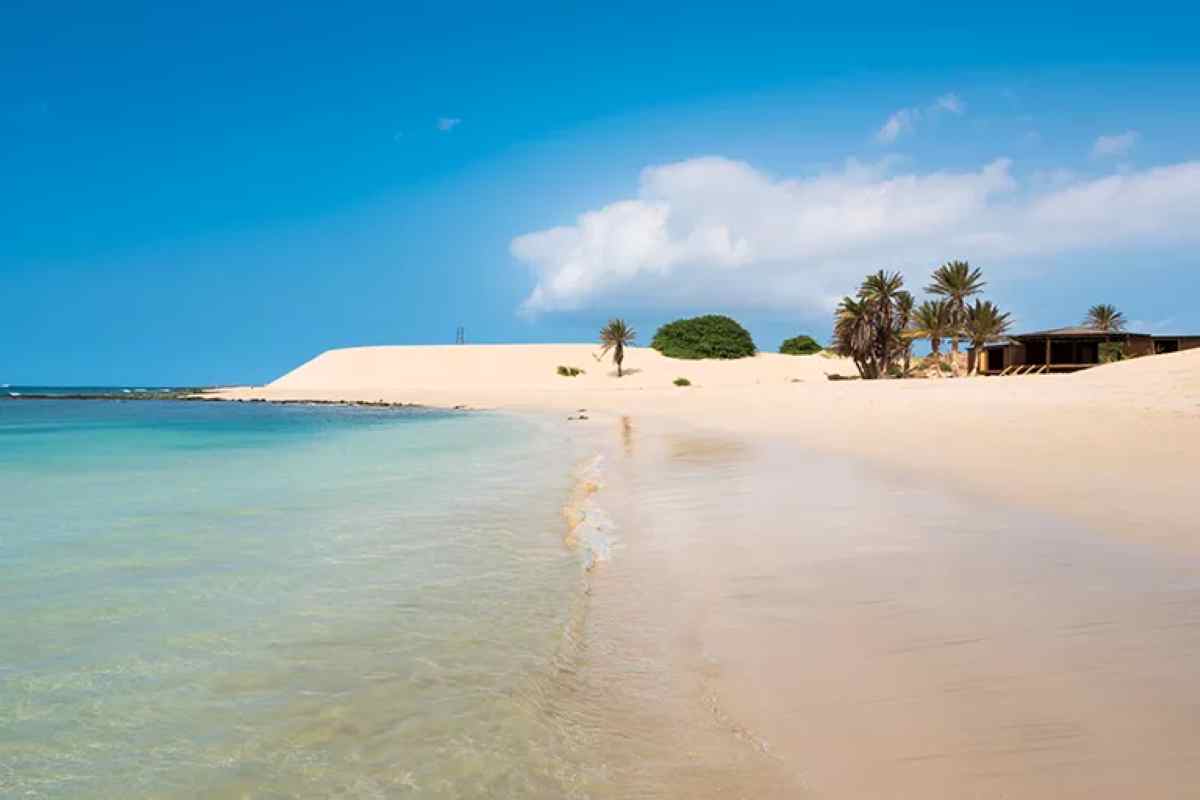
Cape Verde is internationally associated with beach holidays, particularly on Sal and Boa Vista.
Both islands have extensive sandy beaches and large-scale resort accommodation, making them popular with travellers seeking sunshine, swimming and all-inclusive stays.
The Windward Islands offer a different proposition.
Santo Antão is better suited to visitors who want walking, mountain scenery and rural experiences, while São Vicente combines cultural tourism with coastal attractions.
The islands can also be incorporated into longer Cape Verde itineraries, allowing visitors to experience several sides of the archipelago rather than concentrating on one resort destination.
Advertisement
Advertisement
Rural communities gain a larger role
Slow travel can also change where tourism spending goes.
A hiking visitor may stay in a village guesthouse, eat at a locally run restaurant, hire a guide and purchase agricultural products or crafts.
These smaller transactions can distribute tourism income across communities rather than concentrating it within large resort properties.
Santo Antão’s traditional villages and farming areas therefore become part of the tourism product itself.
The island’s terraced landscapes are not simply scenic viewpoints. They represent generations of agricultural activity and remain closely connected to local livelihoods.
Autumn brings outdoor opportunities
September marks the beginning of the autumn travel period, when visitors planning Cape Verde trips can consider combining coastal relaxation with outdoor activities.
Advertisement
Advertisement
The northern islands offer a different pace from the resort environments further south and east.
Travellers can spend several days in Mindelo before taking the ferry to Santo Antão, where hiking routes, mountain villages and agricultural valleys become the focus.
The result is a holiday that moves gradually through different landscapes rather than following a fixed resort schedule.
Cape Verde broadens its tourism map
Slow tourism emerging on the islands of Santo Antão and São Vicente is yet another way that can help Cape Verde diversify the spread of tourists on its various islands. The new conservation value makes it an appealing choice for tourists to tour the country beyond its world-renowned beaches, whereas the ferry connection will be responsible for linking cultural and mountain tourism. Slow tourism will provide tourists from the Windward Islands a variety of experiences, including volcanic landscapes, trekking, terrace farming, rural life, and sailing the Atlantic Ocean.
Advertisement
