
Salento Follows Patagonia and More as South American Hidden Travel Gems Take Centre Stage for Extraordinary 2027 Holidays

Published
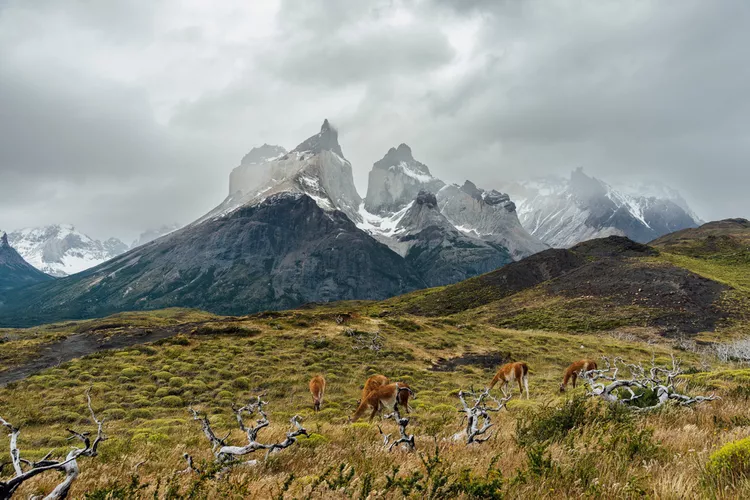
South American hidden travel gems are capturing global attention as discerning travellers seek transformative experiences for 2027. Leading this shifting movement, Colombia’s picturesque municipality of Salento joins iconic wildernesses like Patagonia in redefining regional tourism landscapes. Official statistics from national ministries confirm an unprecedented surge in international arrivals to lesser-known heritage and eco-tourism hubs. This strategic transition reflects comprehensive government investments in sustainable infrastructure, regional airport expansions, and biodiversity conservation protocols. As classic hot spots face managed capacity caps, South American hidden travel gems offer high-yield economic development, cultural preservation, and resilient travel ecosystems across Andean and Southern Cone destinations.
Background: The Rise of Sustainable Exploration in South America
For decades, international travel to South America remained overwhelmingly concentrated around marquee attractions such as Machu Picchu in Peru, Rio de Janeiro in Brazil, and Buenos Aires in Argentina. While these iconic landmarks continue to draw millions of global visitors annually, a profound structural shift has taken root across the continent’s tourism sectors. Modern international travellers are increasingly prioritising immersion, environmental sustainability, authentic cultural heritage, and uncrowded natural landscapes.
Advertisement
Advertisement
This evolution in consumer preference has prompted national governments, ministries of commerce and tourism, and regional statistics departments across South America to re-evaluate their strategic growth frameworks. Recognizing that over-concentration in traditional urban and heritage gateways creates localized ecological strain and infrastructural bottlenecks, state authorities have launched coordinated policy initiatives designed to decentralize tourist flows.
At the heart of this continent-wide redistribution are South American hidden travel gems—destinations that blend rich local traditions with pristine natural topography. Among these, Colombia’s Coffee Cultural Landscape (specifically the municipality of Salento in the Quindío Department) and the sub-Antarctic expanses of Patagonia across Argentina and Chile have emerged as premier models for decentralized, high-value tourism.
Advertisement
Advertisement
As public institutions publish updated framework evaluations in late October 2026, data reveals that secondary and tertiary destinations are not merely supporting national travel sectors—they are driving the primary growth trajectories for bookings projected into 2027. By integrating rigorous environmental protections, local community governance, and targeted public infrastructure investments, South American sovereign bodies are establishing a resilient blueprint for world-class, sustainable travel.
Latest Official Developments: Colombia’s Salento and the Quindío Ecosystem
Infrastructure Resilience and Tourism Continuity in Salento
The Colombian municipality of Salento, located in the heart of the UNESCO-designated Coffee Cultural Landscape of Colombia, represents one of the nation’s most iconic cultural and eco-tourism destinations. Known for its vibrant bahareque architectural heritage, traditional coffee estancias, and the dramatic Cocora Valley—home to the towering Quindío wax palm (Ceroxylon quindiuense), Colombia’s national tree—Salento has experienced significant international growth.
Advertisement
Advertisement
In August 2026, the region encountered a notable test of its operational resilience following a localized seismic event recorded on 10 August 2026 in the Central Cordillera region. Official damage assessments conducted by the Municipal Risk Management Office and verified by the Ministry of Commerce, Industry, and Tourism (MINCIT) recorded localized structural damage affecting 166 residential and commercial structures within the municipal area, with three minor injuries reported and zero fatalities.
Prompt technical inspections led by municipal engineers and heritage conservators systematically evaluated key public infrastructure and historical landmarks, including the historic Nuestra Señora del Carmen Church in Salento’s main plaza. Initial unverified digital rumors had suggested potential structural demolition of the church; however, official municipal engineering reports confirmed that the reinforced structural core remained entirely sound, with affected areas limited to external plaster finishes and non-structural cosmetic elements.
Advertisement
Advertisement
By late August 2026, MINCIT and the Departmental Government of Quindío issued joint status confirmations declaring that commercial, accommodation, and eco-tourist operations in Salento remained fully active, with no general operational restrictions imposed on transportation corridors or hiking routes within the Cocora Valley. This rapid, transparent recovery protocol highlighted the effectiveness of national disaster mitigation frameworks and affirmed Salento’s readiness to welcome international visitors for the upcoming 2027 travel cycle.
Strategic Investments in Colombia’s Coffee Axis Infrastructure
To support the expanding influx of eco-conscious international travellers visiting South American hidden travel gems, the Colombian Ministry of Transport, in coordination with the Civil Aviation Authority (Aerocivil), has accelerated regional transport upgrades. Key infrastructural highlights include:
- El Edén International Airport (Armenia, Quindío): Runway expansions and terminal modernization projects designed to accommodate direct regional flights from international hubs, reducing transit times to Salento and Filandia.
- Matecaña International Airport (Pereira, Risaralda): Upgraded customs handling facilities and augmented direct international route capacities connecting the Coffee Axis with North American and European transit points.
- Road Network Modernization: Targeted investments in secondary road stabilization and paved access corridors connecting Salento, Valle de Cocora, and neighbouring artisan towns like Pijao and Cordoba, mitigating heavy rain landslip risks during wet seasons.
Patagonia’s Multi-National Conservation and Low-Impact Model
Argentina and Chile’s Bilateral Eco-Tourism Frameworks
Stretching across more than one million square kilometres at the southern tip of the continent, Patagonia represents the pinnacle of wilderness exploration in South America. Shared between Argentina and Chile, this vast expanse featuring the Southern Patagonian Ice Field, jagged granite massifs, fjord systems, and expansive sub-Antarctic steppes has experienced sustained growth in international demand heading into 2027.
The Argentine Secretariat of Tourism, Environment and Sports, alongside Chile’s National Tourism Service (SERNATUR), have established collaborative frameworks to present Patagonia as a unified, sustainable destination while maintaining stringent ecological controls.
Advertisement
Advertisement
Patagonian Sustainable Tourism Architecture:
+-----------------------------------------------------------------------+
|                       PATAGONIA ECO-SYSTEM                            |
+-----------------------------------+-----------------------------------+
|     Argentine Sector (APN)        |      Chilean Sector (CONAF)       |
+-----------------------------------+-----------------------------------+
| • Los Glaciares National Park     | • Torres del Paine National Park  |
| • Perito Moreno Glacial Protocols | • W & O Circuit Capacity Controls |
| • Tierra del Fuego / Ushuaia Port | • Cerro Castillo Reserve Scaling  |
| • Valdés Marine Conservation Zone | • Aysén Regional Fjord Protection |
+-----------------------------------+-----------------------------------+
|                    Bilateral Green Transit Protocols                  |
+-----------------------------------------------------------------------+
In Chilean Patagonia, the National Forest Corporation (CONAF) implemented updated carrying-capacity algorithms for Torres del Paine National Park. The famous ‘W’ and ‘O’ trekking circuits now utilize mandatory advance digital registration platforms, ensuring that trail congestion is eliminated and native fauna, such as the endangered South Andean huemul deer and wild puma populations, remain protected.
Concurrently, in Argentine Patagonia, the National Parks Administration (APN) expanded protective infrastructure surrounding Los Glaciares National Park and the Perito Moreno Glacier. Upgraded boardwalk systems, zero-emission shuttle fleets in El Chaltén, and expanded ranger monitoring stations have allowed Argentina to welcome record international visitor numbers without compromising fragile glacial habitats.
Government Announcements and Strategic Multi-Year Investments
National governments across South America have formally integrated sustainable travel policies into their national development strategies. Official policy releases published during 2026 highlight key public sector investments designed to prepare regional destinations for 2027 and beyond:
Colombia’s “Tourism for Nature and Peace” Initiative
The Ministry of Commerce, Industry, and Tourism of Colombia (MINCIT), through the National Tourism Fund (FONTUR), allocated over COP 350 billion in public funding toward decentralized eco-tourism projects. Key government objectives include:
- Community-Based Tourism Certification: Funding direct certification programs for rural agricultural cooperatives and indigenous communities transitioning into eco-guides in the Coffee Axis and Sierra Nevada de Santa Marta.
- Renewable Energy Integration in Rural Accommodations: Providing tax incentives for small-scale eco-lodges in Salento and Cocora Valley to adopt 100% off-grid solar power systems and biological wastewater treatment facilities.
- Biodiversity Monitoring Platforms: Implementing digital tracking systems to monitor ecological health across protected national parks, ensuring tourist activity aligns with national conservation goals.
Chile’s National Sustainable Tourism Strategy 2030
Chile’s Ministry of Economy, Development, and Tourism, operating through SERNATUR, published updated guidelines for Southern Patagonia and the Aysén Region. Highlights include:
- Electrification of Coastal and Lake Transit: Subsidising hybrid and fully electric passenger vessels operating across Lake Pehoé, Lake General Carrera, and the Chilean fjords.
- Waste Management Protocols in Remote Parks: Zero-waste certification requirements for all commercial tour operators operating within public protected areas (SNASPE).
- Puma Conservation Corridors: Establishing official public-private partnerships with private estancias surrounding Torres del Paine to maintain continuous wildlife corridors.
Official Tourism Statistics and Economic Indicators
Data provided by national statistical agencies, including Colombia’s National Administrative Department of Statistics (DANE), Argentina’s National Institute of Statistics and Censuses (INDEC), and Chile’s National Institute of Statistics (INE), clearly illustrate the economic weight of South American hidden travel gems.
Advertisement
Advertisement
| Country / Region | Primary Destination Focus | 2025/2026 International Visitor Growth | Projected 2027 Market Growth | Average Length of Stay (Days) | Key Economic Driver |
| Colombia (Coffee Axis) | Salento, Filandia, Cocora | +18.4% YoY | +22.1% | 4.8 | Heritage, Coffee Eco-Tourism |
| Chile (Magallanes) | Torres del Paine, Puerto Natales | +15.2% YoY | +19.5% | 6.5 | Adventure Trekking, Wildlife |
| Argentina (Santa Cruz) | El Calafate, El Chaltén | +14.8% YoY | +17.3% | 5.9 | Glaciology, Alpine Trekking |
| Peru (Arequipa/Colca) | Colca Canyon, Cotahuasi | +12.6% YoY | +16.0% | 3.5 | Cultural, Geotourism |
| Ecuador (Azuay) | Cuenca, Cajas National Park | +11.9% YoY | +14.5% | 4.2 | Colonial Heritage, Highland Hiking |
Data Source: Compiled from official releases by DANE Colombia, INDEC Argentina, INE Chile, and UN Tourism Regional Monitor (2026).
Key takeaway insights from these verified metrics demonstrate that secondary destinations are experiencing significantly higher percentage growth rates compared to primary capital cities. Furthermore, the average length of stay in regional destinations has expanded by 1.2 days across the continent, directly increasing per-capita spending within local rural economies.
Policy Implications: Managing Capacity and Protecting Ecosystems
The sustained growth of South American hidden travel gems brings both immense economic opportunities and serious management responsibilities for policy makers. Sovereign tourism bodies have moved aggressively to avoid the pitfalls of unmanaged mass tourism seen in other global regions.
Implementation of Advanced Carrying Capacity Limits
National park authorities throughout the Andean and Southern Cone regions have established strict visitor thresholds. In Colombia, MINCIT and the National Natural Parks system (PNN) have placed daily entry caps on sensitive trail systems within the Cocora Valley and Tayrona National Natural Park. These measures prevent soil erosion along delicate trail systems and protect native avian populations, including the Andean condor (Vultur gryphus).
Policy Matrix for Decentralized Destination Management:
├── Ecological Protection
│   ├── Daily entry quotas on vulnerable trail networks
│   ├── Zero-single-use-plastic mandates in National Parks
│   └── Continuous flora & fauna biodiversity monitoring
├── Infrastructure Expansion
│   ├── Regional airport internationalization & green upgrades
│   ├── Electrified public transit fleets in rural gateways
│   └── Municipal water & waste system capacity enhancements
└── Local Economic Integration
    ├── Mandatory local guide registration requirements
    ├── Direct community revenue sharing from park entry fees
    └── Support for indigenous & traditional agricultural enterprises
Environmental Regulatory Standards
- Plastics Restrictions: Enforcing bans on single-use plastics across all national parks and protected nature reserves in Argentina, Chile, Colombia, and Peru.
- Water Resource Protection: Stricter environmental compliance regulations for rural hotel developments, requiring advanced greywater treatment and low-flow water systems.
- Building Height and Aesthetic Codes: Municipal zoning laws in historic towns like Salento (Colombia) and Ollantaytambo (Peru) strictly enforce colonial architectural preservation standards, prohibiting modern high-rise developments.
Industry Impact: Tourism, Aviation, and Hospitality Adaptation
The surge in demand for South American hidden travel gems has transformed the broader commercial travel sector. International airlines, luxury boutique hoteliers, and expedition tour operators are realigning their commercial offerings to cater to shifting traveller profiles for 2027.
Airline Network Expansion and Regional Connectivity
Major international carriers and regional low-cost airlines have announced expanded route schedules specifically targeting secondary gateways across South America:
Advertisement
Advertisement
- LATAM Airlines Group: Expanded direct inter-regional connections linking Santiago (Chile) and Buenos Aires (Argentina) directly to regional hubs such as Puerto Natales (Chile) and El Calafate (Argentina) during peak southern hemisphere seasons.
- Avianca: Introduced augmented frequency on direct routes connecting Bogotá and Medellín to Pereira and Armenia in Colombia’s Coffee Triangle, facilitating seamless transfers for international travellers.
- Flybondi and JetSMART: Low-cost regional carriers expanding point-to-point connections, bypassing congested capital city airports to connect secondary provincial markets directly.
Shift Toward Boutique, Sustainable Hospitality
The traditional high-capacity resort model is increasingly being passed over in favour of low-impact, high-experience accommodations. In Salento and the surrounding Quindío countryside, converted historic coffee fincas (farms) and eco-glamping lodges have reported record occupancy rates.
In Patagonia, private estancias—such as Estancia Cerro Guido in Chile—have pioneered combined eco-tourism and working ranch operations. Visitors directly contribute to wildlife conservation programs, including non-lethal puma monitoring and native habitat restoration, creating a mutually beneficial financial ecosystem between luxury tourism and ecological stewardship.
Regional Economic Expansion and Public Community Impact
Economic Diversification Beyond Capital Cities
The economic benefits of South American hidden travel gems extend deep into rural communities that historically relied solely on agriculture or resource extraction. According to data released by the Inter-American Development Bank (IDB), tourism expenditure in secondary South American municipalities generated over 240,000 direct and indirect jobs across the continent during the 2025–2026 reporting period.
Direct Economic Value Distribution in Secondary Destinations:
┌─────────────────────────────────────────────────────────┐
│              TOTAL TOURIST SPEND IN REGION              │
└────────────────────────────┬────────────────────────────┘
                             │
       ┌─────────────────────┼─────────────────────┐
       ▼                     ▼                     ▼
┌──────────────┐      ┌──────────────┐      ┌──────────────┐
│ Local Lodge  │      │ Guided Tours │      │ Artisan Goods│
│ & Heritage   │      │ & Eco-Trails │      │ & Agriculture│
│ Accommodat.  │      │  (40% Local) │      │  (Direct to  │
│   (35%)      │      └──────────────┘      │ Farmers) 25% │
└──────────────┘                            └──────────────┘
In Salento, coffee farming families have successfully integrated agro-tourism into their traditional harvesting cycles. Visitors participate in educational coffee tastings, farm walks, and harvesting workshops, creating secondary income streams that protect smallholder farmers against global coffee commodity price fluctuations.
Empowerment of Indigenous and Rural Communities
In Southern Chile and Argentina, Mapuche and Tehuelche indigenous communities are establishing autonomous, community-led tourism initiatives. Guided cultural hikes, traditional culinary experiences, and artisan craft co-operatives allow local populations to share their ancestral heritage on their own terms while retaining direct control over economic revenues.
Similarly, in Peru’s Sacred Valley and the high-altitude zones surrounding Ausangate, indigenous alpaca-herding communities manage trekking logistics, lodge facilities, and trail maintenance, ensuring that tourism revenue directly finances local educational facilities and medical infrastructure.
Advertisement
Advertisement
Official Statements and International Recognition
Prominent public officials and international agency executives have highlighted the significance of South America’s decentralized tourism paradigm:
“The transformation of destinations like Salento and the Coffee Cultural Landscape demonstrates that heritage preservation and environmental conservation can serve as powerful engines for economic growth. By protecting our natural capital and cultural identity, Colombia offers the world authentic, world-class travel experiences that endure.”
— Official Statement, Ministry of Commerce, Industry, and Tourism (MINCIT), Colombia
“Patagonia’s future lies in high-value, low-impact sustainable tourism. Through coordinated cross-border management between Chile and Argentina, we are proving that pristine wilderness can be shared with global travellers while maintaining uncompromising standards of ecological protection.”
— Representative, National Tourism Service (SERNATUR), Chile
“The ongoing diversification of South America’s tourism portfolio away from over-visited urban centers toward secondary eco-tourism hubs represents a global best practice. It balances regional economic distribution with effective biodiversity conservation.”
Advertisement
Advertisement
— Regional Report Analysis, UN Tourism (formerly UNWTO)
Beyond Salento and Patagonia: Emerging Secondary Destinations for 2027
While Salento and Patagonia lead the current surge, several other South American hidden travel gems are fast establishing themselves as must-visit locations for extraordinary 2027 itineraries:
1. Lençóis Maranhenses, Brazil
Located in northeastern Brazil, Lençóis Maranhenses National Park features a landscape of rolling white sand dunes interspersed with freshwater, rain-fed lagoons. Awarded UNESCO World Heritage status, the region’s strictly managed access regulations ensure that eco-tourists experience pristine wilderness via electric 4×4 vehicles and guided trekking routes.
2. The Atacama Desert and El Tatio, Chile
Beyond standard stargazing, northern Chile’s Atacama Desert is expanding its sustainable luxury and Indigenous-guided tourism sectors. New solar-powered wilderness camps, ancestral salt-flat tours managed by Atacameño communities, and expanded astronomical observatories position the region as a leader in scientific and wellness travel.
3. Huacachina and the Paracas Reserve, Peru
Peru’s southern desert coast combines the oasis of Huacachina with the marine biodiversity of the Paracas National Reserve. Strict marine vessel quotas protecting sea lion and Humboldt penguin colonies demonstrate Peru’s commitment to balancing adventure tourism with coastal ecosystem protection.
4. Salta and Jujuy Wine Valleys, Argentina
Argentina’s high-altitude northwestern provinces of Salta and Jujuy offer dramatic desert canyon landscapes, indigenous mountain culture, and high-altitude Torrontés vineyards. Government-backed cultural preservation corridors allow travellers to explore historic mountain villages along the Qhapaq Ñan (Inca Road System) without disturbing local community life.
Advertisement
Advertisement
5. Barichara and the Chicamocha Canyon, Colombia
Often hailed as Colombia’s most beautiful colonial village, Barichara offers preserved stone architecture, artisan papermaking, and dramatic trekking along the ancient Camino Real to Guane and the Chicamocha Canyon. Municipal conservation policies restrict vehicular traffic in historical zones, creating an tranquil atmosphere for slow-travel enthusiasts.
Top Emerging South American Destinations (2027 Focus):
┌─────────────────────────┬──────────────────────────┬────────────────────────┐
│ Destination             │ Country                  │ Key Travel Attraction  │
├─────────────────────────┼──────────────────────────┼────────────────────────┤
│ Salento & Cocora        │ Colombia                 │ Coffee, Wax Palms      │
│ Torres del Paine        │ Chile                    │ Alpine Trekking, Pumas │
│ Los Glaciares           │ Argentina                │ Glaciology, Fitz Roy   │
│ Lençóis Maranhenses     │ Brazil                   │ Dunes & Freshwater     │
│ Atacama Desert          │ Chile                    │ Astronomy, Geysers     │
│ Salta & Calchaquí       │ Argentina                │ High-Altitude Wine     │
│ Barichara & Chicamocha  │ Colombia                 │ Colonial Heritage      │
└─────────────────────────┴──────────────────────────┴────────────────────────┘
Future Outlook: Strategic Roadmap for 2027 and Beyond
As the global travel industry looks ahead to 2027, South America’s strategic focus on secondary and tertiary travel destinations is set to deliver exceptional results. The integration of technological innovations, sustainable infrastructure, and authentic local storytelling ensures that the continent’s momentum will continue to accelerate.
Integrated Digital Booking and Access Platforms
To prevent overcrowding and maintain trail safety, national ministries are collaborating to introduce unified digital entry platforms. By 2027, travellers will be able to book seamless cross-border passes covering national parks, heritage sites, and community reserves across Colombia, Ecuador, Peru, Chile, and Argentina through consolidated, official government portals.
Expansion of Sustainable Long-Distance Rail Networks
Several major rail infrastructure projects are nearing completion across the continent:
- Colombia’s Central Railway Reactivation: Connecting inner regional agricultural and tourism hubs with main arterial networks.
- Chile’s High-Speed Regional Trains: Modernizing rail links between Santiago and southern agricultural and lake districts, reducing reliance on short-haul domestic flights.
Long-Term Economic Resilience and Biodiversity Leadership
By anchoring its international tourism strategy around South American hidden travel gems, the continent is safeguarding its natural and cultural capital. Global travellers planning their extraordinary 2027 holidays can expect unprecedented access to pristine environments, rich indigenous traditions, and modern, highly resilient travel infrastructure that respects both the planet and local host communities.
Advertisement
