
United Kingdom Unites France and Other Leading Markets as Washington DC’s Free Museums Boost Travel

Published
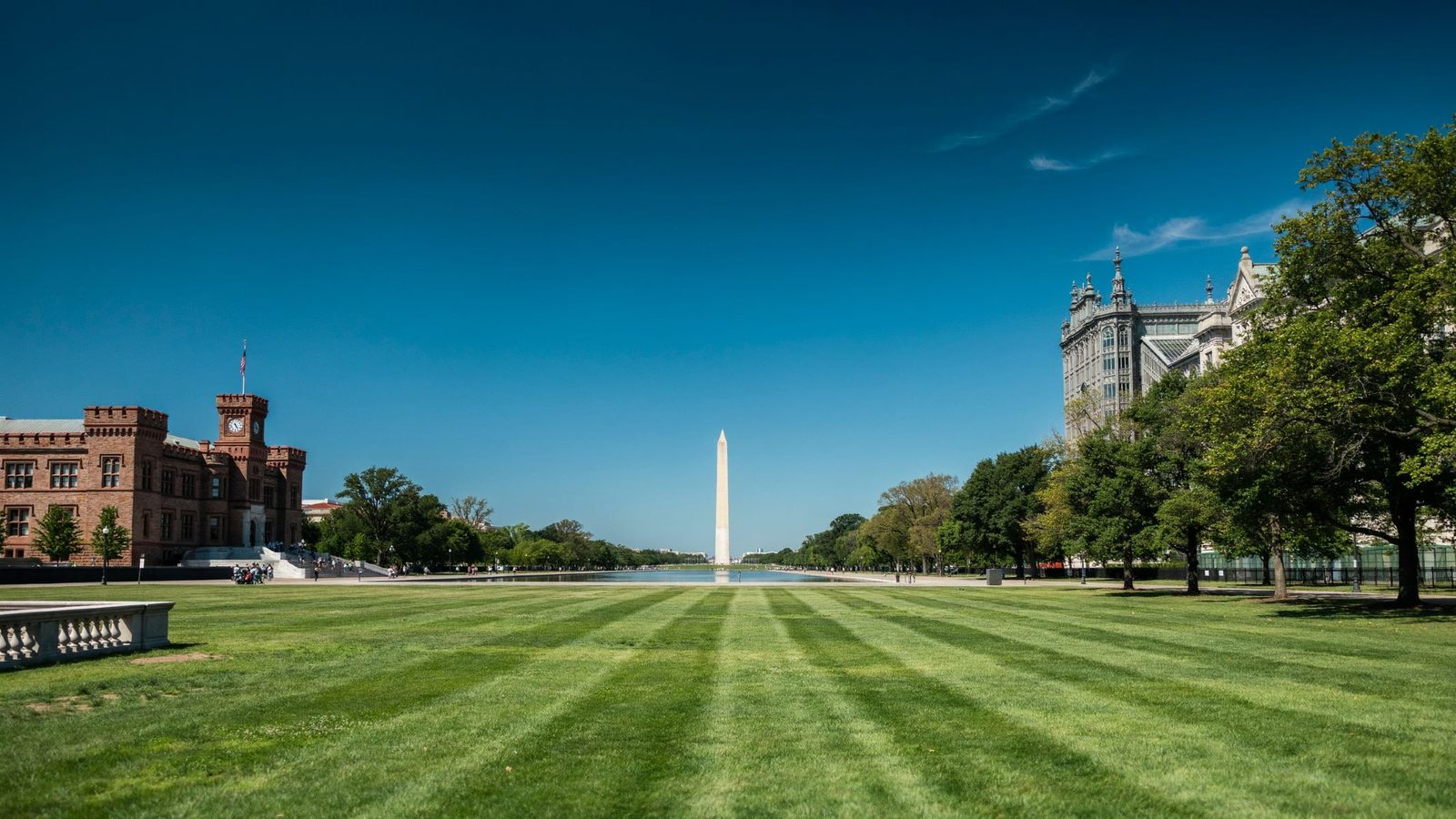
Image generated with Ai
The United Kingdom unites France and other leading markets as Washington DC’s free museums boost travel, strengthening the US capital’s appeal for international visitors seeking culture, history, aviation, science and art in one destination. Germany also remains an important European source market for the city. Washington DC free museums give travellers access to globally significant Smithsonian collections without general admission charges, while direct transatlantic air links make the capital accessible from major European gateways. The combination of cultural attractions, National Mall landmarks, aviation connectivity and convenient public transport gives Washington a distinctive position in global city tourism and supports wider visitor spending.
Washington DC Free Museums Give International Travellers Exceptional Cultural Access
The Smithsonian Institution remains central to Washington’s cultural tourism proposition in 2026. The organisation currently comprises 20 museums and the National Zoological Park, with 17 free museums in the Washington DC area plus the zoo. Smithsonian museums cover American history, aviation, space exploration, natural history, Indigenous cultures, African American heritage, Asian art, African art and contemporary creativity. Admission to Smithsonian museums in Washington is free. Many major sites sit on or close to the National Mall, allowing international travellers to combine several museums and national landmarks within the same part of the city.
Advertisement
Advertisement
- Smithsonian museums in Washington offer free general admission.
- Seventeen free Smithsonian museums are available across the DC area.
- Many major museums cluster around the National Mall.
- Collections cover history, science, art, aviation and global cultures.
- Some high-demand locations still require free timed-entry reservations.
| Smithsonian visitor feature | 2026 position |
|---|---|
| Smithsonian museums overall | 20 |
| DC-area free museums | 17 |
| National Zoo | Included in Smithsonian network |
| General Washington museum admission | Free |
| Major cultural cluster | National Mall |
| Timed-entry locations | Selected museums and zoo |
National Air and Space Museum Adds Fresh Reasons to Visit Washington in 2026
The National Air and Space Museum provides one of the strongest links between Washington DC tourism and global interest in aviation and space exploration. Its National Mall location displays historically significant aircraft, spacecraft and objects connected with human flight. The museum marked its 50th anniversary in 2026 and opened five new galleries on 1 July as part of its continuing transformation. Visitors can explore objects including the 1903 Wright Flyer and material connected with early aviation and lunar exploration. Admission remains free, although every visitor currently needs a free timed-entry pass for the Washington location.
- The National Air and Space Museum celebrated 50 years in 2026.
- Five new galleries opened on 1 July 2026.
- General admission remains free.
- Timed-entry passes are compulsory for the Washington museum.
- Aviation and space collections strengthen Washington’s family and educational travel appeal.
| Air and Space visitor information | Detail |
|---|---|
| Washington location | 650 Jefferson Drive SW |
| Admission | Free |
| Entry | Free timed pass required |
| Normal opening hours | 10am–5.30pm |
| Major 2026 development | Five galleries opened 1 July |
| Second museum location | Chantilly, Virginia |
Smithsonian Museums Turn the National Mall Into a Multi-Day Travel Attraction
A Washington museum itinerary can extend well beyond aviation. The National Museum of Natural History provides access to collections exploring biodiversity, geology, human development and the natural world. The National Museum of American History interprets the country’s social, cultural and technological history. The National Museum of the American Indian, National Museum of Asian Art and National Museum of African Art broaden the international cultural range. Most Smithsonian museums do not require general-admission tickets, helping travellers design flexible itineraries around the National Mall rather than purchasing separate admission for every institution. This makes Washington particularly practical for multi-generational and educational travel.
Advertisement
Advertisement
- Natural history and American history can be explored without admission charges.
- Asian, African and Indigenous cultural collections broaden Washington’s appeal.
- Numerous museums are concentrated in a walkable central tourism area.
- Most Smithsonian locations do not require general timed tickets.
- Visitors can build museum itineraries around interests rather than entry prices.
| Museum | Main visitor focus | General admission |
|---|---|---|
| Natural History | Nature, science and human origins | Free |
| American History | US history and culture | Free |
| American Indian | Indigenous history and culture | Free |
| Asian Art | Asian artistic traditions | Free |
| African Art | African art and culture | Free |
| Air and Space | Aviation and space | Free, pass required |
African American History and Culture Remains a High-Demand Smithsonian Experience
The National Museum of African American History and Culture offers an extensive exploration of African American history and cultural experience. Access is free, but travellers need a timed-entry pass. The museum releases advance passes on a rolling basis up to 30 days ahead, while a limited quantity of same-day passes is released online. All visitors, including children, require passes. Capacity restrictions can also affect entry during busy periods such as weekends and holidays. International travellers building a fixed Washington DC sightseeing programme should therefore reserve this museum early rather than relying on walk-up availability.
- Admission is free.
- Timed-entry passes are required for every visitor.
- Advance passes are released up to 30 days ahead.
- Limited same-day passes are available online.
- Peak periods can produce additional capacity constraints.
| Visitor planning factor | Requirement |
|---|---|
| Admission charge | None |
| Timed pass | Required |
| Advance release | Up to 30 days |
| Same-day allocation | Limited |
| Children | Pass required |
| Busy periods | Weekends and holidays |
United Kingdom Remains One of Washington DC’s Leading International Tourism Markets
The United Kingdom was Washington DC’s third-largest international source market in 2025, behind Canada and India. That ranking gives UK travellers a significant role in the destination’s 2026 international tourism strategy. Washington Dulles International Airport currently lists London Heathrow among its nonstop European destinations, providing direct connectivity between the British capital and the Washington region. British Airways also continues to publish Washington within its flight timetable system. Once visitors reach Dulles, the airport’s Silver Line Metrorail station provides direct rail access towards central Washington, supporting journeys to accommodation, monuments and Smithsonian attractions without requiring a domestic connecting flight.
Advertisement
Advertisement
- The UK ranked third among Washington’s international visitor markets.
- London Heathrow has nonstop connectivity with Washington Dulles.
- Dulles is linked directly to Washington’s Metrorail network.
- The Smithsonian provides a strong free cultural component for UK itineraries.
- National Mall attractions can anchor longer Washington sightseeing stays.
| UK-Washington travel factor | 2026 position |
|---|---|
| DC international market rank | 3rd |
| Main nonstop gateway | London Heathrow |
| Washington airport | Dulles International |
| Airport rail connection | Silver Line |
| Smithsonian admission | Free |
| Key visitor zone | National Mall |
Germany Maintains a Major Role in Washington DC’s European Visitor Market
Germany ranked fourth among Washington DC’s international source markets in 2025, confirming its importance alongside the United Kingdom and France. Washington Dulles lists both Frankfurt and Munich among its nonstop European destinations. Lufthansa’s current booking information also confirms direct Washington–Frankfurt availability, giving German travellers straightforward transatlantic access to the capital region. Once at Dulles, visitors can use the Silver Line towards downtown Washington. The Smithsonian network adds an important value component because museum admission does not create an additional daily attraction cost, allowing German visitors to combine culture, aviation, national history, monuments and neighbourhood exploration within a broader city itinerary.
- Germany was Washington’s fourth-largest international market.
- Dulles offers nonstop links with Frankfurt and Munich.
- Direct Washington–Frankfurt flights are available.
- Dulles has direct Silver Line Metrorail access.
- Free Smithsonian museums strengthen Washington’s cultural tourism value.
| Germany-Washington factor | Detail |
|---|---|
| Market position | 4th |
| Nonstop German gateways | Frankfurt and Munich |
| Major airport | Washington Dulles |
| Direct rail into region | Silver Line |
| Cultural anchor | Smithsonian Institution |
| Museum admission | Free |
France Connects Directly With Washington’s Museums and National Mall
France ranked sixth among Washington DC’s international tourism markets in 2025, placing it among the city’s most important overseas visitor sources. Washington Dulles currently lists Paris Charles de Gaulle as a nonstop destination. Air France’s current 2026 booking inventory confirms direct IAD–CDG travel, including services available during autumn 2026. For French travellers, Washington offers a combination of national institutions, monuments, museums and cultural collections within a comparatively concentrated central district. Smithsonian museums add particular value because general admission is free, while Metrorail links Dulles with central Washington and connects visitors with the wider regional public transport network.
- France was Washington’s sixth-largest international source market.
- Paris and Washington have nonstop air connectivity.
- Air France lists IAD–CDG flights during 2026.
- Dulles connects with central Washington through Metrorail.
- Smithsonian attractions support culture-led French visitor itineraries.
| France-Washington factor | Detail |
|---|---|
| International market rank | 6th |
| French gateway | Paris Charles de Gaulle |
| Washington gateway | Dulles International |
| Direct flight availability | Yes |
| Airport public transport | Silver Line |
| Smithsonian admission | Free |
International Tourism Carries Greater Economic Weight Than Visitor Numbers Suggest
Washington welcomed 27.2 million visitors in 2025, including 25.1 million domestic travellers and 2.1 million international visitors. Total visitor spending reached a record $11.9 billion, while tourism supported 114,013 jobs and produced $2.4 billion in tax revenue. International travel remains especially important because overseas visitors represent a relatively small portion of total arrivals but make a much larger contribution to spending. Destination DC reported that international visitors represented approximately 8% of visitors in 2025 while generating 25% of visitor spending. This makes European markets such as the UK, Germany and France strategically important even when their visitor volumes remain below domestic tourism.
- Washington received 27.2 million visitors in 2025.
- International visitation reached 2.1 million.
- Visitor expenditure reached $11.9 billion.
- Tourism supported more than 114,000 jobs.
- International visitors generated a disproportionate share of spending.
| Washington tourism indicator | 2025 result |
|---|---|
| Total visitors | 27.2 million |
| Domestic visitors | 25.1 million |
| International visitors | 2.1 million |
| Visitor spending | $11.9 billion |
| Jobs supported | 114,013 |
| Tax revenue | $2.4 billion |
Free Museums Can Extend Washington Stays Without Raising Attraction Costs
Washington’s free museum model has practical consequences for travellers. Visitors can allocate a greater proportion of their trip budgets to accommodation, restaurants, shopping, local transport and paid experiences while maintaining extensive cultural itineraries. Destination DC’s 2025 figures show where visitor expenditure moves through the local economy: lodging accounted for 39% of visitor spending, food and beverages 27%, shopping and entertainment each represented substantial additional shares, and transportation contributed further expenditure. Free Smithsonian admission therefore operates alongside a wider visitor economy rather than eliminating tourism spending. Cultural attractions can encourage visitors to spend time in the city while their expenditure flows into surrounding hospitality and tourism services.
- Free museums can lower the direct cost of sightseeing.
- Accommodation remains the largest visitor spending category.
- Food and beverage businesses capture substantial tourism expenditure.
- Longer cultural itineraries can support wider destination spending.
- International visitors are economically important to Washington.
| Visitor spending category | Share reported for 2025 |
|---|---|
| Lodging | 39% |
| Food and beverage | 27% |
| Shopping | 14% |
| Entertainment | 14% |
| Transportation | 5.4% |
Dulles Air Connectivity and Metro Access Strengthen International Museum Travel
Washington Dulles provides an important gateway for European cultural travellers. Its official nonstop network currently includes London Heathrow, Paris Charles de Gaulle, Frankfurt, Munich and numerous additional European cities. The airport also has a dedicated Silver Line Metrorail station, connected with the main terminal through an indoor pedestrian tunnel. Passengers can use the Silver Line towards downtown Washington and transfer across the wider Metro network. WMATA lists both Washington Dulles International Airport and Smithsonian stations on the Silver Line, creating a public-transport connection between the international gateway and the area surrounding many Smithsonian attractions.
- Dulles has extensive European nonstop connectivity.
- London, Paris, Frankfurt and Munich are all served nonstop.
- The airport has its own Silver Line station.
- Smithsonian station also sits on the Silver Line.
- Public transport can connect international arrivals with central tourism areas.
| Journey stage | Transport connection |
|---|---|
| International arrival | Washington Dulles |
| Airport station | Dulles Silver Line |
| Central network | Washington Metrorail |
| National Mall access | Smithsonian and nearby stations |
| Key source gateways | London, Paris, Frankfurt, Munich |
Washington DC Tourism Gains From Culture Aviation and High-Value International Travel
Washington’s tourism proposition combines three strong elements: international air access, free cultural attractions and a concentrated central sightseeing district. That combination matters as the destination works to maintain international demand. Although international visitation fell 4% in 2025, Washington performed with 2.1 million international visitors while total city visitation remained at 27.2 million. Destination DC continues to identify international travel as economically significant because overseas travellers contribute a much greater share of spending than their share of arrivals. Smithsonian museums provide a durable attraction base that can appeal across age groups, nationalities and travel purposes.
- International tourism remains strategically valuable to Washington.
- UK, Germany and France rank among leading source markets.
- Direct European flights improve destination accessibility.
- Smithsonian museums provide year-round cultural attractions.
- Free admission strengthens the city’s visitor-value proposition.
| Tourism driver | Travel impact |
|---|---|
| European source markets | International demand |
| Direct flights | Easier access |
| Smithsonian museums | Cultural attraction base |
| Free admission | Lower sightseeing costs |
| Metro connectivity | Easier independent travel |
Conclusion
The United Kingdom unites France and other leading markets as Washington DC’s free museums boost travel by connecting strong European tourism demand with one of America’s most concentrated cultural destinations. Germany adds another major European visitor market, while direct transatlantic connectivity improves access to the US capital. Washington DC’s free museums give international travellers opportunities to explore aviation, science, history, art and culture while keeping major attraction costs low. Together, the Smithsonian Institution, National Mall, international air network and metropolitan transport system strengthen Washington’s position as an accessible cultural destination for travellers seeking educational, historical and city-based experiences.
Advertisement
