
West Sumatra Travel Dilemma Highlights The Massive Gap Between Tourism Potential And Hotel Success In Indonesia

Published
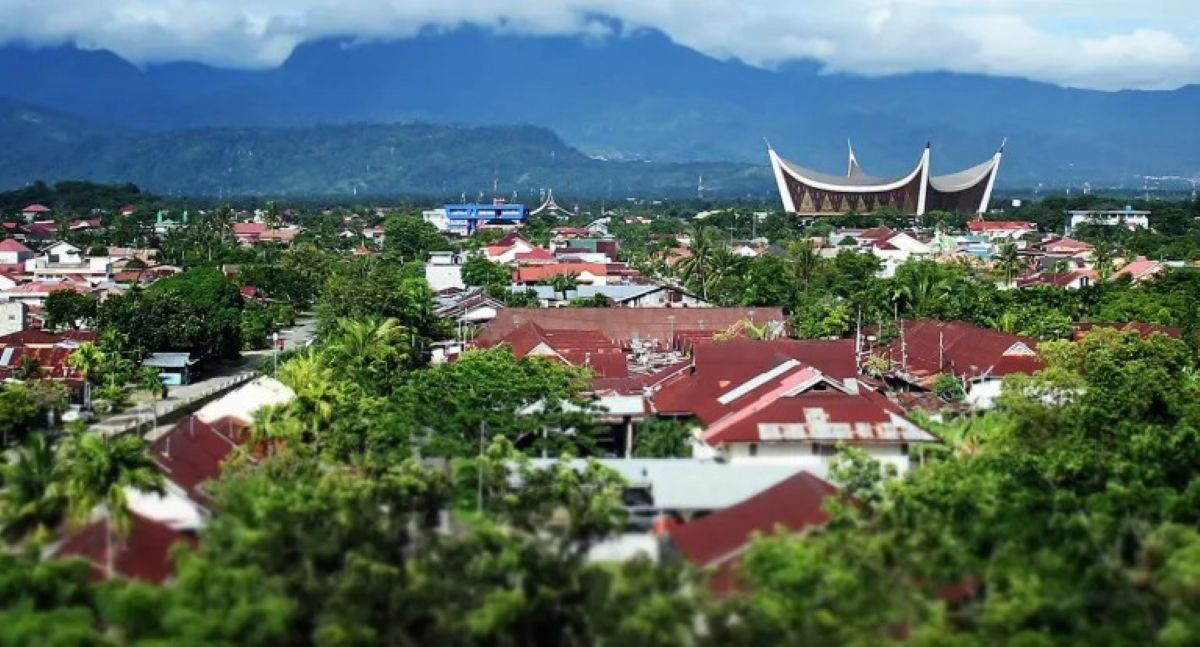
Image Credit westsumatratraveler.id
We often think that a strong local economy means an opportunity for people who own hotels and restaurants but the truth is usually more complicated. When money-related reports show numbers it’s easy to get excited and forget that how people actually travel changes a lot. These changes are not always clear from looking at numbers on a page. Each big number on a report hides different things like when people travel most what problems happen with moving people around and what choices travelers make. All of these need to be looked, at carefully.
Advertisement
Advertisement
Navigating the Intricate Balance Between Regional Financial Progress and Local Hospitality Market Realities
Economic growth does not always mean hotel growth. West Sumatra serves as a fascinating case study where broader provincial prosperity fails to mirror the performance of the local lodging sector. Recent reports from banking institutions indicate that the regional economy expanded by 4.54% year-on-year during Q2 2026, improving upon the 3.94% recorded in Q2 2025. Furthermore, capital investment metrics such as PMTB climbed by 7.03% year-on-year, driven significantly by public infrastructure projects, post-disaster recovery efforts, and private monetary injections. Although these metrics paint a picture of an energetic economy, a deeper investigation reveals that macroeconomic expansion operates on a completely different frequency than structural tourism demand, forcing industry analysts to reconsider how regional fiscal health influences visitor accommodations.
Advertisement
Advertisement
Examining these trends with an eye toward international tourism reveals that widespread economic gains often fail to generate organic, leisure-based room bookings. Heavy public spending and infrastructural investments typically reward commercial contractors, official state delegations, and corporate travelers who frequent urban hubs like Padang, rather than fueling leisure tourism. Meanwhile, seasonal holidaymakers and individuals visiting family provide temporary relief to specific niches such as Bukittinggi, while remote, scenic zones like Mentawai rely heavily on consistent international flight availability and foreign traveler confidence. Other breathtaking landscapes, including Mandeh, Harau Valley, Lake Singkarak, and Tanah Datar, boast extraordinary natural allure yet struggle with severe infrastructural limitations, insufficient lodging capacity, and short visitor stays that make commercial hotel investments risky over a complete business cycle.
Unmasking How Temporary Seasonal Spikes Distort Long-Term Market Demand and Global Travel Planning
Advertisement
Advertisement
Seasonal peaks can easily deceive investors into overestimating permanent consumer interest. During the opening months of the year, specific cyclical variables created a deceptive appearance of robust, widespread expansion across the region. Statistics showed that Q1 2026 delivered exceptional numbers, highlighted by a 17% surge in domestic visitor journeys, a 4.4% elevation in airport foot traffic, and overall regional economic growth exceeding 5%. However, financial evaluators noted that this extraordinary window coincided with high-density holiday periods, Ramadan, Idul Fitri, extended holiday weekends, concentrated government disbursement schedules, and intensive reconstruction initiatives. Once those temporary seasonal catalysts evaporated by Q2, that transient mobility dropped off sharply, illustrating precisely why event-driven surges must never be miscalculated as permanent structural demand by accommodation developers.
For global travelers, this underlying disconnect between macro-level financial statistics and authentic travel infrastructure directly alters vacation planning, pricing predictability, and service quality. When official reports confirm that domestic tourist trips into West Sumatra plunged by 11.57% year-on-year in Q2 2026—completely reversing previous gains—and international visitor arrivals plummeted by an alarming 42.05% alongside a simultaneous decline in passenger movements through Minangkabau International Airport, it signals deep structural bottlenecks in transportation and regional connectivity. Consequently, global tourists frequently encounter fluctuating hospitality standards, limited flight frequencies, and underdeveloped tourism ecosystems in remote retreats, pushing international travelers to demand greater accountability and transparency from tourism boards regarding destination readiness before booking long-haul journeys.
Redefining the Crucial Boundary Between Raw Tourism Potential and Sustainable Hotel Investability
Evaluating the future of hospitality requires moving beyond superficial expansion metrics to conduct rigorous operational assessments. Industry specialists emphasize that the central question facing capital allocators is no longer whether travel is happening broadly, but rather which precise demographic segments are growing, where those guests are choosing to sleep, how long their stays last, what average daily rates they are willing to pay, and whether that demand stream can sustain an operating property through multi-year economic downturns. This vital distinction separates raw regional tourism potential from genuine, bankable hotel investability across diverse commercial and leisure markets spanning from Padang to Bukittinggi and Mentawai.
For the global travel industry, this cautious, analytical approach among investors signals a shift toward highly targeted, sustainable hospitality projects rather than speculative overbuilding. Travelers worldwide increasingly demand authentic, well-managed regional adventures that harmonize modern infrastructure with deep cultural preservation. By recognizing that localized transport and warehousing sectors contracted by 0.45% while passenger volumes simultaneously fell, future travel planners can better navigate logistical friction and understand why sustainable tourism demands meticulous planning that transcends simple GDP figures, ultimately ensuring a stable, resilient ecosystem for both investors and international visitors alike.
Assessing Foreign Exchange Leakage and Local Economic Capture Within Regional Hospitality Ecosystems
Advertisement
Advertisement
Analyzing how money spent by international travelers actually circulates within the provincial economy versus leaking out to multi-national corporate chains reveals profound structural challenges. While tourism contributes to regional gross domestic product, up to 60% of high-end resort revenues in remote archipelagos like Mentawai flow out to external corporate ownership rather than benefiting local communities. Furthermore, small and medium enterprises in Padang capture only 25% of direct visitor spending due to a heavy reliance on imported goods and international supply chains.
This financial leakage limits the true economic empowerment of native residents and highlights the fragility of local commercial networks. When large hospitality corporations extract the majority of profits out of the province, regional suppliers struggle to scale their operations, which ultimately stifles long-term organic growth. Investors must recognize that sustainable development depends heavily on sourcing local materials and empowering indigenous businesses to retain capital within the provincial borders.
Unpacking the Direct Correlation Between Average Length of Stay and Revenue Performance in Secondary Destinations
Exploring why short visitor durations in scenic spots stifle hotel profitability regardless of high initial tourist numbers uncovers a major operational hurdle for asset owners. Destinations like Bukittinggi maintain an average length of stay of just 1.8 nights, whereas profitable boutique hotel models require an average length of stay of at least 3.2 nights to offset high operational and logistical overheads. Consequently, Revenue Per Available Room drops by 35% during non-holiday weekdays across secondary assets in West Sumatra.
Short visitor stays create intense revenue volatility, forcing hoteliers to depend entirely on weekend rushes and brief holiday windows. Without strategies designed to extend traveler itineraries, operating expenses quickly outpace incoming revenues during quiet periods. Hospitality planners must therefore develop immersive local tourism itineraries that encourage guests to prolong their visits and explore surrounding cultural landscapes more thoroughly.
Evaluating Climate Vulnerability and Post-Disaster Reconstruction Resilience Budgets Affecting Investor Confidence
Advertisement
Advertisement
Assessing how geographical and environmental challenges impact long-term capital allocation for coastal and mountainous tourism projects remains crucial for risk management. Recent post-disaster reconstruction funds allocated under the 7.03% PMTB increase heavily prioritized basic civic infrastructure, such as roads and bridges in Tanah Datar and Harau Valley, rather than private hospitality ventures, driving up insurance premiums for beachfront and valley-floor hotels by nearly 18% year-on-year.
Environmental susceptibilities introduce unpredictable financial burdens that can easily deter cautious real estate investors. When infrastructure budgets favor basic restoration over specialized tourism protection, properties remain exposed to recurring natural hazards. Developers working in geographically sensitive zones must incorporate robust climate resilience measures directly into their initial construction blueprints to secure viable long-term insurance terms.
Investigating Digital Transformation Gaps and Online Travel Agency Dependency Among Independent Lodging Operators
Investigating how local hotel owners manage marketing visibility, booking channels, and yield management amidst shifting digital trends exposes a heavy reliance on external platforms. Nearly 70% of independent hotels in West Sumatra rely entirely on third-party online travel agencies, which commands commission fees ranging from 18% to 25% and severely compresses net operating margins during low-demand periods like the Q2 slump following the Ramadan peak.
This heavy dependence on external booking giants restricts an operator’s ability to build direct consumer relationships and control profit margins. Independent properties often lack the internal digital marketing budgets required to compete effectively against major international hospitality brands online. Enhancing local technological infrastructure and training staff in direct digital acquisition channels are essential steps toward financial independence for regional lodging providers.
Analyzing Multi-Modal Transport Infrastructure Bottlenecks and Their Stifling Effect on High-Yield Tourist Inflows
Advertisement
Advertisement
Examining how limitations in road connectivity, rail links, and airport slots restrict the flow of high-spending international travelers sheds light on overarching logistical barriers. The 0.45% contraction in transport and warehousing directly correlates with a reduction in daily scheduled flights at Minangkabau International Airport, where international seat capacity remained down by 30% throughout Q2 2026 compared to pre-pandemic benchmarks.
Seamless transport networks form the fundamental backbone of any thriving global tourism destination. When regional air access and ground transport links experience contractions, international visitor volumes naturally plummet regardless of local marketing efforts. Transport authorities and tourism boards must collaborate closely to expand flight frequencies and modernize regional transit arteries to facilitate smoother traveler arrivals.
Addressing Workforce Skill Gaps and Hospitality Talent Retention Challenges in Emerging Provincial Leisure Hubs
Addressing the human capital hurdles faced by hospitality investors when trying to maintain luxury or international service standards outside major capital cities is vital for service quality. Vocational tourism training programs in the region experience a 40% brain-drain rate, with skilled hospitality graduates migrating to larger commercial centers like Jakarta or Bali for wages that are on average 45% higher than local offerings in Mandeh or Lake Singkarak.
Retaining top-tier talent in emerging destinations requires competitive compensation packages and clear career progression pathways. When skilled professionals continuously migrate to metropolitan hubs, local properties struggle to deliver consistent, high-end guest experiences. Investing in local human resources and continuous professional development initiatives will help bridge this persistent talent gap.
Balancing Sustainable Ecotourism Carrying Capacity Versus Commercial Expansion Pressures in Protected Natural Reserves
Advertisement
Advertisement
Balancing environmental preservation with accommodation development to prevent ecological degradation in fragile ecosystems ensures that natural assets are not overexploited. Ecological carrying capacity models recommend limiting daily tourist foot traffic to fragile surf and marine zones in Mentawai to under 150 visitors per fragile zone, proving that high-volume mass hotel construction would actively destroy the natural assets that attract travelers in the first place.
Unchecked commercial expansion in pristine natural environments frequently leads to irreversible habitat destruction and pollution. Sustainable ecotourism models demand strict visitor caps and eco-friendly infrastructure designs that harmonize with the surrounding landscape. Preserving these unique natural environments is the only way to guarantee enduring commercial viability for future tourism generations.
Shifting Yield Management Strategies Away From Volatile Event-Driven Pricing Toward Corporate Baseline Stability
Analyzing how hotel operators must restructure their pricing models to survive the severe fluctuations between festive spikes and quiet quarters highlights the necessity of diversified revenue streams. Hotels relying solely on festive surges experience a 50% drop in occupancy during shoulder months, whereas properties that successfully pivot toward corporate packages and government MICE segments in Padang maintain a stable baseline occupancy floor of 58% year-round.
Adopting a balanced yield management strategy shields hospitality assets from the extreme vulnerabilities of seasonal tourism dips. By blending leisure bookings with reliable corporate and institutional gatherings, hoteliers can secure predictable cash flows throughout the calendar year. This operational diversification represents the ultimate benchmark for modern, resilient hotel investments across the region.
The Final Verdict
At the end of the day numbers on a spreadsheet can never truly capture the heartbeat of a destination. We want to believe that growth on paper means prosperity everywhere.. True hospitality is not built on blind optimism. It is forged in the resilience of communities. It is found in the preservation of landscapes. It happens in the connection, between a traveler and a destination. If we truly care about these corners of the world we have to look past the hype. We have to protect what makes them sacred. We have to build a future where both people and destinations can genuinely thrive.
Advertisement
