
Beyond Machu Picchu Huancaya Becomes a Turquoise Wonder for Peru Travel

Published
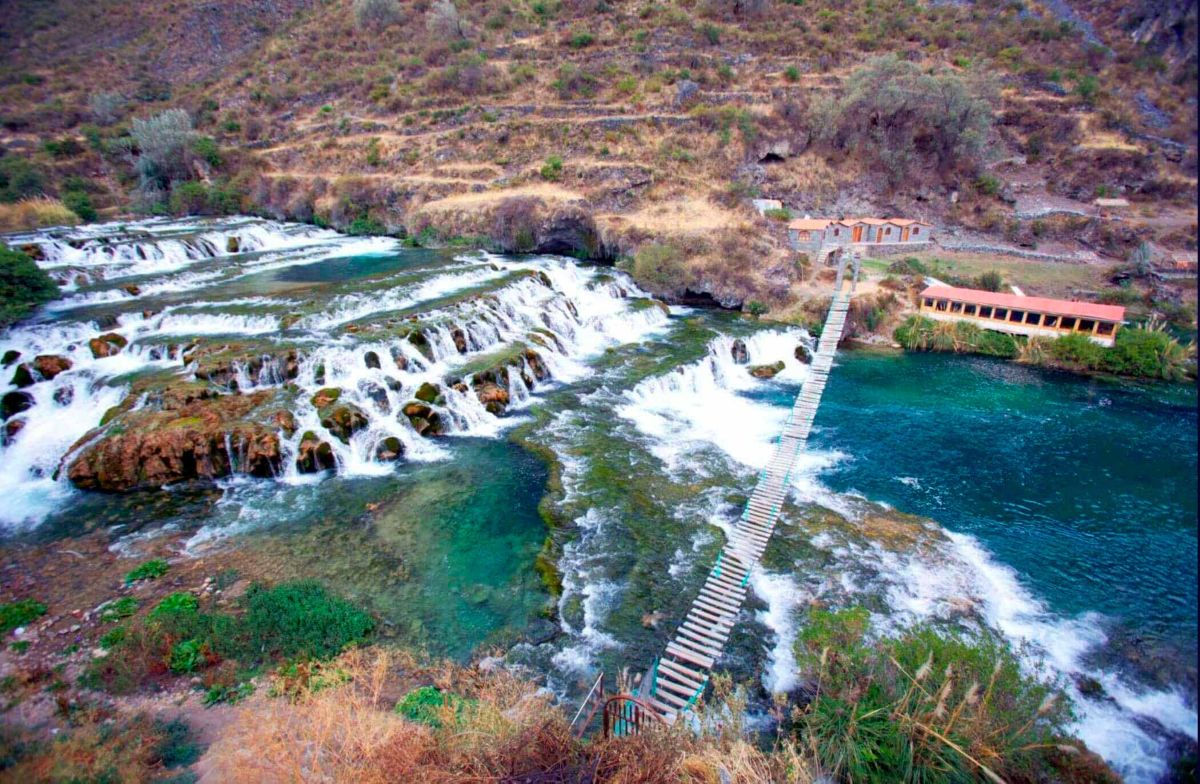
image credit: ytuqueplanes
Peru has a famous travel image. Most visitors think first of Machu Picchu, Cusco, Lima and Lake Titicaca. These places deserve their fame. But Peru has another side that many international travellers still miss.
In the high mountains between Lima and Junín lies the Nor Yauyos-Cochas Landscape Reserve. It is a world of blue-green lagoons, loud waterfalls, stone bridges, quiet villages and wide Andean skies. Huancaya and Vilca are two of its best-known communities. They offer a different kind of Peru trip.
This is not an unknown land. Local families have cared for these valleys for generations. The better description is a less-covered international destination. It sits beyond Peru’s classic tourism path. That gives it a special chance to grow tourism in a careful and useful way.
Advertisement
Advertisement
A Landscape of Water Stone and Sky
The Nor Yauyos-Cochas Landscape Reserve is a large protected area. It covers more than 200,000 hectares across parts of Lima and Junín. The reserve protects nature, ancient places and local ways of life.
The Cañete River is at the heart of the journey. It runs through mountain valleys and creates clear lagoons, rushing cascades and small waterfalls. Around Huancaya, water flows under bridges and beside houses. The view feels almost unreal. Yet it is a living landscape where people farm, raise animals and welcome visitors.
Papacocha and Piquecocha are among the striking lagoons in the reserve. Their bright water and mountain setting make them important for nature photography and slow travel. Visitors can walk to viewpoints, take short hikes and enjoy the quiet.
The reserve also has highland plants and animals. It includes habitats for Andean foxes, birds and the giant Puya raimondii plant. This plant is one of the most remarkable in the Andes. It can grow to an extraordinary height and produces a huge flower spike.
For travellers who want more than a quick photograph, Nor Yauyos-Cochas offers a deeper experience. It gives them space to walk, rest and learn.
Huancaya Gives Peru a New Nature Travel Story
Huancaya is becoming the best-known gateway to the reserve. The village has stone buildings, mountain views and direct access to river landscapes. It is a place where visitors can see the power of water in the Andes.
The destination has strong potential for domestic and international tourism. It is close enough to Lima to attract weekend visitors. But it is also far enough away to feel like a true escape from city life.
This creates an important tourism opportunity. Many visitors stay in Lima for only a short time before flying to Cusco. Huancaya can encourage them to see another part of Peru. It can also help spread tourism income away from the country’s busiest sites.
Tourism can support local drivers, guides, small hotels, family homes, cafés and food producers. It can give young people a reason to build careers in their own communities. But growth must remain controlled.
A reserve cannot carry unlimited numbers of visitors. Roads, water systems and waste collection need care. Visitors must respect local homes, walking routes and sacred places. Responsible travel is not an extra idea here. It is the only way this destination can succeed.
Advertisement
Advertisement
Vilca Adds Culture to the Mountain Journey
Vilca is another important community in the reserve. It has a quiet colonial-style character, traditional streets and highland views. Travellers can visit its public square and nearby viewpoints while learning about the valley’s heritage.
The journey between Huancaya and Vilca is part of the attraction. The road passes waterfalls, clear water and open mountain scenery. It makes visitors slow down. In many parts of modern travel, people race between famous places. Nor Yauyos-Cochas offers the opposite.
This slower rhythm is valuable. Travellers are now looking for places where they can stay longer and spend more time in one community. They want real food, local stories and time outdoors. Huancaya and Vilca can meet this demand if tourism stays locally led.
The region can also develop small group walks, nature education and local craft experiences. These activities can help visitors understand that the landscape is not simply a backdrop. It is part of community life.
Pariacaca Connects Nature and Ancient Belief
The reserve is not only about lakes and waterfalls. It also holds deep cultural meaning. Mount Pariacaca is one of its most important symbols. For Andean communities, the mountain has long carried spiritual value.
Ancient routes in the wider area show how people moved through this landscape in earlier times. These paths connect nature, history and belief. They remind visitors that Peru’s heritage is not limited to major archaeological sites.
This creates a powerful tourism angle. Peru can tell a story about living landscapes. A mountain is not only a place to climb or photograph. A river is not only a place for recreation. These places hold memory and meaning for the people who live nearby.
Tourism businesses and visitors must treat these sites with care. Local guides should lead the story. They know the routes, traditions and rules of the landscape better than anyone else.
Advertisement
Advertisement
Peru Has More Than One Travel Map
Nor Yauyos-Cochas is part of a wider change in Peru tourism. The country has many destinations beyond its most famous circuit.
Oxapampa and Yanachaga-Chemillén National Park offer cloud forests, coffee, orchids and the cultures of Yánesha, Asháninka and Ashéninka communities. Caral gives travellers a chance to see one of the oldest urban centres in the Americas. Chachapoyas and Kuélap bring together cloud forest scenery and the heritage of the Chachapoya people.
In northern Peru, Túcume offers adobe pyramids and a strong archaeological story. In the south, Tinajani Canyon gives visitors a quieter route through dramatic red rock formations. Each place can extend the Peru journey beyond the usual checklist.
This does not mean Peru should replace Machu Picchu. It means the country can build a wider and fairer tourism map. Famous attractions can remain important while smaller destinations receive attention, investment and protection.
A Careful Future Can Make Huancaya Stronger
Huancaya and Nor Yauyos-Cochas have the ingredients for a major tourism future. The scenery is powerful. The local culture is real. The reserve offers walking, camping, birdwatching, kayaking where safe and permitted, and time in the fresh mountain air.
But the goal should not be mass tourism. The goal should be good tourism. That means trained local guides, safe roads, clean public spaces, responsible accommodation and strong community control.
Visitors also have a role. They should avoid leaving litter, follow local rules, use registered providers and respect the quiet rhythm of village life. They should remember that the reserve is a home before it is a holiday destination.
Peru’s next great tourism story may not begin at a crowded landmark. It may begin beside a clear mountain river in Huancaya, where waterfalls, communities and ancient Andean memory show a different way to travel.
Advertisement
Advertisement
Advertisement
