
Minor Hotels Showcases Architectural Wonders Across Europe and the Middle East Where Heritage Meets Modern Luxury Travel

Published
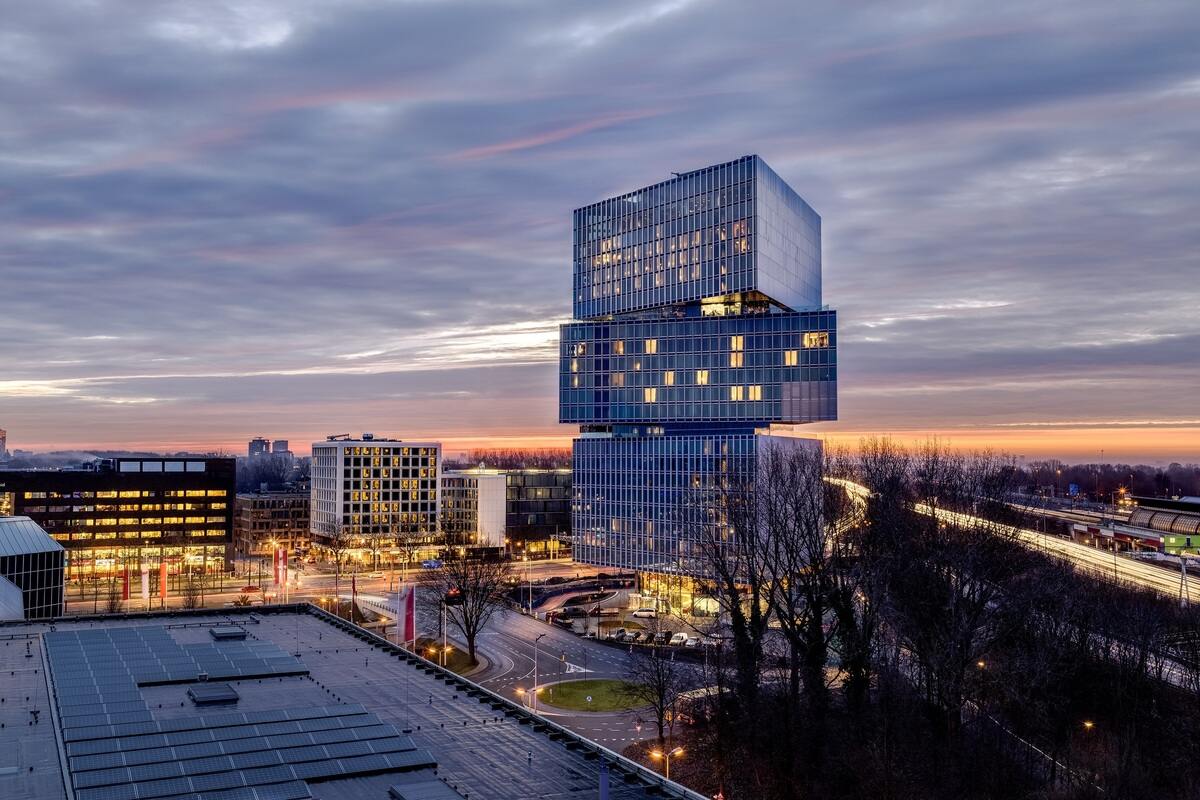
From historic landmarks given a new purpose to former industrial buildings transformed into stylish retreats, Minor Hotels is putting architecture at the heart of the travel experience. Across Europe and the Middle East, several of its properties show how thoughtful design can connect travellers with the history, culture and creative identity of a destination.
Marking World Architecture Day, Minor Hotels has highlighted a collection of distinctive properties where buildings do far more than provide accommodation. Across premium and lifestyle brands such as NH Collection Hotels & Resorts and nhow Hotels & Resorts, architecture has been used to tell local stories, protect heritage and create a stronger sense of place.
Advertisement
Advertisement
These hotels range from carefully restored historic structures to striking contemporary developments that have become part of their cities’ modern skylines. Together, they demonstrate how hospitality design can preserve important elements of the past while introducing new experiences for modern travellers.
Murano’s Glassmaking Heritage Finds New Life
On Venice’s famous Murano Island, NH Collection Venezia Murano Villa occupies a former glass factory that has been transformed into an elegant contemporary hotel.
Advertisement
Advertisement
The property remains closely connected to Murano’s centuries-old reputation for glassmaking. Although the hotel offers a modern hospitality experience, elements of the island’s industrial and artistic heritage continue to influence its character.
By repurposing a former manufacturing space rather than separating the hotel from its surroundings, the property creates a direct link between visitors and one of Venice’s most celebrated craft traditions. The result is a stay shaped by both contemporary design and Murano’s distinctive cultural identity.
Advertisement
Advertisement
Centuries of Amsterdam History Under One Roof
A different architectural story unfolds at NH Collection Amsterdam Barbizon Palace, where several periods of Amsterdam’s development have been brought together within a single property.
The hotel incorporates historic canal houses and a 15th-century chapel, alongside carefully integrated modern features. This combination allows guests to experience elements of Amsterdam’s architectural history while staying in a contemporary hotel environment.
Advertisement
Advertisement
Rather than treating historic structures simply as decorative features, the property incorporates them into the guest experience. In doing so, important elements of Amsterdam’s built heritage have been preserved while continuing to serve a practical role within the modern city.
Helsinki Blends Historic Character With Nordic Design
In Finland, NH Collection Helsinki Grand Hansa demonstrates how restoration can bring historic buildings into a new era without removing their original character.
The hotel occupies two prominent historic buildings in central Helsinki: the legendary Seurahuone Hotel and the New Student House. Both form part of the Finnish capital’s architectural heritage.
Art Nouveau influences, restored historical features and locally produced details have been combined with contemporary Nordic design. The approach creates a balance between old and new while maintaining a clear connection with Helsinki’s cultural identity.
Advertisement
Advertisement
The property illustrates how historic buildings can be adapted for modern travellers while retaining the architectural details that make them significant. Rather than replacing the past, the hotel uses restoration to make that history part of the present-day visitor experience.
Dubai Turns Exploration Into a Design Story
In the Middle East, NH Collection Dubai Ibn Battuta approaches architecture through the theme of travel and discovery.
Inspired by the journeys of legendary explorer Ibn Battuta, the property uses architectural and interior influences associated with the cultures and destinations encountered during his extensive travels.
The concept turns the hotel into more than a contemporary accommodation space. Design becomes a storytelling device, allowing the spirit of exploration to influence the guest journey.
By combining modern hospitality with travel-inspired design, the property establishes an identity connected to discovery, movement and cultural exchange, themes that also resonate strongly with Dubai’s position as an international tourism hub.
Contemporary Architecture Reshapes Urban Skylines
While NH Collection properties frequently draw upon heritage and local history, nhow Hotels & Resorts takes a more unconventional approach, using architecture as a bold expression of creativity, contemporary culture and urban identity.
Advertisement
Advertisement
In Amsterdam, nhow Amsterdam RAI has emerged as a distinctive part of the modern cityscape. Designed by architect Reinier de Graaf of OMA, the property is recognised for its dramatic form and highly visible silhouette.
Its architecture reflects Amsterdam’s modern and multicultural character while supporting nhow’s emphasis on unconventional design.
The building demonstrates how a hotel can move beyond its traditional function and become an identifiable architectural feature within a destination.
Rotterdam Turns a Hotel Building Into a Destination
In Rotterdam, nhow Rotterdam forms part of De Rotterdam, the major mixed-use development designed by architect Rem Koolhaas.
Standing beside the River Maas, the complex has become an important feature of Rotterdam’s contemporary skyline.
The project illustrates the wider role architecture can play in shaping perceptions of a city. Rather than functioning solely as a building containing a hotel, De Rotterdam contributes to the visual identity of the waterfront and forms part of the destination experience itself.
Advertisement
Advertisement
For travellers, staying within such a development creates an opportunity to experience Rotterdam’s contemporary architectural character from inside one of its most recognisable urban projects.
Milan Gives Industrial Heritage a Creative Future
Industrial reinvention takes centre stage at nhow Milano, located within Milan’s energetic Tortona district.
The hotel occupies a former industrial building that was reimagined as a creative hospitality space. Originally conceived by internationally recognised architect Matteo Thun, the project retains a connection with the building’s industrial background while introducing contemporary design.
This transformation closely reflects the wider identity of Milan, a city internationally associated with fashion, design, art and innovation.
Instead of erasing the property’s former industrial character, the hotel uses it as part of its creative personality. This allows guests to experience a contemporary interpretation of Milan while remaining connected to the district’s evolving architectural history.
Berlin Brings Art, Music and Architecture Together
At nhow Berlin, architecture and interiors take a more playful and futuristic direction.
Advertisement
Advertisement
Designed by creative visionary Karim Rashid, the property is characterised by bold visual elements, striking interiors and a strong contemporary aesthetic.
Its location beside the River Spree places the hotel within one of Europe’s most creatively recognised urban environments. The design reflects Berlin’s longstanding association with artistic experimentation and alternative culture.
Here, conventional boundaries between accommodation, architecture, design and art are deliberately softened. The hotel experience becomes closely connected with the creative energy associated with the German capital.
Hotels Are Becoming Part of the Destination Experience
Taken together, these properties demonstrate several different ways in which architecture can influence modern hospitality.
Historic buildings can be protected and adapted. Industrial sites can gain entirely new functions. Contemporary developments can reshape city skylines. Interiors can also translate local culture and creative traditions into experiences that visitors can immediately recognise.
For Minor Hotels, this approach places architecture alongside hospitality as an important part of destination storytelling.
Advertisement
Advertisement
NH Collection properties in Venice, Amsterdam, Helsinki and Dubai demonstrate how heritage, history and cultural influences can be incorporated into contemporary stays. Meanwhile, nhow properties in Amsterdam, Rotterdam, Milan and Berlin show how experimental architecture and design can contribute to the modern identity of major European cities.
The common thread is a strong relationship between the hotel and its location.
Architecture Creates a Deeper Connection With Place
Modern travellers increasingly look beyond traditional accommodation and seek experiences that help them understand where they are. Architecture can play an important role in creating that connection.
A restored chapel in Amsterdam tells a different story from a converted glass factory in Murano. Helsinki’s historic buildings provide another experience entirely, while the contemporary structures of Rotterdam and Amsterdam represent cities continually redefining themselves.
These differences are precisely what give destination-focused architecture its value.
When historic buildings are sensitively restored, their stories can remain accessible to future generations. When abandoned or former industrial spaces are successfully repurposed, they can gain new relevance. And when contemporary architecture responds to the character of its surroundings, it can become part of the destination’s evolving identity.
Advertisement
Advertisement
As World Architecture Day draws attention to the importance of the built environment, Minor Hotels’ portfolio across Europe and the Middle East provides examples of how hospitality and architecture can work together.
From Murano’s glassmaking heritage and Helsinki’s historic landmarks to Rotterdam’s modern skyline and Berlin’s experimental design culture, these hotels demonstrate how a building can become an integral part of a journey.
For travellers, that means the experience of a destination does not necessarily begin after stepping outside the hotel. In these properties, it begins the moment they walk through the door.
Advertisement
