

Egypt Champions a Captivating New Paradigm in Travel Value at the WTTC Global Summit

Published
As global travel leaders convene in the Mediterranean this week, Egypt’s tourism leadership has arrived at the WTTC Global Summit with a definitive pivot in its national strategy: a deliberate transition from merely chasing visitor volume to capturing long-term, high-yield value.
Outlined in the official WTTC press release, the North African nation is charting an aggressive economic course. While the Egyptian tourism sector remains steadfast on its track to welcome 30 million annual arrivals by the end of the decade, the overarching focus has shifted toward profound revenue growth.
According to the strategic roadmap shared ahead of the WTTC Global Summit, Egypt forecasts its tourism receipts to surge from an estimated $18.58 billion in 2026 to a commanding $36 billion to $40 billion by 2030.
This financial recalibration underscores a maturing destination that recognizes the limitations of sheer footfall. By focusing on increasing the intrinsic value of its tourism economy, Egypt aims to deliver a greater, more sustainable economic impact across its diverse governorates. The World Travel & Tourism Council (WTTC) Global Summit, a premier platform where the international travel industry scrutinizes global growth, investment climates, and sectoral competitiveness, serves as the ideal stage for Egypt to broadcast this evolved proposition to global stakeholders, foreign direct investors, and key policy-makers.
Advertisement
Advertisement
Infrastructure and the Push for Premium Stays
To support this ambitious financial trajectory, Egypt is fundamentally restructuring its hospitality landscape to encourage longer, higher-value stays. The initial phase of this capacity-building initiative is already underway. In the first half of 2026 alone, the country seamlessly integrated roughly 1,653 new hotel rooms into its national inventory. This rapid expansion is not merely about increasing bed space; it is a calculated enhancement of the country’s premium infrastructure designed to cater to a more discerning, high-spending demographic.
At the premium end of the market, the Egyptian proposition is undergoing a sophisticated evolution. Moving away from standardized mass-market offerings, the sector is seeing a renaissance in highly personalized travel experiences. The timeless allure of the Nile is being reimagined through intimate dahabiyyas—traditional, multi-masted sailing boats—and luxurious Nile Cruises that offer bespoke itineraries. Furthermore, there is a burgeoning market for luxury and boutique accommodations situated strategically beyond the traditional, well-trodden tourist circuits. These developments cater to an evolving traveler appetite for diverse, deeply immersive experiences spanning heritage, holistic wellness, and authentic regional gastronomy.
Advertisement
Advertisement
The Grand Egyptian Museum: A Gateway to Antiquity
At the heart of this high-value strategy stands a monumental achievement in cultural preservation and exhibition: the Grand Egyptian Museum (GEM). Positioned not just as an attraction but as the cornerstone of Egypt’s modern tourism identity, the GEM holds the distinction of being the world’s largest archaeological museum dedicated entirely to a single civilization.
For the first time since British archaeologist Howard Carter unveiled the tomb in 1922, the complete Tutankhamun collection is now on display, meticulously curated within the GEM’s expansive, state-of-the-art galleries. However, the Egyptian Tourism Authority (ETA) envisions the museum as more than a static repository of ancient wonders. Instead, the GEM is being strategically positioned as a dynamic gateway—the starting point for a wider, multi-region itinerary that seamlessly connects visitors to the country’s vast geographical and historical tapestry.
Advertisement
Advertisement
A Six-Pillar Strategy for Sustainable Growth
The architectural and financial milestones are underpinned by a robust, multi-faceted policy framework. H.E. Sherif Fathy, Minister of Tourism and Antiquities, articulated the government’s comprehensive vision, emphasizing the consolidation of Egypt’s status on the global stage.
“Egypt’s tourism strategy is designed to consolidate the country’s position as the world’s most diverse tourism destination, building on an unmatched combination of globally significant archaeological and cultural heritage, coastal destinations, nature, adventure and a broad range of distinctive tourism experiences,” Minister Fathy stated.
The strategy, as presented to the international delegates at the WTTC Global Summit, is meticulously constructed around six key pillars, each addressing a critical facet of a modern, resilient tourism economy:
- Investment Competitiveness: A primary focus is on enhancing the overall competitiveness of the tourism sector to aggressively attract Foreign Direct Investment (FDI). This involves streamlining regulations and offering incentives for international developers to participate in Egypt’s infrastructure boom.
- Product Diversification: Moving beyond the iconic pyramids, the strategy mandates the continuous diversification of tourism products to appeal to varied traveler demographics, from eco-tourists to luxury seekers.
- Human Capital Development: Recognizing that high-value tourism requires high-quality service, a significant emphasis is being placed on developing human capital, ensuring the Egyptian workforce is equipped with world-class hospitality skills.
- Governance and Visitor Experience: Strengthening sector governance and comprehensively improving the end-to-end visitor experience is paramount to encouraging repeat visitation and positive global word-of-mouth.
- Sustainability and Transformation: In alignment with global imperatives, advancing sustainability and accelerating both digital and green transformations are non-negotiable priorities for the sector’s future viability.
- Strategic Marketing: Finally, strengthening tourism marketing—spearheaded by entities like the ETA—is essential to clearly communicate this new, value-driven proposition to international source markets.
“Together, these priorities are focused on creating greater value from tourism and ensuring that its economic benefits extend across destinations and communities throughout Egypt,” Minister Fathy added, highlighting the socio-economic mandate at the core of the strategy.
Advertisement
Advertisement
Unmatched Diversity Under a Single Visa
The depth of Egypt’s new strategic pitch stems from a unique geographical advantage: it is a single sovereign nation offering an exceptionally wide array of distinct, world-class experiences accessible under one visa. A traveler’s itinerary can seamlessly transition from the architectural marvels of the Grand Egyptian Museum and the iconic Giza Plateau to the dense, vibrant labyrinth of Historic Cairo. From there, the journey can flow down the lush Nile Valley, pivot eastward to the pristine diving waters of the Red Sea, stretch along the Mediterranean coast, or venture into the stark, breathtaking expanses of the Western Desert.
New developments are actively expanding this map, transforming historically seasonal locations into permanent economic hubs. On the Mediterranean coast, New Alamein stands out as a prime example of this urban and touristic evolution. The city is aggressively combining residential, commercial, cultural, and tourism infrastructure to establish itself as a vibrant, year-round destination, breaking free from the constraints of the traditional summer season.
The Pulse of Contemporary Egypt
Crucially, Egypt’s value proposition is no longer solely anchored in its ancient past. Contemporary Egypt is increasingly taking center stage, offering travelers novel, vibrant ways to experience the country beyond its Pharaonic heritage. Across the nation, a dynamic cultural and creative scene is blooming.
In Cairo, historic neighborhoods are undergoing careful revitalization, emerging as bustling epicenters for contemporary gastronomy, avant-garde galleries, independent design studios, and collaborative creative spaces. This urban renaissance offers a compelling juxtaposition to the city’s ancient monuments.
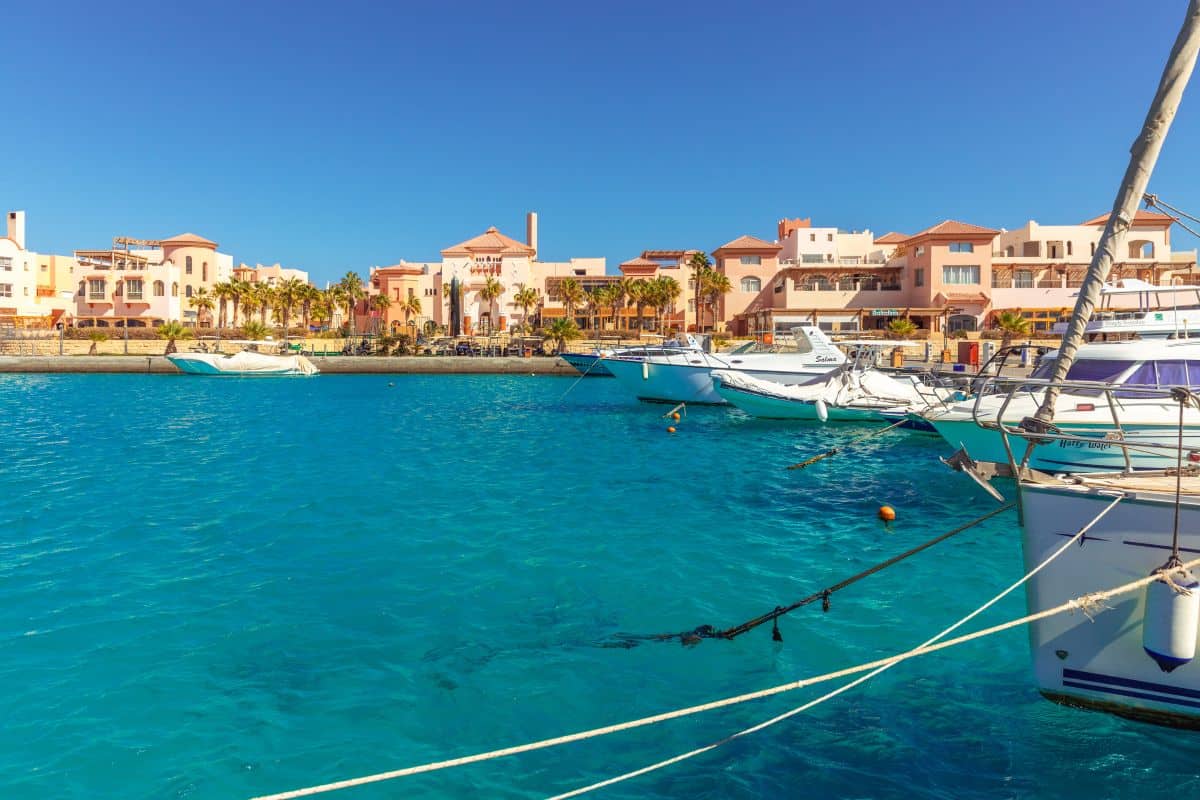
Similarly, along the Red Sea coast, the tourism narrative is expanding beyond resorts and coral reefs. Local crafts, deeply rooted artisanal traditions, indigenous music, and emerging cultural experiences are adding profound new dimensions to the coastal proposition. From the Mediterranean shores to the Red Sea, and across the myriad cities and communities in between, these contemporary cultural touchpoints offer visitors a much closer, more intimate connection with the living, breathing country of today, existing in vibrant harmony alongside the profound history that shaped it.
As the WTTC Global Summit progresses in Malta, Egypt’s message is unequivocal. Facilitated by the Egyptian Tourism Authority’s ongoing efforts to connect this multi-layered offer with international markets and expand global connectivity, the country is not just preparing for more tourists; it is building a sophisticated, sustainable, and highly lucrative tourism ecosystem designed for the travelers of tomorrow.
Advertisement
