
Smart Glasses Raise Privacy Concerns for Travellers as Experts Share Six Essential Recording Rules

Published
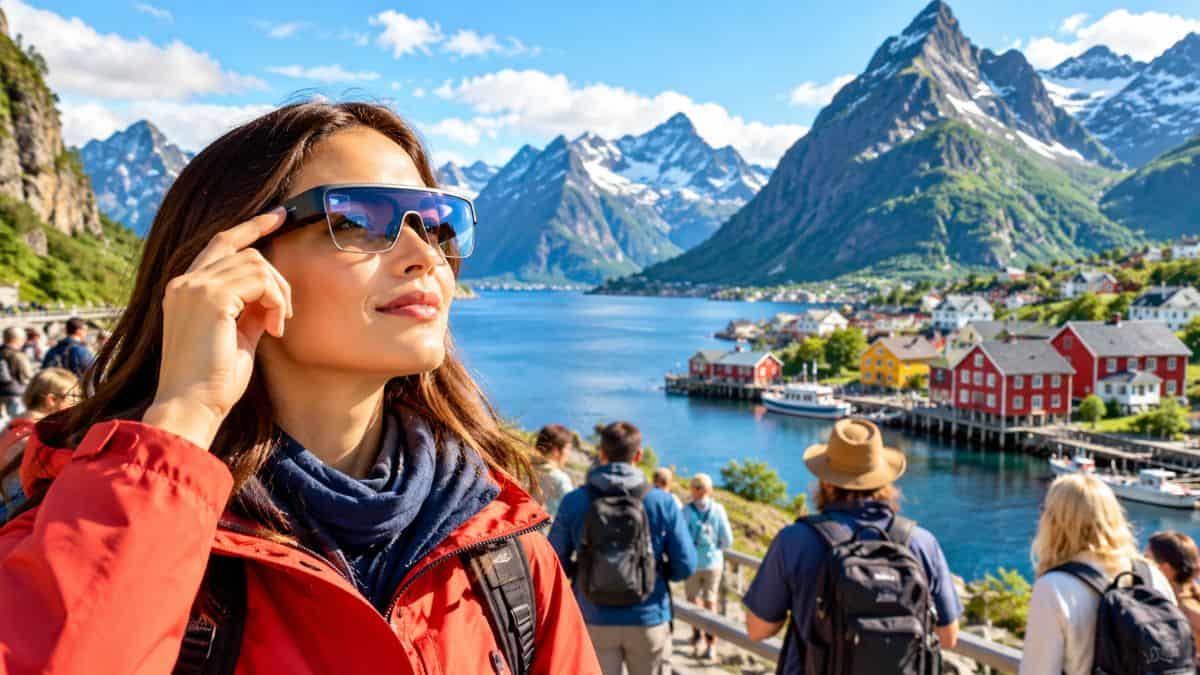
Smart Glasses Raise Privacy Concerns for Travellers as Experts Share Six Essential Recording Rules, following European warnings about recording without consent. As wearable cameras become increasingly common during holidays, restaurant visits and sightseeing, privacy specialists are urging tourists to respect personal boundaries, protect conversations and seek permission before sharing footage online.
Smart Glasses Bring New Privacy Challenges to Global Travel
Smart glasses are changing how travellers document their journeys, offering hands-free ways to capture memorable moments while exploring destinations, visiting attractions or enjoying local experiences. However, their growing use is also raising important questions about privacy, consent and responsible behaviour in public spaces.
Advertisement
Advertisement
Unlike traditional cameras or smartphones, smart glasses can record footage from the wearer’s perspective without requiring them to hold a visible device. This convenience makes them attractive to tourists, travel vloggers and digital content creators, but it can also make recording less obvious to people nearby.
On 13 October 2026, the European Data Protection Board (EDPB) highlighted the data protection challenges associated with smart glasses, particularly their ability to capture images, voices and personal information without individuals necessarily knowing they are being recorded.
Advertisement
Advertisement
The concerns extend to workplaces, hospitals, schools and recordings subsequently shared on social media.
For the travel and tourism industry, these developments highlight the need to balance technological innovation with respect for visitors, local communities and hospitality workers.
Advertisement
Advertisement
European Survey Reveals Growing Public Concern About Wearable Cameras
Public attitudes suggest that many people remain uncomfortable with the possibility of being recorded without their knowledge.
According to a 2026 survey published by France’s CNIL, involving 2,128 adults, 81 per cent believed smart glasses presented a greater risk of recording without consent than smartphones.
Advertisement
Advertisement
Nearly nine in ten respondents expressed discomfort about being filmed without their knowledge, while 57 per cent identified image rights and consent among their leading concerns.
These findings are particularly relevant to destinations where visitors regularly capture photographs and videos in busy streets, markets, restaurants, museums and cultural attractions.
Although tourism photography is an established part of travel, wearable cameras introduce additional challenges because nearby people may not immediately recognise when recording is taking place.
Six Essential Smart Glasses Rules Every Traveller Should Follow
1. Inform People Before Starting a Recording
Travellers should not assume that everyone recognises smart glasses as recording devices.
Advertisement
Advertisement
Before filming friends, guides, hospitality employees or other identifiable individuals, users should explain that recording is taking place and seek permission.
This simple step can prevent misunderstandings, particularly during organised tours, cultural experiences and group activities.
2. Protect Private Conversations During Travel
Smart glasses may capture audio alongside video, including conversations that were never intended for a wider audience.
Restaurants, airport lounges, hotel reception areas and public transport are environments where microphones may pick up personal discussions.
Travellers should consider their surroundings and avoid recording conversations involving strangers, confidential information or sensitive personal matters.
3. Stop Recording When Someone Objects
Respecting another person’s objection is an essential part of responsible filming.
Advertisement
Advertisement
If a fellow traveller, restaurant guest, employee or local resident expresses discomfort, the appropriate response is to stop recording and address the concern politely.
A holiday video should not create unnecessary conflict or make someone feel uncomfortable during an ordinary experience.
4. Respect Recording Restrictions at Tourism Attractions
Not every tourism location permits unrestricted photography or filming.
Museums, theatres, religious sites, schools, private venues and certain hospitality establishments may have specific restrictions designed to protect visitors, cultural heritage or confidential information.
Smart glasses users should check local rules and follow instructions provided by venue operators.
Permission to enter an attraction does not automatically include permission to record everything inside it.
Advertisement
Advertisement
5. Obtain Permission Before Publishing Travel Videos
Agreeing to appear in a personal recording does not necessarily mean agreeing to appear on social media.
Travellers who plan to upload footage to Instagram, TikTok, YouTube or other platforms should explain their intentions before publishing identifiable images of other people.
This is particularly important for travel influencers, vloggers and commercial content creators whose recordings may reach large audiences.
6. Delete Unnecessary Recordings Involving Strangers
Responsible recording also involves deciding what happens to footage after it has been captured.
Travellers should review their recordings and remove unnecessary clips containing strangers, private conversations or personal information.
Avoiding excessive storage and unnecessary sharing can reduce the risk of unintended exposure.
Advertisement
Advertisement
Why Smart Glasses Etiquette Matters for Hotels, Restaurants and Attractions
The expansion of wearable technology creates new considerations for tourism businesses.
Hotels must protect guest privacy, restaurants need to maintain comfortable dining environments, and attractions must balance visitors’ interest in documenting experiences with the rights of others.
Clear filming policies and practical guidance can help businesses communicate expectations without discouraging responsible travel photography.
Tour operators and guides may also benefit from explaining recording restrictions before excursions, particularly when itineraries include private communities, cultural ceremonies or sensitive locations.
These measures can help preserve visitor confidence while allowing technology to enhance travel experiences.
Advertisement
